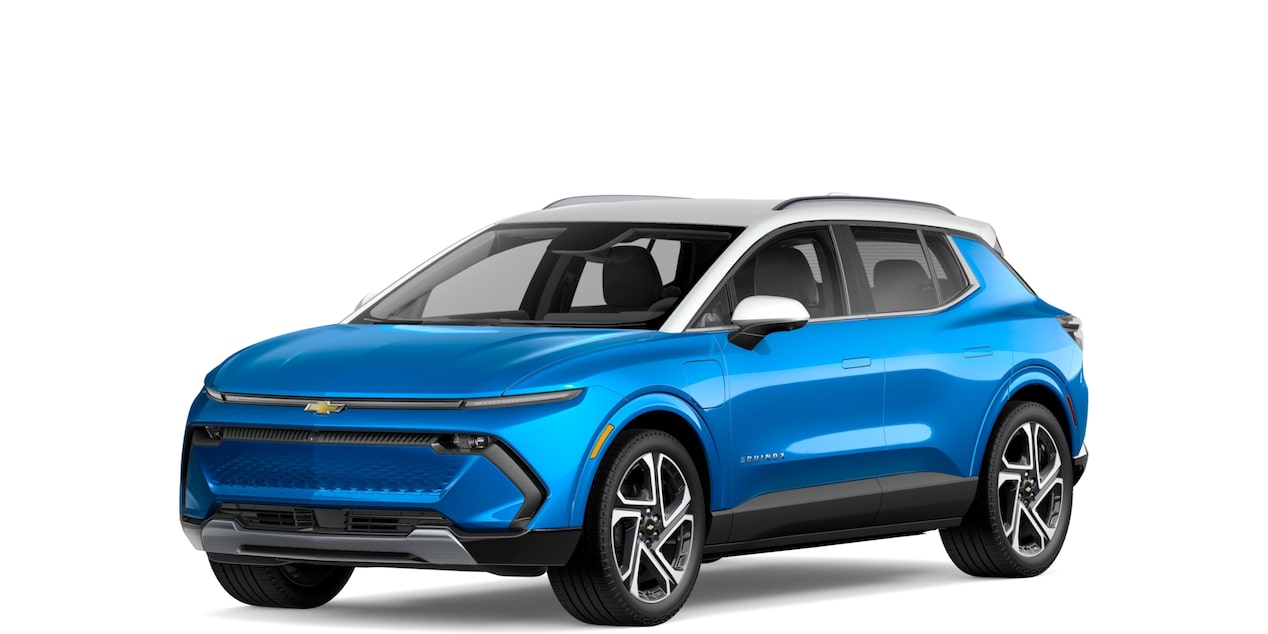
Gas Prices Driving You to an EV? Here's Your Best EV SUV Choices in Early 2026
With gas hovering around $3.50–$4.00 per gallon, switching to an electric SUV makes more sense than ever. We break down every major EV SUV across three price tiers — from the affordable Chevrolet Equinox EV to the Porsche Macan Electric — with real range, charging, and total cost of ownership numbers.
Rising gas prices have a way of clarifying priorities. When regular fill-ups start chewing through a family budget, the math on electric vehicles stops being theoretical. With national average gas prices pushing toward $3.80–$4.00 per gallon in early 2026, an EV SUV that costs $60–$100 to fully charge at home starts looking like the sensible choice — not just the ideological one.
This guide surveys the EV SUV landscape across three price segments: budget/mid-range, premium, and luxury. Every vehicle listed is available or confirmed for delivery in early 2026. We’ll cover real-world range, charging capability, seating and cargo space, and — critically — the gas savings story that makes the upfront price easier to swallow.
The Gas Savings Context
Before we dive into vehicles, let’s talk numbers. The average American drives about 14,000 miles per year. At 25 mpg and $3.80/gallon, that’s roughly $2,128 per year in fuel alone. Swap that for an EV at $0.14/kWh (national average off-peak residential rate) and a 70 kWh usable battery delivering 280 miles of real-world range, and a full charge costs about $9.80. At 14,000 miles/year, you’d need about 50 full charges — roughly $490 per year. That’s a $1,638 annual savings for a typical commuter.
Over a five-year ownership window, you’re looking at $8,000+ in fuel savings. Against the premium that some EV SUVs command over their gas counterparts, that number changes the conversation from “can I afford it?” to “which one do I want?”
Budget & Mid-Range EV SUVs
Chevrolet Equinox EV — Starting at ~$34,995
The Equinox EV is the value play in GM’s electric lineup. Based on the Ultium platform shared with the Blazer EV and Cadillac Lyriq, it delivers a practical combination of range, tech, and affordability that no other manufacturer currently matches in this segment.
Range: 319 miles EPA (RS RWD trim), dropping to around 280 miles in mixed highway/city driving with the larger 85 kWh battery option. The FWD model uses a smaller pack and delivers less range but undercuts the AWD version by several thousand dollars.
Charging: 800V-class architecture isn’t here — the Equinox EV uses a 400V system — but DC fast charging at up to 150 kW is competitive for this price point. At a 150 kW public charger, you can add roughly 70 miles in about 10 minutes. Home charging via the standard Level 2 setup (11.5 kW AC) delivers a full overnight charge comfortably.
Seating & Cargo: Five seats, 57 cubic feet of cargo volume behind the rear seats — competitive with the CR-V and RAV4 class.
What to know before buying: GM’s software has improved dramatically since the Blazer EV’s disastrous launch, but the myChevrolet app still lags behind Tesla and Hyundai’s ecosystems. The federal EV tax credit has expired for GM at time of writing; check current eligibility before finalizing your budget. The Equinox EV qualifies under the new Treasury rules only for certain trims depending on battery sourcing — confirm with your dealer.
Motorlinks review: Read our 2024 Chevrolet Equinox RS review for detailed driving impressions.
Nissan Ariya — Starting at ~$39,770
The Ariya is Nissan’s serious entry into the premium-ish EV space, and after years of incremental updates, it finally feels like a cohesive product. The e-4ORCE all-wheel-drive system — Nissan’s dual-motor torque-vectoring setup — is genuinely impressive in mixed conditions.
Range: 304 miles EPA for the single-motor FWD Engage model with the 66 kWh battery. The e-4ORCE AWD with the 91 kWh battery delivers 272 miles. In cold-weather testing, expect a 15–20% reduction.
Charging: 130 kW DC fast charging peak — not class-leading, but the combined standard NACS port (2025 onward) means access to virtually every public charging network without adapters. Home charging at Level 2 maxes out around 7.2 kW AC for most trims.
Seating & Cargo: Five seats, 22.8 cubic feet behind the rear seats (59.7 cubic feet total with seats folded). The flat floor and airy cabin design make the interior feel more spacious than the cargo numbers suggest.
What to know before buying: The Ariya’s Google built-in infotainment is excellent — native Google Maps and Google Assistant without needing CarPlay — but the wireless CarPlay/Android Auto situation has been a pain point in earlier model years. The 2025 refresh addressed many of the early software complaints. Nissan also recently resolved a major recall affecting approximately 50,000 Ariya vehicles; ensure any used or new purchase has had the update completed.
Toyota bZ4X — Starting at ~$37,070
Toyota’s first mass-market electric SUV had a rough start — a recall for wheel bolt loosening that forced a halt to sales, and charging speeds that were genuinely uncompetitive at launch. By 2026, most of those issues are addressed, and the bZ4X is worth a second look, especially for Toyota loyalists who want to go electric without leaving the brand ecosystem.
Range: 252 miles EPA for the FWD Limited trim. AWD drops to 228 miles. These are not competitive numbers in 2026 — newer rivals have moved the baseline higher — but they’re usable if your daily driving fits within the range.
Charging: 150 kW DC fast charging peak for FWD models, though thermal management during extended high-speed charging sessions has historically been a limiting factor. The bZ4X uses CCS, and a NACS adapter is available from Toyota.
Seating & Cargo: Five seats, 27.7 cubic feet behind the rear seats — notably less than Equinox EV or Ariya.
What to know before buying: Toyota’s brand-new warranty on the battery is 10 years/150,000 miles for 70% capacity — the most generous battery coverage in the industry. For buyers concerned about long-term battery health, that’s meaningful. The bZ4X also uses a heat pump as standard on higher trims, which helps cold-weather range substantially.
Motorlinks review: See our Toyota bZ4X review for the full picture.
Volkswagen ID.4 — Starting at ~$45,095
Volkswagen’s ID.4 was one of the first non-luxury EVs to offer a genuine mainstream driving experience when it launched, and the 2026 model brings the NACS port as standard — a major practical upgrade that puts the entire Tesla Supercharger network directly accessible without adapters.
Range: 275 miles EPA for RWD Pro models with the 82 kWh battery. AWD versions are slightly lower at around 260 miles.
Charging: 170 kW DC fast charging on RWD models — improved from earlier versions. The addition of the NACS port on 2026 models is the headline here. Level 2 home charging at up to 11 kW AC.
Seating & Cargo: Five seats, 30.3 cubic feet behind the rear seats. The rear hatchback opening is wide and practical.
What to know before buying: VW’s ID.Software issues have been widely documented — infotainment lag, false error messages, and reset cycles have been common. The 2025–2026 software updates have resolved most of the critical bugs, but if you value tech responsiveness, test the MIB3 system carefully before buying. The ID.4’s rear seat space is notably tight for a vehicle in this size class.
Premium EV SUVs
Hyundai IONIQ 5 — Starting at ~$44,850
The IONIQ 5 is the benchmark against which all other mainstream EVs are measured. The 800V architecture delivers charging speeds that remain genuinely impressive three years after launch — 10% to 80% in just 18 minutes at a 350 kW charger. The distinctive retro-futuristic design also ages well, and Hyundai’s warranty remains industry-leading.
Range: 318 miles EPA for the RWD Long Range. AWD versions deliver 260–280 miles depending on configuration.
Charging: 233 kW peak at a 350 kW DC charger — still among the fastest in the industry. This is 800V architecture doing its thing. Home charging at up to 10.9 kW AC on Level 2.
Seating & Cargo: Five seats, 27.2 cubic feet behind the rear seats. The flat floor and sliding center console are thoughtful touches.
What to know before buying: Hyundai’s Blue Link connected services are excellent and include remote climate control, battery preconditioning, and charging scheduling. The IONIQ 5 doesn’t currently support CarPlay (it uses Android Auto and native Google-based software), which is a notable omission for iPhone users. A refresh for the IONIQ 5 is expected before mid-2026; wait if you prefer the latest hardware.
Motorlinks reviews: Read our Hyundai IONIQ 5 N review and IONIQ 5 standard review.
Kia EV6 — Starting at ~$42,925
Sharing the E-GMP 800V platform with the IONIQ 5, the Kia EV6 offers a sportier visual character and slightly lower seating position — it reads more as a sporty hatchback than an SUV, but the elevated driving position and cargo flexibility keep it in this conversation.
Range: 310 miles EPA for the RWD Long Range. GT-Line AWD comes in at 252 miles.
Charging: Same 233 kW peak as the IONIQ 5 — and the same ultra-fast 18-minute 10%–80% stop. This remains the EV charging speed benchmark.
Seating & Cargo: Five seats, 24.4 cubic feet behind the rear seats. The low floor and wide hatch opening make cargo loading easier than the official number suggests.
What to know before buying: The EV6 GT delivers 576 hp and hits 60 mph in 3.5 seconds — a genuinely thrilling hot-hatchback experience in SUV clothing. If performance matters more than range, the GT trim is worth the premium over the base Wind model.
Motorlinks review: See our Kia EV6 GT review for detailed performance impressions.
Ford Mustang Mach-E — Starting at ~$42,495
The Mach-E remains the most convincing argument that a traditional automaker can build a genuinely competitive EV. Ford’s BlueCruise hands-free highway driving assist is one of the best in the business, and after the 2025 refresh added more range, better software, and a revised interior, it’s a legitimate Tesla alternative for buyers who need Apple CarPlay.
Range: 320 miles EPA for the Extended Range RWD. Standard Range RWD delivers 300 miles. GT AWD drops to 260 miles.
Charging: 150 kW DC fast charging peak on Extended Range models. The NACS adapter is now standard on 2025+ models, giving Supercharger access. Home charging via Ford Mobile Charger (standard) or the Connected Charge Station ($795).
Seating & Cargo: Five seats, 29.7 cubic feet behind the rear seats.
What to know before buying: Ford’s dealer network remains a wild card — some dealers are excellent with EVs, others still apply markups or pushback on EVs generally. Buy from a no-haggle, EV-friendly dealer if you can find one. The SYNC 4A system with wireless CarPlay is a genuine differentiator for households with iPhones.
Motorlinks reviews: Tesla Model Y vs. Mustang Mach-E comparison and Ford Mustang Mach-E long-term review.
Genesis GV60 — Starting at ~$52,885
Genesis is Hyundai’s luxury spin-off, and the GV60 demonstrates what happens when the IONIQ 5’s 800V platform gets a premium interior treatment. The GV60 feels like it should cost $20,000 more than it does — the attention to detail in the cabin and the quality of the materials are genuinely that good.
Range: 294 miles EPA for the RWD Advanced. Performance AWD drops to 235 miles.
Charging: Same 233 kW peak as the IONIQ 5 and EV6 — ultra-fast DC charging is standard. Home charging at up to 10.9 kW AC.
Seating & Cargo: Five seats, 24.0 cubic feet behind the rear seats. The interior volume is compact relative to the exterior size.
What to know before buying: The GV60’s face-recognition unlocking and fingerprint starting are genuinely useful — no key required, just your biometric data. The crystal sphere shift dial is pure theater, but it adds a moment of ritual to every drive. Genesis’s 3-year complimentary maintenance and the lifetime complimentary Genesis connected services are meaningful ownership perks.
Luxury EV SUVs
BMW iX3 — Starting at ~$62,900
The iX3 is BMW’s smallest electric SUV and the first Neue Klasse X model to reach production. It’s built on BMW’s new electric platform with significantly improved software and battery efficiency compared to the earlier iX3 generations, and it arrives as a World Car of the Year finalist for 2026.
Range: 315 miles EPA est. (official EPA pending at time of publication). BMW’s fifth-generation eDrive system is delivering efficiency gains that put this generation well ahead of its predecessor.
Charging: 200 kW DC fast charging. 22 kW AC Level 2 home charging capability — notably faster than most competitors.
Seating & Cargo: Five seats, approximately 29.5 cubic feet behind the rear seats.
What to know before buying: The iX3 is the entry point into BMW’s electric lineup, but it doesn’t feel entry-level. The interior quality matches the X3’s high standards with the addition of the curved iDrive display (12.3-inch instrument cluster + 14.9-inch central touchscreen). BMW’s OS9 software is far more responsive than earlier iDrive generations.
Mercedes EQC / EQE SUV — Starting at ~$67,500 (EQE SUV)
The naming situation at Mercedes is a bit confusing: the EQC was the first generation, and the EQE SUV is the current product. Both are in the same rough price bracket, but the EQE SUV is the more technically sophisticated vehicle. Let’s focus on the EQE SUV as the primary 2026 recommendation.
Range: 279 miles EPA for the EQE SUV 350 4Matic. The 500 4Matic AWD version drops slightly due to its more powerful motors.
Charging: 170 kW DC fast charging. 9.6 kW AC Level 2 home charging standard, upgradeable to 22 kW on some trims.
Seating & Cargo: Five seats (seven with optional third row on some trims), approximately 28 cubic feet behind the rear seats.
What to know before buying: The MBUX Hyperscreen — a curved 56-inch single pane of glass spanning the full dashboard — is available on higher trims and is genuinely one of the most impressive interior design elements in any production vehicle. Mercedes’ ENERGIZING comfort suites (ambient sounds, seat climate, fragrance) add an odd but effective dimension to long highway drives.
Audi Q6 e-tron — Starting at ~$63,800
The Q6 e-tron is Audi’s volume luxury electric SUV and the first to use VW Group’s new PPE (Premium Platform Electric) architecture — shared with the Porsche Macan Electric. The 800V architecture and advanced driver assistance from the new E3 electronics platform make this a genuinely different product from the earlier Q4 e-tron.
Range: 300 miles EPA for the Q6 SUV quattro (preliminary figures). In real-world mixed driving, expect 250–275 miles.
Charging: 270 kW peak DC fast charging — among the fastest in its class. 21 kW AC Level 2 home charging. This is proper 800V fast charge territory.
Seating & Cargo: Five seats standard, optional third row for seven-passenger configuration, 30.4 cubic feet behind the rear seats in five-seat configuration.
What to know before buying: The Q6 e-tron’s PPE platform delivers a substantially better DC fast charging experience than the Q4 e-tron — that gap matters if you do regular long-distance trips. The interior uses Audi’s newest MMI philosophy with a curved OLED instrument cluster and a 14.5-inch central touchscreen, both running the latest Audiconnect software with wireless CarPlay and Android Auto.
Motorlinks review: Audi Q6 e-tron — SUV of the Year finalist review.
Porsche Macan Electric — Starting at ~$83,900
The Macan Electric is Porsche’s answer to anyone who loved the gas Macan but wants to go electric. Built on the PPE architecture shared with the Audi Q6 e-tron, it delivers the same 800V fast-charging capability with the chassis dynamics that define every Porsche product.
Range: 300 miles EPA est. for the base Macan 4 Electric. Macan Turbo Electric delivers slightly less range due to its higher power output.
Charging: 270 kW peak DC fast charging — same as the Q6 e-tron. 11 kW AC Level 2 home charging standard.
Seating & Cargo: Five seats, 14.3 cubic feet in the front trunk (frunk) plus a rear cargo area comparable to the gas Macan at approximately 18.4 cubic feet behind the rear seats.
What to know before buying: The Macan Electric doesn’t feel like a compromise relative to the gas Macan — it feels like a different, equally valid Porsche. The steering precision, the ride quality on the optional air suspension, and the performance from the dual-motor setup are all unmistakably Porsche. If you can stretch the budget from a Q6 e-tron to the Macan Electric, the driving experience gap justifies it.
Side-by-Side Comparison
Budget & Mid-Range Specifications
| Chevrolet Equinox EV RS RWD | $37,995 | 319 | 1,500 | 220 |
| Nissan Ariya Engage FWD | $39,770 | 304 | — | 238 |
| Chevrolet Equinox EV RS AWD | $44,995 | 285 | 1,500 | 300 |
| Volkswagen ID.4 Pro RWD | $45,095 | 275 | — | 282 |
| Toyota bZ4X Limited FWD | $45,970 | 252 | — | 201 |
| Toyota bZ4X XSE AWD | $51,968 | 228 | — | 337 |
| Nissan Ariya e-4ORCE AWD | $51,970 | 272 | — | 389 |
| Volkswagen ID.4 AWD Pro S | $52,995 | 260 | 2,700 | 335 |
Premium Specifications
| Kia EV6 Wind RWD | $42,925 | 310 | 1,650 | 167 |
| Hyundai IONIQ 5 Long Range RWD | $44,850 | 318 | 2,300 | 168 |
| Ford Mustang Mach-E Extended Range RWD | $47,495 | 320 | — | 325 |
| Genesis GV60 Advanced RWD | $52,885 | 294 | — | 318 |
| Hyundai IONIQ 5 AWD SEL | $52,950 | 270 | 2,300 | 320 |
| Kia EV6 GT-Line AWD | $54,990 | 252 | 1,650 | 320 |
| Ford Mustang Mach-E GT AWD | $58,500 | 260 | — | 480 |
| Genesis GV60 Performance AWD | $68,485 | 235 | — | 429 |
Luxury Specifications
| BMW iX3 xDrive30 | $62,900 | 315 | — | 340 |
| Audi Q6 e-tron quattro | $63,800 | 300 | 4,400 | 382 |
| Mercedes EQE SUV 350 4Matic | $67,500 | 279 | 3,500 | 288 |
| Porsche Macan 4 Electric | $83,900 | 300 | — | 382 |
| Porsche Macan Turbo Electric | $106,500 | 280 | — | 630 |
Which EV SUV Is Right for You?
Best if gas savings are your primary driver: The Chevrolet Equinox EV delivers the strongest cost-per-mile story of the bunch. At under $35,000, with 319 miles of range and ultra-low home charging costs, the payback period on your premium over a gas equivalent is the shortest in the segment.
Best balance of range, charging speed, and value: The Hyundai IONIQ 5 and Kia EV6 remain the class leaders. The 800V architecture isn’t just marketing — 18-minute charging stops transform long-distance travel in a way that 400V vehicles simply can’t match. The IONIQ 5 edges the EV6 for most buyers due to its larger cargo area and slightly lower base price.
Best if you need CarPlay: The Ford Mustang Mach-E is your answer in the premium tier. Combined with the NACS Supercharger access and BlueCruise hands-free driving, it’s the most Tesla-like experience from a legacy brand — just with Apple integration.
Best luxury driving experience without a six-figure price: The Audi Q6 e-tron on PPE architecture delivers a genuinely impressive driving experience with 800V charging speed at a significantly lower price than the Porsche Macan Electric. If the Macan’s badge and chassis sophistication aren’t essential, the Q6 e-tron is the better value.
Best if you want the absolute best driving experience regardless of price: The Porsche Macan Electric. It’s that simple. The PPE platform’s 270 kW charging, the air suspension’s composure, and the Porsche steering feel make it the best driver’s EV SUV in this segment — at any price.
The Hidden Cost of Not Switching
One thing the sticker price comparison always misses: maintenance. A gas SUV requires oil changes every 5,000–7,500 miles, transmission service, exhaust system repairs, and fuel system maintenance. An EV has none of that. Brake pads last longer thanks to regenerative braking. There are no spark plugs, timing belts, or fuel filters to replace. Over a five-year ownership window, the maintenance savings alone can amount to $1,500–$2,500.
The total cost of ownership calculation — fuel + maintenance + (potentially) lower registration fees in some states — makes the EV case compelling even before you factor in the driving experience. Early 2026 is one of the best times in history to make the switch.
Related Articles
- Best Home EV Chargers 2026 — What you need to install before your new EV arrives
- Tesla Model Y vs. Ford Mustang Mach-E — How the Mach-E stacks up against the market leader
- Kia EV6 GT Review — The hot hatch of the EV world tested
- 12 Safest EVs of 2026 — Safety-first buying guidance for families
Gear to Go With Your EV SUV
Once you’ve picked your EV SUV, don’t forget the essentials. A quality Level 2 home charger transforms the ownership experience — you wake up every morning with a full “tank.” If you’re cross-shopping EVs with different charge ports, a NACS adapter is a smart purchase even if your vehicle already has NACS built in.
- ChargePoint Home Flex — Our top-rated Level 2 home charger, works with any EV via J1772 or NACS adapter, 50-amp adjustable output
- Tesla Supercharger NACS to CCS Adapter — Gives CCS vehicles access to Tesla’s Supercharger network at up to 250 kW