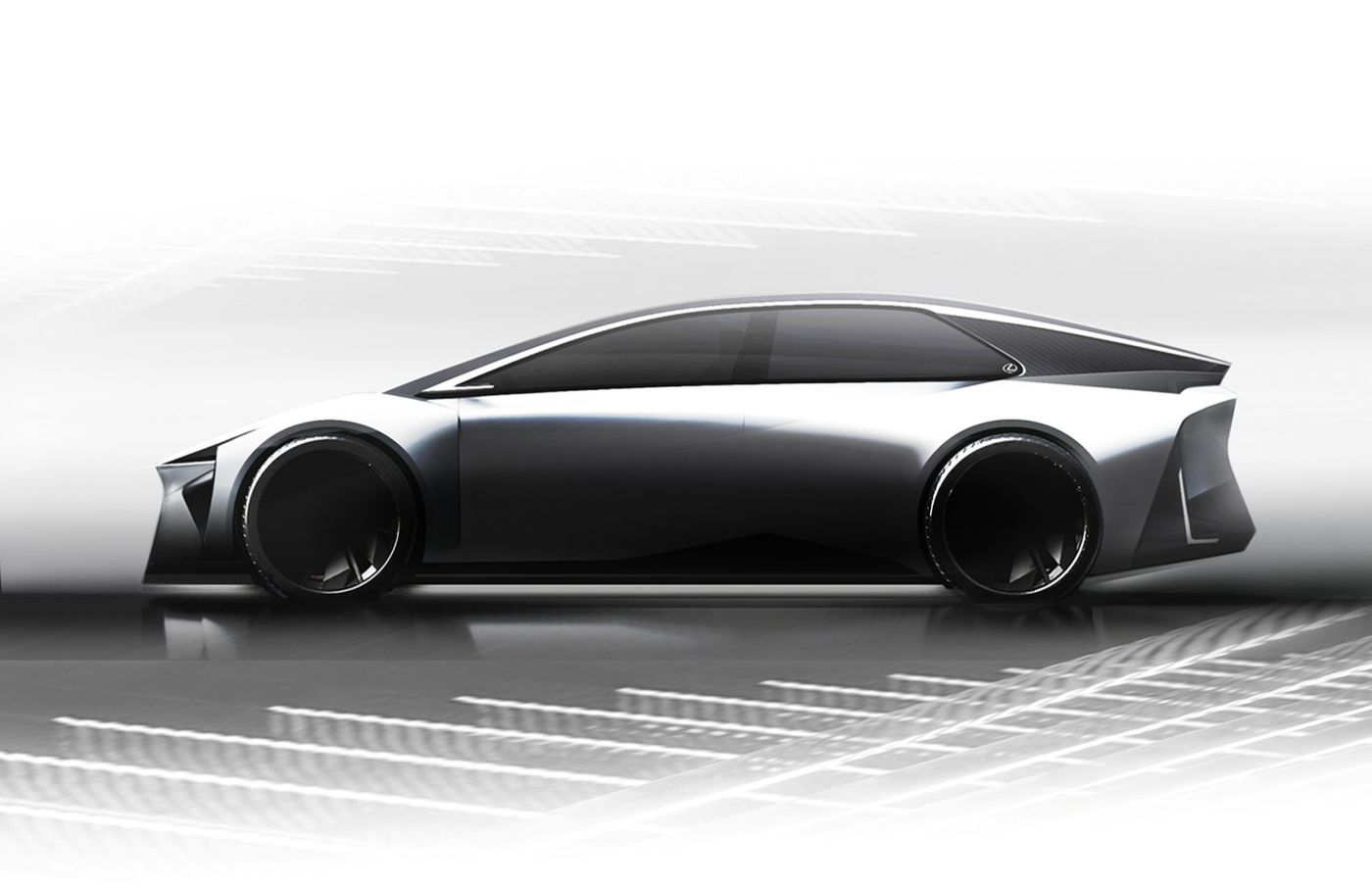
Toyota bZ4X Review: Toyota's First EV Has Arrived Years Late. Was It Worth the Wait?
The 2026 Toyota bZ4X finally arrives after years of delays. We review whether Toyota's first dedicated electric SUV is worth the wait or too little, too late.
The Toyota bZ4X is one of the most anticipated — and most delayed — electric vehicles in recent memory. Toyota has been talking about its first dedicated electric vehicle for years, and after multiple delays, the bZ4X is finally here. We spent a week driving the 2026 model to see if Toyota’s cautious approach to EVs has produced a better product, or one that arrived too late to matter.
The Wait
Toyota first previewed the bZ4X at the 2021 Shanghai Auto Show, promising a 2022 launch. That launch slipped multiple times, with Toyota publicly acknowledging that EV development was more complex than expected. The 2026 model year bZ4X represents a significant update from the 2023-2024 models — with improved battery chemistry, better thermal management, and a redesigned front-end that addresses some of the earlier model’s aesthetic criticism.
The Drive
The bZ4X Limited AWD uses a dual-motor setup (one per axle) producing a combined 337 hp. It’s quick — 0-60 in 4.9 seconds — but the power delivery is more muted than the acceleration numbers suggest. Toyota tuned the bZ4X for efficiency rather than sport, and it shows.
The ride quality is excellent. The bZ4X has the same comfortable, compliant character as the RAV4 — the comparison vehicle that most buyers will cross-shop it against. The steering is light and precise, and the interior is well-designed if not exciting.
Range and Charging
The bZ4X XLE FWD delivers an EPA-estimated 252 miles of range — the best in the segment for front-wheel-drive vehicles. The AWD models are rated at 222 miles due to the additional motor and weight. In real-world testing, we observed approximately 230 miles from the FWD model in mixed driving.
The bZ4X uses an 800V architecture (shared with Subaru Solterra), enabling DC fast charging at up to 150 kW. A 10-80 percent charge takes approximately 30 minutes on compatible chargers.
The $43,000 Question
The bZ4X starts at $43,000 before destination charges. At that price, it undercuts the Tesla Model Y by approximately $2,000 while offering comparable range and similar performance. It is eligible for the federal EV tax credit, bringing the effective price to approximately $35,500.
The main competitor is the Toyota RAV4 Hybrid — which starts at $34,000 and gets 41 MPG. For buyers who want a Toyota but aren’t ready to go fully electric, the RAV4 Hybrid remains the obvious choice.
For more on Toyota’s EV plans, see our Toyota hybrid success analysis.