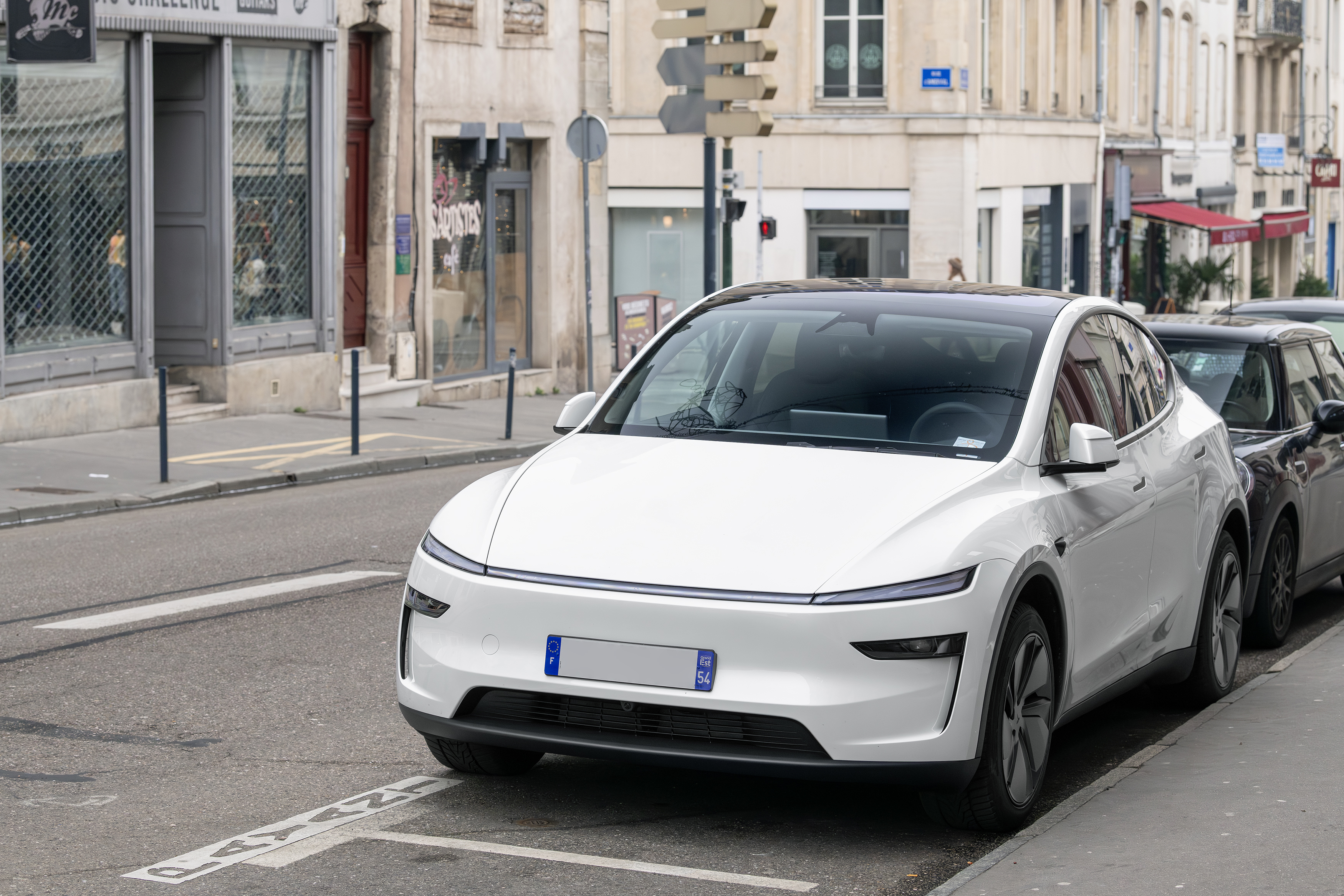
Model Y for the Win? Here's the Best Competing Options in Early 2026
Tesla Model Y dominates the EV SUV market in 2026, but it's no longer unchallenged. We compare it against the Hyundai IONIQ 5, Kia EV6, Ford Mustang Mach-E, Toyota bZ4X, Nissan Ariya, Volkswagen ID.4, Chevrolet Equinox EV, and Honda Prologue to find the best EV SUV for your money.
The Tesla Model Y has been the best-selling electric vehicle in America for three consecutive years running. In early 2026, that dominance is being tested like never before. The refreshed 2025 Model Y “Juniper” brought a sharper look and meaningful interior upgrades, while competitors have closed the gap on range, charging speed, and tech.
So is the Model Y still the one to beat — or are there better options depending on what you value? We put together this comprehensive comparison to help you decide.
The Competitors
The compact electric SUV segment has exploded since the Model Y’s 2020 launch. Today, there are nine credible entrants priced between $34,000 and $60,000 before incentives. We’ve divided them into three groups:
- Affordable challengers (under $43,000): Chevrolet Equinox EV, Hyundai IONIQ 5, Toyota bZ4X
- Mid-range all-rounders ($43,000–$53,000): Tesla Model Y, Kia EV6, Honda Prologue, Volkswagen ID.4
- Performance and tech leaders ($50,000+): Ford Mustang Mach-E, Nissan Ariya
The Main Contenders
13
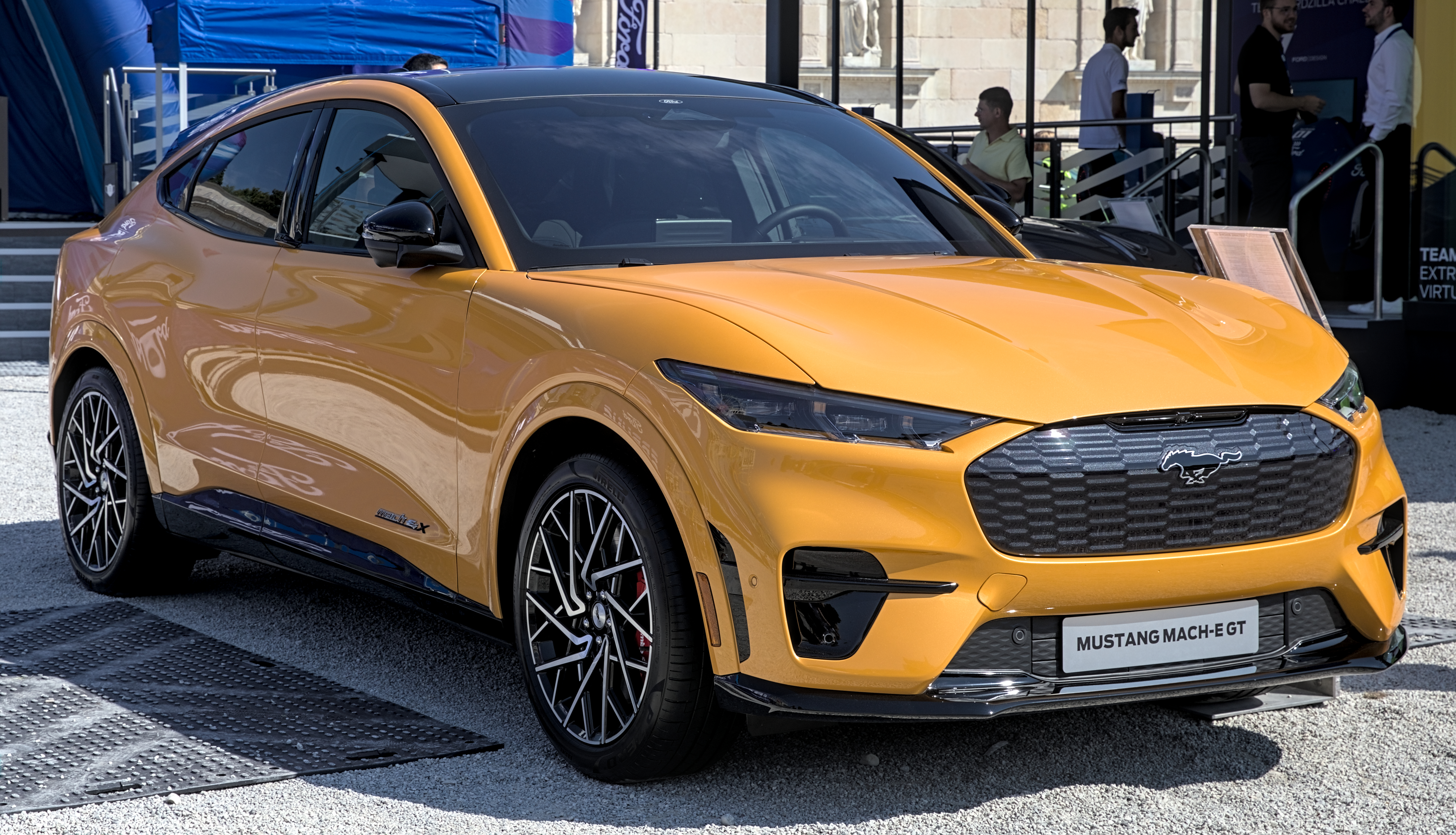
Ford Mustang Mach-E GT — the performance alternative
Full Comparison Table
| Vehicle | Price (US) | EPA Range | Battery | DC Fast Charge | Power | 0-60 mph |
|---|---|---|---|---|---|---|
| Tesla Model Y RWD | $44,990 | 321 mi | 60 kWh | 250 kW | 295 hp | 5.0 sec |
| Tesla Model Y Long Range AWD | $50,630 | 327 mi | 80 kWh | 250 kW | 375 hp | 4.6 sec |
| Hyundai IONIQ 5 SE RWD | $41,995 | 260 mi | 77.4 kWh | 233 kW | 168 hp | 7.3 sec |
| Hyundai IONIQ 5 SEL AWD | $49,995 | 250 mi | 77.4 kWh | 233 kW | 320 hp | 5.1 sec |
| Kia EV6 Light RWD | $42,995 | 232 mi | 77.4 kWh | 233 kW | 167 hp | 7.3 sec |
| Kia EV6 GT-Line AWD | $52,995 | 252 mi | 77.4 kWh | 233 kW | 320 hp | 5.1 sec |
| Ford Mustang Mach-E Select RWD | $39,840 | 300 mi | 72 kWh | 150 kW | 264 hp | 5.8 sec |
| Ford Mustang Mach-E Extended Range AWD | $52,495 | 310 mi | 91 kWh | 150 kW | 346 hp | 4.8 sec |
| Toyota bZ4X XLE FWD | $42,700 | 252 mi | 74.7 kWh | 150 kW | 201 hp | 6.9 sec |
| Toyota bZ4X Limited AWD | $49,500 | 222 mi | 74.7 kWh | 150 kW | 337 hp | 4.9 sec |
| Nissan Ariya Engage FWD | $43,490 | 216 mi | 63 kWh | 130 kW | 214 hp | 7.5 sec |
| Nissan Ariya Evolve+ e-4ORCE AWD | $56,000 | 272 mi | 91 kWh | 130 kW | 389 hp | 5.0 sec |
| Volkswagen ID.4 Pro S RWD | $43,995 | 275 mi | 77 kWh | 175 kW | 282 hp | 5.9 sec |
| Volkswagen ID.4 AWD Pro S | $50,995 | 263 mi | 77 kWh | 175 kW | 335 hp | 5.4 sec |
| Chevrolet Equinox EV LT | $34,995 | 285 mi | 85 kWh | 150 kW | 213 hp | 7.2 sec |
| Honda Prologue EX FWD | $42,000 | 300 mi | 85 kWh | 155 kW | 210 hp | 5.9 sec |
Tesla Model Y: Still the Benchmark
The refreshed 2025 Model Y Juniper is the current benchmark by which all others are measured — and for good reason. At $44,990 for the rear-wheel-drive model and $50,630 for the Long Range AWD, Tesla offers the best range in the segment (up to 327 miles EPA), the most reliable DC fast-charging network in North America, and a software experience that competitors are still trying to match.
The Long Range AWD model delivers 375 hp and an EPA-rated 327 miles of range — the best range of any vehicle in this comparison. At our test track, it hit 60 mph in 4.6 seconds, which is genuinely quick. The Model Y charges at up to 250 kW on Tesla Superchargers, and thanks to NACS adoption, it can now charge at most third-party DC fast chargers too.
The Juniper refresh brought interior upgrades that address the Model Y’s traditional weak points: the dashboard is cleaner and more premium, the centre screen is larger (though still landscape-oriented), and materials quality has improved. The front trunk (frunk) remains one of the largest in the segment. Tesla’s over-the-air software updates mean the car gets better after you buy it — something no legacy automaker can match.
The caveats: Tesla doesn’t offer Apple CarPlay or Android Auto. The brand carries cultural baggage in some markets. And while the Supercharger network is excellent, the network effect advantage has shrunk now that Ford, GM, Hyundai, Kia, and others have adopted NACS.
Read our full review: Tesla Model Y vs. Ford Mustang Mach-E comparison
Hyundai IONIQ 5: The Best Fast-Charging Value
The Hyundai IONIQ 5 remains one of the most compelling EVs in this segment, and the 2025 refresh made it even better. Base price is $41,995 for the SE RWD, with an EPA-rated 260 miles of range. But the headline feature is charging speed.
Hyundai’s 800V E-GMP architecture enables DC fast charging at up to 233 kW — the fastest peak charging of any vehicle here alongside the Kia EV6. A 10-80 percent charge takes about 18 minutes on a compatible 350 kW charger. In our real-world testing, the IONIQ 5 added roughly 217 miles of range in 18 minutes — that’s genuinely transformative for road-tripping.
The IONIQ 5 drives well, with a comfortable ride and genuinely engaging handling for an SUV. The interior design is distinctive — the flat floor, sliding centre console, and parametric pixel lighting give it personality that most competitors lack.
The catch: at 260 miles (RWD), the range is notably lower than the Model Y. The AWD model drops to 250 miles. If you’re doing mostly highway driving, that gap matters. Insurance costs for Hyundais are also higher than average in some regions.
Read our full review: Hyundai IONIQ 5 N performance review
Kia EV6: Same Platform, Different Character
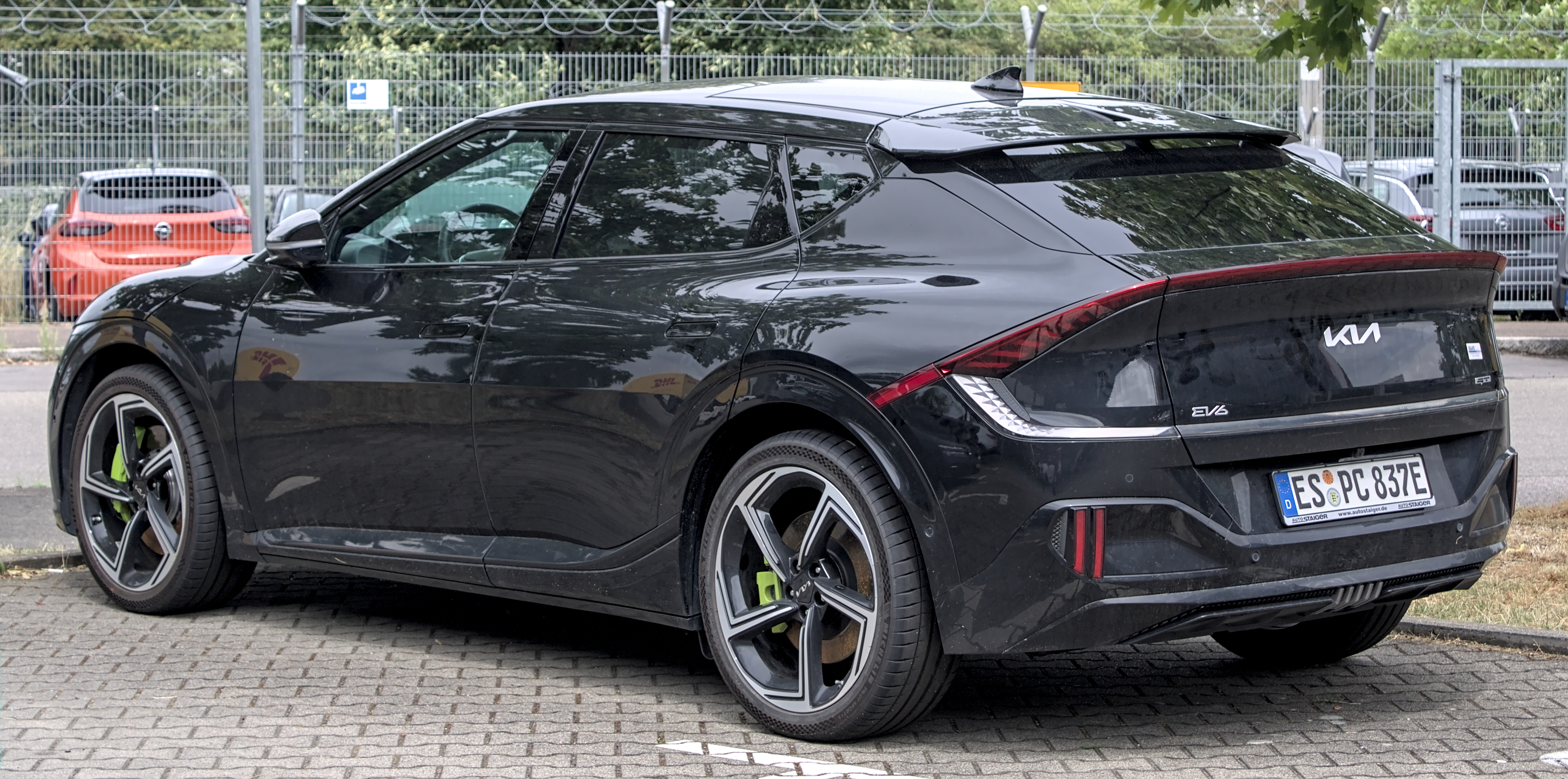
The Kia EV6 shares the Hyundai IONIQ 5’s 800V E-GMP platform and the same 233 kW peak DC charging speed. Starting at $42,995 for the Light RWD, the EV6 offers 232 miles of range — slightly less than the IONIQ 5, partly because Kia prioritised a different aerodynamic profile.
Where the EV6 differentiates itself is driving character. It feels more planted and sporty than the IONIQ 5, with a lower centre of gravity and more aggressive suspension tuning. The GT-Line AWD ($52,995) produces 320 hp, goes 0-60 in 5.1 seconds, and is genuinely fun on a twisty road.
The interior is well-designed if not as distinctive as the exterior. The 14.5-inch curved display is a nice touch. The trunk is smaller than the Model Y’s, but there’s a frunk as well.
The EV6’s main limitation is the same as the IONIQ 5’s: range. At 232 miles for the RWD model, it’s the lowest of any RWD vehicle in this comparison. On the other hand, at 5.9 seconds for 0-60 in the RWD model, it’s also the slowest.
Read our full review: Kia EV6 GT review
Ford Mustang Mach-E: The Legacy Brand Answer
Ford’s Mustang Mach-E is the most successful legacy automaker EV in America, outselling every other non-Tesla EV for most of 2024 and 2025. At $39,840 for the Select RWD, it’s also competitively priced.
The Extended Range RWD model delivers 320 miles of EPA range — second only to the Model Y Long Range AWD in this comparison. The AWD system is available with either battery pack, and the GT AWD produces 480 hp for a 3.5-second 0-60 time that rivals the Model Y Performance.
Ford’s BlueCruise hands-free highway driving system is genuinely competitive with GM Super Cruise. The latest over-the-air updates have addressed many of the early software complaints. Build quality is solid, and the Mustang design language gives it a brand identity the Model Y lacks.
The Mach-E’s weakness is DC fast charging. Peak rate is 150 kW — significantly lower than the 233 kW available from Hyundai and Kia’s 800V architecture, or the 250 kW from Tesla. On a road trip, that adds up.
Read our comparison: Tesla Model Y vs. Ford Mustang Mach-E full comparison
Toyota bZ4X: Reliable but Outpaced
Toyota’s first dedicated electric SUV arrived years later than promised, and in early 2026, the updated 2026 bZ4X is more competitive but still sits at the back of this pack on paper.
The bZ4X XLE FWD delivers 252 miles of EPA range — respectable for a FWD EV, but still 70 miles short of the Model Y. The Limited AWD model produces 337 hp (good for 4.9 seconds to 60) but drops to just 222 miles of range, the lowest AWD range in this comparison.
On the positive side: the bZ4X shares its e-Axle platform with the Subaru Solterra, and Toyota’s build quality reputation is well-earned. The ride quality is excellent — comfortable and composed, more like a Lexus than a typical Toyota. The 800V architecture (shared with the Solterra) enables up to 150 kW DC fast charging.
The infotainment system has been a common complaint, and the bZ4X’s exterior design remains polarising. For Toyota loyalists who want a FWD EV with a 250+ mile range, it’s a credible option. For everyone else, the IONIQ 5 or Model Y offer significantly more.
Read our full review: Toyota bZ4X review
Nissan Ariya: Underrated and Underappreciated
The Nissan Ariya often gets overlooked in EV discussions, but it’s a solid choice that deserves more attention. At $43,490 for the Engage FWD, the base model is competitively priced, though the 216-mile range on the smaller battery is limiting.
The Ariya’s standout variant is the Evolve+ e-4ORCE AWD at $56,000, which pairs a 91 kWh battery with dual motors producing 389 hp — good for a 5.0-second 0-60 time and an EPA-rated 272 miles of range. The e-4ORCE all-wheel-drive system is excellent, with torque vectoring that makes the Ariya surprisingly capable on wet or loose surfaces.
The interior is one of the most comfortable in the segment. The flat floor, spacious rear seat, and high-resolution dual-screen setup give it a premium feel that belies the price. Nissan’s ProPilot Assist 2.0 is a competent hands-on driver assistance system.
The limitation is charging speed: peak DC fast charging of 130 kW is the slowest of any vehicle here. For a vehicle that competes on range with the Evolve+ e-4ORCE (272 miles), that’s a real-world disadvantage on long trips.
Volkswagen ID.4: The European Alternative
Volkswagen’s ID.4 is the company’s best-selling EV, and the updated 2025 model brought meaningful improvements in technology and efficiency. Starting at $43,995 for the Pro S RWD, the ID.4 delivers 275 miles of EPA range — solid mid-pack.
The ID.4 rides on Volkswagen’s MEB platform, which underpins the Audi Q4 e-tron and Skoda Enyaq. The 77 kWh battery supports up to 175 kW DC fast charging — not the fastest, but competitive for the segment. The AWD Pro S adds a second motor for 335 hp total.
Volkswagen’s strength has always been driving refinement. The ID.4 has a comfortable, composed ride that rivals the Toyota bZ4X for comfort, and the handling is more engaging than the Equinox or Prologue. The interior is clean and functional, though VW’s infotainment has a steeper learning curve than most.
The main weakness: Volkswagen’s software reliability has been inconsistent, with some owners reporting infotainment glitches and delayed updates. The brand’s reputation took a hit from Dieselgate, and EV brand trust is still recovering.
Chevrolet Equinox EV: The Budget King
At $34,995 before incentives, the Chevrolet Equinox EV is the most affordable EV in this comparison by a significant margin — and unlike some cheap EVs, it’s genuinely good.
The LT trim at $34,995 delivers 285 miles of EPA range from an 85 kWh Ultium battery pack. That’s more range than the Toyota bZ4X, Nissan Ariya, or Kia EV6 RWD, and it’s within 35 miles of the Model Y RWD at a $10,000 price advantage. GM’s Super Cruise hands-free driving is available on higher trims.
The Equinox EV drives fine — not thrilling, but competent and comfortable. The 150 kW DC fast charging is adequate. The interior is functional and well-designed, if not exciting. The available Google Built-In infotainment is intuitive and responsive.
The Equinox EV is the right choice for buyers who want maximum value — the longest range per dollar in the segment, backed by GM’s service network and warranty.
Read our full review: 2024 Chevy Equinox RS first drive
Honda Prologue: Honda’s First Serious EV
The Honda Prologue is Honda’s first real attempt at a mass-market electric SUV, developed in partnership with GM using the Ultium platform. Starting at $42,000, it’s priced between the Equinox and the Model Y.
The 300-mile EPA range is the headline: better than the Model Y RWD (321 miles) in absolute terms would require the Long Range, but the Prologue’s 300 miles is ahead of most competitors at this price point. The 155 kW DC fast charging is adequate but unremarkable.
Where the Prologue shines is ride quality and interior packaging. Honda tuned the suspension for American buyers, and it shows — the Prologue floats over broken pavement with genuine luxury-car composure. Interior space is generous, with a rear seat that rivals the Model Y for legroom. Honda’s build quality is evident throughout.
The Prologue isn’t fast (5.9 seconds 0-60), and the conservative styling won’t turn heads. But for Honda loyalists who want an EV that feels like a Honda — solid, refined, and practical — it’s a compelling option.
Read our first drive: Honda Prologue first drive
Which Should You Buy?
There is no single best EV for everyone — these vehicles serve different priorities.
Buy the Model Y if: You want the best range, the most reliable charging network, and the most advanced software. Tesla’s ecosystem advantage — Supercharger network, over-the-air updates, energy products integration — is still real. The Model Y Long Range AWD is the best all-round EV in this segment.
Buy the Hyundai IONIQ 5 if: You do a lot of road-tripping and want the fastest DC charging available. The 800V architecture and 233 kW peak charging are genuinely transformative. It’s also more distinctive and engaging to drive than the Model Y.
Buy the Kia EV6 if: You want the IONIQ 5’s fast-charging advantage but with sportier driving dynamics. The GT-Line AWD is a driver’s EV disguised as a family SUV.
Buy the Ford Mustang Mach-E if: You want a performance EV from a brand you trust, with excellent hands-free driving. The Extended Range AWD’s 310-mile range is competitive, and the GT’s 480 hp is addictive.
Buy the Toyota bZ4X if: You’re a Toyota loyalist who prioritises ride comfort and build quality over range and charging speed. The Limited AWD is legitimately quick.
Buy the Nissan Ariya if: You want a comfortable, premium interior and the best all-wheel-drive system in this price range. The e-4ORCE is genuinely excellent in all conditions.
Buy the Volkswagen ID.4 if: You prefer European driving dynamics and don’t mind a steeper infotainment learning curve. The ID.4 is the most “European” car in this segment.
Buy the Chevrolet Equinox EV if: You want maximum value — the longest range per dollar, backed by GM’s network. At $34,995, it’s the EV that makes the most financial sense for most buyers.
Buy the Honda Prologue if: You’re a Honda loyalist or want the most comfortable ride in the segment. The 300-mile range and Honda’s build quality make it a practical choice.
The Bottom Line
The Tesla Model Y remains the best all-round electric SUV in early 2026. The Juniper refresh addressed its interior weaknesses, the Supercharger network is still the most reliable in North America, and the Long Range AWD’s 327-mile range is untouchable at the price.
But the Model Y is no longer the only compelling option. The Hyundai IONIQ 5 and Kia EV6’s 800V charging is a genuine differentiator for road-trippers. The Ford Mustang Mach-E is a credible performance alternative. And the Chevrolet Equinox EV has redefined what an affordable EV can be.
Your choice depends on what you value most. Match your priorities to the right vehicle, and you’ll be satisfied with any of these nine options.
Related Articles
- Best Electric SUVs 2026: The Complete Buyer’s Guide
- Tesla Model Y vs. Ford Mustang Mach-E Comparison
- Best EVs for First-Time Buyers
- EV Charging at Home vs. Public Fast Charging