
Ford Fathom vs Maverick Hybrid: Should You Wait for the EV Truck?
Ford's Fathom EV pickup costs just $205 more than a Maverick Hybrid in the US. Here is who should wait for the EV and who should buy the proven hybrid.
Ford has priced its future electric pickup directly against one of its own best ideas.
The Ford Fathom will start at US$28,350 before destination charges. The 2026 Ford Maverick XL Hybrid starts at US$28,145. That is only a $205 difference on the US sticker before fees, making this less of an EV-versus-expensive-truck comparison and more of a decision between two different kinds of affordable Ford pickup.
The catch is timing and certainty. The Maverick is available now with published fuel economy, payload and towing ratings. Fathom preorders do not open until early 2027, deliveries are planned for fall 2027, and Ford has not released its range, battery capacity, charging speed, payload or towing capacity.
Quick Verdict
Buy the Maverick Hybrid if you need a small truck in the next year, regularly travel beyond convenient charging coverage, tow up to 4,000 pounds when properly equipped, or want a price and capability sheet you can evaluate today.
Wait for the Fathom if you can comfortably delay a purchase until late 2027, expect to charge at home, want electric running costs and value a five-seat cabin, front trunk and bidirectional power more than currently proven truck ratings.
For most buyers who need a vehicle soon, the Maverick is the rational choice. For commuters and light-duty truck users who are in no rush, the Fathom is worth waiting to evaluate, not worth ordering blindly. Ford still has to disclose the numbers that turn its headline price into a complete vehicle.
| Category | Ford Fathom | 2026 Maverick XL Hybrid |
|---|---|---|
| Starting MSRP | US$28,350, standard-range battery | US$28,145 |
| Availability | Preorders planned for early 2027; deliveries targeted for fall 2027 | Available now |
| Energy source | Battery electric | 2.5-litre full hybrid; gasoline required |
| Efficiency or range | Battery size and EPA range not announced | 42 mpg city, 35 highway and 38 combined with FWD |
| Drivetrain | Not announced | FWD standard; AWD available |
| Towing | Not announced | 2,000 lb standard; up to 4,000 lb with AWD and 4K Tow Package |
| Payload | Not announced | Up to 1,500 lb with FWD; 1,400 lb with hybrid AWD |
| Cabin and utility | Five seats, front trunk and pickup bed; dimensions not announced | Five seats and 4.5-ft bed with 33.3 cu-ft of volume |
| Best fit | Patient buyer with home charging and mostly predictable daily use | Buyer who needs a proven, flexible small truck now |
Ford Fathom development and Maverick Hybrid gallery
13
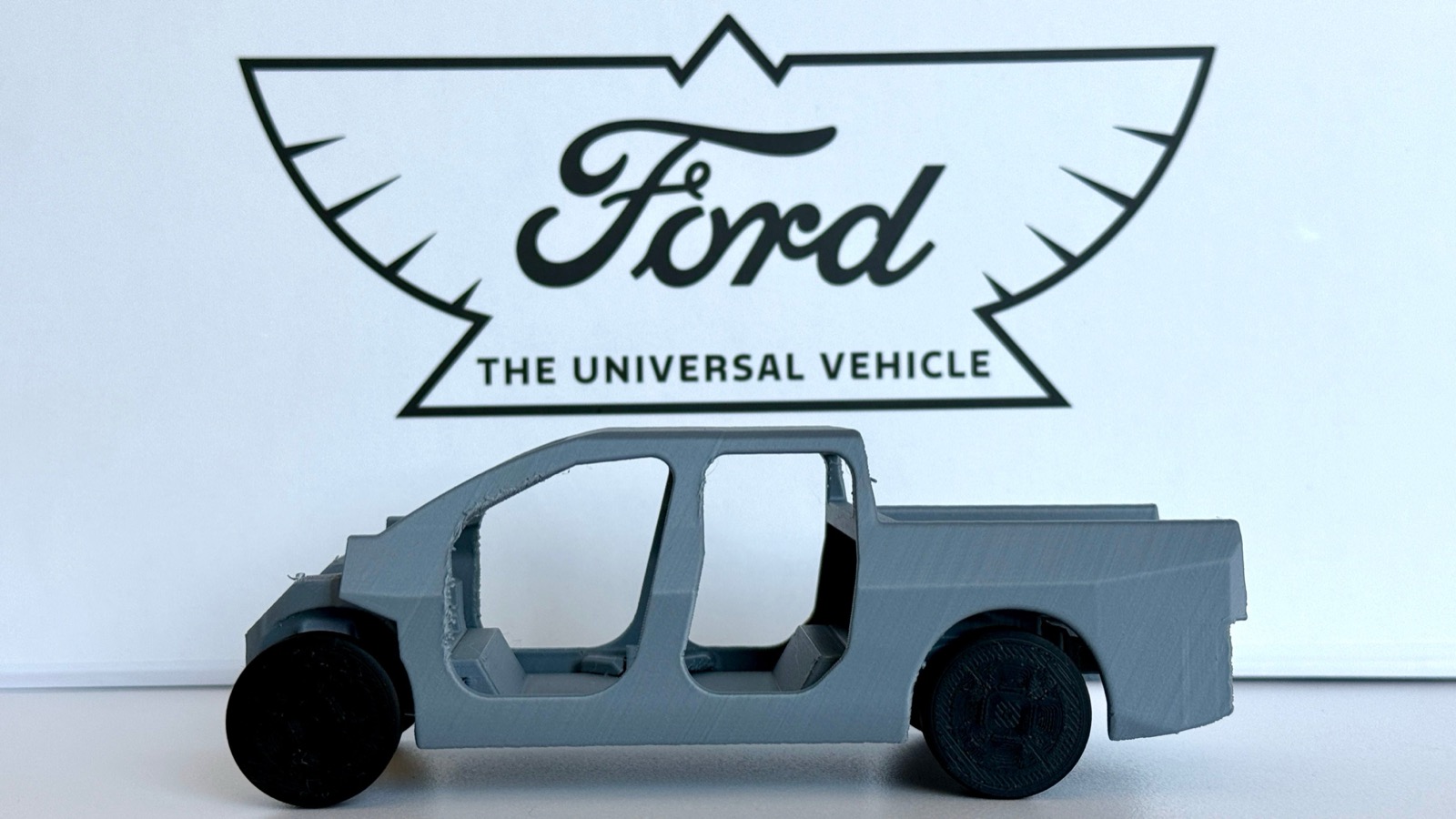
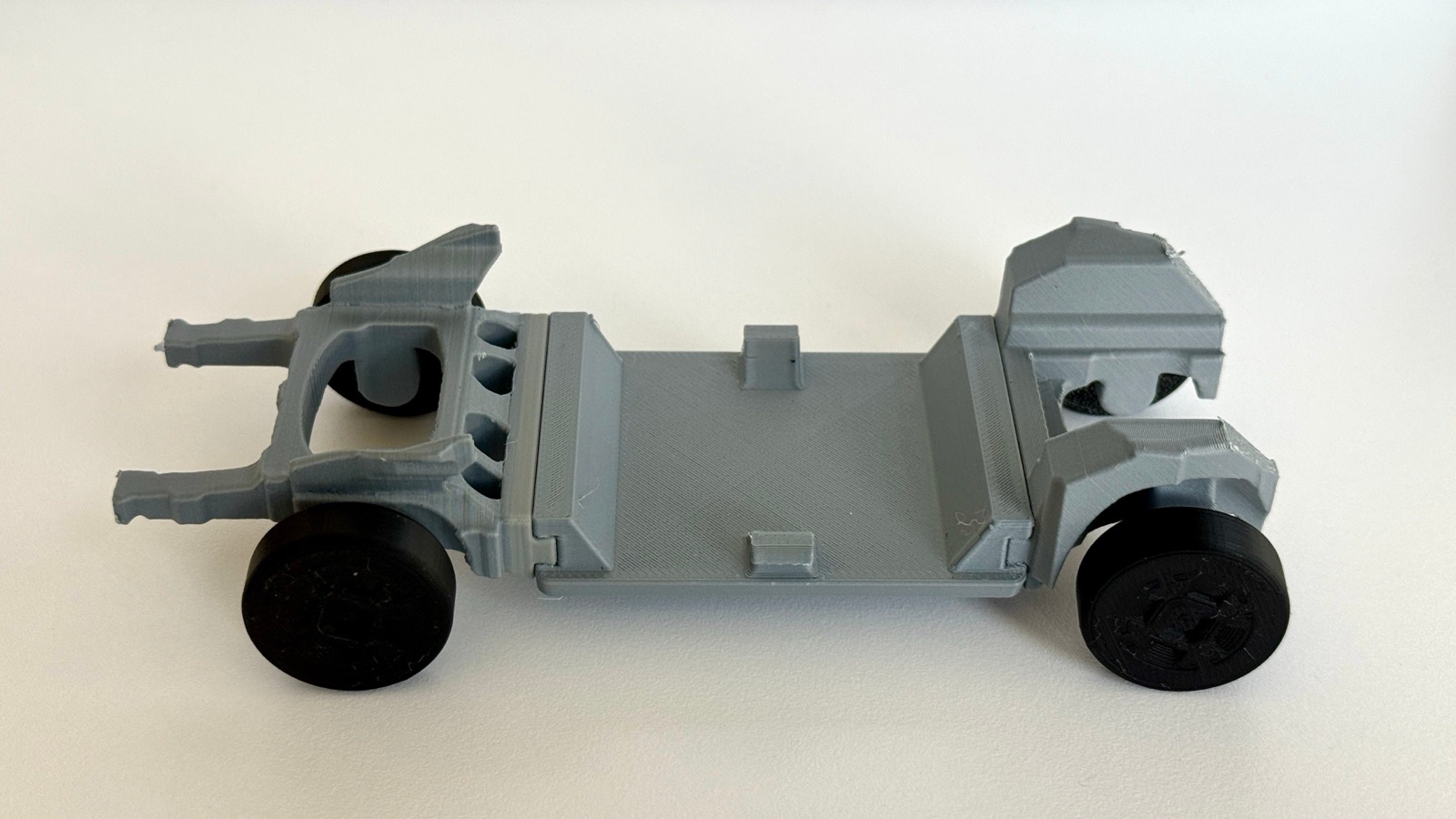
The 2026 Maverick XL Hybrid is the known quantity: five seats, 42-mpg city fuel economy and a US$28,145 starting MSRP.
The Headline Prices Are Almost Identical
Ford has announced a US$28,350 MSRP for the standard-range Fathom. Ford lists the 2026 Maverick XL at US$28,145 with the 2.5-litre hybrid powertrain standard.
That $205 gap is startling, but it needs context. The Fathom figure is an announced starting price for a vehicle still more than a year from planned deliveries. Ford has not opened a configurator or shown how many trucks it expects to build at the base price. The Maverick figure belongs to a current production vehicle, although dealer inventory and transaction prices can still vary.
Destination charges also matter. Ford says the Fathom will carry a US$1,595 destination charge. Buyers should compare complete build sheets once Fathom orders open rather than assuming the two trucks will remain $205 apart at the bottom of a dealer quote.
The Canadian comparison is even less settled. Ford Canada lists the 2026 Maverick XL from C$38,195, while Fathom pricing and availability have not been announced for Canada. A currency conversion cannot predict Canadian equipment, freight or market positioning, so the US$28,350 figure is a signal of intent rather than a Canadian price estimate.
The Maverick Wins Every Known Capability Comparison
This is not because the Maverick is certain to be the more capable truck. It is because Ford has not released the Fathom’s working numbers.
The Maverick Hybrid can tow 2,000 pounds in its standard configuration. With AWD and the available 4K Tow Package, Ford rates it to tow up to 4,000 pounds. Maximum payload is 1,500 pounds with hybrid FWD or 1,400 pounds with hybrid AWD. Its bed is 4.5 feet long and provides 33.3 cubic feet of cargo volume.
For the Fathom, towing, payload and bed dimensions are all unknown. So are ground clearance, curb weight and whether the base truck uses one or two motors. Calling it a Maverick replacement would be premature even though the prices overlap.
Anyone buying for a specific trailer, job or payload should choose from published ratings, not from the promise that an electric truck will eventually be useful. The Maverick owns that advantage until Ford releases a complete Fathom specification sheet.
The Fathom Could Be the Better Daily Vehicle
The Fathom’s case starts where the Maverick’s engine does.
An electric pickup should be quieter in urban driving, require no gasoline and avoid oil changes. Home charging can also turn a routine commute into a simple plug-in habit. Those advantages are meaningful for a buyer who uses a truck as a daily five-seat vehicle with occasional bed duty rather than as a long-distance tow rig.
Ford is also promising more standard technology than the low price suggests. The Fathom is expected to include a large centre screen, wireless Apple CarPlay and Android Auto, digital-key support, hardware for BlueCruise hands-free highway driving and bidirectional power. It will have a front trunk in addition to its bed and more passenger volume than a Toyota RAV4, according to details reported after Ford briefings.
Bidirectional power is especially interesting in a truck. It means the battery can send energy back out instead of only accepting a charge. Ford has not detailed the Fathom’s output or accessories, but the feature could support tools, campsite equipment or backup-power functions depending on the final system.
The Maverick XL is not primitive. It includes a 13.2-inch centre display and wireless smartphone integration. Its advantage is familiarity and flexibility; the Fathom’s advantage could be a more modern energy and electrical system at essentially the same base price.
Range Is the Number That Could Change the Verdict
Ford’s use of the phrase standard-range battery confirms that the US$28,350 Fathom will not have the largest available pack. It does not tell buyers whether the base truck will cover 180 miles, 250 miles or something else.
That missing number matters more than almost any standard feature. An affordable electric pickup with enough range for commuting, errands and occasional regional trips could be excellent value. A base model with a narrow winter highway buffer could push many buyers toward a more expensive extended-range trim.
Charging speed is just as important. A modest battery can still work well if the truck charges quickly and holds a strong rate through most of a session. Ford has not announced the peak DC rate, 10-to-80-percent time or cold-weather charging strategy.
The Maverick Hybrid avoids that uncertainty. Its FWD version is EPA-rated at 42 mpg city, 35 mpg highway and 38 mpg combined, and refuelling takes place wherever gasoline is sold. It still burns fuel, but it asks for very little route planning.
Buyers without reliable overnight charging should be cautious about waiting for the Fathom solely because its MSRP looks attractive. Public charging can work, but the ownership advantage is clearest when the truck starts most mornings with the energy needed for the day.
Waiting Has a Real Cost
Ford plans to open Fathom preorders in early 2027 and begin deliveries in fall 2027. Production is scheduled for Louisville Assembly Plant using the company’s new Universal Electric Vehicle Platform.
That timeline means a buyer shopping in August 2026 could wait more than a year before the first customer trucks arrive. Early delivery does not guarantee immediate access to the lowest-priced trim, either. Production timing, order priority and regional allocation will matter.
The Maverick can begin saving fuel today compared with a conventional pickup, and its resale value, insurance costs and service needs are easier to estimate because the model has been in the market for several years. The Fathom may eventually cost less to power and maintain, but insurance, repairability, battery warranty details and used values are unknown.
Waiting makes sense when the current vehicle is reliable and paid for. It makes much less sense when an aging vehicle is generating repair bills or when a truck is needed for work now.
Who Should Buy the Maverick Hybrid?
Choose the Maverick Hybrid if any of these describe the job:
- You need a truck before late 2027.
- You tow regularly and need a published 2,000- or 4,000-pound rating.
- You travel long distances in areas with uneven charging coverage.
- You cannot charge reliably at home or work.
- You want known payload, bed and fuel-economy figures before placing an order.
- You live in Canada and need a price you can actually put on a purchase worksheet today.
The Maverick’s appeal has always been that it behaves like a normal, efficient compact pickup. Fathom does not make that formula obsolete; it creates a future alternative for buyers whose routines suit an EV.
Who Should Wait for the Fathom?
Wait to evaluate the Fathom if this sounds more like your use case:
- Your current vehicle can comfortably last another 18 months.
- Most trips are predictable and return to the same overnight parking spot.
- You have or can install home charging.
- You want a quiet five-seat electric daily driver with a bed and front trunk.
- Bidirectional power and modern cabin technology matter more than a proven maximum tow rating.
- You are willing to walk away if the base truck’s range or availability disappoints.
That final point is important. Waiting to evaluate the Fathom is sensible. Deciding today that it will be the right truck is not. Ford has revealed enough to earn attention, but not enough to complete a buyer comparison.
Bottom Line
The 2026 Maverick XL Hybrid is the safer buy because it is real, efficient and fully specified. Its US$28,145 starting price, 42-mpg city rating and useful payload make it difficult to beat for someone who needs an affordable truck now.
The Ford Fathom is the more intriguing proposition. If Ford delivers a practical base range, useful payload and credible fast charging at US$28,350, it could offer electric ownership without the usual EV-truck price premium.
For now, buy the Maverick for certainty. Wait for the Fathom only if waiting is easy—and keep the decision open until Ford publishes the range, charging and capability numbers.
FAQ
Is the Ford Fathom cheaper than the Maverick Hybrid?
No. The Fathom starts at US$28,350, while the 2026 Maverick XL Hybrid starts at US$28,145. The $205 difference excludes destination charges, taxes and options.
Should I wait for the Ford Fathom?
Wait if you can delay a purchase until late 2027, can charge at home and want a five-seat electric pickup near Maverick pricing. Buy the Maverick Hybrid now if you need known towing, payload, fuel economy and availability.
What is the Ford Fathom’s range?
Ford has not announced the Fathom’s battery capacity, EPA range or charging speed. The US$28,350 price applies to a standard-range battery.
Will the Ford Fathom be sold in Canada?
Ford has not announced Canadian pricing or availability. The 2026 Maverick XL starts at C$38,195, but the Fathom’s US price should not be converted into an assumed Canadian MSRP.