Ford vs Slate: Which Cheap EV Truck Strategy Looks Smarter?
Ford and Slate are chasing affordable electric pickups from opposite directions. One is a scaled automaker bet; the other is a stripped-back startup play.
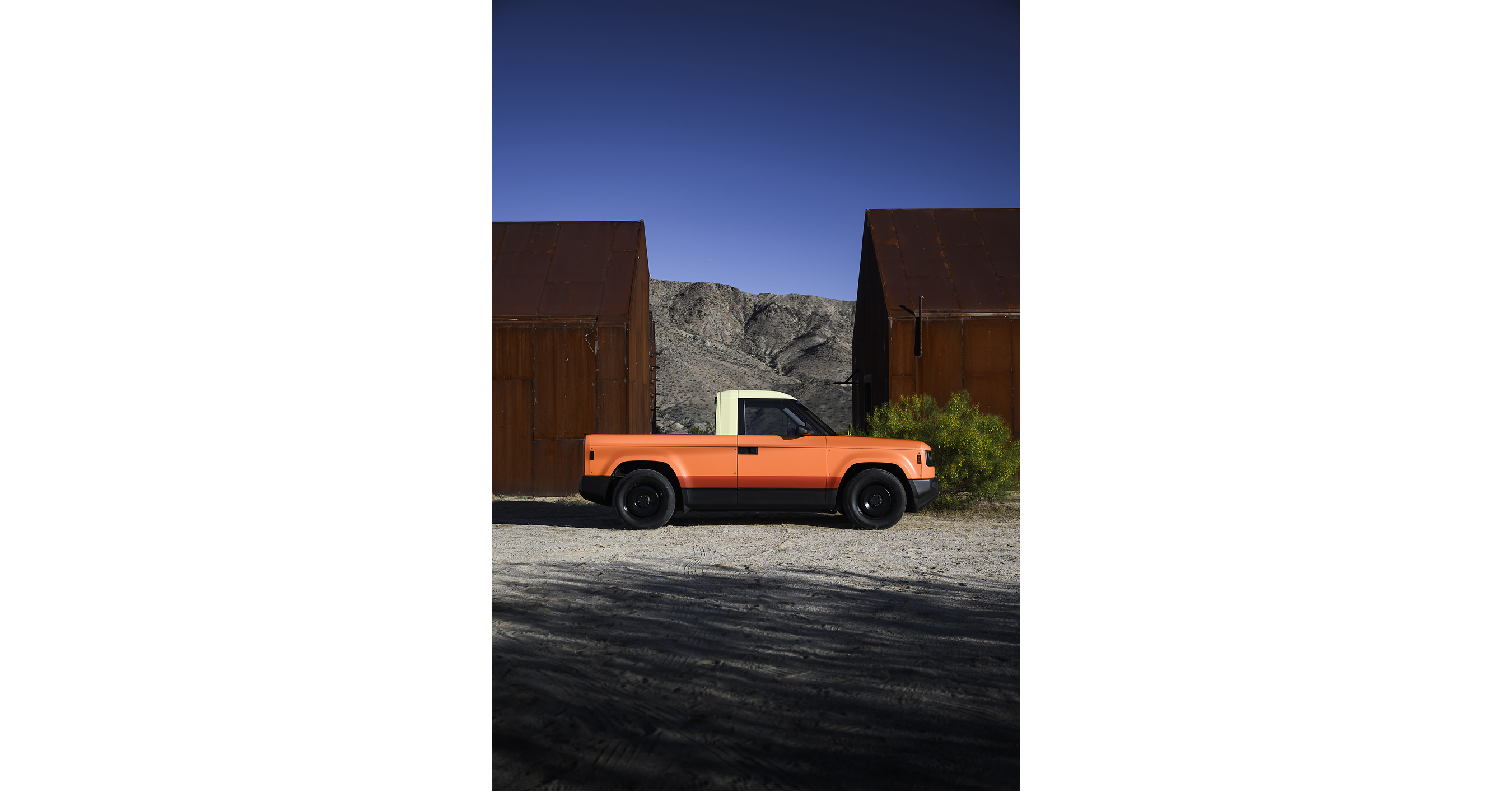
Photo: Slate
Ford’s roughly $30,000/2027 plan and Slate’s launch-era battery/range/payload figures are manufacturer targets, not independently tested final ratings. June pricing and late-2026 delivery references below describe plans at the time; check current manufacturer terms before reserving. Refundable reservations are not sales.
Ford and Slate are suddenly chasing the same emotional target: the buyer who likes the idea of an electric truck, but not the idea of paying luxury-SUV money for one.
The funny part is that their answers could hardly be more different. Ford is trying to make a mainstream $30,000-ish midsize electric pickup work through engineering scale, a new Universal EV platform, and a manufacturing reset. Slate is trying to make affordability work by deleting complexity: one basic two-seat pickup, crank windows, bring-your-own screen, accessories after delivery, and a promised mid-$20,000s starting point.
That makes this one of the more interesting EV comparisons of 2026, even before either truck reaches customers. It is not just Ford versus Slate. It is the old auto industry asking whether it can relearn low-cost product discipline, against a startup asking whether buyers will accept a deeply simplified vehicle if the price is finally honest.
The Cheap EV Truck Snapshot
| Model | Current plan | Price target | Range / battery story | Why it matters |
|---|---|---|---|---|
| Ford affordable EV pickup | Midsize electric pickup on Ford's Universal EV platform, expected to arrive in 2027 | About $30,000 target | Final range, pack size, and charging specs not released; Ford is emphasizing efficiency and a smaller-cost battery strategy | A mainstream truck brand trying to build an affordable EV at real scale |
| Slate Truck | Two-seat electric pickup, with accessory kits including SUV-style conversion | Mid-$20,000s MSRP target; final price due in June 2026 | 150-mile target with 52.7-kWh pack or 240-mile target with 84.3-kWh accessory pack | A startup betting that radical simplicity can bring new-vehicle pricing back down |
The headline price gap may not end up being huge, especially after destination charges, accessories, financing, and final production pricing. But the philosophy gap is enormous.
Ford wants to give buyers something that still feels like a normal truck. Slate wants buyers to ask whether they really need a normal truck in the first place.
Ford’s Advantage Is Scale, Not Mystery
Ford has the easier trust story. It builds trucks for a living. It has dealers, suppliers, crash-test experience, service coverage, financing, fleet relationships, and decades of buyer muscle memory behind the blue oval.
That matters because affordable vehicles are hard in boring ways. It is not enough to build one convincing prototype. You have to build thousands of them, repair them, update them, insure them, and make sure the owner in a snowy state or small town can get parts without feeling like an early beta tester.
The new reporting from Car and Driver and The Verge makes Ford’s approach sound more tangible than it did a few months ago. Journalists saw Ford’s Long Beach EV development center, Universal EV platform hardware, and even a brief camouflaged midsize pickup mule. Ford still has not revealed the final design, battery size, range, charging speed, or real MSRP, but the project is clearly more than a vague affordability promise.
The key is efficiency. A cheap electric truck cannot just copy the F-150 Lightning formula with a smaller sticker. Big batteries are expensive, heavy, and hard to make profitable at low prices. Ford’s Universal EV work is about reducing parts, simplifying wiring, using large castings, and designing the vehicle around a battery that does not have to be enormous to deliver useful range.
If Ford pulls that off, it has the stronger everyday ownership case. A $30,000 electric pickup from Ford would not need to be quirky to matter. It would just need to be useful, durable, and priced like a real alternative to a Maverick, used Ranger, or basic work crossover.
Slate’s Advantage Is Clarity
Slate does not have Ford’s industrial safety net, but it has something Ford still lacks: a very clear product idea.
The Slate Truck announcement laid out a small electric pickup with a 52.7-kWh standard battery, 150-kW rear motor, 150-mile range target, 1,400-lb payload, and a towing target that must be checked against the final certified vehicle. Buyers who need more range are supposed to be able to choose an 84.3-kWh accessory battery targeting 240 miles. Slate also says the truck uses a NACS port and can DC fast-charge to 80 percent in under 30 minutes at up to 120 kW.
More importantly, Slate is not pretending to be a full-size truck replacement. It is a smaller, simpler thing: two seats, a five-foot bed, a frunk, manual-style simplicity, and a huge accessory strategy. A later SUV kit can turn it into a five-seat vehicle, but the base idea is almost aggressively honest.
That honesty is why Slate is compelling. If you want the cheapest new EV truck experience, deleting features is more believable than promising luxury, range, towing, speed, and low cost all at once.
Slate’s latest business update also makes it feel less vaporous than many EV startups. In April, the company said it closed a $650 million Series C round, had taken more than 160,000 reservations, and planned customer deliveries in late 2026, with preorders beginning in June. Those are still promises, not proof. But they are meaningful milestones.
Cheap EV pickup comparison: Ford development work and Slate's minimalist truck
11
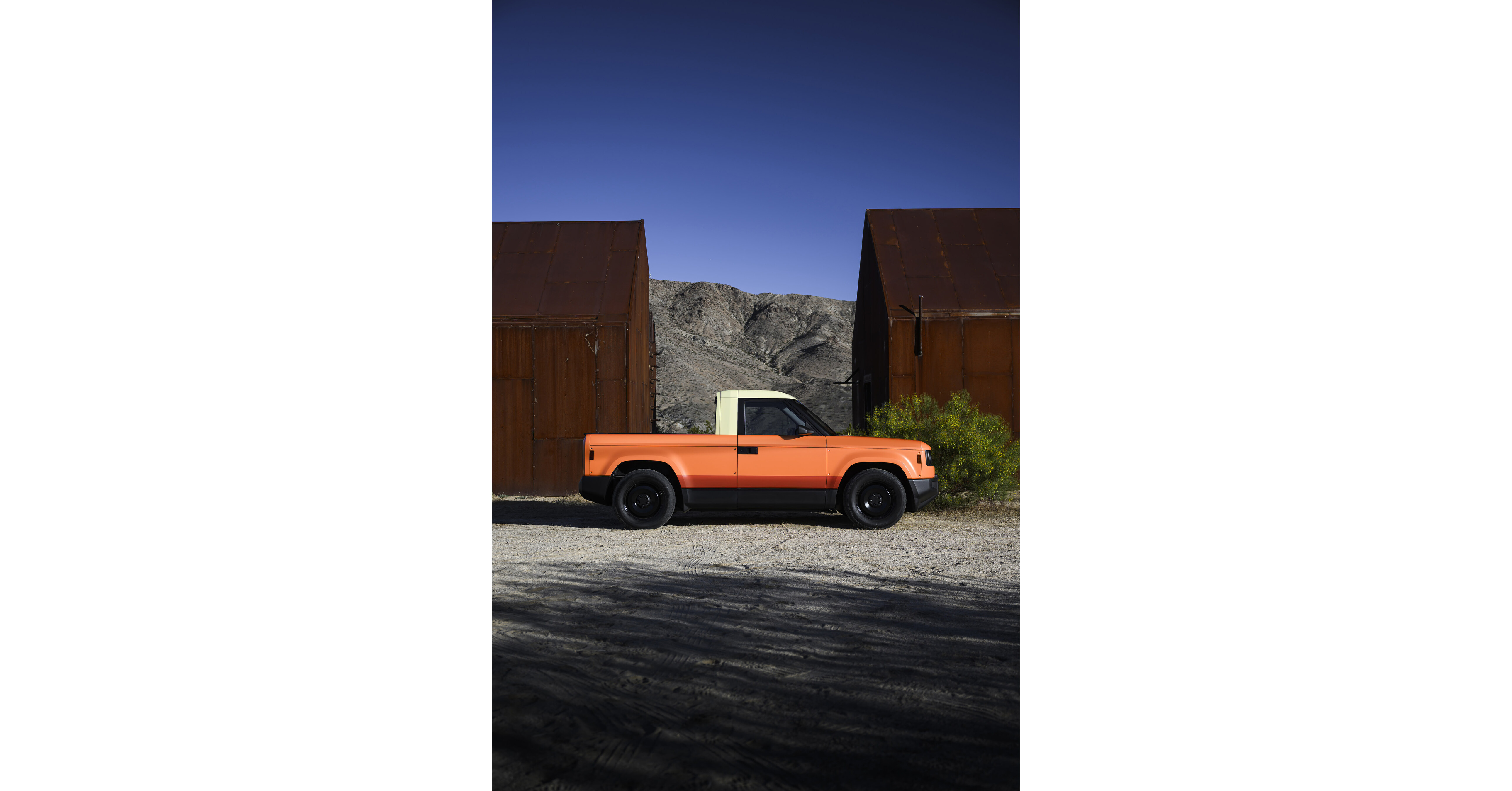
Slate has shown the actual product idea: a simple two-seat EV pickup that can be accessorized after purchase.
The Catch: Both Still Have Big Unknowns
For Ford, the unknowns are product-specific. We do not know range, charging performance, payload, towing, cabin layout, bed size, battery chemistry details, incentives, or whether the final price will still feel like a $30,000 truck once real-world trims show up.
That last part matters. Automakers love low advertised starting prices. Shoppers live in the world of destination charges, availability, dealer inventory, mandatory packages, and the version people actually want to buy. Ford has to make the affordable truck feel real at the transaction level, not just in a presentation.
For Slate, the unknowns are company-specific. The truck is clever, but Slate still has to launch production, keep quality under control, support customers nationwide, manage accessories without making the simple truck expensive, and turn refundable reservations into real buyers. A $50 reservation is not the same as a signed purchase contract.
There is also a usability question. A 150-mile base EV can be perfectly fine for commuting, errands, campuses, small-business routes, and second-car duty. But in pickup culture, buyers often overestimate the capability they need and underestimate how often they want flexibility. Slate’s bigger battery helps, but it also pushes the price higher.
Which Strategy Looks Smarter Right Now?
If the question is which truck is more likely to become a normal, broadly accepted product, the answer is Ford.
Ford has the brand, service network, manufacturing depth, and truck credibility. If it can actually sell a useful midsize EV pickup around $30,000, it could do what the F-150 Lightning never fully did: make an electric pickup feel like a practical mainstream choice rather than a high-priced statement.
If the question is which idea feels more disciplined, Slate deserves the nod.
Slate understands that cheap vehicles require trade-offs people can see. No giant screen. No sprawling trim ladder. No luxury cosplay. No pretending a low-cost EV truck can also be everything to everyone. That may limit its audience, but it also gives the truck a reason to exist.
The best-case outcome is that both work. Ford proves a legacy automaker can build an affordable EV truck at scale. Slate proves a stripped-back startup vehicle can survive outside the enthusiast bubble. Together, they would make the electric truck market healthier, not just more expensive.
For now, Ford looks like the safer bet. Slate looks like the sharper idea. And honestly, the affordable EV space could use both.