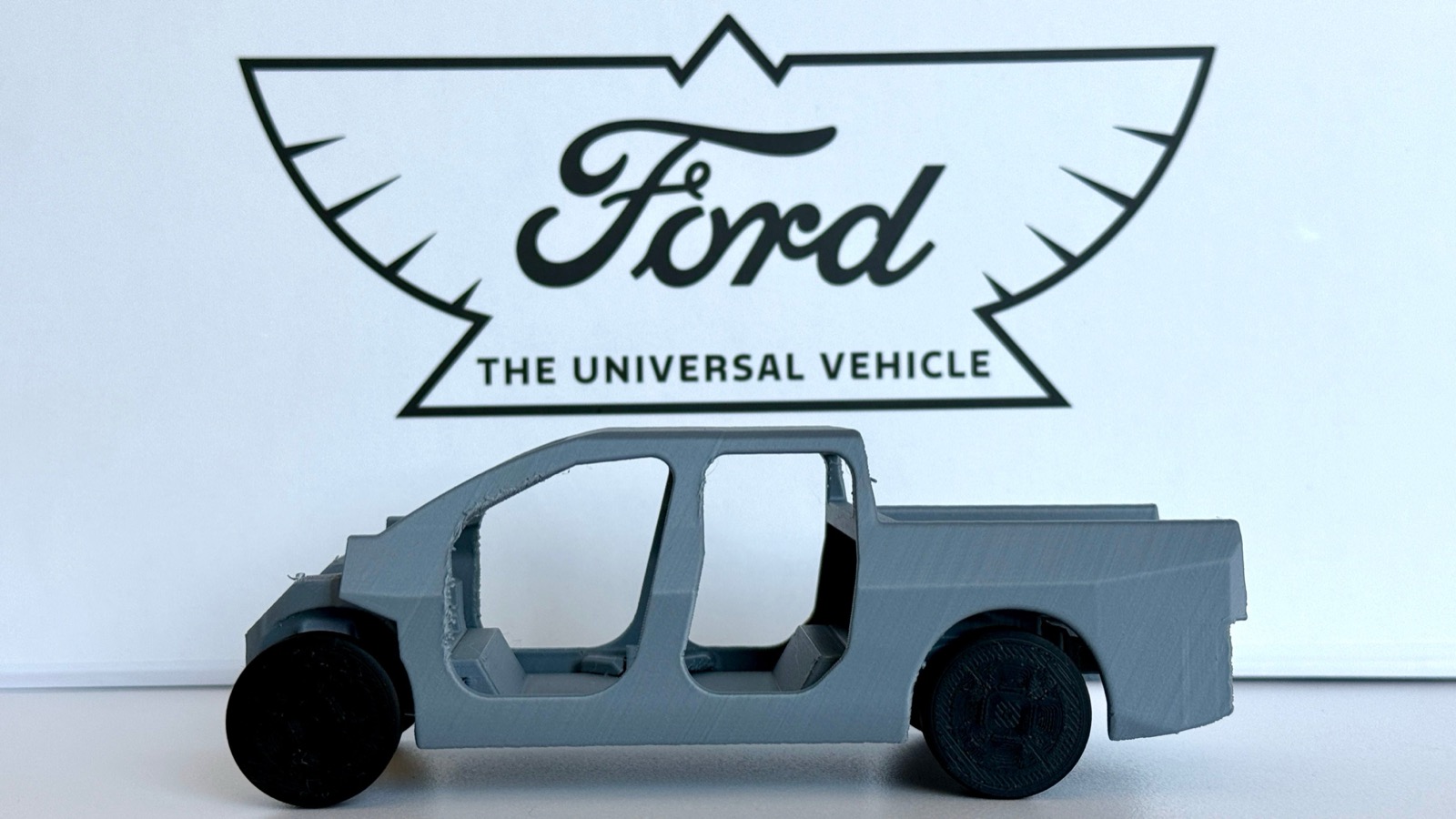
Ford's $30,000 EV Truck: The Buyer Checklist Before You Believe the Price
Ford's affordable EV pickup looks more real after new prototype photos, but buyers should wait for range, payload, charging, trim pricing, and Canadian availability before treating the $30,000 target as a deal.
Ford’s affordable EV pickup is starting to look less like a corporate promise and more like a vehicle buyers may actually have to think about.
The latest prototype photos from Car and Driver add useful clues: public-road testing near Dearborn, a smaller pickup shape, 19-inch Michelin E Primacy tires, a large central screen, and visible driver-assist hardware. Pair that with Ford’s official Universal EV platform plan, and the broad outline is clear enough. Ford wants a four-door electric pickup, assembled in Louisville, reaching customers in 2027, with a targeted starting price of about $30,000.
That is interesting. It is not enough to make a buying decision.
The smarter move is to treat this as a watchlist vehicle, not a finished deal. The prototype makes Ford’s project feel more real. The missing numbers still decide whether it becomes a genuine affordable truck or just another EV with a great headline and a much higher real-world transaction price.
Quick Verdict
Wait for Ford’s affordable EV truck if you want a smaller electric pickup, can delay a purchase until 2027, and do not need confirmed towing, payload, range, or Canadian pricing today. The project has real credibility because Ford builds trucks, has a dealer network, and is attacking cost at the platform and factory level rather than simply promising a cheaper trim.
Do not wait if you need a truck this year, tow often, drive long winter highway routes, or need a known payment. Ford has not released final range, battery size, charge rate, payload, towing, bed dimensions, production name, trim structure, or Canadian availability.
The $30,000 target should be treated as a starting point to verify, not a price to budget around.
The Five Numbers That Matter
| Question | Why It Matters | What Would Make It Convincing |
|---|---|---|
| What is the real starting transaction price? | A $30,000 target can change once destination, trims, options, dealer inventory, incentives, and Canadian pricing are added. | A genuinely available base truck, clear destination charge, and enough normal equipment that buyers are not forced into expensive trims. |
| How much range does it deliver in normal truck use? | A cheap EV pickup cannot rely on a huge battery, so efficiency has to carry the value case. | Enough usable range for commuting, winter errands, and regional work without making the base truck feel like a short-hop-only tool. |
| What are payload and towing ratings? | Truck buyers may not need full-size capability, but they still need honest utility. | Ratings close enough to compact-truck expectations that the EV does not feel like a lifestyle prop with a bed. |
| How quickly can it charge? | Smaller batteries can work if charging is easy and predictable. | A clear DC fast-charge curve, battery preconditioning, simple public-network access, and home-charging details that do not add surprise costs. |
| Will Canada get it early and affordably? | A U.S. target price does not automatically translate into a Canadian deal. | Confirmed Canadian launch timing, MSRP, trim mix, warranty, charging-port details, and incentive eligibility where applicable. |
These are not spec-sheet nitpicks. They are the whole purchase decision.
Why Ford’s Prototype Clues Are Encouraging
The prototype details point in the right direction because they suggest Ford is not trying to shrink an F-150 Lightning and call it affordable.
Car and Driver notes the latest test vehicle uses 245/55R-19 Michelin E Primacy all-season tires. That is a small clue, but a meaningful one. Efficiency-focused tires make sense on a truck that has to extract useful range from a battery pack that cannot be oversized without blowing up the price.
The shape matters too. The camouflaged truck appears smaller and more conventional than a full-size electric pickup, with a recognizable four-door cab and bed. That is probably the correct lane. Ford does not need this truck to look radical. It needs to feel normal enough for Maverick shoppers, small-business fleets, commuters, and first-time EV truck buyers to take seriously.
The interior clue is mixed. A large centre screen is expected in 2026, but affordability will depend on how Ford balances digital simplicity with actual usability. If the base truck deletes too many controls or pushes buyers into higher trims for normal features, the price story gets weaker quickly.
Ford Universal EV truck development imagery
13
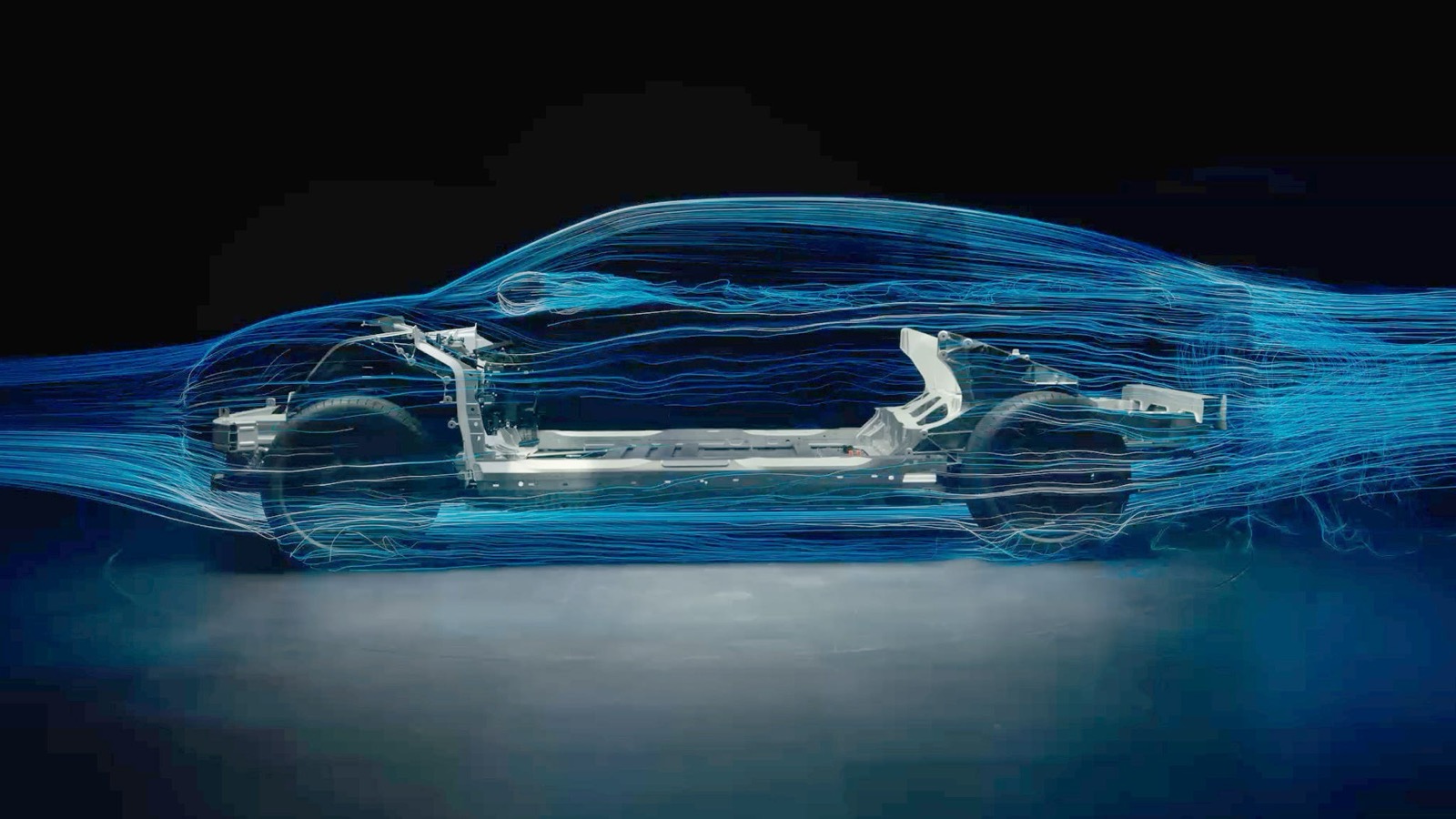
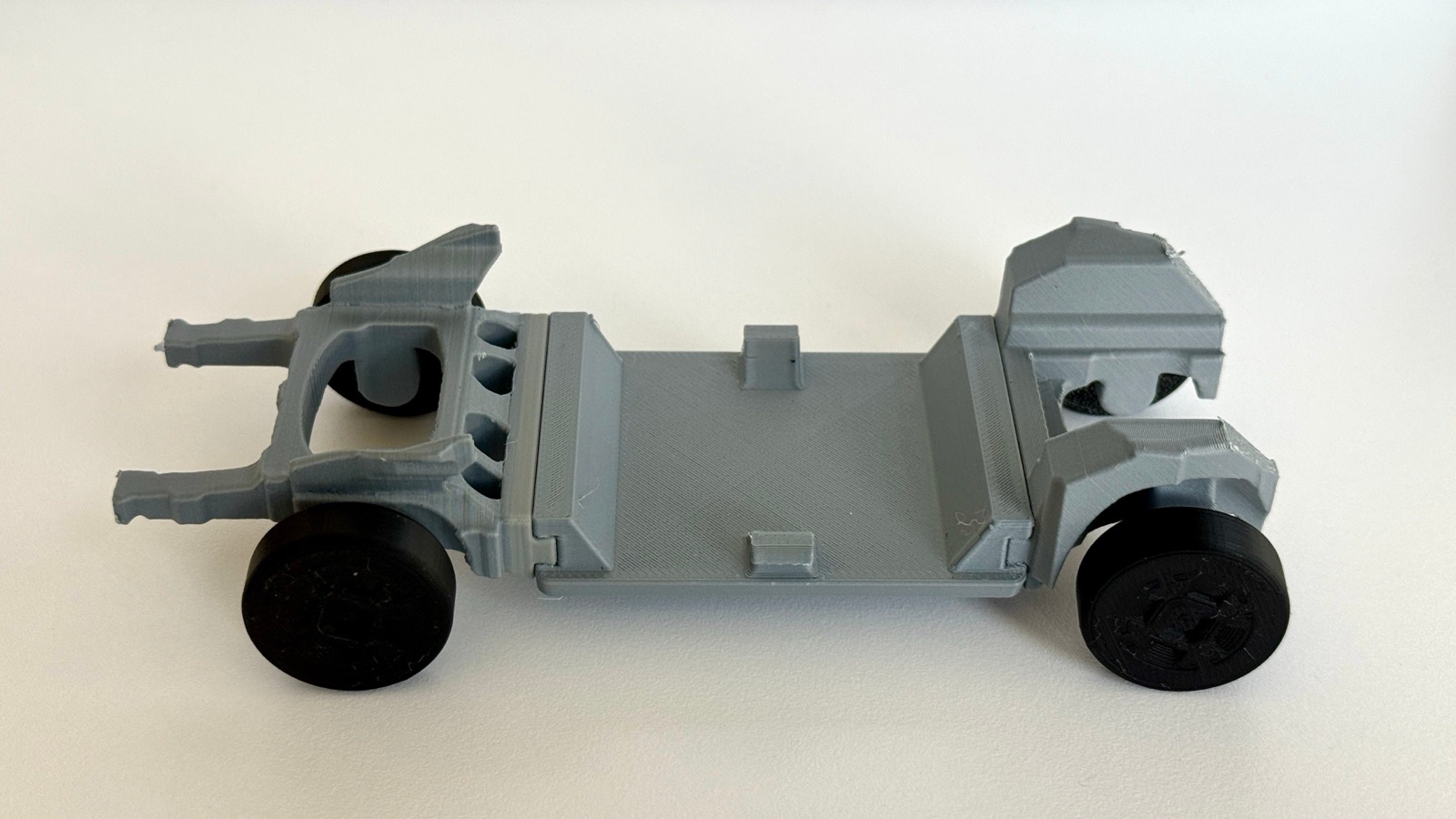
Ford has not shown the production truck yet, but its own development imagery points to a compact-to-midsize pickup mission rather than a full-size Lightning replacement.
Why The $30,000 Target Is Plausible, But Not Proven
Ford’s cost story is more detailed than most affordability promises.
The company says its Universal EV platform is designed to reduce parts by 20 percent, cut fasteners by 25 percent, reduce plant workstations by 40 percent, and improve assembly time by 15 percent compared with a typical vehicle. Ford also says the new midsize truck’s wiring harness will be more than 4,000 feet shorter and 10 kilograms lighter than the one in its first-generation electric SUV.
That is the right kind of engineering if the goal is a cheaper EV. Less wiring, fewer parts, simpler assembly, large castings, and a structural lithium iron phosphate battery pack all attack cost before the vehicle reaches the showroom.
LFP chemistry also fits the mission. It is not the highest energy-density battery type, but it is durable, cobalt-free, nickel-free, and generally more cost-friendly. For a mainstream truck that has to be affordable and long-lived, that trade-off can make more sense than chasing huge range numbers with an expensive pack.
Still, the hard part is not announcing a target. It is making that target visible on real dealer lots.
The Maverick Benchmark Is The Problem Ford Has To Beat
Ford already sells the affordable-truck reference point: the Maverick.
Ford Canada lists the 2026 Maverick with five seats, a standard hybrid powertrain on mainstream trims, up to 1,500 lb of payload, and up to 4,000 lb of towing with the available 4K Tow Package. It is not an EV, but it is a real truck with real prices, real dealers, and real capability numbers.
That matters because Ford’s electric truck will not be judged only against other EVs. It will be judged against the compact truck buyers can buy today, along with used Rangers, basic crossovers, and hybrid SUVs that already solve a lot of daily transportation problems.
For the EV truck to win, it does not have to tow like a full-size pickup. It does have to show enough utility that buyers do not feel they are paying new-vehicle money for a compromise that only works on paper.
The Canadian Question Is Still Wide Open
Canadian shoppers should be especially careful with the price headline.
Ford’s public target is about $30,000, but that is a U.S. framing until Ford Canada confirms local pricing. Exchange rates, trim strategy, freight, dealer fees, battery sourcing rules, incentives, and launch allocation can all change the deal.
There is also the winter question. A smaller battery and efficiency-focused package can be smart engineering, but Canadian buyers need to know how the truck handles cold-weather range, cabin heat, preconditioning, snow tires, payload, and highway speed. The right number is not the best-case summer range. It is the usable range on a cold February day with gear in the bed.
Incentives could help, but they should not be the foundation of the decision. Program rules change, funding changes, and eligibility can depend on final transaction price. The safer move is to track the MotorLinks Canadian EV incentive guide and treat any rebate as a bonus after the truck stands on its own.
Who Should Wait?
Wait if you are EV-curious, like compact pickups, and can keep your current vehicle for another year or two. This is especially true if your truck use is local: commuting, job-site visits, light hauling, home-store runs, campus work, municipal fleets, or small-business duty where home or depot charging is realistic.
The Ford project also looks worth waiting for if you want the ownership comfort of a known truck brand. A startup can be exciting, but Ford has dealers, parts channels, fleet relationships, financing, and service coverage that matter once the novelty fades.
The patience case is strongest if your current vehicle is still reliable and the next purchase can wait until Ford shows the actual order guide.
Who Should Not Wait?
Do not wait if you need a truck now, need known towing capacity, tow long distances, regularly run heavy payloads, or have no reliable charging plan.
Do not wait if your budget is fixed around the literal $30,000 number. Until Ford publishes final MSRP, destination, trims, and Canadian pricing, that number is a target. It may be close. It may also describe a sparse entry trim that is difficult to find or not the one most buyers want.
And do not wait if a hybrid compact truck already solves your problem. The Maverick Hybrid is not as exciting as a new affordable EV pickup, but for many buyers, available beats interesting.
Bottom Line
Ford’s affordable EV pickup is one of the most important vehicles to watch because it attacks the EV market where it actually needs help: price, efficiency, and everyday usefulness.
The new prototype clues are encouraging. The official platform details are encouraging. The idea of a smaller Ford electric pickup around Maverick territory is exactly the kind of EV truck the market has been missing.
But buyers should keep the pressure on the numbers. Range, payload, towing, charging, trim pricing, and Canadian availability will decide whether this is a true affordable truck or just a good prototype story.
Until those details arrive, the right stance is interested, not committed.
FAQ
Should buyers wait for Ford’s affordable EV truck?
Wait if you want a smaller electric pickup and can delay until Ford confirms the production specs. Buy sooner if you need known capability, towing, range, or payments right now.
Is Ford’s $30,000 EV truck price final?
No. Ford describes the truck as targeting a starting price of about $30,000. Final MSRP, destination charges, trim pricing, dealer availability, incentives, and Canadian pricing have not been released.
What specs matter most for Ford’s affordable EV pickup?
The key specs are usable range, battery size, charging speed, payload, towing, bed dimensions, trim pricing, winter performance, charging-port strategy, and whether the base truck is actually available in volume.
Is this a replacement for the F-150 Lightning?
Not directly. Ford’s affordable EV pickup is expected to be a smaller four-door truck on the Universal EV platform. Its job is affordability and efficiency, not full-size truck capability.