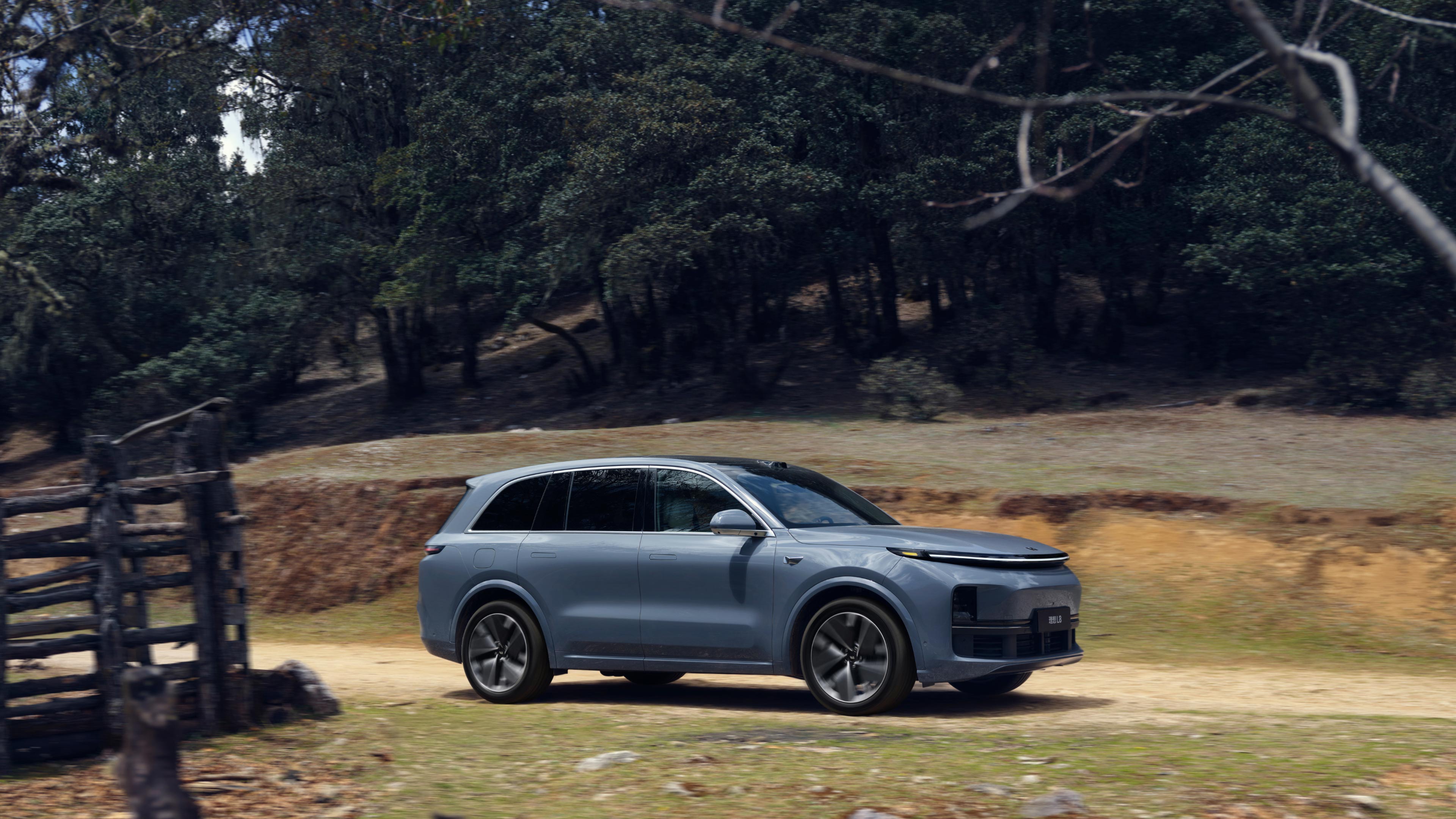
What Li Auto's New L8 Teaches North America About Range-Extender SUVs
Li Auto's five-seat L8 is a China-market SUV, but its big battery, electric-first range, and gasoline backup show why range extenders keep coming back for family SUVs and trucks.
Photo: Li Auto
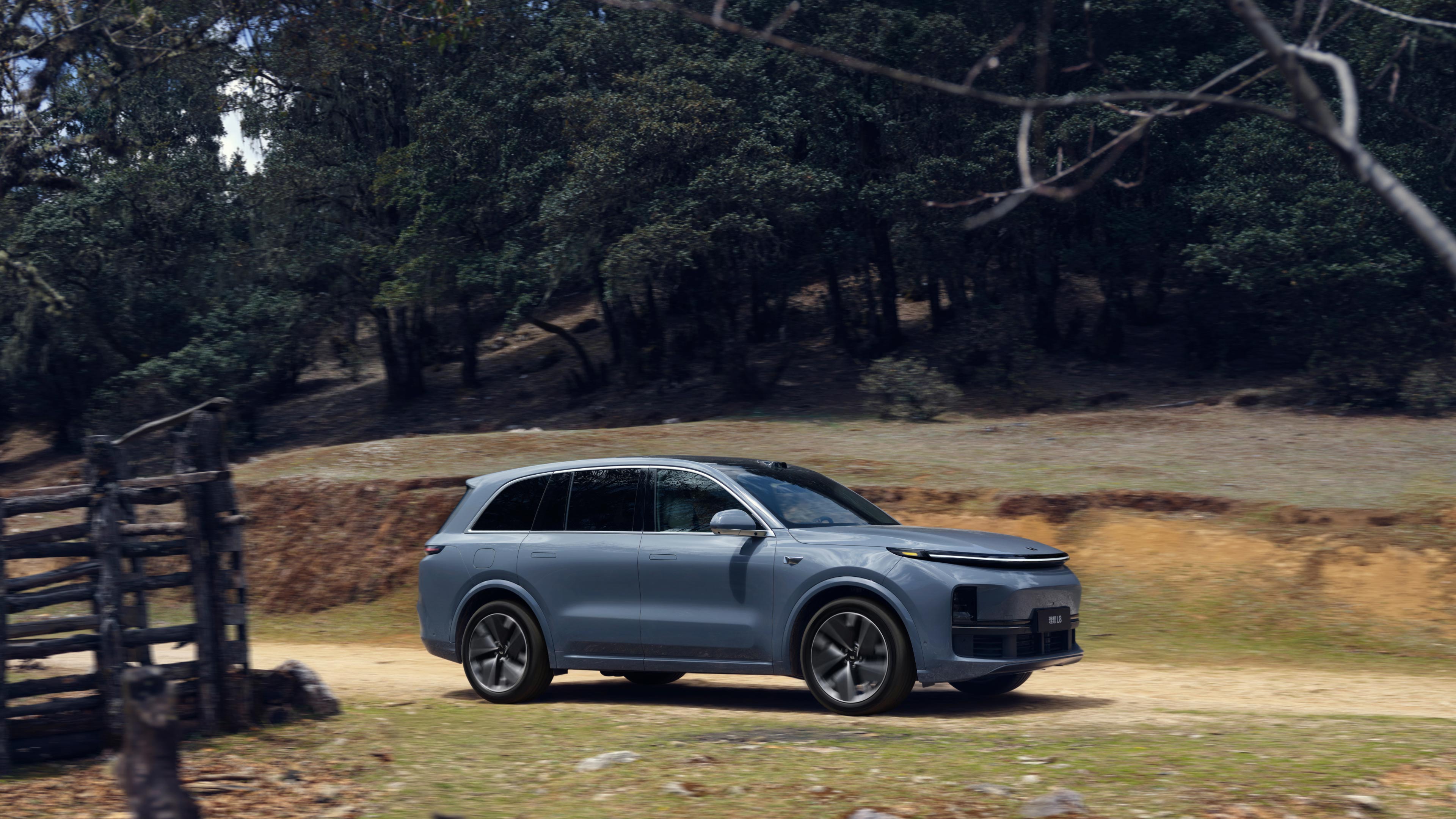
Li Auto’s new L8 is not coming to Canadian or U.S. showrooms. That does not make it irrelevant.
The refreshed five-seat SUV is one of the clearest examples yet of where the range-extender idea is headed when an automaker treats it as a premium electric-first product instead of a defensive halfway step. The new L8 has a large battery, serious electric range claims, strong acceleration, a gasoline generator for long trips, and enough in-car computing hardware to remind everyone that China’s EV fight is now as much about software as batteries.
That combination matters because North American automakers are circling the same basic problem. Buyers like electric torque, quiet cabins, home charging, and lower day-to-day energy use. They are less thrilled about towing range, winter uncertainty, rural charging gaps, and the cost of huge batteries in big SUVs and trucks.
Li Auto did not solve every issue with the L8. It is still a complex vehicle with a fuel-burning engine onboard, and its range figures use China’s optimistic CLTC cycle. But it does show what the best version of a range extender is trying to become: not a reluctant hybrid, but an electric-drive family vehicle with a gasoline safety net.
Quick Answer
The lesson from the new Li L8 is not that North America needs this exact SUV. It is that range extenders make the most sense when they are electric-first: enough battery range for normal daily use, electric motors doing the driving, and the engine acting mainly as backup for the trips where charging still feels inconvenient.
That is a very different pitch from using a small battery as a compliance add-on. The L8’s reported 72.7-kWh battery and 430-km CLTC electric range push the format closer to “EV most days, gasoline when needed.” For large family SUVs and trucks, that may be the version buyers actually understand.
| Vehicle or program | Electric-first claim | Why it matters |
|---|---|---|
| Li Auto L8 | 72.7-kWh battery, 430 km CLTC electric range, 1,670 km total CLTC range, and electric motors rated at 420 kW combined | Shows how China-market EREVs are moving upmarket with larger batteries, premium cabins, and heavy compute |
| Scout Harvester | Scout projects about 150 miles of electric range and more than 500 miles total for Traveler and Terra models with the range extender | Targets adventure buyers who want EV torque without making every remote trip depend on charging access |
| Ram range-extended truck program | Ram has described a 92-kWh battery, a generator system, and truck-grade towing/range targets for its range-extended pickup strategy | Makes the work-truck case: electric drive is attractive, but towing and payload still punish battery-only range |
| Ford extended-range truck strategy | Ford has signaled a future extended-range F-Series direction after scaling back pure EV truck ambitions | Shows legacy truck brands looking for a customer-paced bridge between hybrids and full battery EVs |
The L8 Is a Better Range-Extender Case Study Than a Small Car
Range extenders have been around for years, but they make more sense in some segments than others.
In a small commuter, an engine, exhaust system, fuel tank, emissions equipment, and generator can feel like too much extra hardware. If the car is light, cheap, and used mostly in town, a simple battery-electric layout is cleaner and easier to explain.
A large SUV is different. Families expect space, comfort, climate control, long-road-trip confidence, and enough flexibility for holidays, bad weather, apartment living, and imperfect charging routines. That is exactly the kind of use case where a big battery plus a generator starts to look commercially interesting, even if it is not the purest EV answer.
Li Auto’s official launch announcement positions the L8 as a five-seat flagship SUV, not a budget compromise. CnEVPost reports that the new version measures 5,135 mm long, uses a 3,045-mm wheelbase, and switches from the old six-seat layout to a more spacious two-row configuration. It is aimed at families that want comfort and technology first, not shoppers hunting for the cheapest plug-in badge.
That packaging is important. A range extender is easier to justify when it supports a vehicle people already expect to be big, comfortable, and expensive.
Big Battery, Gas Backup Is the Real Message
The most important L8 number is not the total range claim. It is the battery.
CnEVPost says every new L8 trim uses a 72.7-kWh ternary lithium battery with a claimed 430 km of CLTC electric range. That is a China-cycle figure, so it should not be treated like an EPA or Natural Resources Canada estimate. Still, the direction matters. This is not a tiny plug-in hybrid battery designed to cover a short commute before the engine takes over.
It is a big enough pack to make the vehicle feel electric for a lot of normal family use, especially for owners who can charge at home or at work. The gasoline range extender then becomes backup for the awkward stuff: long highway days, rural destinations, peak travel periods, winter detours, or cities where fast chargers are still crowded.
That is the part North American automakers should study. A range extender only feels modern if the battery is large enough to carry daily life. If the engine runs constantly, the buyer is basically dealing with a complicated hybrid wearing EV language.
The L8’s claimed 1,670 km total CLTC range with a full battery and full tank is the attention-grabbing spec. The 430-km electric claim is the one that makes the concept more credible.
China Is Normalizing the Format Faster
China’s EV market is a ruthless proving ground because buyers move fast and local brands do not wait for legacy automakers to catch up. That is why the L8’s powertrain is only part of the story.
The new SUV also leans hard into software and compute. CnEVPost reports that the Ultra trim uses one Li Auto-developed Mach M100 chip rated at 1,280 TOPS, while the Livis trim uses two for a claimed 2,560 TOPS and adds more lidar hardware.
That distinction explains why range extenders have more momentum in China than many North American EV discussions suggest. Chinese buyers are not necessarily choosing them because they dislike EVs. They are often choosing them because the format preserves the parts they like about EVs while removing some charging anxiety from family use.
The broader market context supports that flexibility. The IEA’s Global EV Outlook 2026 says electric cars are expected to reach about 28% of global car sales in 2026, with China approaching 60%. In that kind of market, the debate is no longer simply EVs versus gasoline. It is which electric-drive formats fit which buyers.
What North America Should Copy, and What It Should Not
North America should not copy the L8 blindly.
For one thing, Li Auto’s numbers are tuned for China and the CLTC test cycle. A vehicle with the same battery would not necessarily post the same electric or total range under EPA or Canadian testing. The regulatory environment is different, charging habits are different, gasoline prices are different, and buyers have different expectations for dealer service, towing, winter performance, and highway range.
North American automakers should also be careful with language. If a vehicle burns gasoline, it should not be sold as though it were a pure EV. The cleanest message is the honest one: electric drive for most daily use, gasoline backup for the situations where charging still does not fit.
What they should copy is the product logic.
A credible range-extender SUV or truck needs enough battery range to make plugging in worthwhile. It needs an engine-generator system that feels like support rather than the main event. It needs software that manages energy quietly. It needs towing, heating, fast-charging, and route-planning behavior that does not make the buyer feel like they bought two powertrains fighting each other.
Most of all, it needs a clear use case. The L8 is a premium family SUV for China. Scout is aiming at adventure buyers. Ram is chasing truck capability. Ford’s future extended-range truck work is about customers who still expect F-Series flexibility. Those are all different vehicles, but the problem is similar: battery-only purity does not automatically answer every large-vehicle job today.
The Catch Is Complexity
Range extenders are not free wins.
They add maintenance points, emissions equipment, fuel storage, vibration questions, software complexity, and cost. They also risk slowing the transition to simpler battery-electric vehicles if automakers use them as an excuse to underinvest in charging, efficiency, or affordable EVs.
That is why the L8 should be read carefully. It is not proof that range extenders are better than EVs. It is proof that, in the right segment, the format can be more appealing than a weak EV or an oversized battery pack priced out of reach.
For buyers, the best question is simple: how much of normal life can the vehicle cover on electricity alone? If the answer is “most of it,” the range extender can be a useful safety net. If the answer is “not much,” the vehicle is just a complicated hybrid with better branding.
The Motorlinks Take
Li Auto’s L8 is a China-market SUV, but the lesson travels cleanly: range extenders work best when they are treated as electric-first vehicles with honest gasoline backup.
That is why the L8 feels more relevant than its availability map suggests. Its large battery, long electric-range claim, premium cabin focus, and heavy software pitch point to the version of EREV technology that could actually make sense for North American SUVs and trucks.
Pure EVs are still the cleaner long-term answer for many drivers. Charging keeps improving, battery costs keep moving, and simpler electric platforms remain the goal. But for big family vehicles, trucks, and adventure SUVs, the range-extender argument is not going away.
The winners will not be the automakers that blur the line between EV and hybrid. They will be the ones that make the compromise easy to understand: plug in daily, drive electric most of the time, and use gasoline only when the trip gets messy.