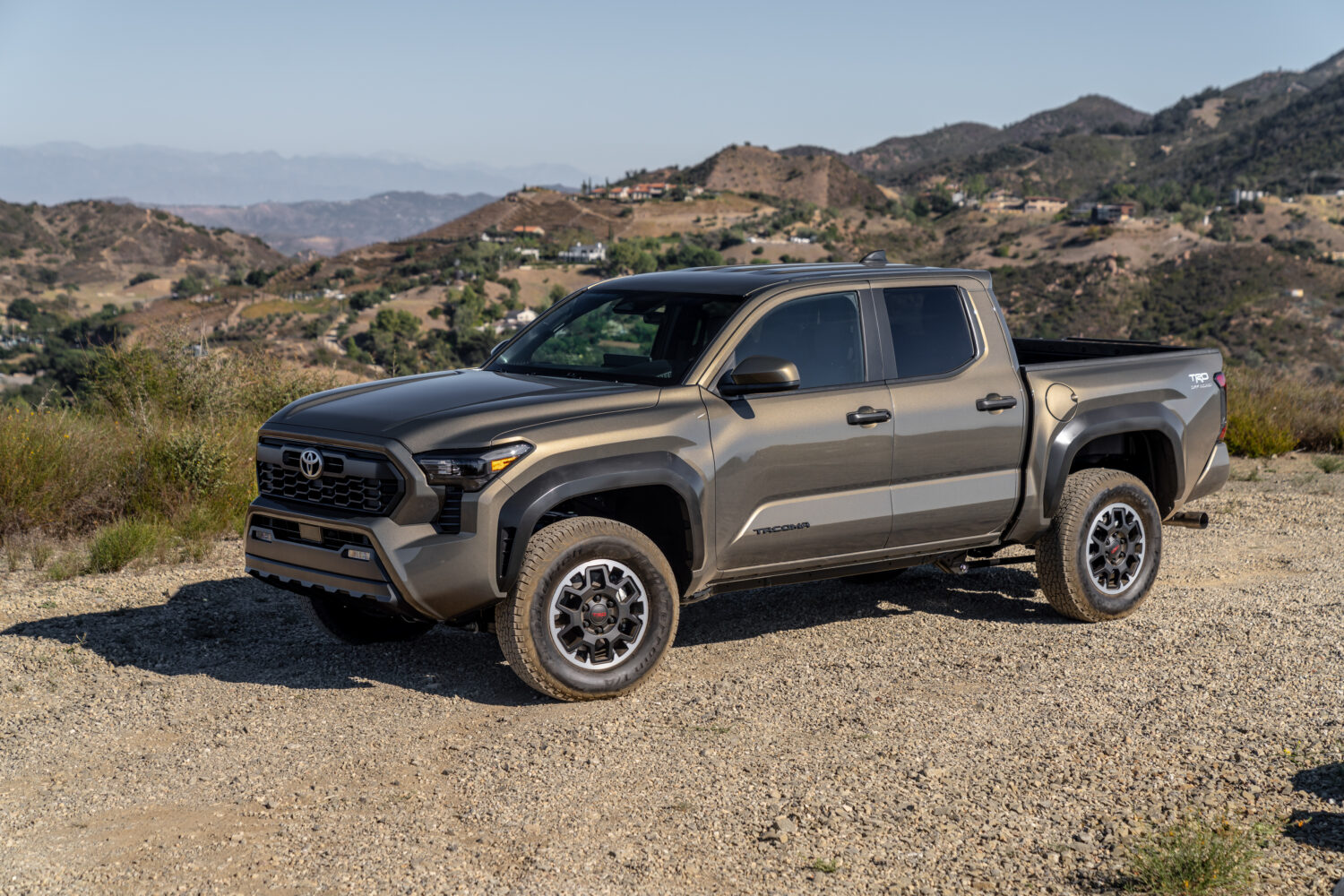
Toyota's $3.6B Texas Expansion Puts Tacoma Beside Tundra and Sequoia
Toyota will move Tacoma assembly to an expanded San Antonio plant, adding 2,000 jobs and putting Tacoma, Tundra, and Sequoia under one Texas truck hub.
Toyota is making San Antonio the center of gravity for its North American truck lineup.
In a July 6 announcement, Toyota Motor North America said it will invest $3.6 billion to expand its San Antonio manufacturing campus with a second vehicle assembly line. The new line will support Tacoma production, create 2,000 jobs, and add 2.5 million square feet to Toyota Texas, doubling the plant’s size by 2030.
The important part for truck buyers is not just the dollar figure. Toyota says Tacoma production will transition from Toyota Motor Manufacturing Baja California to the expanded Texas plant over roughly four years. Once that move is complete, Tacoma, Tundra, and Sequoia will all be assembled in Texas.
That gives Toyota one big U.S. truck hub at a time when pickups and body-on-frame SUVs are becoming more complicated, more electrified, and more exposed to North American trade policy.
Official Toyota gallery: Tacoma, Toyota Texas, and the truck lineup
14
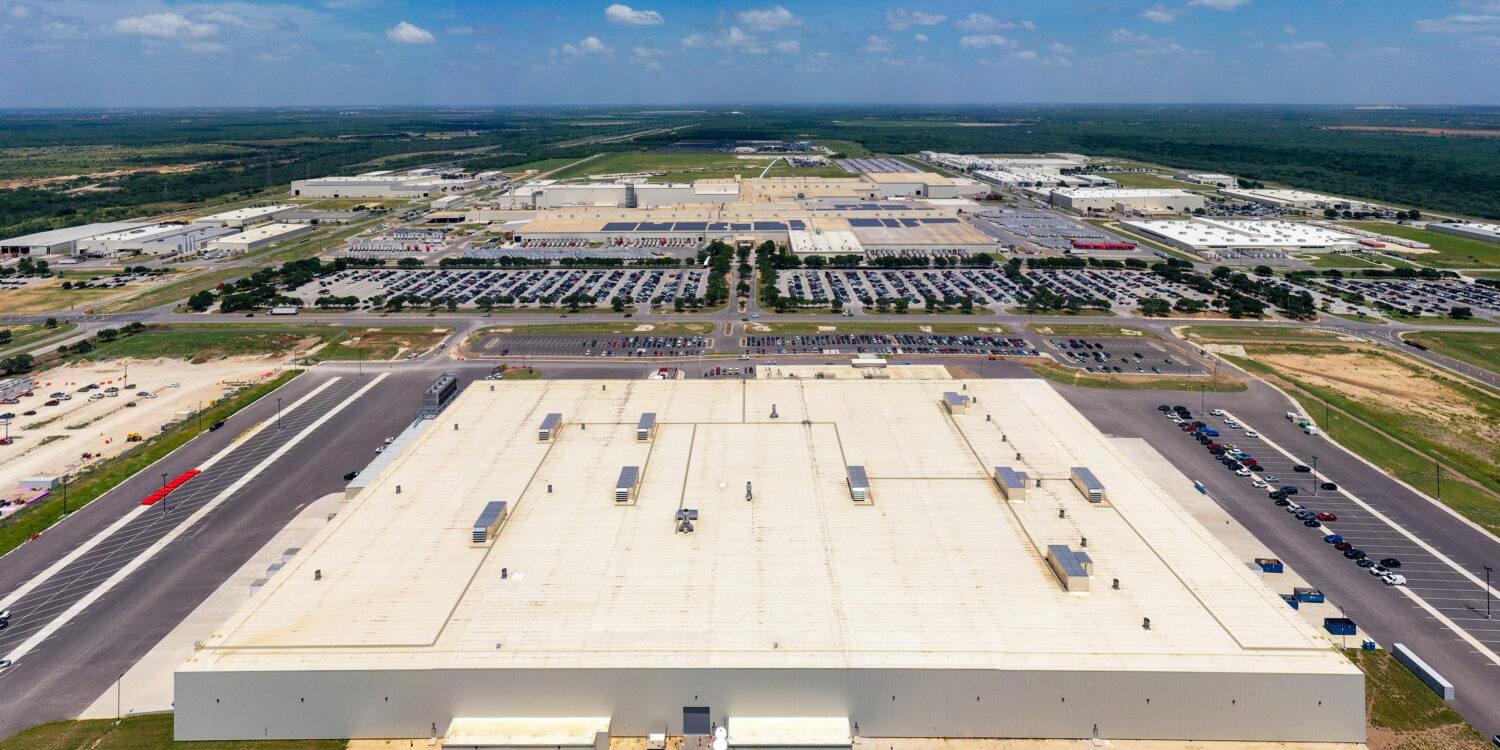
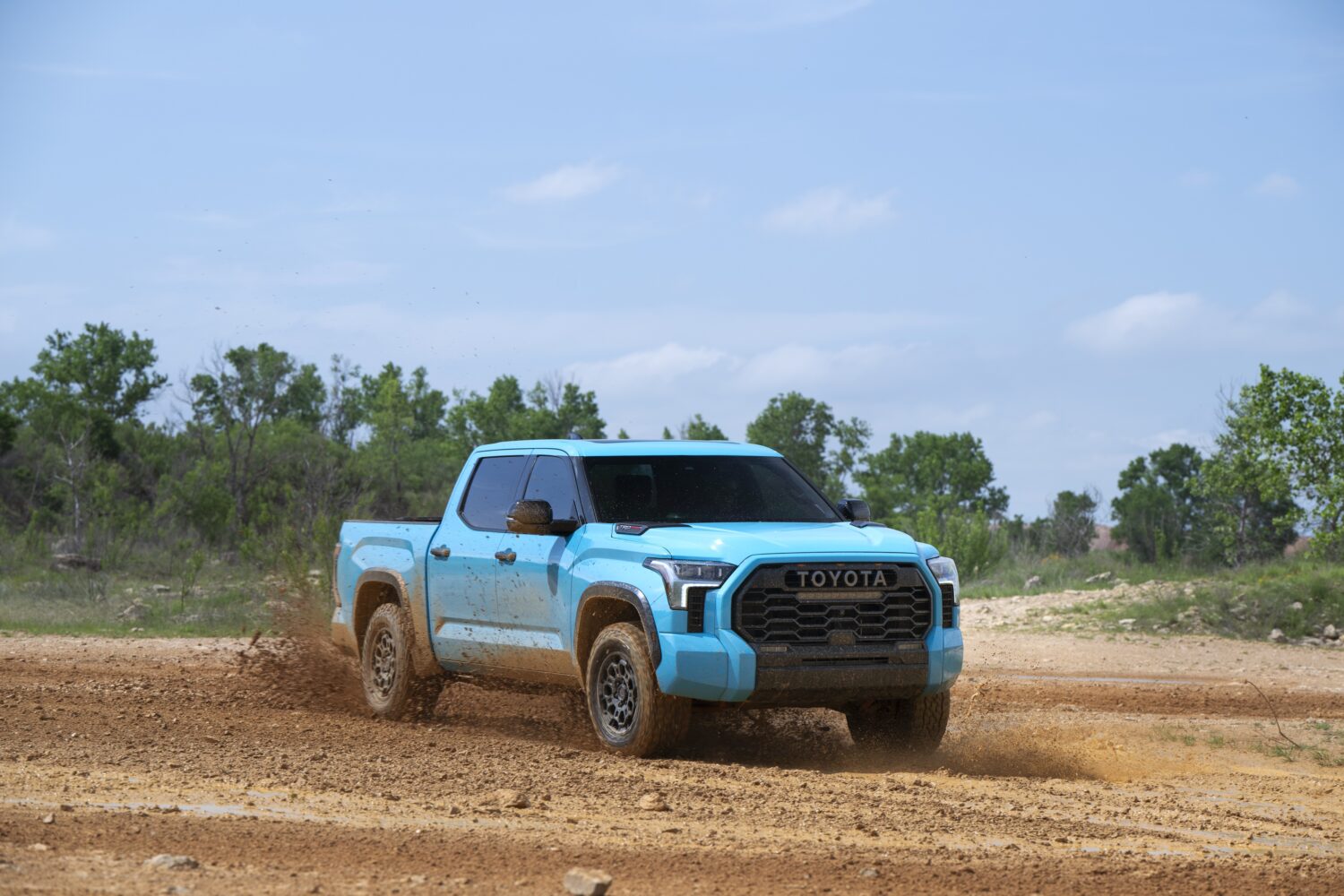
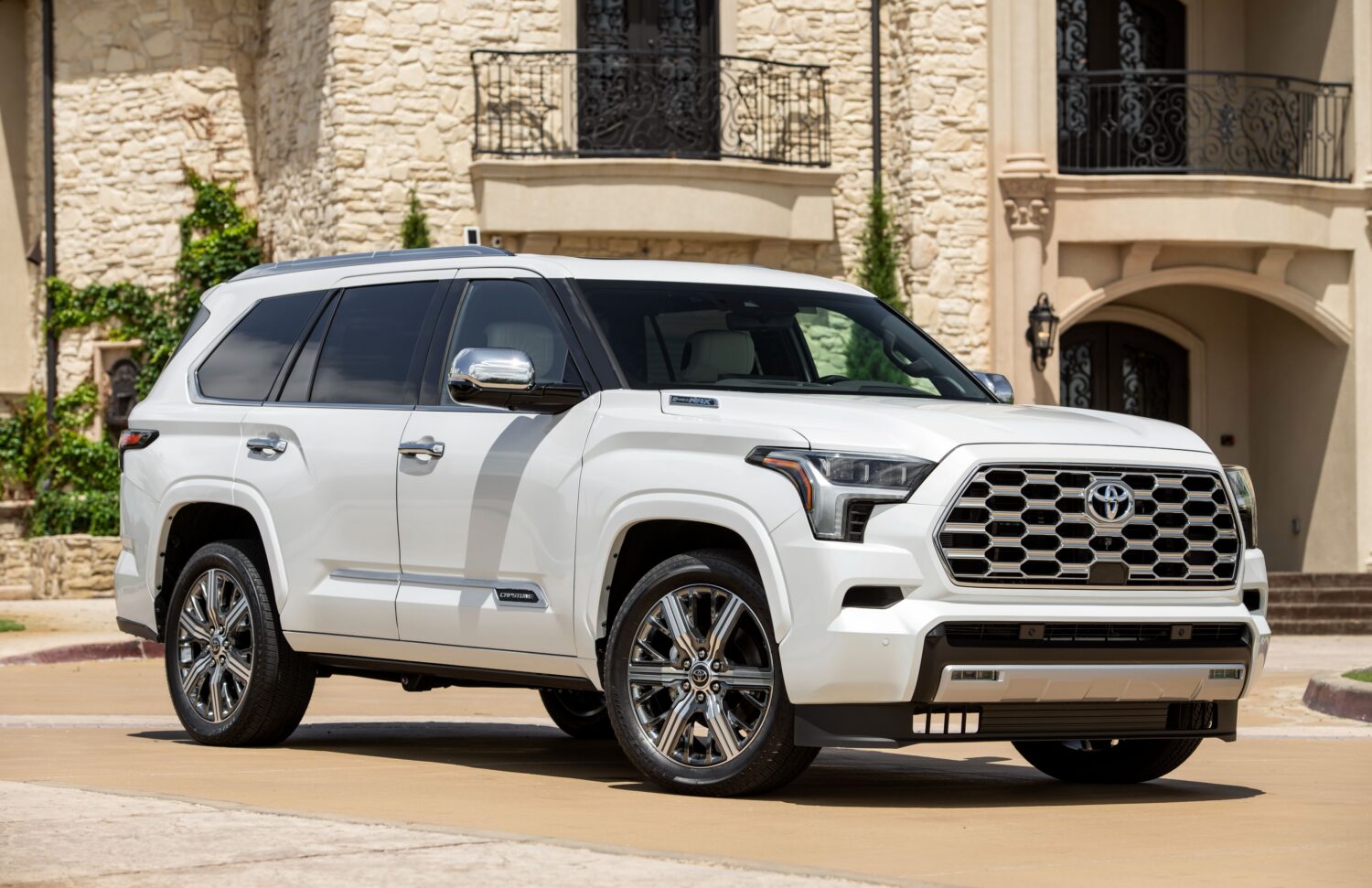
Toyota says Tacoma assembly will move from Baja California to the expanded San Antonio campus over roughly four years. Image: Toyota.
What Toyota Is Building
Toyota Texas already assembles the Tundra pickup and Sequoia SUV on the same production line. Toyota says the campus also includes a new rear axle plant that is nearing startup, with production scheduled to begin this fall.
The new investment adds a second vehicle assembly line, expands the site by 2.5 million square feet, and raises Toyota’s local workforce to about 6,000 team members, supported by 23 on-site suppliers and their employees.
The San Antonio plant is not new. Toyota says it broke ground there in 2003, has assembled more than 197,000 vehicles there in the past year, and has now committed $8.3 billion to the site in total.
This is scale, not a symbolic ribbon-cutting.
Why Moving Tacoma Matters
Tacoma is Toyota’s key North American midsize truck, and it has become more technically interesting in its latest generation.
The current lineup includes the i-FORCE MAX hybrid system on several trims, pairing a turbocharged 2.4-liter engine with an electric motor integrated into the eight-speed automatic transmission. Toyota lists up to 326 hp and 465 lb-ft of torque for the hybrid Tacoma, depending on grade. That is not battery-electric trucking, but it is meaningful electrification in a segment where buyers still expect towing, payload, off-road hardware, and familiar refuelling.
Putting Tacoma assembly beside Tundra and Sequoia could give Toyota a cleaner way to manage truck production, supplier logistics, axle capacity, hybrid complexity, and future product changes. It also places Tacoma inside the same campus ecosystem already handling Toyota’s larger body-on-frame vehicles.
Toyota has not announced a Tacoma EV here. It has not said this expansion changes the current Tacoma’s powertrain lineup. The company is talking about manufacturing capacity, truck allocation, and North American operations.
Still, factory decisions matter because product strategy eventually has to become production reality. If Toyota wants more hybrid trucks, more flexible truck output, or a smoother response to market swings, a larger Texas hub gives it more room to work.
The Trade Policy Subtext Is Hard To Miss
Toyota’s release says the company remains committed to its operations across the U.S., Canada, and Mexico, while also encouraging a quick resolution to USMCA issues to keep North America globally competitive.
That line is doing a lot of work.
Tacoma production shifting from Baja California to Texas does not mean Toyota is abandoning Mexico. Toyota’s North American footprint is still deeply regional. But it does show how seriously automakers are taking localization, trade rules, supplier resilience, and political risk.
The more expensive and software-heavy vehicles get, the more valuable production flexibility becomes. A Tacoma is no longer a simple compact pickup with a naturally aspirated engine and a parts bin interior. It is now a high-volume truck with turbo engines, hybrid hardware, off-road electronics, safety tech, and trims that can push deep into premium pricing.
That is exactly the kind of product where manufacturing location, supplier proximity, and policy certainty start to matter.
What It Means For Buyers
For shoppers, nothing changes at the dealer tomorrow.
Tacoma production is expected to transition over an approximate four-year period, so this is not a sudden 2026 model-year changeover. Toyota did not announce new pricing, new trims, or new powertrain specs as part of the expansion.
But the longer-term signal is clear: Toyota still sees trucks as central to its North American business, and it is willing to spend heavily to keep that business flexible.
That matters for hybrid truck buyers in particular. Toyota’s recent U.S. sales report showed electrified vehicles making up a majority of Toyota Motor North America’s second-quarter volume, and Toyota’s truck family is part of that story through Tacoma i-FORCE MAX, Tundra i-FORCE MAX, and the hybrid-only Sequoia. This San Antonio investment does not make Toyota an EV truck company. It does reinforce the idea that Toyota’s truck electrification path will probably keep moving through hybrids first, with full EVs handled more selectively.
That is very Toyota: less dramatic than promising a giant electric pickup for everyone, but probably closer to what its truck customers are actually buying today.
The MotorLinks Take
Toyota’s Texas expansion is not the flashiest electrification story of the week, but it may be one of the more important manufacturing ones.
Tacoma joining Tundra and Sequoia in San Antonio gives Toyota a clearer North American truck base, more room for supplier and axle integration, and a stronger answer to trade uncertainty. It also puts Toyota’s hybrid truck strategy in a plant system built around the vehicles that make that strategy matter.
The unanswered question is what comes after the current hybrid-heavy truck phase. Toyota has shown, through projects like the global Hilux BEV, that it understands electric trucks need clear use cases rather than fantasy specs. North American Tacoma buyers, though, are still waiting to see what a future electric or plug-in Toyota truck would look like here.
For now, Toyota is doing the less glamorous but very necessary work: expanding the factory, localizing the truck lineup, and giving itself more production flexibility before the next powertrain fight gets louder.