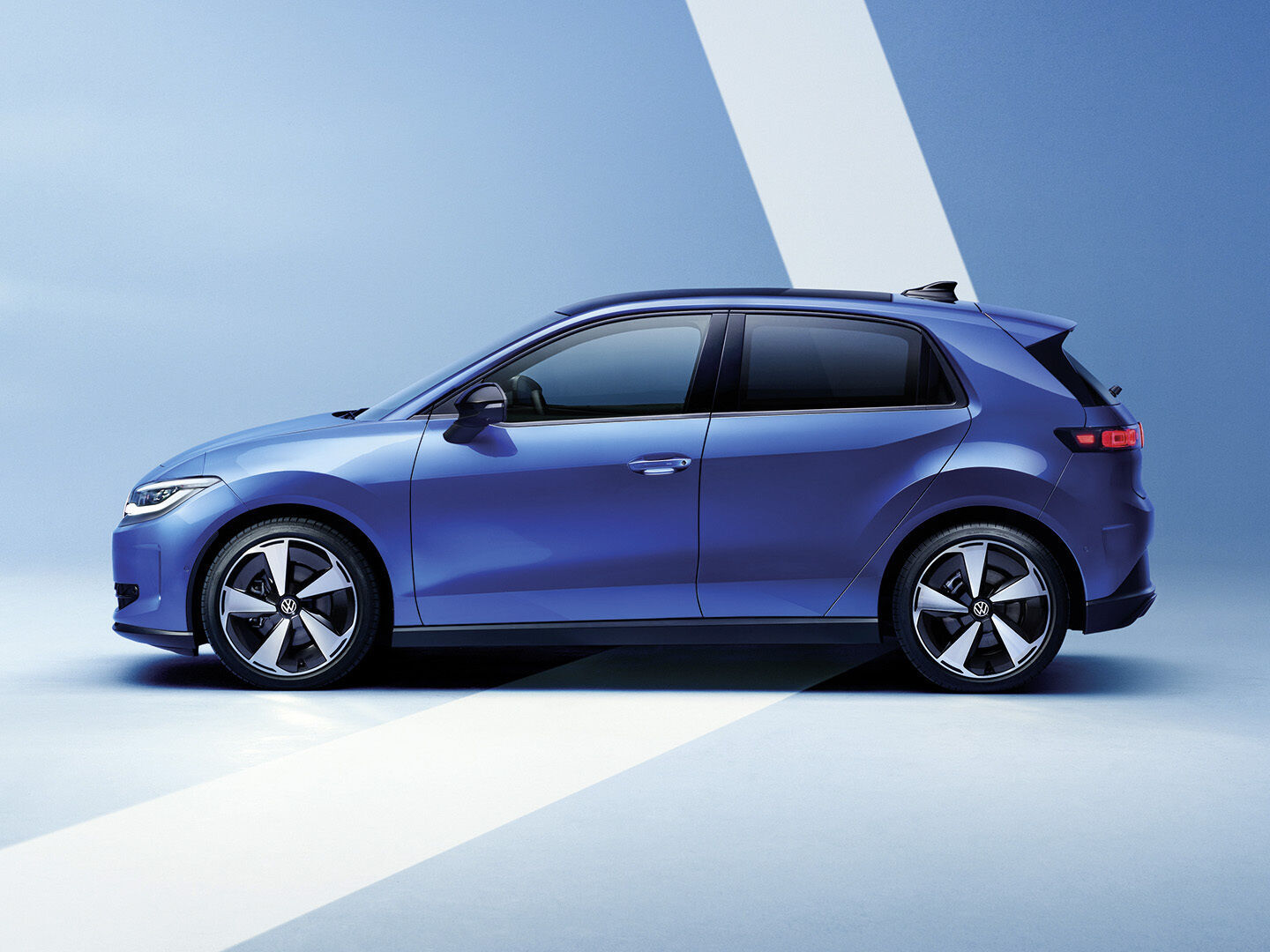
Volkswagen ID. Polo Makes the Small EV Case With 454 km of Range
Volkswagen has revealed the production ID. Polo, a front-drive electric hatchback for Europe with up to 454 km of WLTP range, standard DC fast charging, and a German base price planned at €24,995.
Photo: Volkswagen
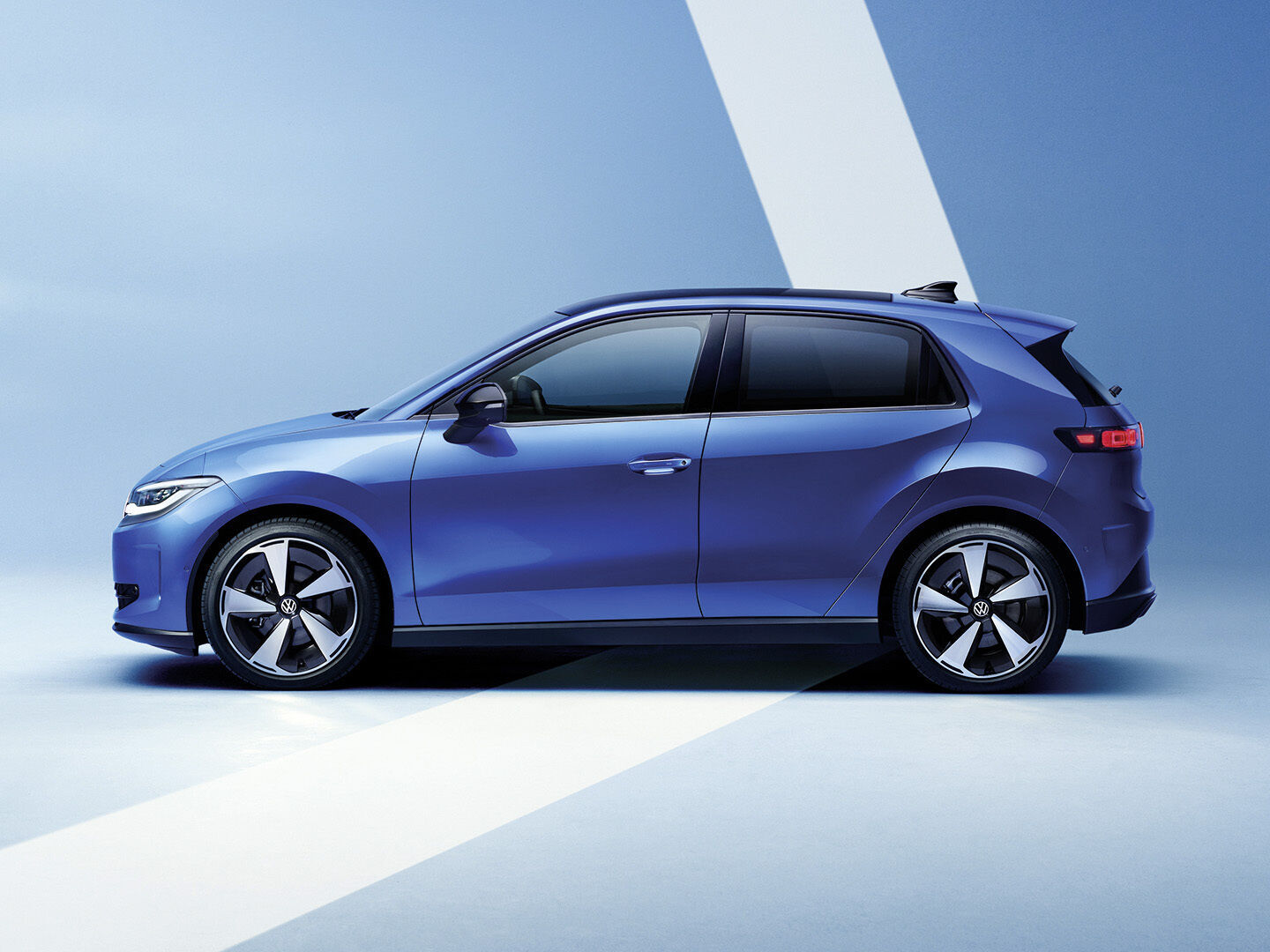
Volkswagen has taken the wraps off the production ID. Polo, and the positioning is refreshingly direct: this is not another oversized electric crossover chasing luxury margins. It is a proper small Volkswagen hatchback, now electric, with a familiar name, a real-world-focused battery lineup, and a German entry price Volkswagen says will start at €24,995 when the base version follows after launch.
That matters because affordable small EVs are where Europe still has a lot of work to do. The market has been flooded with premium electric SUVs and expensive long-range models, but the old Polo’s job was different: compact, practical, approachable, and easy to live with. The new ID. Polo is Volkswagen’s attempt to bring that idea into its electric era without turning the car into something unrecognizable.
According to Volkswagen’s April 29 announcement, German pre-sales start immediately. At market launch, Volkswagen will open with the ID. Polo Life, using the stronger 155 kW (211 PS) motor and 52 kWh net battery, priced from €33,795 in Germany. The lower-priced €24,995 base version and additional drive and equipment variants are scheduled to follow in the summer.
The official Volkswagen Newsroom image set is useful enough to show the car properly, so the gallery below uses launch images localized from Volkswagen’s media assets.
Official Volkswagen ID. Polo launch image
11
The production ID. Polo brings a familiar Volkswagen hatchback shape into the brand's electric lineup.
Two Battery Sizes, Three Power Outputs
The ID. Polo will be offered with three front-drive power levels: 85 kW (116 PS), 99 kW (135 PS), and 155 kW (211 PS). The two lower-output models use a 37 kWh net LFP battery, good for up to 329 km of WLTP range. Volkswagen says that pack can charge from 10 to 80 percent in about 23 minutes at a DC fast charger.
The 155 kW version gets the larger 52 kWh net NMC battery, extending range to as much as 454 km WLTP and taking about 24 minutes for a 10-to-80-percent DC charge. A car this size does not need a huge pack if the efficiency and charging curve are right.
Volkswagen is also making one-pedal driving standard and adding vehicle-to-load capability of up to 3.6 kW, which lets the car power external equipment through a 230-volt socket in the cabin or, with an adapter, through the charging connection. That is the kind of practical EV feature that feels especially natural in a small hatch: charge the e-bike, run camping gear, or use the car as a mobile power source without needing a much larger vehicle.
Small Outside, Usefully Roomy Inside
The ID. Polo measures 4,053 mm long, 1,816 mm wide, and 1,530 mm tall, with a 2,600 mm wheelbase. Volkswagen says the new front-drive electric architecture gives it better space utilization than the combustion Polo, including 441 litres of luggage room with the rear seats up and 1,240 litres with them folded.
That cargo number is quietly important. A lot of small EVs look clever on paper but lose everyday usefulness to packaging compromises. If Volkswagen can deliver a compact footprint with that much usable space, the ID. Polo could be more than a city-only second car.
The cabin also sounds like Volkswagen has heard the criticism of overly touch-heavy interiors. The ID. Polo gets a 10-inch Digital Cockpit, a central 13-inch infotainment screen, and, crucially, physical controls. Volkswagen says the car also offers a retro-style display theme inspired by older Golf instruments, which is a small touch, but exactly the kind of charm the ID. family has sometimes lacked.
Why This Launch Matters
The ID. Polo is not aimed at North America, at least not in this announcement, and Volkswagen has not framed it as a U.S. product. But the strategy still matters globally. Automakers keep talking about affordable EVs; here Volkswagen is putting a familiar badge, usable range, fast-enough charging, and a sub-€25,000 German target price into one production car.
The launch version is not the cheapest one. Starting with the €33,795 ID. Polo Life means early buyers will be looking at the more powerful 52 kWh model first, while the price-leading car arrives later. Still, the broader lineup gives Volkswagen a much clearer answer to upcoming small EVs from Renault, Citroen, Hyundai, Kia, and Chinese brands pushing hard into Europe.
For Volkswagen, using the Polo name is a smart reset. The ID.3 was important, but it never had the same everyday recognition as Polo, Golf, Passat, or Tiguan. Bringing those names into the EV range makes the transition feel less like a separate science project and more like the next chapter of cars people already understand.
The key test will be whether the base version feels like a real Polo rather than a stripped price-leader. If Volkswagen gets that right, the ID. Polo could become one of the most important EVs in Europe: not because it is the fastest or flashiest, but because it makes electric driving feel normal, familiar, and finally within reach.