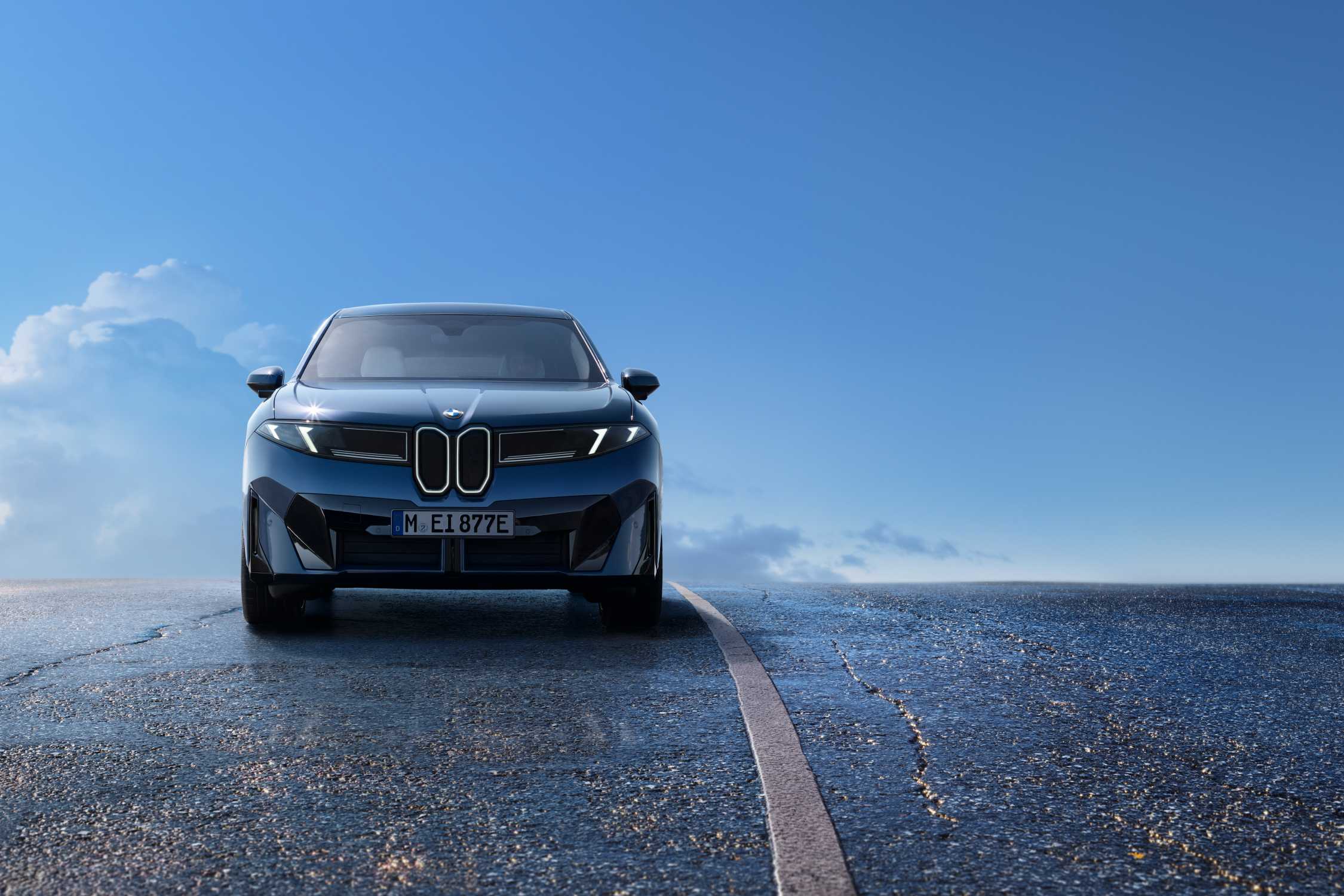
2027 Mercedes GLC Electric vs BMW iX3 in Canada: Should You Wait?
The BMW iX3 has confirmed Canadian pricing and 698 km of range. The Mercedes GLC Electric counters with 350 EPA miles, native NACS and a more traditional luxury-SUV pitch.
The 2027 BMW iX3 50 xDrive and 2027 Mercedes-Benz GLC 400 4MATIC Electric finally make German luxury EV shopping feel like a comparison between two serious mainstream SUVs rather than a choice between experimental side projects.
BMW has the cleaner Canadian sales pitch today. The iX3 starts at $75,900 CAD, offers up to 698 km of Canadian-certified range and supports 400-kW DC charging. Mercedes has not announced Canadian pricing or a Natural Resources Canada range figure, but its U.S. specification is strong: 350 miles of EPA range, a 94-kWh usable battery, 330-kW charging, 483 hp and a native NACS port.
The practical answer is simple. The iX3 is the safer reservation for a range-first Canadian buyer. The GLC Electric is worth waiting for if its familiar Mercedes cabin, native Supercharger connector and slightly more conventional luxury-SUV personality matter enough to accept an unfinished Canadian order sheet.
Quick Verdict
Choose the BMW iX3 50 xDrive if you want the known quantity. Its Canadian price, range and fall 2026 launch window are already published. The 698-km rating gives it an unusually large winter and highway buffer, while its 400-kW charging claim and 21-minute estimated 10-to-80-percent time keep road-trip stops competitive.
Wait for the Mercedes GLC 400 4MATIC Electric if you prefer Mercedes’ cabin design, want a native NACS port confirmed from the start and value the GLC’s generous rear-seat and cargo packaging. Its 350-mile EPA rating is excellent, but Canadian pricing, equipment, certified range and delivery timing still need to be confirmed.
The short answer is iX3 for maximum range and purchase certainty; GLC Electric for native NACS, MBUX and a potentially more traditional luxury experience.
| Item | 2027 BMW iX3 50 xDrive | 2027 Mercedes GLC 400 4MATIC Electric |
|---|---|---|
| Canadian starting price | $75,900 CAD before freight, fees, taxes and options | Not announced |
| Published range | Up to 698 km in Canada with 20-inch summer tires | 350 miles EPA; 331 miles with all-season tires in the U.S. |
| Drive system | Dual-motor xDrive all-wheel drive | Dual-motor 4MATIC all-wheel drive with front-motor disconnect |
| Power | 463 hp and 476 lb-ft | 483 hp and 590 lb-ft |
| Acceleration | 0-100 km/h in 4.9 seconds | 0-60 mph in an estimated 4.2 seconds |
| Electrical architecture | 800 V | High-voltage architecture supporting 330-kW DC charging |
| Maximum DC charging | 400 kW; estimated 10-80% in 21 minutes | 330 kW; about 10-80% in 22 minutes |
| Battery | BMW Canada does not state capacity on its consumer page | 94 kWh usable |
| Charging connector | Confirm Canadian connector and Supercharger access on the order sheet | Native NACS in North America |
| Cargo capacity | 520-1,750 litres plus a 58-litre frunk | 20.1-61.4 cu ft plus a 4.5-cu-ft frunk |
| Canadian timing | On sale in fall 2026; reservations open | Arriving soon; detailed Canadian timing not published |
| Best fit | Range-first buyer ready to reserve | Buyer willing to wait for Canadian price and equipment details |
Mercedes GLC Electric and BMW iX3 comparison gallery
13
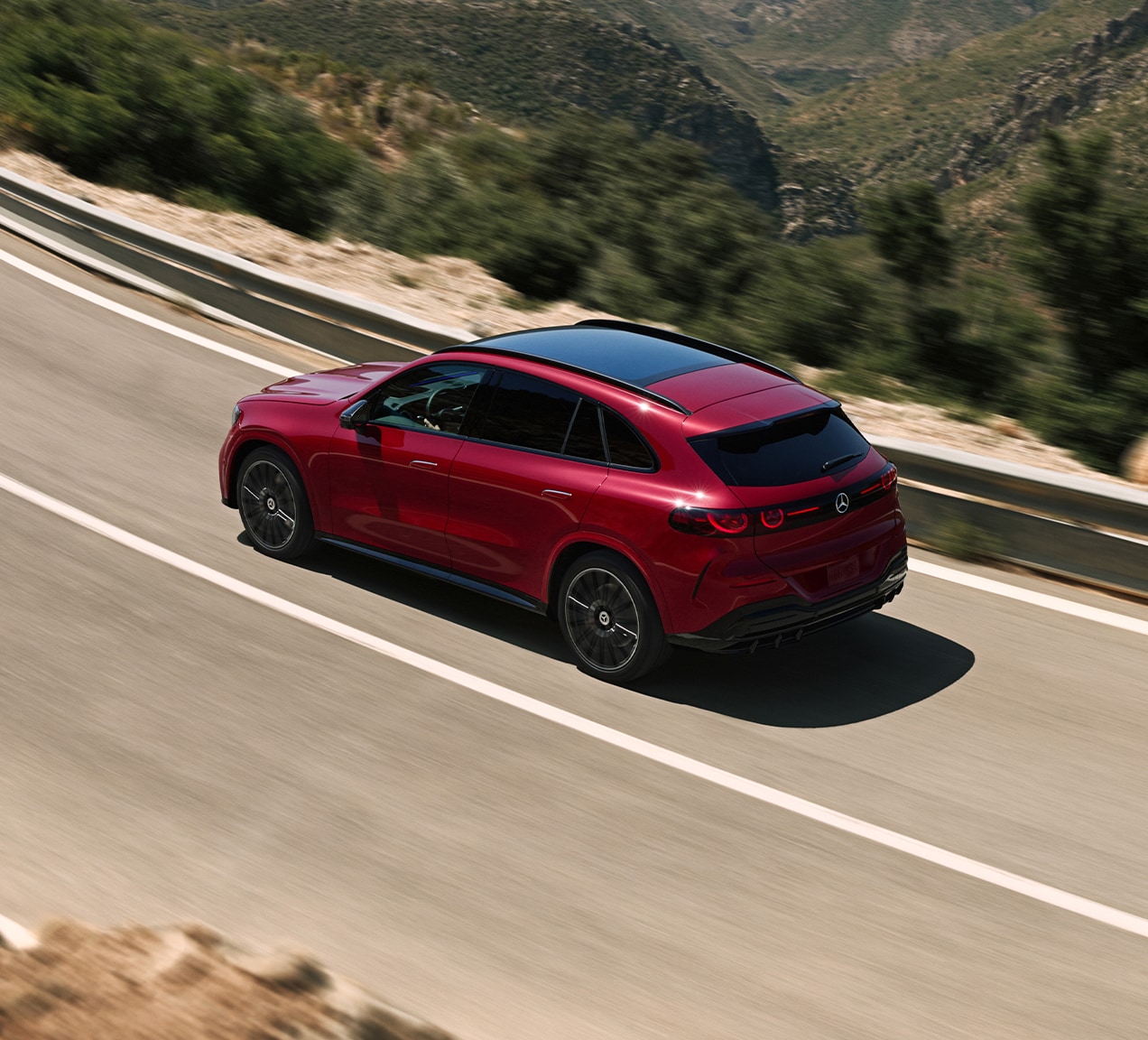
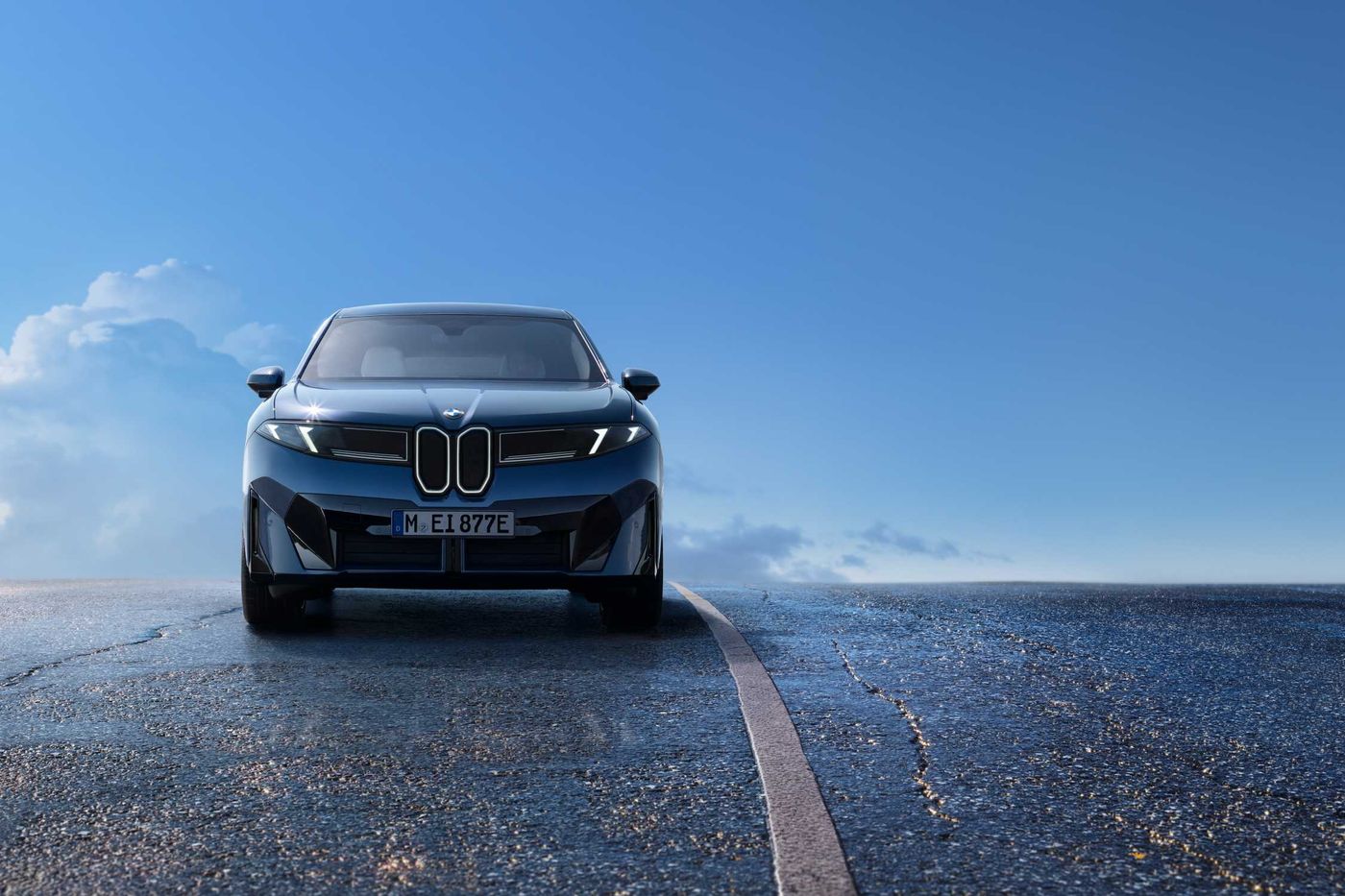
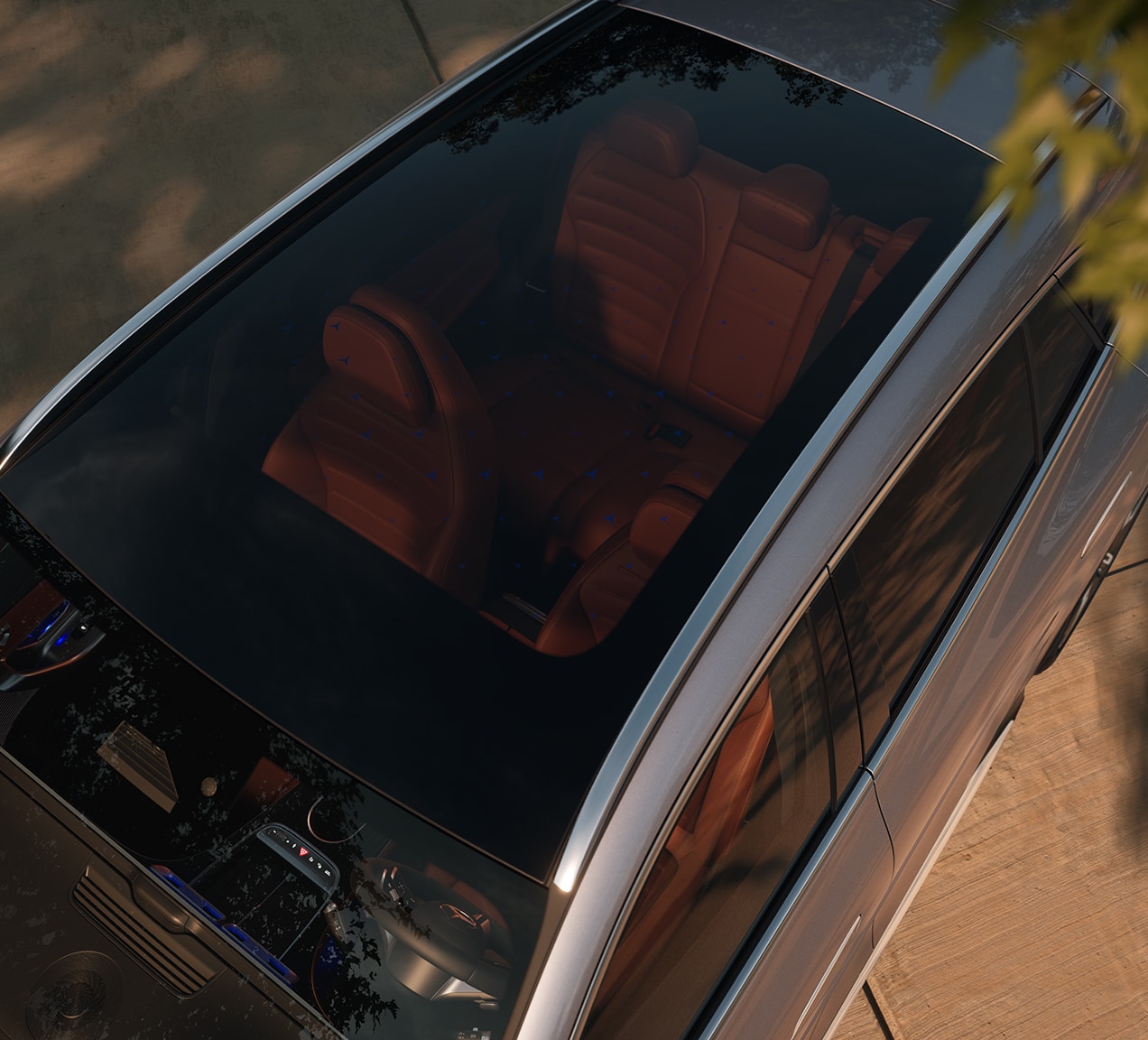
The electric GLC keeps Mercedes’ familiar midsize-SUV name while replacing the old EQC-style product strategy with a much more competitive platform.
The BMW Wins the Range Argument
The iX3’s headline number is difficult to ignore. BMW Group Canada lists up to 698 km using the Canadian test cycle. BMW ties that maximum to 20-inch summer tires, so winter tires and larger wheels will reduce the real result, but the starting buffer remains exceptional for a midsize electric SUV.
Mercedes-Benz USA rates the GLC Electric for 350 EPA miles on its standard tire configuration and 331 miles with all-season tires. Those numbers convert to roughly 563 km and 533 km, respectively, but a conversion is not a Canadian certification. Mercedes-Benz Canada still describes the vehicle as arriving soon without publishing a local range figure.
Even the friendliest comparison leaves BMW with the larger stated maximum. More important, the iX3’s Canadian number already gives shoppers something they can attach to a specific order. Mercedes buyers still need to see how local wheels, tires and standard equipment affect the GLC’s rating.
For a household that regularly drives long intercity routes, visits a cottage beyond dense charging coverage or wants a substantial cold-weather reserve, the BMW is the rational choice. The GLC’s range is still more than enough for most daily use, but it does not take the range crown.
Mercedes Counters With More Power and Native NACS
The GLC Electric produces 483 hp and 590 lb-ft of torque, compared with BMW’s listed 463 hp and 476 lb-ft. Mercedes estimates a 4.2-second run to 60 mph, while BMW estimates 4.9 seconds to 100 km/h. The measurements are not identical, but the Mercedes should be the stronger straight-line performer on paper.
That output comes from two permanently excited motors, a front-motor disconnect unit and a two-speed transmission. The hardware is intended to provide strong acceleration without forcing the front motor to remain engaged when it is not needed for traction or performance.
The connector may matter more than the extra power. Mercedes confirms a native NACS port for the North American GLC Electric, providing direct physical access to compatible Tesla Superchargers without a CCS-to-NACS adapter. BMW’s Canadian materials emphasize 400-kW charging and route planning, but buyers should confirm the physical connector, compatible Supercharger access and any included adapter on the final Canadian order sheet.
Native NACS does not guarantee that every charger will work or deliver peak power. Station generation, authorization, voltage, battery temperature and network software still matter. It does remove one piece of hardware from the process, which is useful on a cold or wet charging stop.
The iX3 Has the Higher Peak; Real Charging Could Be Close
BMW advertises 400-kW DC charging and an estimated 21-minute 10-to-80-percent session. Mercedes lists 330 kW and about 22 minutes for the same broad charge window.
That is a good reminder that peak power is not the same as total charging time. The iX3 can accept the higher headline rate, but Mercedes’ claimed full-session time is only one minute slower. Battery capacity, voltage, thermal conditioning and the shape of the charging curve determine how long the vehicle holds useful power after the peak appears.
Neither claim should be treated as a guaranteed Canadian winter result. A cold battery, busy or derated station, high starting state of charge, trailer, software issue or incompatible charger can stretch the stop. Route-based battery preconditioning and reliable station selection will matter more than winning a 70-kW peak-power argument on a specification table.
At home, either SUV should cover ordinary daily driving overnight on a properly sized Level 2 circuit. Mercedes lists an 11.5-kW onboard AC charger. BMW buyers should confirm the included cable, wallbox compatibility and maximum AC rate for the exact Canadian configuration before installation.
The GLC Feels More Familiar; The iX3 Is the Bigger Interface Reset
Mercedes has made a smart branding decision by calling this vehicle a GLC. It sits in a category Canadian luxury buyers already understand, and its basic packaging is useful: 40 inches of rear legroom, 20.1 cubic feet of cargo space behind the second row, up to 61.4 cubic feet with the seats folded and a 4.5-cubic-foot frunk.
Standard U.S. equipment includes a 10.25-inch driver display, 14-inch central screen and 14-inch digital trim panel. Higher trims can add a passenger display or the seamless 39.1-inch MBUX Hyperscreen, along with air suspension, rear-wheel steering, upgraded audio and more elaborate panoramic-roof lighting. Canadian packages may differ.
The iX3 is the more dramatic technology reset. Its Panoramic iDrive places information across the lower windshield area and works with a 17.9-inch central display and BMW Operating System X. BMW also lists 520 litres behind the rear seats, up to 1,750 litres with them folded and a 58-litre frunk.
The numbers suggest both can serve as primary family vehicles. The decision will be more personal inside: Mercedes’ layered screens and luxury options versus BMW’s windshield-wide information display and driver-focused interface. Use both systems before ordering if possible. Adjust climate settings, set a charge limit, find a charger, activate the cameras and turn driver assistance on and off. A beautiful interface becomes tiring quickly if common controls are difficult to reach.
Canadian Pricing Is the Missing Mercedes Number
The iX3 starts at $75,900 CAD before freight, fees, taxes and options. That does not make it affordable, but it is a clear and surprisingly competitive entry point for a 698-km premium EV.
Mercedes lists the GLC Electric from $63,500 USD, excluding a $1,450 destination charge. The comparable BMW starts at $61,500 USD before destination, so the GLC carries a $2,000 U.S. base-price premium. That gap should not be converted directly into a Canadian prediction. Equipment, exchange-rate strategy, freight and market positioning can all change the local relationship.
The right move is to wait for a Canadian MSRP and compare complete written quotes. Include freight, PDI, paint, wheels, driver-assistance subscriptions, winter tires, home charging, insurance and finance or lease cost. Check the current Canadian EV incentive and affordability guide rather than assuming either luxury SUV qualifies for a rebate.
Mercedes also needs to clarify which U.S. standard features carry over, how its digital extras are packaged in Canada and whether the most desirable suspension, rear-steering and screen equipment pushes the transaction price far above the base model.
Who Should Choose Each SUV?
Choose the BMW iX3 50 xDrive if:
- the largest available range buffer is the first priority
- Canadian price certainty matters more than waiting for another launch
- the vehicle will handle frequent intercity or rural travel
- Panoramic iDrive and BMW’s Neue Klasse technology are appealing
- a confirmed reservation path is more useful than an “arriving soon” page
Wait for the Mercedes GLC 400 4MATIC Electric if:
- native NACS charging is important
- stronger output and the familiar GLC identity are priorities
- MBUX, available air suspension and rear-wheel steering fit the luxury brief better
- the 350-mile U.S. rating already provides enough expected range
- you can delay a decision until Canadian pricing, equipment and certification arrive
Consider the Volvo EX60 P10 AWD as the third option if neither German SUV settles the decision. It starts close to the BMW in Canada, has native NACS, charges quickly and emphasizes safety and restrained cabin design. MotorLinks’ Volvo EX60 versus BMW iX3 comparison covers that matchup in detail.
Bottom Line
The BMW iX3 is the better Canadian buying proposition today. Its $75,900 starting price, 698-km range figure and fall 2026 timing are already on paper. It asks buyers to embrace BMW’s new interface and first-generation Neue Klasse hardware, but it answers the two questions that usually stop an order: how far and how much.
The Mercedes GLC Electric may become the more appealing luxury object. It is powerful, fast-charging, roomy, fitted with native NACS and built around a name buyers already recognize. Its problem is not the product specification. It is the missing Canadian order sheet.
Reserve the BMW if range and certainty matter most. Wait for the Mercedes if the cabin, connector and GLC identity matter enough to let Canadian pricing make the final call.
FAQ
Should Canadians wait for the Mercedes GLC Electric or reserve a BMW iX3?
Choose the BMW iX3 for confirmed Canadian pricing, up to 698 km of range and a published fall 2026 launch. Wait for the GLC Electric if native NACS, Mercedes cabin technology and familiar GLC packaging matter more than immediate price certainty.
Which has more range?
The iX3 is rated for up to 698 km in Canada with 20-inch summer tires. The GLC Electric is rated for 350 EPA miles in the United States, or 331 miles with all-season tires, but a Canadian-certified figure has not been announced.
Which charges faster?
BMW lists a 400-kW peak and an estimated 21-minute 10-to-80-percent session. Mercedes lists 330 kW and about 22 minutes. Real charging times depend on the station, battery temperature and charge curve.
How much will the Mercedes GLC Electric cost in Canada?
Mercedes-Benz Canada has not announced pricing. The U.S. model starts at $63,500 USD before a $1,450 destination charge.
Sources
- Mercedes-Benz USA: 2027 GLC 400 4MATIC Electric quick-reference guide
- Mercedes-Benz Canada: 2027 Electric GLC overview
- BMW Group Canada: 2027 iX3 pricing, range and timing
- BMW Canada: iX3 range, performance, charging and cargo