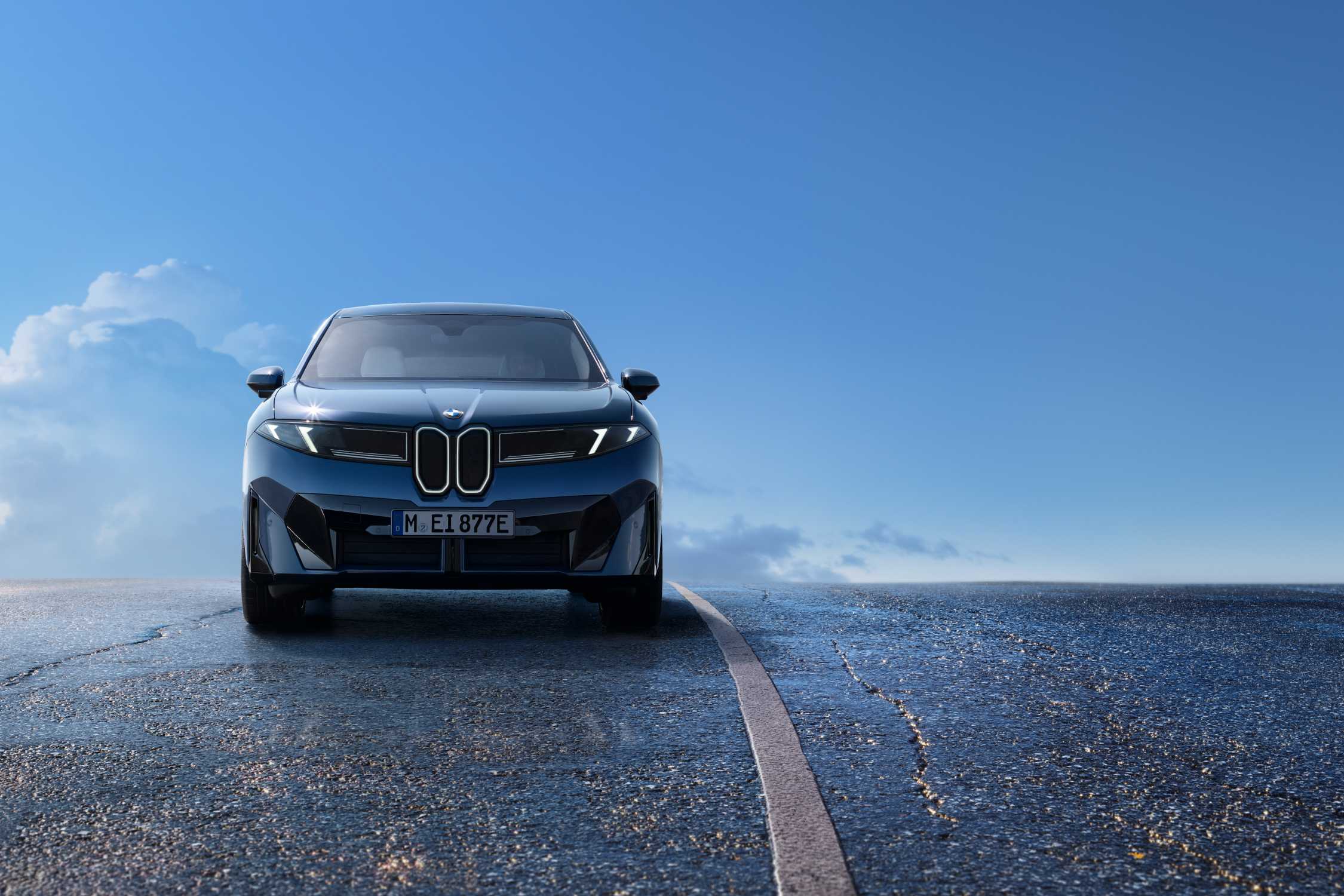
BMW iX3 Pricing Explained: Neue Klasse Just Got Real
BMW has confirmed U.S. and Canadian pricing, range, charging, and launch timing for the 2027 iX3 50 xDrive. The numbers make the first Neue Klasse SUV feel much more serious.
Photo: BMW
BMW’s Neue Klasse pitch is not theoretical anymore. The first production model now has real U.S. and Canadian prices, certified range figures, reservation timing, and a charging claim that gives it one of the strongest paper spec sheets in the premium electric SUV segment.
The 2027 BMW iX3 50 xDrive will start at $61,500 in the U.S., plus $1,350 destination and handling, when it reaches the market in September 2026. BMW says deliveries are set to begin in late September, and the U.S. configurator is already live with a $1,000 reservation deposit through participating retailers.
For Canada, BMW Group Canada has announced a starting price of $75,900 CAD, with sales beginning in fall 2026.
That alone would make the iX3 worth watching. The range headline needs its configuration: BMW’s U.S. release gives 434 miles EPA-estimated with 20-inch summer tires, compared with 383 miles on the standard 20-inch all-season tires. BMW Canada separately announces up to 698 km under NRCan testing; do not transfer the U.S. tire result to a Canadian winter setup. BMW also quotes 400-kW peak DC charging and 21 minutes from 10 to 80 percent under suitable conditions. These are configuration-specific ratings and manufacturer charging claims, not a guaranteed highway result.
In other words, this is not just another electric X3 with a different badge. This is BMW trying to make the first Neue Klasse SUV land like a proper reset.
The iX3 Numbers That Matter
| Item | 2027 BMW iX3 50 xDrive | Why it matters |
|---|---|---|
| U.S. price | $61,500 plus $1,350 destination and handling | Premium EV money, but not out of line for a well-equipped electric BMW SUV |
| Canadian price | $75,900 CAD starting MSRP | A surprisingly sharp Canadian number for a long-range luxury EV |
| Range | U.S.: up to 434 miles EPA with 20-inch summer tires; Canada: up to 698 km NRCan, configuration-dependent | Enough range to change the way buyers compare premium electric crossovers |
| Fast charging | Up to 400 kW; 10-80 percent in 21 minutes at a compatible 800V DC station | The hardware is ready for the next wave of faster public chargers |
| Launch timing | U.S. deliveries late September 2026; Canada fall 2026 | Close enough that shoppers can now compare it against real 2026 purchase decisions |
The range figure is the headline because it is the thing buyers feel every week. A 434-mile rating gives the iX3 more breathing room than most premium electric SUVs. It also gives BMW a cleaner answer to one of the questions that has followed its earlier EVs: are they efficient dedicated EVs, or simply very good BMWs carrying a heavy battery?
Neue Klasse is supposed to answer that. BMW says the iX3 uses sixth-generation eDrive technology with new electric motors, more energy-dense cylindrical battery cells, and an 800V electrical architecture. Compared with BMW’s fifth-generation eDrive setup, the company claims the new hardware cuts energy losses by 40 percent, weight by 10 percent, and manufacturing costs by 20 percent.
Those are company claims, and real-world testing still has to prove how much of that advantage drivers will feel. But the early evidence is promising. BMW’s final U.S. range estimate is meaningfully higher than the roughly 400-mile target it talked about when the iX3 was first shown, and the Canadian figure also landed above earlier expectations.
Why the Price Looks Smarter Than Expected
A $62,850 U.S. price after destination is not cheap. It is still luxury-SUV money, and well-optioned builds will climb quickly. BMW already lists packages such as Comfort, Driving Assistance Professional, M Sport, Parking Assistant, and Technology, plus standalone upgrades including Merino leather, metallic paint, a trailer hitch, Iconic Glow lighting, and a panoramic glass roof.
That matters because the attractive base number is only part of the story. A buyer who wants the full design-and-tech theater can easily push the iX3 into a higher bracket. BMW has always been good at the option-sheet game.
Still, the base model does not look like a stripped teaser. BMW lists major standard equipment including Panoramic Vision, the free-cut central display, perforated Veganza upholstery, Apple CarPlay and Android Auto capability, wireless device charging, Digital Key Plus, Driving Assistant Plus, Active Cruise Control with Steering Assistant, forward collision mitigation, lane keeping assistance, and active blind-spot detection.
That is important. If the cheapest iX3 had the big range number but felt obviously de-contented, the pricing story would be weaker. Instead, BMW appears to be using the iX3 as a technology beachhead. The company wants people to experience the new interface, the new powertrain behavior, and the new software layer without forcing every buyer into the top trim.
Canada is even more interesting. At $75,900 CAD, the iX3 lands in a space where premium EV shoppers can actually cross-shop it against mainstream fully loaded electric SUVs and luxury-brand alternatives without immediately feeling like the BMW is priced from another planet. For a brand-new architecture, that is a more aggressive move than many expected.
400-kW Charging Is Great, If You Can Find the Charger
The iX3’s charging claim is properly impressive: up to 185 miles of range added in 10 minutes, and 10-to-80 percent in 21 minutes, at a compatible 800V DC fast charger.
That last condition is doing a lot of work. The iX3 may be ready for 400-kW charging, but North American charging infrastructure is still uneven. Many public fast chargers top out at 150 kW or 350 kW, and actual speeds depend on charger capability, battery temperature, station voltage, software, and how crowded the site is.
So the better way to read BMW’s claim is this: the iX3 is built for the next phase of public charging, not just the network that exists today. That is the right move for a vehicle that will be sold into the late 2020s. A 400-kW peak may not show up every road trip in 2026, but it gives the SUV headroom as higher-power sites become more common.
The standard NACS port also matters. By the time iX3 deliveries begin, buyers will expect Tesla-style plug compatibility in North America. Connector choice alone does not guarantee a painless road trip, but NACS removes one awkward transition issue and helps BMW avoid launching a next-generation EV with yesterday’s charging hardware.
BMW iX3 official images: design, cabin, and sixth-generation eDrive hardware
13
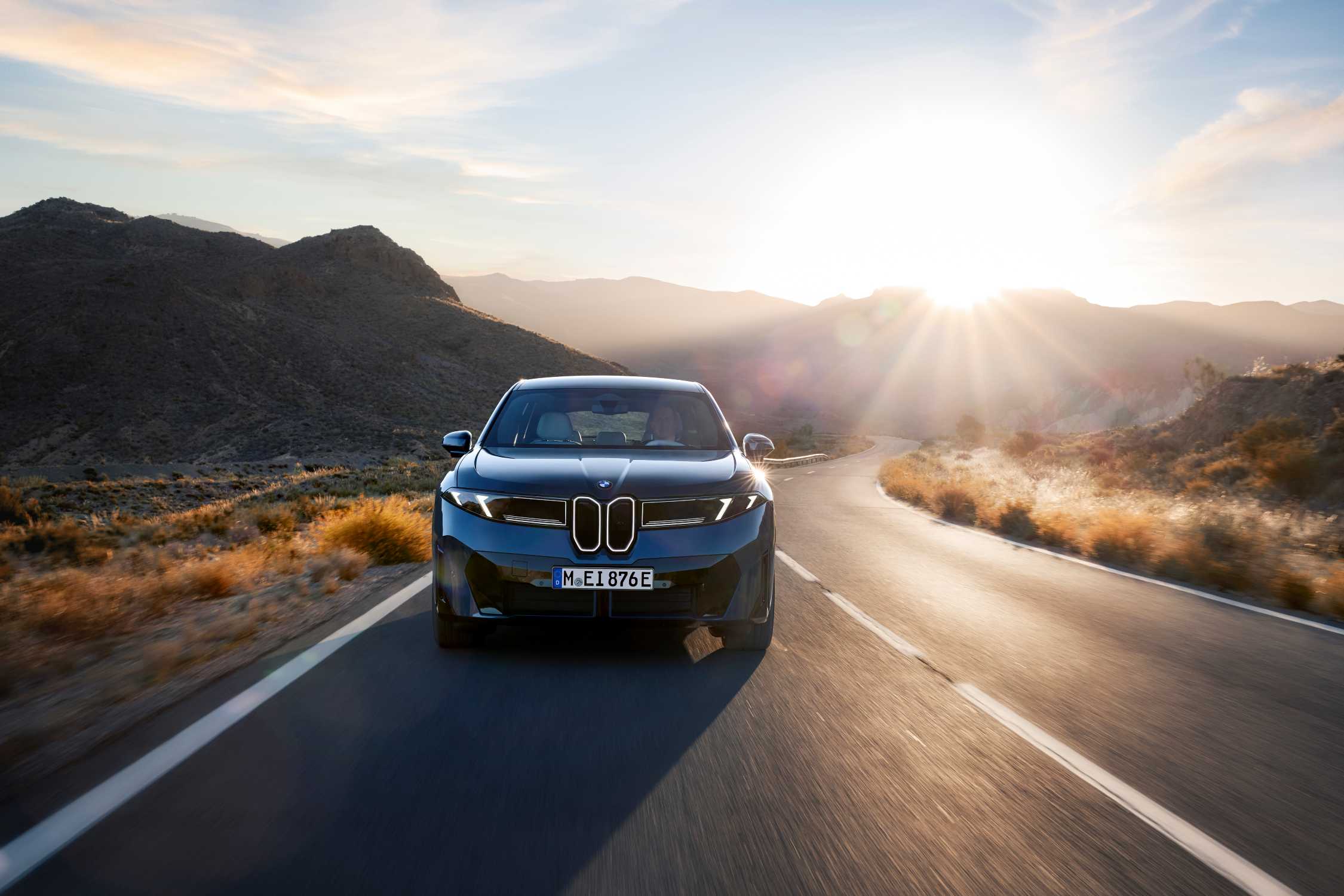
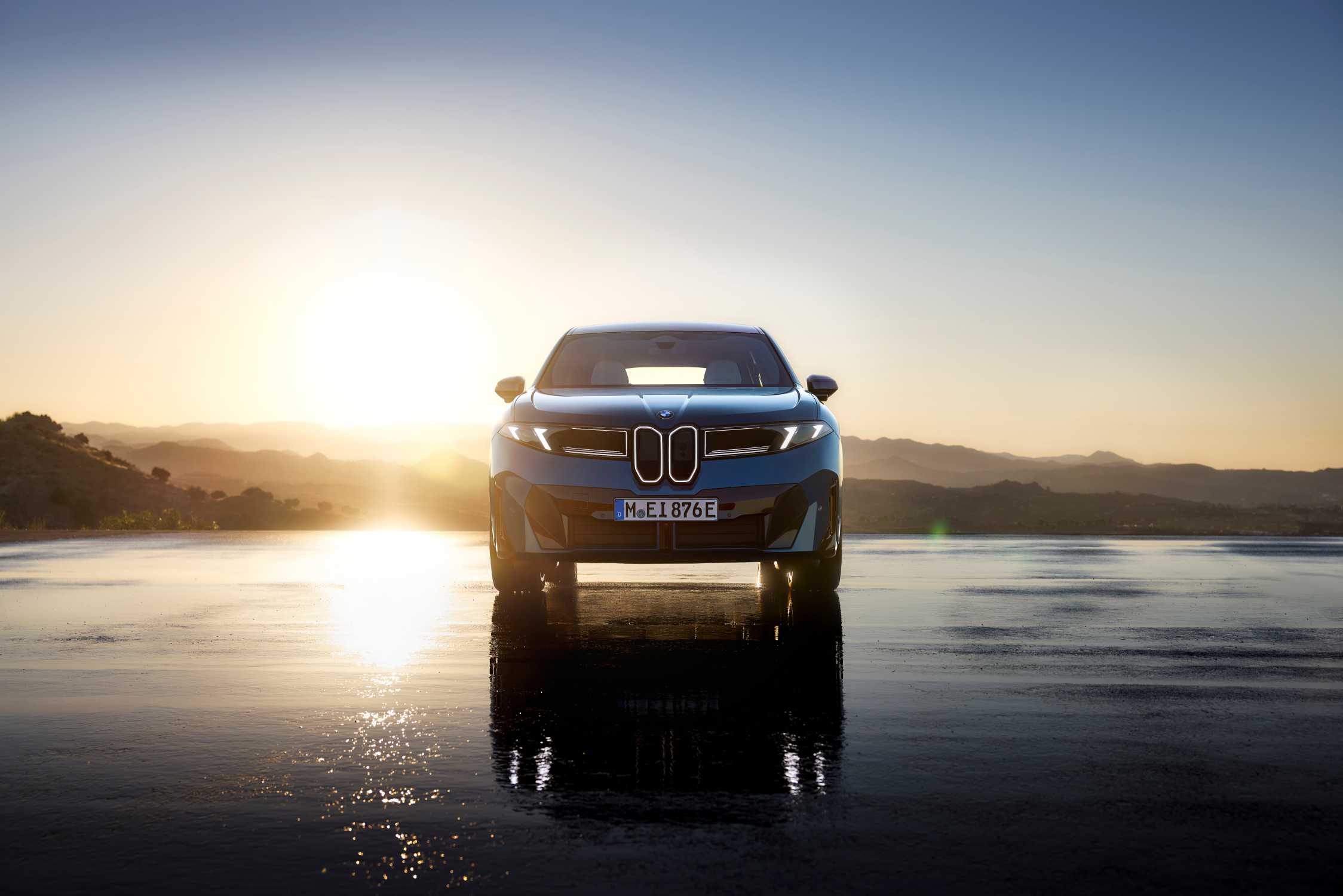

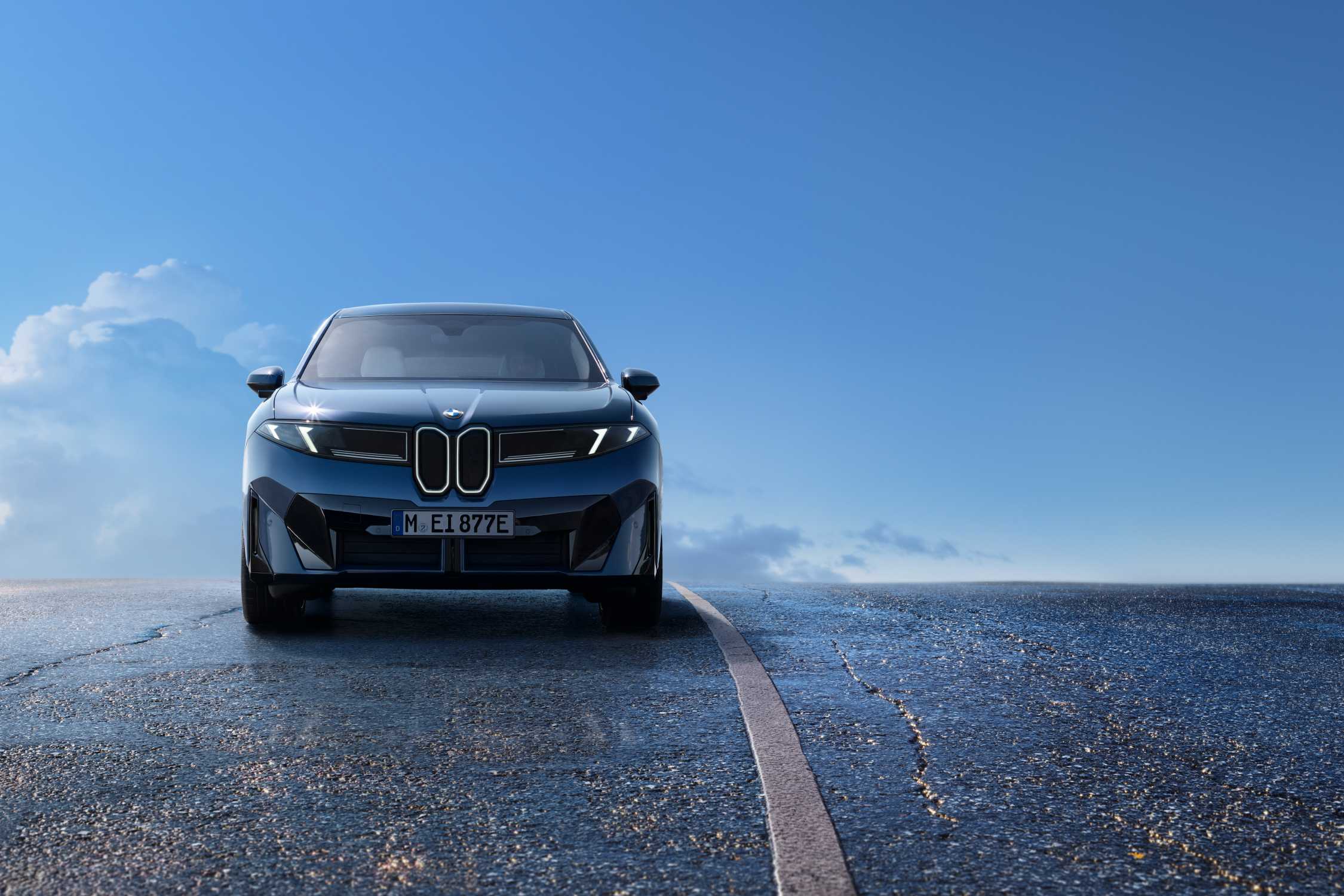
The new iX3 is the first production Neue Klasse model, so its proportions and surface language preview where BMW EV design is heading.
This Is Bigger Than One BMW SUV
The iX3 carries more pressure than a normal model launch because it is the first production Neue Klasse vehicle. That means it is not only competing with other electric SUVs; it is also carrying BMW’s broader argument about where the brand goes next.
The old BMW EV strategy was flexible. Some models shared architecture with combustion vehicles. Some were dedicated EVs. Some felt like pragmatic conversions, while others pushed harder on design and software. That approach let BMW move carefully, but it also meant the brand did not always have one clean EV story.
Neue Klasse is supposed to clean that up. The iX3 brings the new design language, Panoramic iDrive, BMW Operating System X, the “Heart of Joy” control system, sixth-generation eDrive hardware, and the new battery strategy into one production vehicle.
That is why the price matters so much. If BMW had launched the first Neue Klasse SUV with a sky-high sticker and a modest range claim, the technology story would have sounded like a rich-buyer preview. Instead, the iX3 looks positioned as a serious premium crossover that normal BMW shoppers can at least consider.
It is still not an affordable EV. But it is also not a concept-car promise hiding behind luxury pricing.
The Open Questions
There are still real unknowns.
First, EPA range is not the same as winter highway range, especially for Canadian buyers. A nearly 700-km rating gives the iX3 a lot of buffer, but cold weather, speed, tires, elevation, and cabin heat will still matter.
Second, charging curves matter more than peak charging speed. A 400-kW maximum looks great in a press release, but what really makes road trips easy is how long the vehicle can hold strong power once charging starts. BMW’s 21-minute 10-to-80 claim is encouraging, but independent testing will tell the fuller story.
Third, software has to be excellent. Panoramic iDrive looks like a major change, and BMW’s software has generally been more approachable than many rivals, but new interfaces can create new frustrations. The iX3 needs route planning, charger filtering, preconditioning, driver-assistance handoffs, and over-the-air updates to feel as polished as the hardware sounds.
Finally, transaction prices will matter. The base iX3 looks compelling. A heavily optioned iX3 may feel very different against established premium SUVs, discounted 2026 EVs, and Tesla’s habit of making sudden price moves.
The Bottom Line
The 2027 BMW iX3 50 xDrive now looks like one of the most important EV launches of 2026.
Not because it is radical-looking. Not because it is cheap. And not because one range number solves every EV ownership question. It matters because BMW has finally put real prices and real certified range behind the Neue Klasse promise.
A premium electric SUV with up to 434 miles of range, 400-kW charging capability, NACS, meaningful standard equipment, and a U.S. starting price just above $60,000 is a serious statement. The Canadian price makes the story even sharper.
The caveat is simple: BMW now has to make the real-world experience match the spec sheet. If the iX3 charges consistently, drives like a proper BMW, and makes Panoramic iDrive feel useful instead of gimmicky, Neue Klasse will arrive with real momentum.
For once, the numbers make the hype easier to believe.