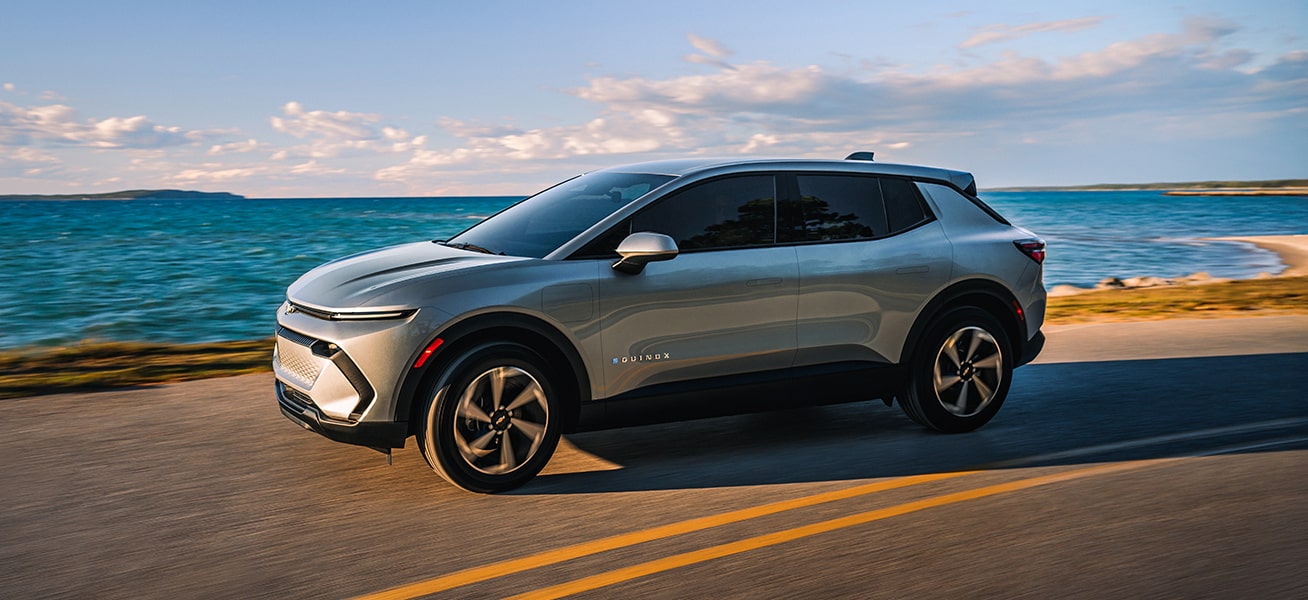
2026 Chevrolet Equinox EV vs Blazer EV in Canada: Value or Performance?
The Equinox EV is Chevrolet's range-and-value champion, while the Blazer EV brings more cargo space, bolder styling and a 615-hp SS option.
Image: Chevrolet
Cargo-source refresh — October 19, 2026: Chevrolet Canada’s Equinox EV page currently displays 1,620 litres maximum cargo volume, replacing this article’s 1,594-litre figure. Against the Blazer EV page’s 1,674 litres, the displayed difference is 54 litres. These are manufacturer-published maxima, not MotorLinks measurements. The old August configurator totals have not been recovered as dated quotations; they are historical claims pending verification, not current offers. Range, equipment and charging figures must retain their exact model-year/configuration conditions.
Chevrolet’s two mainstream electric crossovers overlap more than their names suggest. The 2026 Equinox EV and 2026 Blazer EV are both five-seat models with large Google-based dashboards, available front- or all-wheel drive and useful 500-km-class range. Their LT versions even use the same 85-kWh battery and 150-kW maximum DC charging rate.
The practical differences are price, packaging and personality. The Equinox EV is the sharper value and range choice. The Blazer EV gives buyers a little more maximum cargo room, a more aggressive shape and access to the genuinely quick 615-hp SS. For most households, the smaller Chevrolet wins the spreadsheet. The larger one wins when design or performance is part of the brief.
Quick Verdict
Buy the Equinox EV LT FWD if value, range and sensible running costs lead the decision. Chevrolet Canada’s configurator showed $49,643 when checked August 17, 2026, and Chevrolet lists up to 513 km of range. Its 19-inch wheels should also make winter-tire shopping less painful than the 21- and 22-inch packages offered higher in these lineups.
Buy the Blazer EV LT FWD if the larger body, bolder styling and extra 54 litres of maximum cargo volume are worth paying for. Its listed range is still strong at up to 502 km, and it keeps the same 150-kW charging ceiling as the Equinox EV.
Choose AWD in either model only when steep roads, rural routes or inconsistent snow clearing make the second motor useful. Proper winter tires remain the more important grip purchase.
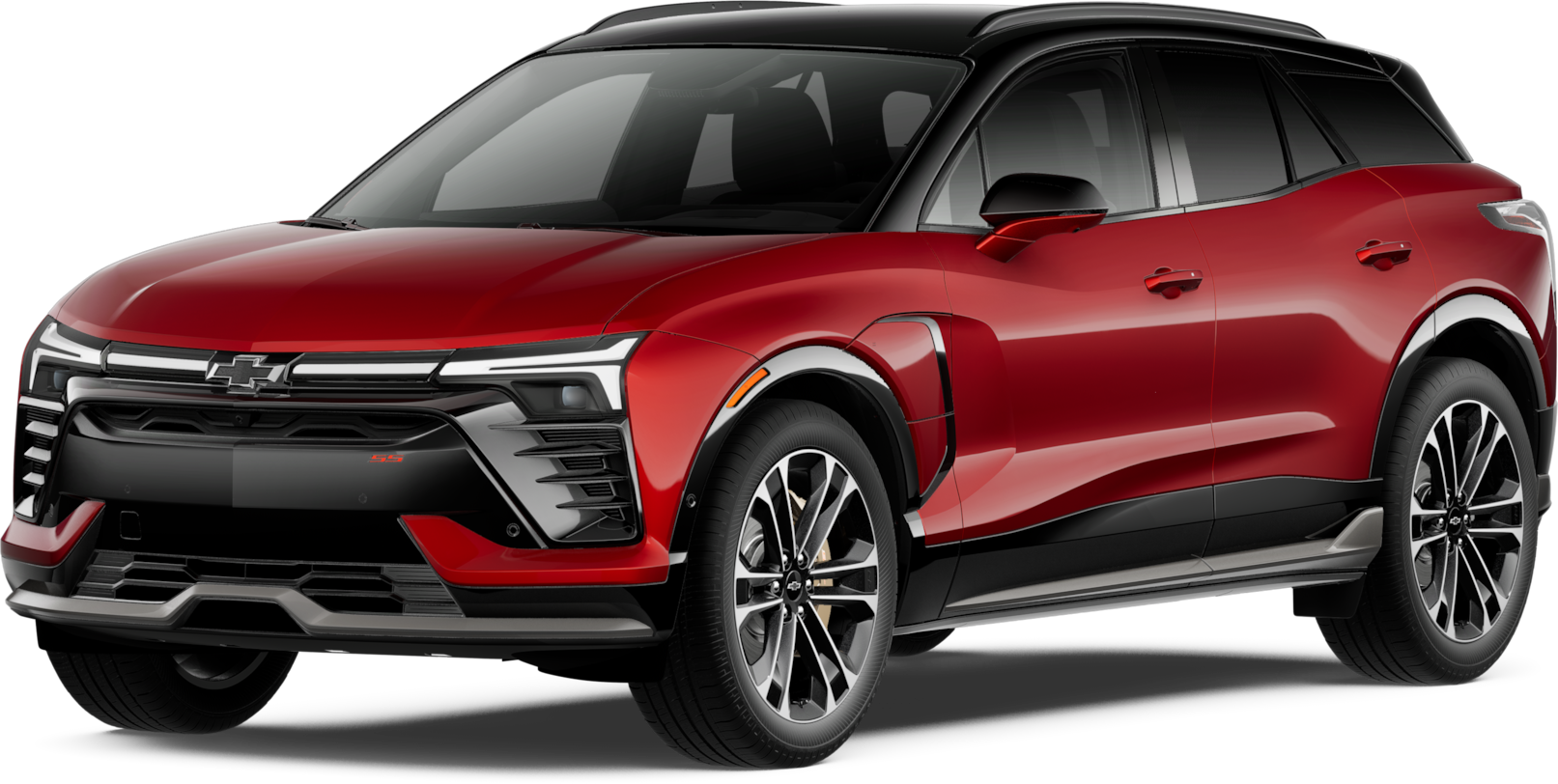
Buy the Blazer EV SS if acceleration is central to the appeal. Its 615 hp, standard AWD and claimed 3.4-second run from 0 to 96 km/h turn this from a family-crossover comparison into a performance decision. Nothing in the Equinox EV range directly matches it.
| Item | 2026 Equinox EV | 2026 Blazer EV |
|---|---|---|
| Best-value configuration | LT FWD | LT FWD |
| Maximum listed range | Up to 513 km FWD | Up to 502 km FWD |
| LT/RS battery | 85 kWh | 85 kWh |
| LT/RS maximum DC rate | 150 kW | 150 kW |
| Maximum cargo volume | 1,620 L | 1,674 L |
| Maximum towing rating | 1,500 lb | 1,500 lb |
| Performance model | None | SS: 615 hp, 0–96 km/h in 3.4 sec |
| Best for | Range, price and lower-cost practicality | Style, a little more cargo room or serious performance |
2026 Chevrolet Equinox EV and Blazer EV comparison gallery
14

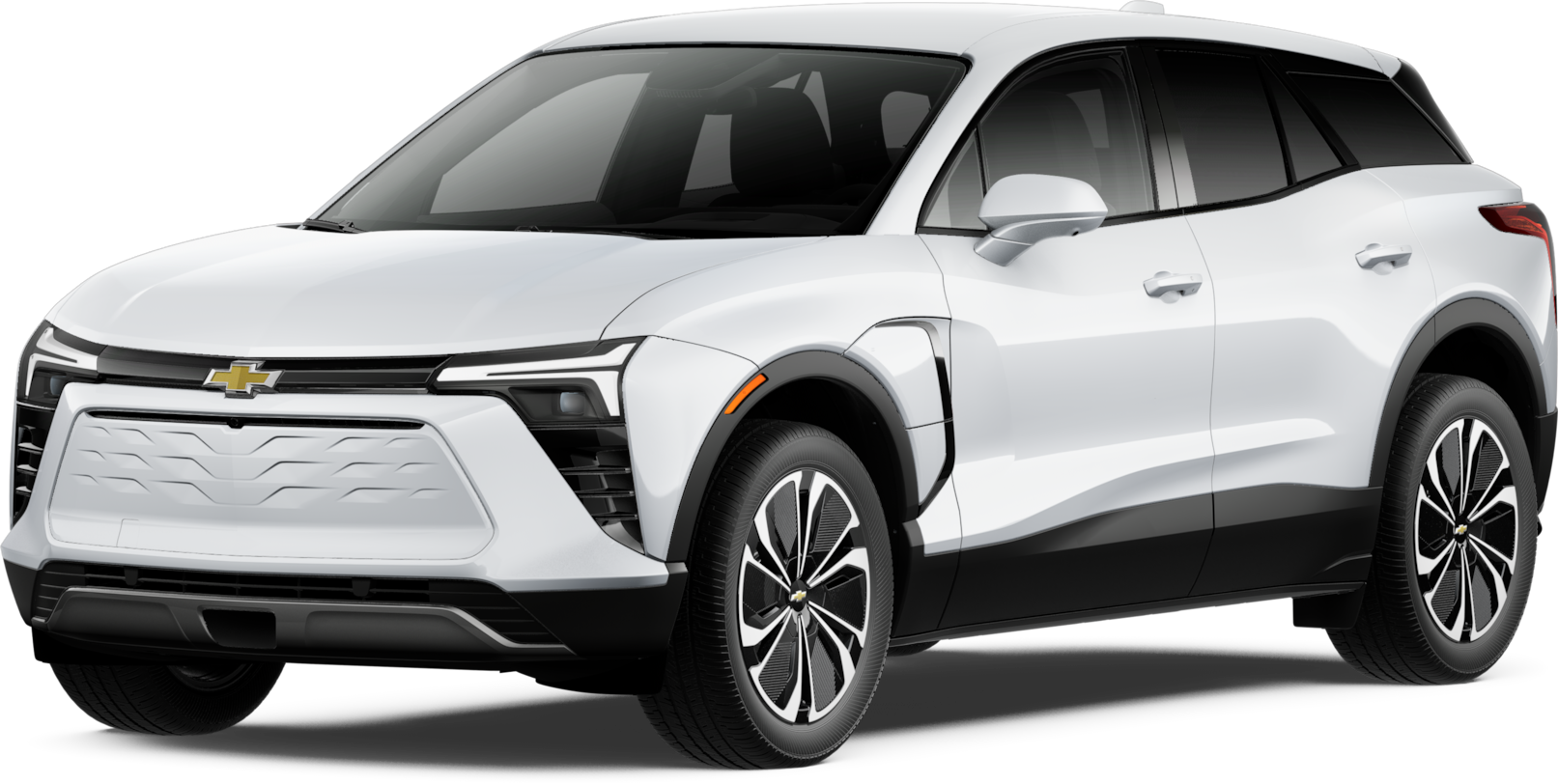
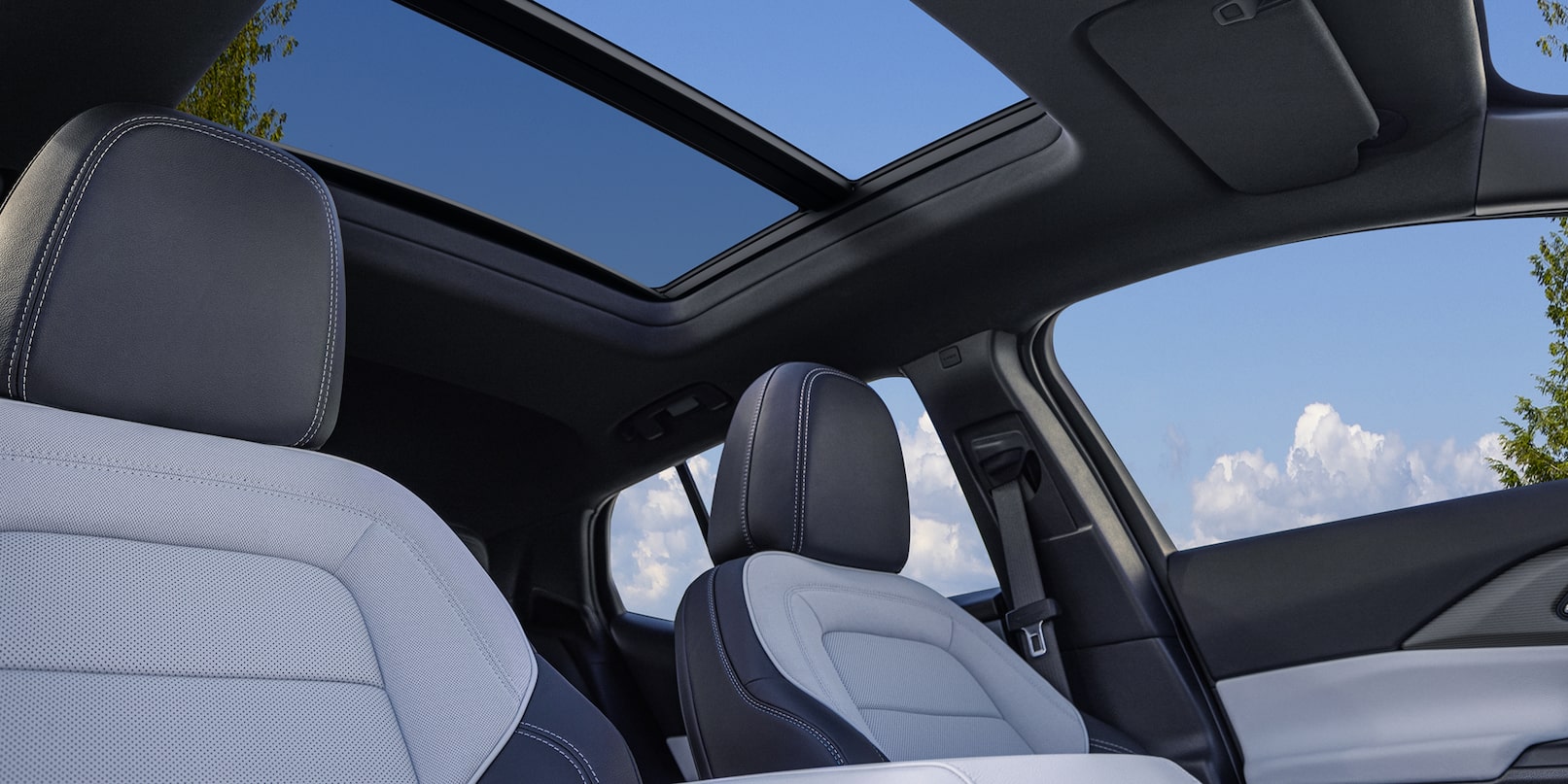
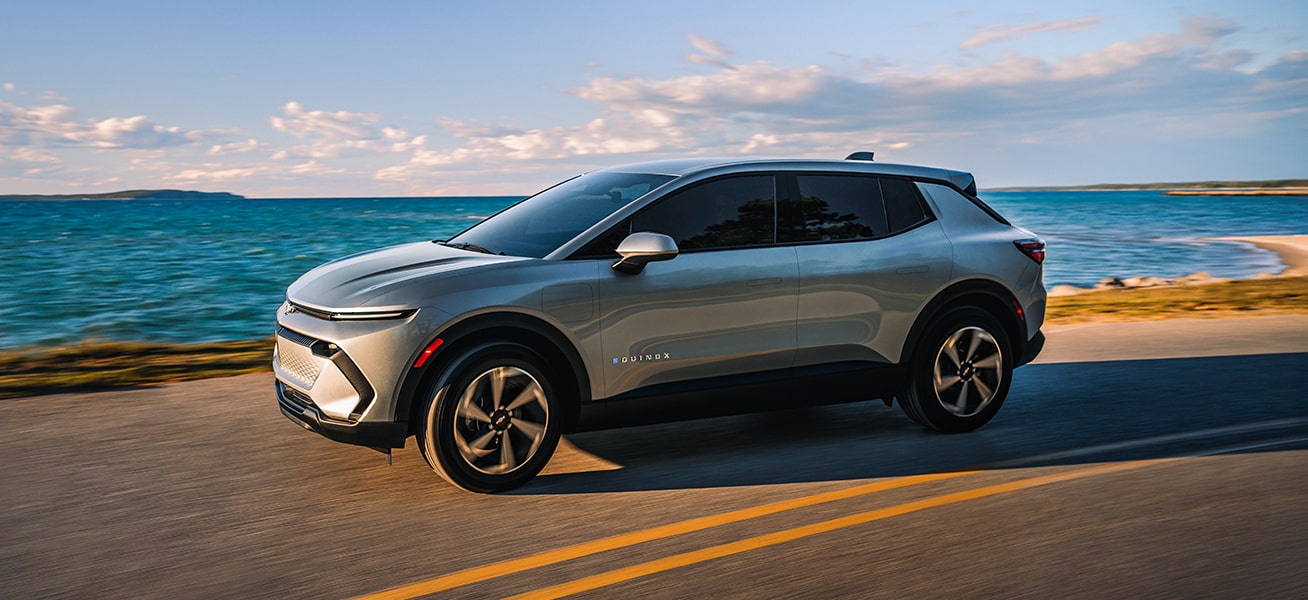

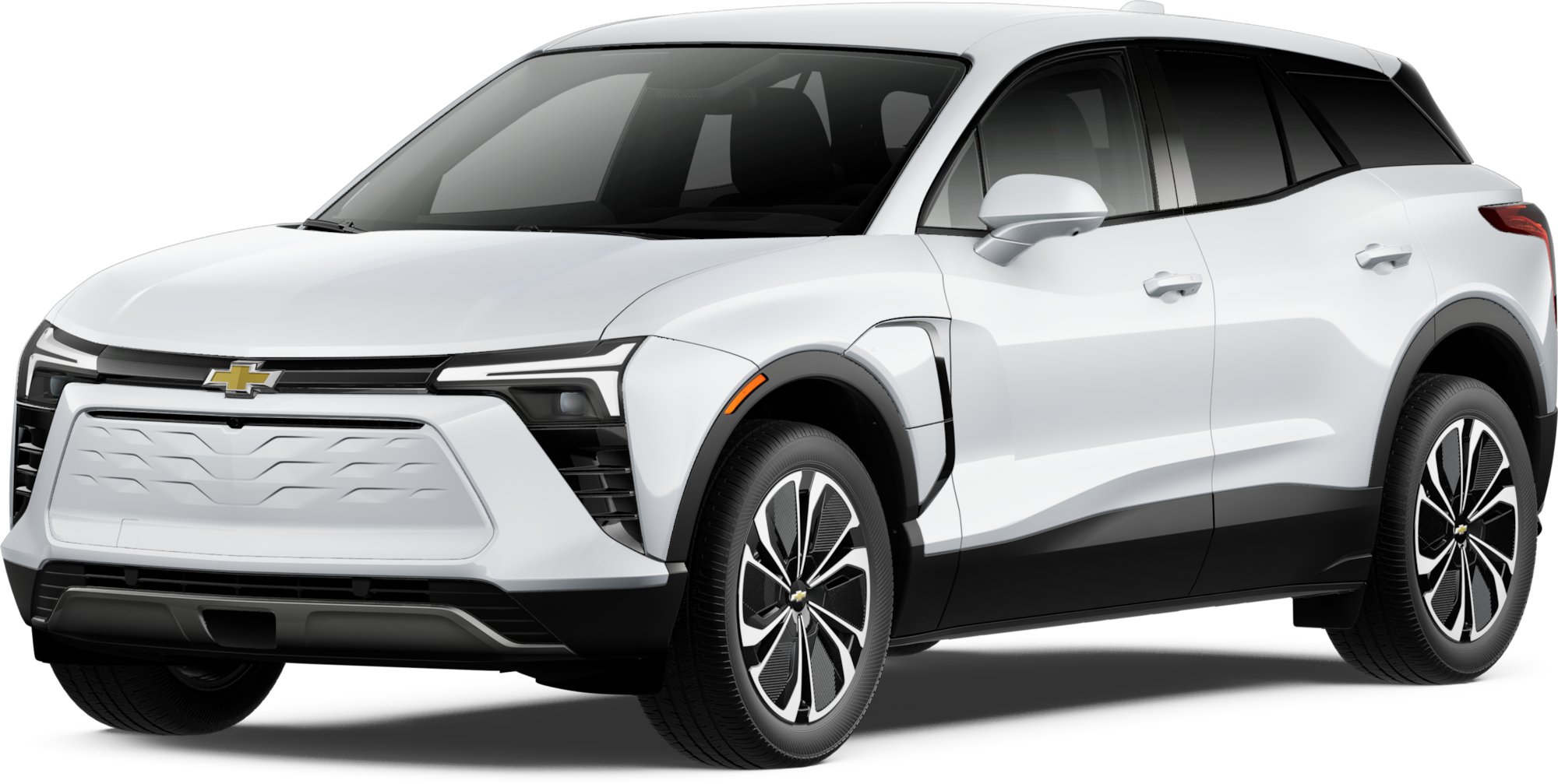
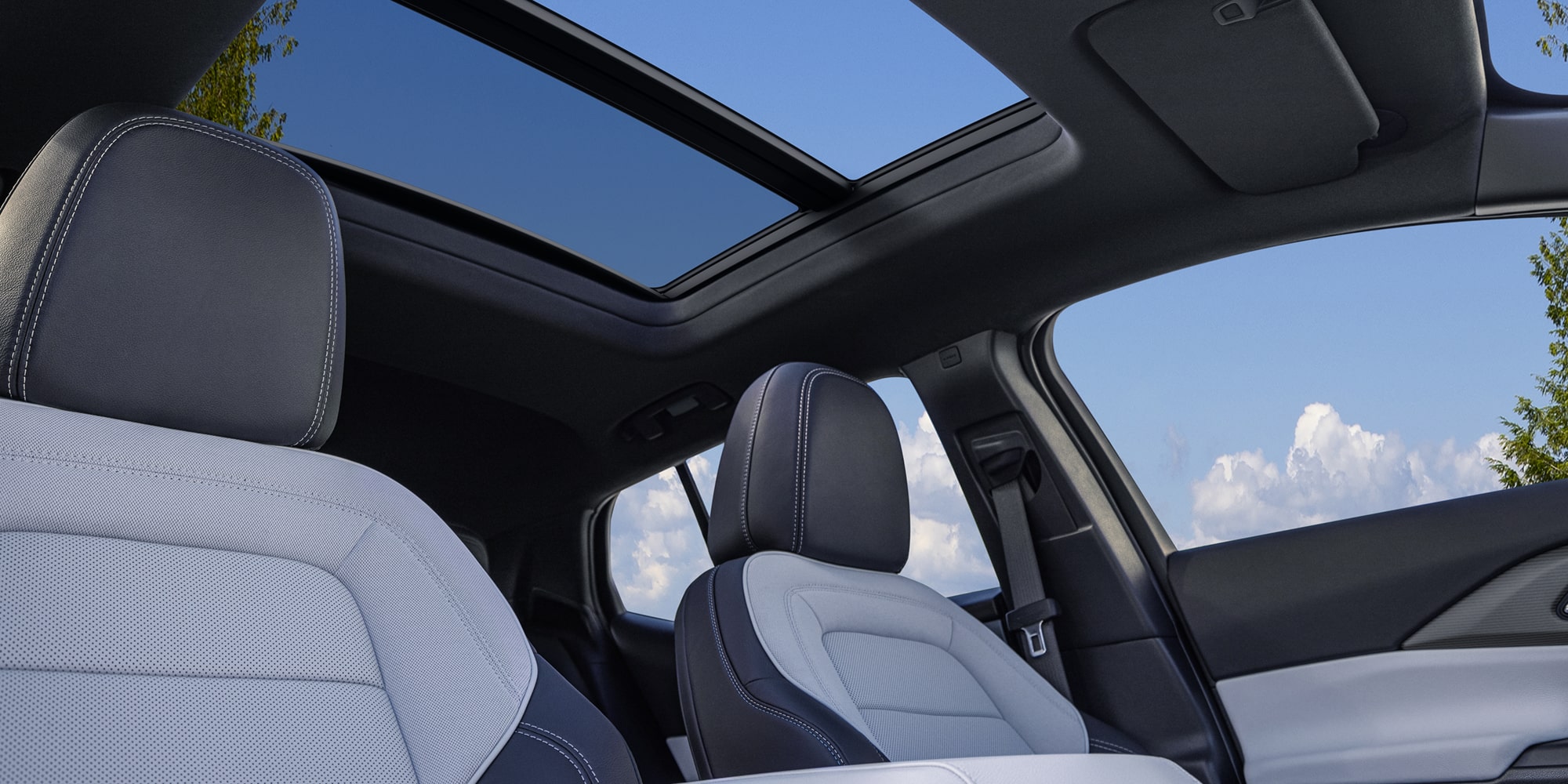
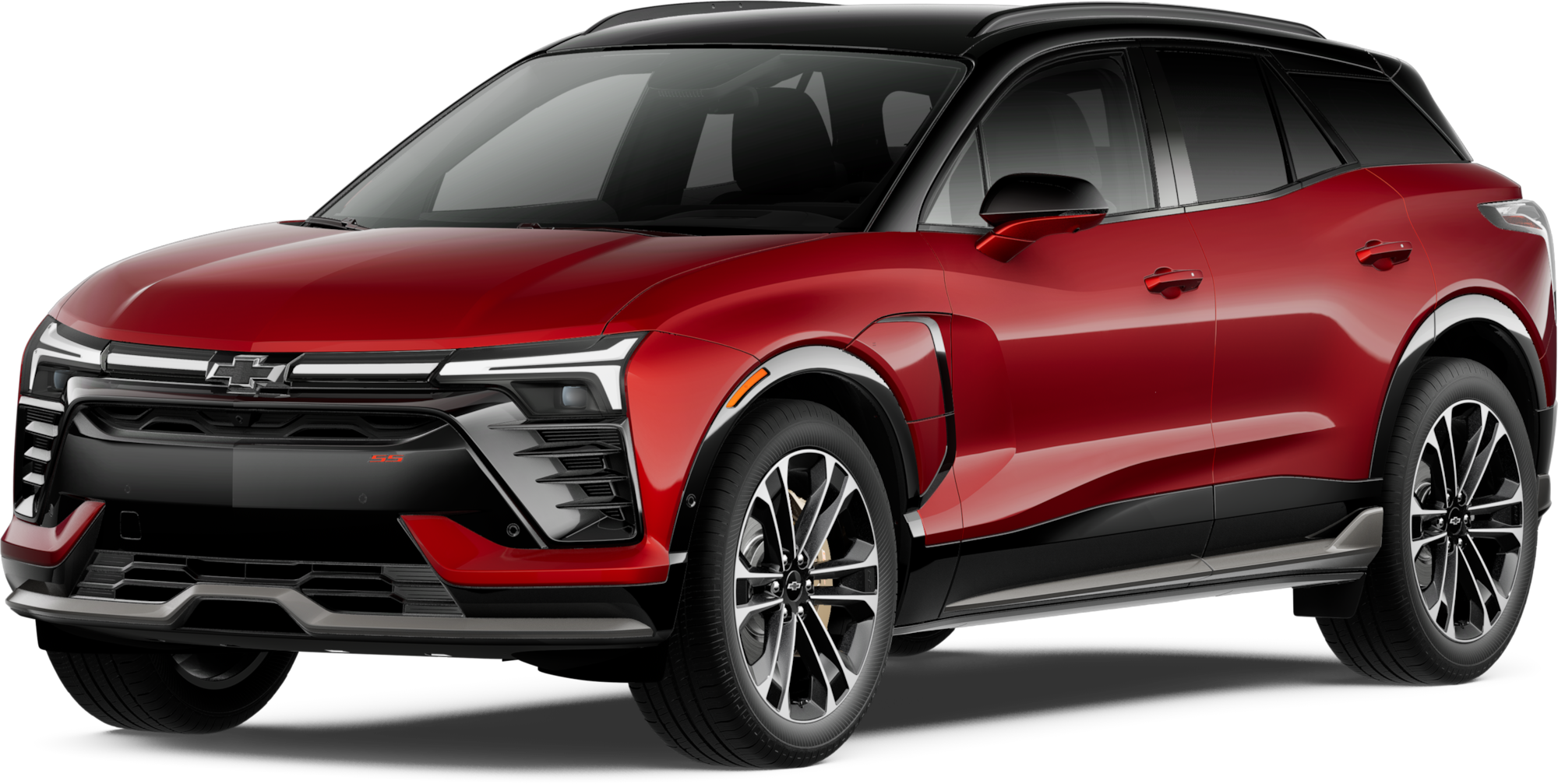
The Equinox EV LT is the value play, with 19-inch wheels and up to 513 km of listed range in FWD form.
The Equinox EV Makes the Better Financial Case
The Equinox EV LT FWD gets to the heart of Chevrolet’s electric proposition. It has the longest official range in this pairing, the same 17.7-inch centre display as the Blazer EV and enough cargo room that the larger vehicle’s advantage is smaller than its name implies.
Chevrolet lists 1,620 litres behind the Equinox EV’s front seats, compared with 1,674 litres in the Blazer EV. A 54-litre difference can matter for bulky gear, but it is not a dramatic class jump. Families should bring the stroller, hockey bags or dog crate to the showroom rather than assuming the Blazer badge guarantees substantially more useful space.
Price widens the gap. The Equinox EV LT FWD sat just below $50,000 in Chevrolet Canada’s Ontario configurator when checked. A Blazer EV LT AWD example was $62,643 on August 18. Those are not equivalent drivetrain quotes, so they should not be treated as a precise model-to-model surcharge, but they show why written, like-for-like dealer totals are essential. The Blazer can move a household into a very different payment bracket.
The Equinox EV may also fit current affordability-program rules in configurations the Blazer does not. Program thresholds, buyer eligibility and transaction details change, so use MotorLinks’ Canadian EV incentive guide and get written confirmation for the exact vehicle before counting a rebate.
The Blazer EV Is the More Emotional Choice
The Blazer EV looks lower, wider and more assertive. RS builds on that with black exterior trim, animated lighting and 21-inch wheels. Chevrolet gives it a stronger road presence without sacrificing the five-seat layout or useful range.
That visual upgrade is the main reason to choose LT or RS over a comparable Equinox EV. The regular Blazer EV does not deliver a major charging breakthrough: LT and RS still peak at 150 kW, and their 85-kWh battery matches the Equinox EV’s published capacity. Buyers are paying for shape, cabin feel, slightly more cargo space and the option structure around them.
There is nothing wrong with making an emotional choice. A vehicle is used every day, and liking how it looks has real value. The important point is to recognize what the premium buys. RS is not secretly the longer-range or faster-charging Chevrolet.
SS changes the argument. Chevrolet fits a 102-kWh battery, raises maximum DC charging to 190 kW and claims 615 hp. Wide Open Watts mode delivers the quoted 3.4-second sprint, while standard Super Cruise capability adds hands-free driver assistance on compatible mapped roads. It is excessive for the school run and genuinely interesting because of it.
Range and Charging Are Nearly a Draw
The Equinox EV carries an 11-km headline advantage: up to 513 km for FWD versus 502 km for the Blazer EV FWD. That is useful but not decisive. Temperature, highway speed, wind, winter tires and cabin heat can erase a gap that small on one difficult trip.
AWD reduces range in both lineups. Chevrolet lists up to 494 km for the Equinox EV AWD, while NRCan lists 455 km for the Blazer EV LT/RS AWD. The larger difference makes the Equinox EV AWD the stronger range choice for buyers who want two motors.
Charging performance is less differentiated. Chevrolet estimates about 42 minutes from 10 to 80 percent for the Equinox EV and about 39 minutes for the Blazer EV LT and RS under suitable conditions. Those are adequate road-trip stops, not class-leading ones. An 800-volt rival may spend less time at a powerful charger, though both Chevrolets can compensate with useful distance between stops.
Home Level 2 charging matters more for ordinary ownership. Both can replenish a normal commute overnight on an appropriately sized circuit. Get an electrical assessment before ordering equipment because panel capacity, cable distance and permit requirements can materially change installation cost.
Both Canadian models use a CCS inlet rather than a native NACS port. A GM-approved NACS DC adapter enables access to compatible Tesla Superchargers through the myChevrolet app. MotorLinks’ native NACS versus adapter guide explains the practical difference.
Cabin Tech: Pick the Vehicle, Not the Screen
The dashboard will not settle this comparison. Both feature a 17.7-inch centre touchscreen and 11-inch driver information display, with Google built-in for navigation, apps and voice functions. Both also omit Apple CarPlay and Android Auto.
That omission deserves a real test before purchase. Pair the phone, enter a familiar destination, try the audio services used every day and ask which connected features require a paid data plan after any trial. The interface may work well for many owners, but switching ecosystems is easier to evaluate in a showroom than after delivery.
LT is the practical trim in both lineups. It keeps the core screens and driver-assistance equipment while using 19-inch wheels. RS leans into appearance and larger wheels, which can increase replacement and winter-tire costs. Price a dedicated winter setup before selecting a trim; the wheel design that looks best in August can produce an unpleasant November invoice.
Which Chevrolet EV Should Canadians Buy?
Start with an Equinox EV LT FWD quote. It is the better answer for most urban and suburban households because it maximizes range, controls purchase price and gives up surprisingly little cargo room.
Move to Equinox EV LT AWD when winter travel regularly includes steep, poorly cleared or rural roads. The official range penalty is modest, but the second motor still does not improve braking grip. Fit quality winter tires either way.
Choose a Blazer EV LT or RS because the design and extra space matter after seeing both vehicles in person. Compare equivalent FWD or AWD quotes, including wheel-and-tire costs, rather than judging the premium from badges alone.
Choose the Blazer EV SS because performance is the point. It is the only version here that provides a fundamentally different powertrain experience. For everyone else, the Equinox EV remains Chevrolet’s more convincing electric-SUV value.
Should Canadians buy the Equinox EV or Blazer EV?
Most buyers should choose the Equinox EV LT FWD for its lower price, 513-km listed range and nearly Blazer-sized cargo capacity. Choose the Blazer EV for its styling, slightly greater maximum cargo volume or the 615-hp SS model.
Which has more range?
The Equinox EV FWD leads at up to 513 km. Chevrolet lists up to 502 km for the Blazer EV FWD. AWD versions travel less, and actual range depends on conditions.
Which charges faster?
The Equinox EV and Blazer EV LT and RS all peak at 150-kW DC charging. The Blazer EV SS raises the peak to 190 kW, but it also has a larger 102-kWh battery.
Can both use Tesla Superchargers in Canada?
Yes. Both can use compatible Tesla Superchargers with a GM-approved NACS DC adapter and activation through the myChevrolet app.