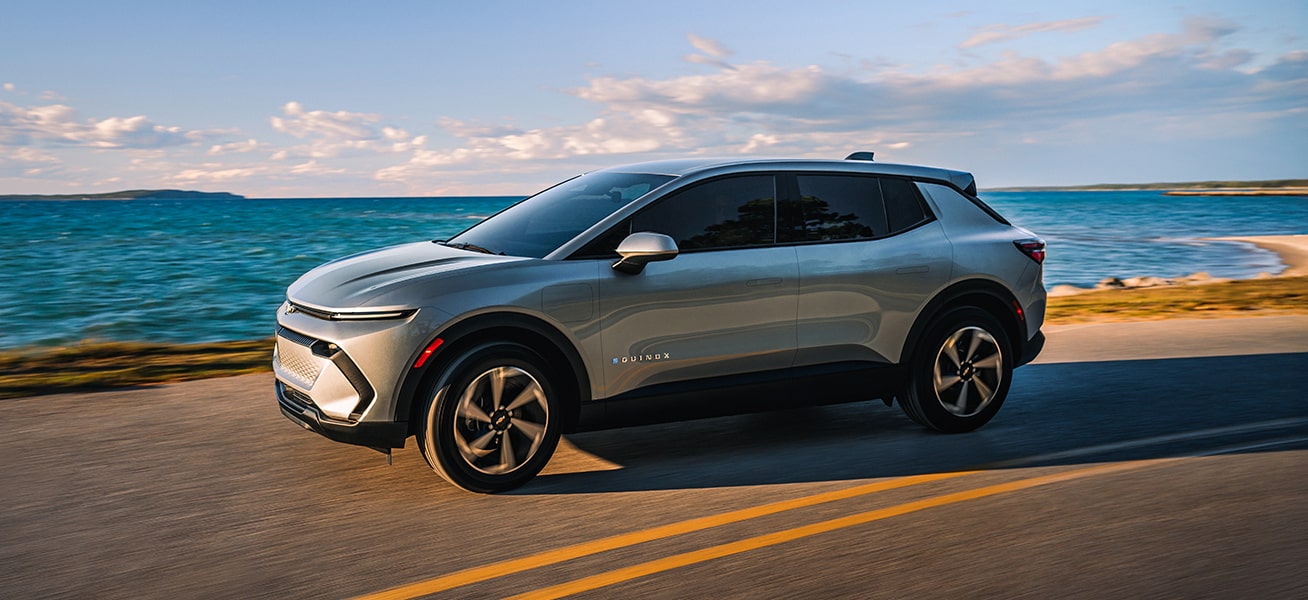
2026 Chevrolet Equinox EV vs Hyundai IONIQ 5 in Canada: Value or Faster Charging?
The Chevrolet Equinox EV costs less and goes farther, while the Hyundai IONIQ 5 charges much faster and has native NACS. Here is how Canadian buyers should choose.
The 2026 Chevrolet Equinox EV and 2026 Hyundai IONIQ 5 are separated by only nine kilometres of maximum advertised range. Their prices, charging systems and cabin philosophies are much farther apart.
Chevrolet’s front-wheel-drive Equinox EV LT starts at a $46,199 vehicle price before freight and other fees, and Chevrolet Canada currently advertises a $49,598 starting price with freight and specified charges included. Hyundai lists the rear-wheel-drive IONIQ 5 Preferred Long Range at $55,499 MSRP, or roughly $58,500 with the charges shown by Hyundai Canada before sales tax.
That gives the Chevrolet a substantial price advantage. The Hyundai earns some of that money back in capability: its 800-volt electrical architecture can support a much shorter fast-charging stop, it uses a native NACS port for compatible Tesla Superchargers, and it includes wireless Apple CarPlay and Android Auto.
Quick Verdict
Choose the Chevrolet Equinox EV LT FWD if this is a value-led family purchase. It costs about $9,300 less by base MSRP, offers up to 513 km of range, has a useful upright cargo area and may fit Canada’s EVAP rules in an eligible transaction. It is the stronger recommendation for a household that charges at home and only occasionally fast-charges on the road.
Choose the Hyundai IONIQ 5 Preferred Long Range if road-trip charging speed and connector simplicity matter enough to justify the premium. Hyundai lists up to 504 km of range, estimates 10 to 80 percent in about 18 minutes on a compatible 350-kW charger with the included CCS DC adapter, and provides native NACS access without making a Tesla adapter the normal plan.
The short answer is Equinox EV for range-per-dollar; IONIQ 5 for charging performance and a more flexible technology package.
| Item | 2026 Chevrolet Equinox EV LT FWD | 2026 Hyundai IONIQ 5 Preferred Long Range RWD |
|---|---|---|
| Canadian base price | $46,199 vehicle price; Chevrolet advertises $49,598 including freight and specified fees | $55,499 MSRP; Hyundai shows about $58,500 with delivery and specified fees |
| Maximum listed range | 513 km | 504 km |
| Battery | Capacity not stated by Chevrolet Canada | 84 kWh |
| Drive and output | Front-wheel drive, 213 hp | Rear-wheel drive, 168 kW (225 hp) |
| NRCan combined energy use | 19.3 kWh/100 km | 16.9 kWh/100 km |
| DC fast charging | Up to 150 kW | 10–80% in about 18 minutes on a compatible 350-kW charger with CCS DC adapter |
| Charge port | CCS; compatible Tesla Supercharger access requires GM-approved NACS DC adapter | Native NACS; CCS AC and DC adapters included |
| Maximum cargo claim | 1,620 litres | Sliding rear seats and flexible hatchback cabin; check the exact load space with your gear |
| Phone integration | Google built-in; no factory Apple CarPlay or Android Auto | Wireless Apple CarPlay and Android Auto standard |
| Best fit | Value-focused household with reliable home charging | Frequent road-tripper who values fast charging and native NACS |
2026 Chevrolet Equinox EV and Hyundai IONIQ 5 comparison gallery
14
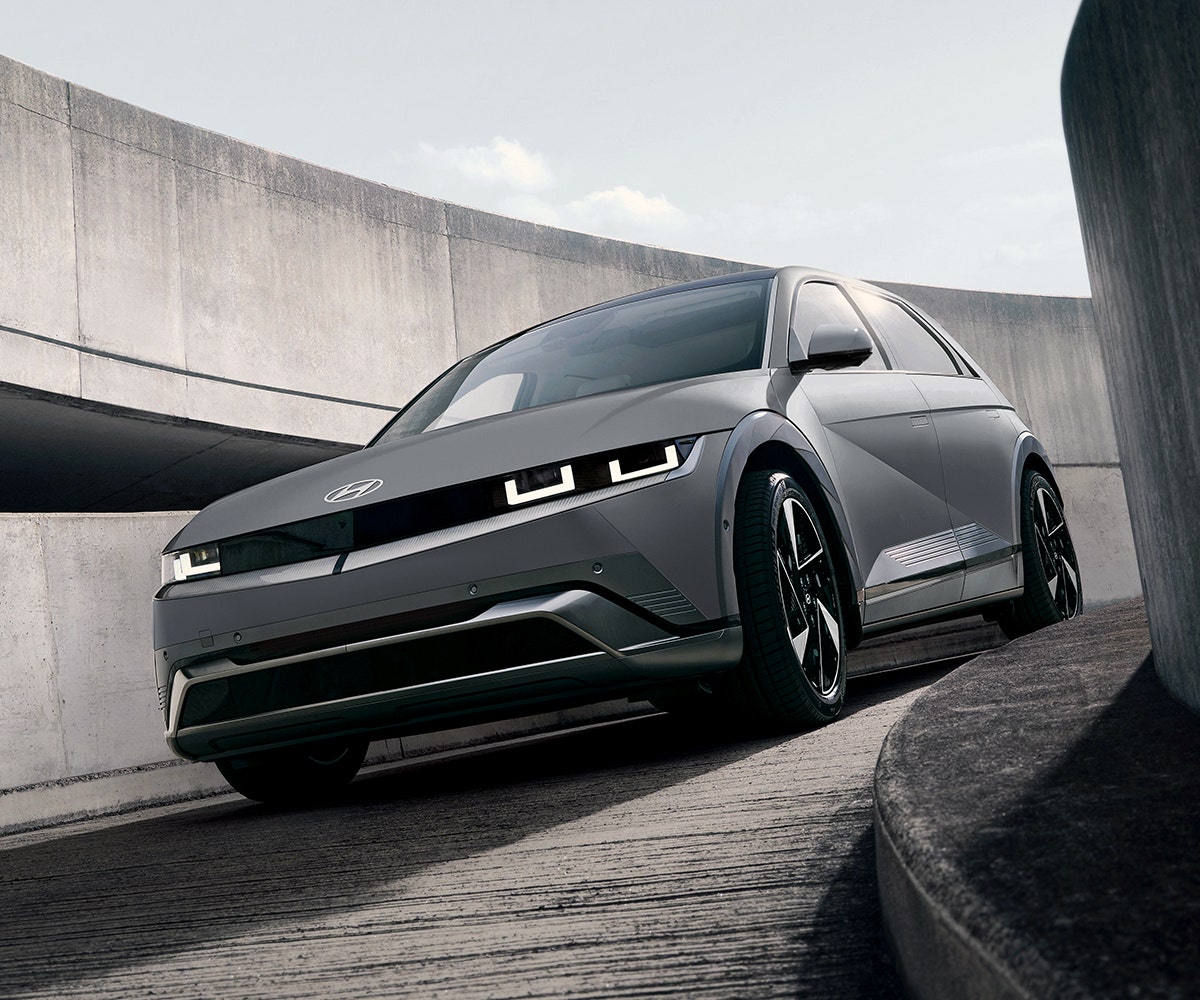
The Equinox EV makes the cleaner affordability case, with a lower Canadian starting price and up to 513 km of listed range.
The Chevrolet Starts With a $9,300 Price Advantage
The entry point decides much of this comparison.
Chevrolet Canada advertises the Equinox EV LT from $49,598, including freight and the specified fees in its pricing disclosure. Its public build tool separates that into a $46,199 standard vehicle price plus destination and other charges.
Hyundai Canada lists the IONIQ 5 Preferred Long Range at $55,499 MSRP before additional fees. Its current price presentation lands around $58,500 with delivery and listed charges before tax, although dealer administration charges and promotions can move the final figure.
Comparing like with like, the base MSRP gap is $9,300. That is too large to dismiss as trim noise. It can pay for a home Level 2 charging installation, winter wheels and tires, insurance differences and years of electricity.
Federal incentives can widen the gap, but only when the transaction actually qualifies. Chevrolet advertises up to $5,000 through the Electric Vehicle Affordability Program for eligible customers on select Equinox EVs configured at $50,000 or less. The IONIQ 5’s starting MSRP is already above the program’s $50,000 final-transaction-value ceiling before any discount.
Do not subtract a rebate from either sticker automatically. Manufacturer incentives, dealer discounts, accessories, lease length, buyer eligibility and remaining program funding all matter. Use MotorLinks’ Canadian EV incentive guide, then make the retailer show the incentive on the written agreement.
Range Is Essentially a Draw
Chevrolet wins the headline range comparison, but only just.
The Equinox EV LT FWD is listed at up to 513 km on a full charge. The IONIQ 5 Preferred Long Range RWD is listed at up to 504 km. A nine-kilometre difference is less than two percent and can disappear in ordinary changes to speed, temperature, wind, tires or cabin heating.
The more interesting number comes from Natural Resources Canada’s 2026 Fuel Consumption Guide. It rates the front-wheel-drive Equinox EV at 19.3 kWh/100 km combined and the rear-wheel-drive IONIQ 5 Long Range at 16.9 kWh/100 km combined. The Hyundai uses less electricity to cover the same distance, while its 84-kWh battery helps it nearly match the Chevrolet’s range.
Efficiency matters most for drivers who cover high annual mileage or depend on expensive public charging. At home rates, the cost difference per 100 km may be modest. On a cold highway trip, lower consumption can also help the IONIQ 5 turn a charging stop into useful distance more quickly.
All-wheel drive changes the picture. Chevrolet lists up to 494 km for the Equinox EV AWD, while Hyundai lists 463 km for the IONIQ 5 Long Range AWD. Buyers who want AWD should compare those configurations directly, including wheels and equipment, rather than applying the rear-drive/front-drive verdict to every trim.
The IONIQ 5 Is the Better Fast-Charging EV
This is Hyundai’s clearest technical win.
The IONIQ 5’s 800-volt-class architecture lets Hyundai estimate a 10-to-80-percent session in approximately 18 minutes on a compatible 350-kW DC fast charger. Because the Canadian 2026 model uses a native NACS port, Hyundai specifies that its included CCS DC adapter is needed to achieve that claim at a suitable CCS charger.
The Equinox EV peaks at 150 kW. Chevrolet’s US specification says a front-wheel-drive model can add up to 84 miles, or roughly 135 km, in 10 minutes under its test conditions. That is usable, but it does not match the Hyundai’s ability to recover a large share of its battery in one short stop.
Peak power is not the entire charging curve. Battery temperature, starting state of charge, charger output and weather all affect the result. Still, the architecture difference is large enough to influence real travel. A driver who makes regular Toronto-to-Montreal, Calgary-to-Edmonton or Lower Mainland-to-Interior trips will notice the Hyundai’s shorter ideal charging window more often than a commuter who plugs in at home every night.
For owners with a predictable daily route, the Equinox’s slower fast charging may barely matter. Both can refill overnight on a properly sized home Level 2 setup. Paying thousands more for 800-volt charging makes the most sense when the household will actually use it.
Native NACS Makes the Hyundai Simpler, Not Universally Faster
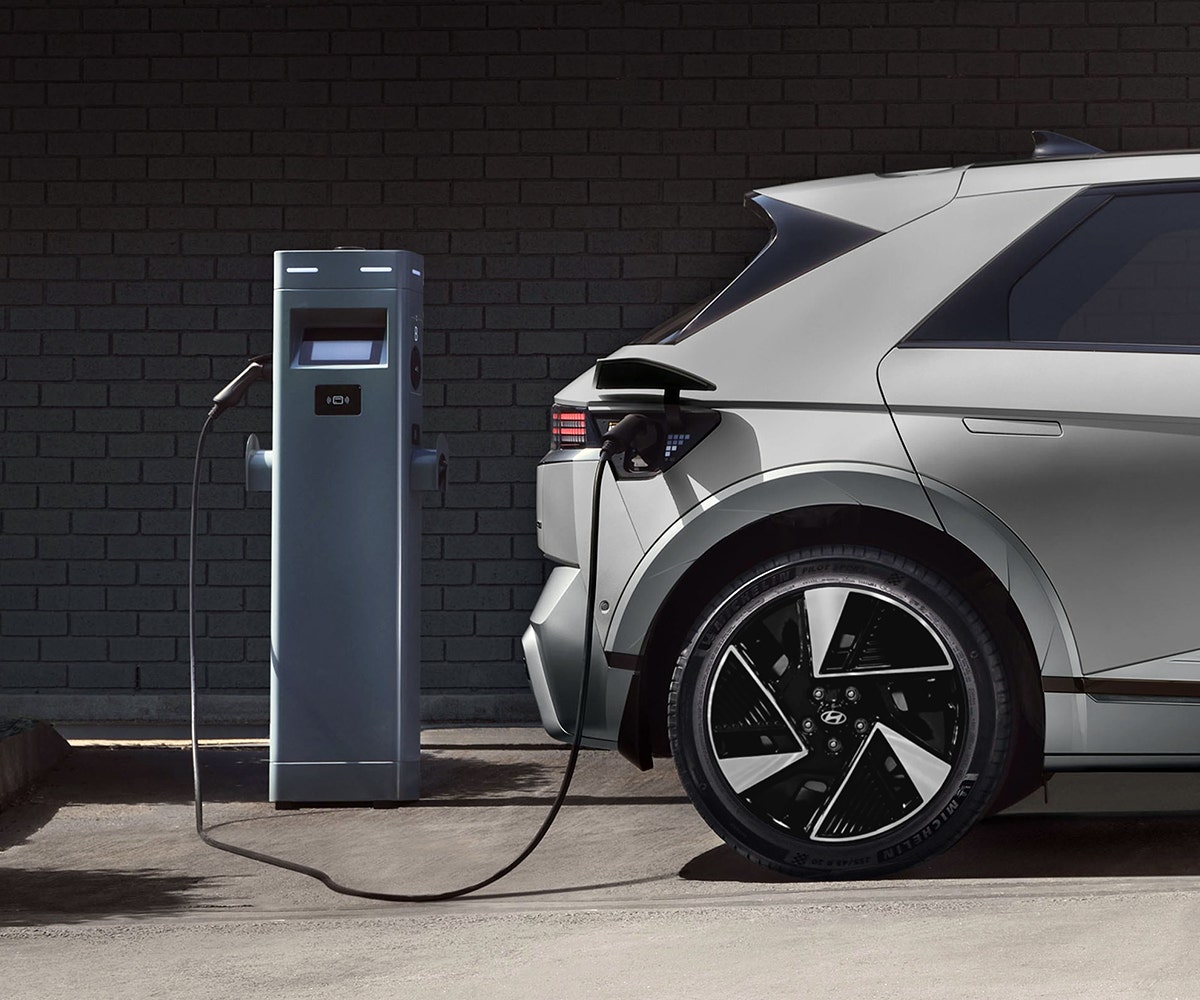
The 2026 IONIQ 5 has a native NACS port and can connect directly to compatible Tesla Superchargers. Hyundai also says the vehicle includes CCS AC and DC adapters, giving owners options across the transition between connector standards.
The Equinox EV uses a CCS inlet. Chevrolet says owners can order a GM-approved NACS DC adapter and access compatible Tesla Superchargers through the myChevrolet app. That is legitimate supported access, but it adds an adapter to the trip and requires owners to confirm site compatibility.
Native NACS does not guarantee that every Tesla charger will deliver the IONIQ 5’s best possible speed. Charger generation, voltage compatibility and site configuration matter. For maximum 10-to-80-percent performance, Hyundai points to a 350-kW CCS charger through the included adapter.
The Hyundai nevertheless offers the cleaner everyday connector story. MotorLinks’ native NACS versus adapter guide explains why direct physical fit, approved network access and actual voltage compatibility are three separate questions.
The Cabins Solve Different Problems
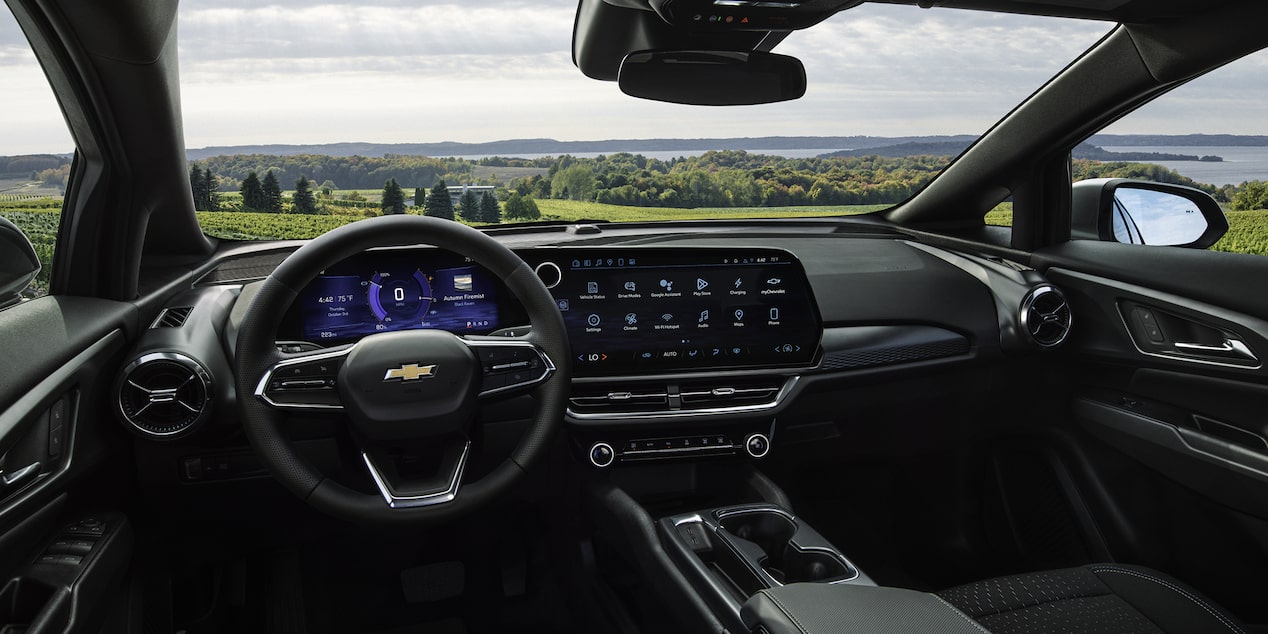
The Equinox EV feels more like a conventional compact SUV. Its upright cargo area provides up to 1,620 litres of published maximum space, the driving position is familiar and Chevrolet places an 11-inch driver display beside the large 17.7-inch centre touchscreen.
The IONIQ 5 is lower and more hatchback-like outside, but its long wheelbase creates a roomy passenger cabin. Sliding and reclining rear seats let owners trade rear legroom against cargo room, and the flat floor contributes to the open lounge-like layout that made the model distinctive from launch.
Bring the items that matter to a showroom. Maximum cargo figures are not always measured identically between manufacturers, and shape can matter more than litres. A dog crate, stroller, hockey bags or a tall box may fit one vehicle’s opening better even when the other publishes the larger number.
Phone integration may be decisive. Hyundai says wireless Apple CarPlay and Android Auto are standard. Chevrolet uses Google built-in but omits factory CarPlay and Android Auto. The Chevy system can handle navigation, media and voice functions well, but buyers who expect their phone interface to follow them from vehicle to vehicle should try it before signing.
Which One Makes More Sense in Winter?
Both vehicles offer battery preconditioning, heated cabin features and available AWD, but neither drivetrain replaces proper winter tires.
The Equinox EV’s longer listed AWD range gives it the bigger official winter buffer. The IONIQ 5’s efficiency and faster charging can help recover time on a longer cold-weather trip when the battery is properly prepared for the charger.
Home preconditioning is important for either vehicle. Warming the cabin while still connected to shore power reduces the energy the battery must supply after departure. Drivers should also expect highway winter range to fall below the official mixed-driving figure, sometimes substantially in severe cold, snow or strong wind.
For a rural buyer who values maximum distance between stops, the Equinox EV AWD deserves the first look. For a driver travelling a corridor with reliable high-power chargers, the IONIQ 5’s faster session may be the more useful winter advantage.
Who Should Buy Each One?
Choose the Chevrolet Equinox EV LT FWD if:
- the lowest complete purchase price is the priority
- most charging will happen at home
- maximum official range matters more than charging speed
- a conventional SUV dashboard and cargo shape are preferred
- the exact transaction qualifies cleanly for EVAP
Choose the Hyundai IONIQ 5 Preferred Long Range if:
- frequent road trips make charging time important
- native NACS and included CCS adapters reduce ownership friction
- wireless Apple CarPlay or Android Auto is a must-have
- the more efficient powertrain and flexible rear-seat layout suit the household
- the extra purchase price does not crowd out home charging, winter tires or insurance costs
Bottom Line
The Chevrolet Equinox EV is the better value. Its lower price is meaningful, its 513-km range is excellent for the money and its family-crossover shape asks very little adjustment from someone replacing a gasoline SUV. With an eligible EVAP transaction, the financial case can become even stronger.
The Hyundai IONIQ 5 is the more technically polished road-trip tool. It is more efficient, charges much faster under ideal conditions, uses native NACS and keeps the phone-integration features many buyers expect. Those advantages are real, but they cost roughly $9,300 at base MSRP.
For most Canadian households with reliable home charging, start with the Equinox EV and make Hyundai justify the premium during a back-to-back comparison. For frequent long-distance drivers, the IONIQ 5’s 18-minute charging claim can be worth more than the Chevrolet’s lower sticker.
FAQ
Should Canadians buy the Chevrolet Equinox EV or Hyundai IONIQ 5?
Choose the Equinox EV for price, maximum range and conventional family-SUV practicality. Choose the IONIQ 5 for faster road-trip charging, native NACS, stronger efficiency and wireless phone integration.
Which has more range, the Equinox EV or IONIQ 5?
Chevrolet lists up to 513 km for the front-wheel-drive Equinox EV. Hyundai lists 504 km for the rear-wheel-drive IONIQ 5 Long Range. The nine-kilometre difference is too small to decide the purchase by itself.
Which charges faster, the Equinox EV or IONIQ 5?
The IONIQ 5. Hyundai estimates about 18 minutes from 10 to 80 percent on a compatible 350-kW charger using the included CCS DC adapter. The Equinox EV peaks at 150 kW.
Does the Equinox EV or IONIQ 5 qualify for EVAP?
Chevrolet advertises up to $5,000 for eligible customers on select Equinox EV configurations at $50,000 or less. The IONIQ 5 Long Range starts above the program’s transaction-value ceiling before discounts. Verify the exact vehicle and written quote because program and transaction rules can change.