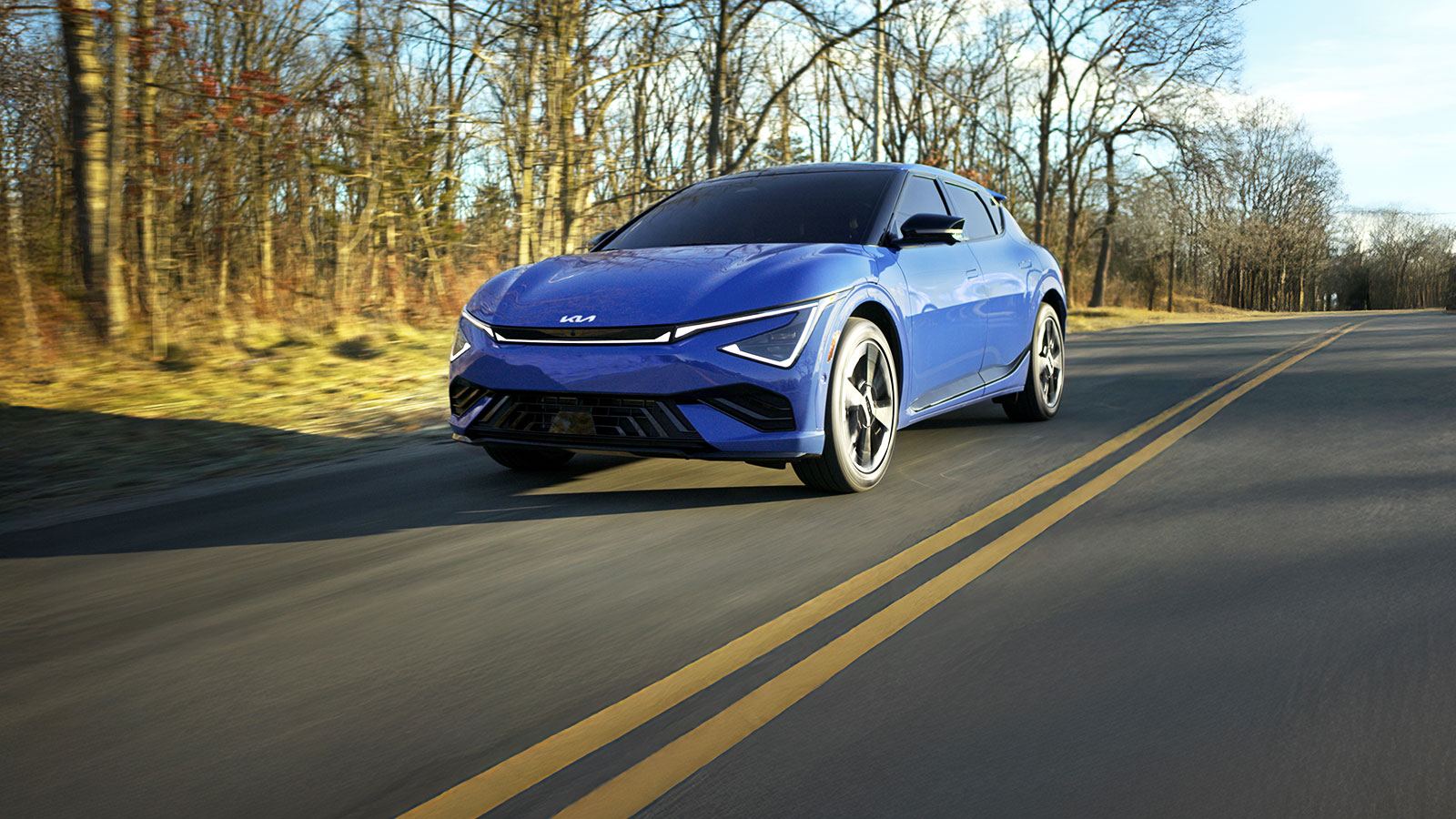
2026 Kia EV6 vs Hyundai IONIQ 5: Which E-GMP EV Is the Smarter Buy Now?
Kia's 2026 EV6 price cut makes the Hyundai IONIQ 5 fight much closer. Here is how the two E-GMP crossovers compare on April 25, 2026.
Photo: Kia
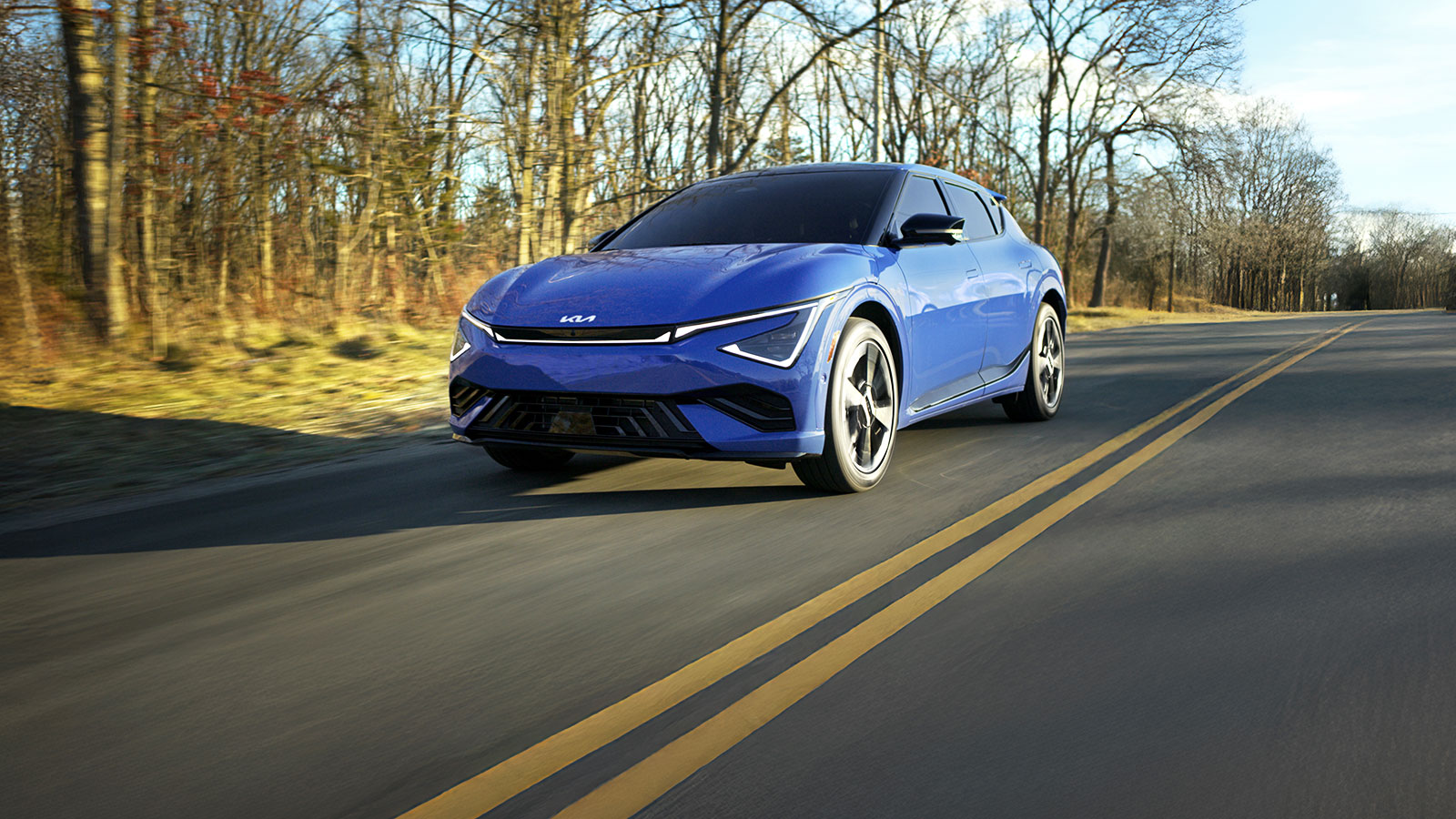
All MSRP comparisons now exclude destination/freight. EPA records specify 237 miles for Standard RWD and 319 for Long Range RWD; AWD ranges depend on wheel size. A certified EV6 GT record alone does not prove retail availability.
The Kia EV6 and Hyundai IONIQ 5 have always been sibling rivals, but the 2026 model year makes the comparison feel fresh again.
Hyundai already moved aggressively after the federal EV tax credit disappeared, cutting 2026 IONIQ 5 prices and leaning into a strong spec sheet: up to 318 miles of EPA-estimated range, a built-in NACS port, an included CCS adapter, and 10-to-80 percent fast charging in as little as 20 minutes on a 350 kW charger.
Kia’s subsequently published May 4 pricing puts the 2026 EV6 Light Standard Range at $37,900, Wind RWD at $44,800 and GT-Line RWD at $48,700, all before $1,545 destination. Compare both on the same basis, either both with or both without freight. Both brands’ entry prices here are now stated before destination/freight.
So if you are shopping for a mainstream electric crossover in spring 2026, which E-GMP model makes more sense?
| Price headline | Range | Charging / port | Power headline | Best angle | |
|---|---|---|---|---|---|
| 2026 Hyundai IONIQ 5 | $35,000 MSRP before freight for SE Standard Range; longer-range trims move up from there | Up to 318 miles EPA-estimated in RWD long-range trims | NACS port plus included CCS adapter; 10 to 80 percent in as little as 20 minutes on a 350 kW DC fast charger | Up to 320 hp with AWD | The more settled, easier-to-recommend all-rounder |
| 2026 Kia EV6 | $37,900 starting price reported for Light trim, with Wind at $44,800 and GT-Line at $48,700 | 237 miles Standard RWD; 319 miles Long Range RWD; AWD range depends on wheel size | E-GMP fast-charging hardware; NACS transition keeps it in the same conversation as Hyundai | Mainstream trims continue the single-motor / dual-motor spread, while the EV6 GT remains unresolved for 2026 | The newly cheaper style-and-value play |
Hyundai still has the cleaner spec-sheet story
The IONIQ 5 is the easier vehicle to explain right now because Hyundai has already packaged the 2026 story neatly.
The base SE Standard Range starts at $35,000 before freight, which undercuts the EV6’s reported starting price. The catch is obvious: that base Hyundai uses the smaller battery and carries an EPA-estimated 245-mile range figure. Step into the longer-range RWD versions and Hyundai claims up to 318 miles, which is the number most shoppers will actually compare against rival EV crossovers.
Hyundai also has a charging story that feels unusually mature for this price class. The 2026 IONIQ 5 comes with a NACS port for Tesla-style plugs and includes a CCS adapter, so buyers are not being asked to bet on one public-charging format. The 800V architecture is still the magic trick underneath: Hyundai says the IONIQ 5 can go from 10 to 80 percent in as little as 20 minutes when the charger, battery temperature, and conditions cooperate.
That does not mean every road trip will be effortless. Public charging still depends on the station you find, not just the car you bought. But Hyundai is giving shoppers a complete answer: range, port, adapter, and charge curve.
Kia’s price cut changes the emotional math
The EV6 has always had the more extroverted personality. It sits lower, looks sleeker, and feels more like a lifted electric sport wagon than a conventional crossover. If the IONIQ 5 is retro-futuristic and practical, the EV6 is the one that looks like it would rather be carving an empty highway at sunset.
That style premium was harder to justify when pricing felt soft and the model’s 2026 future was unclear. Kia’s new price positioning helps.
A $37,900 starting point does not beat Hyundai’s lowest advertised MSRP, but the real battle is not base-to-base. Most buyers should be looking at the middle of each lineup, where range, comfort features, and dual-motor availability matter more than the cheapest possible window sticker. At $44,800 for the Wind and $48,700 for the GT-Line, the EV6 no longer feels like the indulgent sibling by default.
There is one important caveat: the high-performance EV6 GT remains a question mark for 2026. That matters less for normal buyers than it does for enthusiasts, but it does mean Kia’s most exciting EV6 trim is not part of the straightforward shopping equation today.
The practical difference: boxy utility vs sleeker attitude
Under the skin, both vehicles are built around Hyundai Motor Group’s E-GMP playbook, which means both benefit from a fundamentally strong EV platform. The difference is how each brand packages the idea.
The IONIQ 5 feels roomier and more lounge-like. Its taller, boxier shape pays off if you regularly carry adults, kids, dogs, strollers, hockey bags, or all the random cargo that makes a crossover a crossover. It also has the advantage of being the more familiar recommendation: Hyundai has made the pricing, range, charging, and trim story easy to understand.
The EV6 is the one you buy because you want the same basic electric hardware wrapped in something sharper. It gives up some of the IONIQ 5’s upright, airy vibe, but it has a more dramatic shape and a more driver-focused personality. For shoppers tired of EVs that all look like softened appliances, that counts for something.
Which one should you buy?
| Smarter pick today | Why | |
|---|---|---|
| A stronger value story in the heart of the lineup | Kia EV6 Wind or Hyundai IONIQ 5 SEL, depending on lease terms | Kia just cut the EV6 hard enough that mid-trim math needs a fresh look instead of relying on last year's assumptions. |
| Design and driver feel | Kia EV6 | The EV6 still feels lower, sleeker, and more wagon-like than the IONIQ 5, which matters if you want an EV that feels less like a small SUV. |
| Known range and charging specs | Hyundai IONIQ 5 | Hyundai is already shouting the important 2026 numbers: up to 318 miles, NACS, CCS adapter, and 20-minute 10-to-80 charging. |
| The lowest possible entry price | Hyundai IONIQ 5 SE Standard Range | Hyundai lists a lower starting MSRP before freight, though the shorter-range base battery is the trade-off. |
If you want the safest recommendation today, pick the 2026 Hyundai IONIQ 5. It has the clearer published specs, the lower advertised starting MSRP, strong long-range numbers, and one of the best charging setups in the mainstream EV market. For a normal household replacing a gas crossover, that combination is hard to argue against.
If you want the EV that feels a little more special, the 2026 Kia EV6 deserves a fresh look. Kia’s reported price cuts are big enough to reset the comparison, especially if dealers and lease offers cooperate. The EV6 is not just the stylish alternative anymore; it may now be the better deal in the trims people actually want.
The smart move is to shop them back-to-back, not in isolation. Use the IONIQ 5 as the benchmark for range and charging confidence. Then use the EV6 to test whether style, driving position, and dealer pricing can pull you away from Hyundai’s cleaner all-around package.
That is a much better problem than EV shoppers had a few years ago. In 2026, this comparison is no longer about whether either Korean crossover is good enough. It is about which excellent E-GMP EV matches the way you actually drive.