
2026 Chevrolet Blazer EV Trim Guide: LT FWD Is Canada's Smart Pick
The 2026 Chevrolet Blazer EV comes in LT, RS and 615-hp SS trims. LT FWD is the range-and-value pick; SS is the serious performance choice.
The 2026 Chevrolet Blazer EV is really two electric SUVs sharing one body. LT and RS are roomy two-row crossovers built around the same 85-kWh battery and available front- or all-wheel drive. SS is the outlier: a 615-hp performance model with standard AWD, a larger 102-kWh battery and a claimed 3.4-second sprint to 96 km/h.
That split makes the trim decision easier than Chevrolet’s configurator first suggests. LT is the practical answer, RS is primarily the design-and-equipment upgrade, and SS is the expensive but credible performance choice. The drivetrain decision matters more than the badge for most households.
Quick Verdict
Choose the Blazer EV LT FWD for the strongest combination of range and value. Chevrolet lists up to 502 km on a full charge, and LT still includes the 17.7-inch centre touchscreen, 11-inch driver display, heated front seats, heated steering wheel, adaptive cruise control and HD Surround Vision. Its 19-inch wheels are also the sensible size for Canadian pavement and winter-tire costs.
Choose LT AWD when traction on steep, snowy or inconsistently cleared roads justifies the extra motor and lower range. Chevrolet Canada’s Ontario configurator showed $62,643 for LT AWD when checked August 18, 2026, compared with $66,343 for RS AWD.
Choose RS only if its illuminated front lighting, black exterior treatment, 21-inch wheels and available comfort technology are worth the premium. It does not get a larger battery or a higher charging ceiling than LT.
Choose SS if acceleration is the reason for buying a Blazer EV. The jump to 615 hp, Wide Open Watts mode, standard Super Cruise capability and 190-kW charging creates a genuinely different vehicle. At $74,643 in the same Ontario configurator check, it is not a rational trim upgrade; it is the enthusiast choice.
| Item | LT | RS | SS |
|---|---|---|---|
| Ontario AWD configurator price | $62,643 | $66,343 | $74,643 |
| Available drivetrains | FWD or AWD | FWD or AWD | AWD only |
| Maximum listed range | Up to 502 km with FWD | Up to 502 km with FWD | Up to 486 km |
| Battery capacity | 85 kWh | 85 kWh | 102 kWh |
| Maximum DC charging rate | 150 kW | 150 kW | 190 kW |
| Wheels | 19-inch | 21-inch | 22-inch |
| Performance focus | Everyday value | Style and equipment | 615 hp and 3.4-sec 0–96 km/h |
| Best for | Range, comfort and lower costs | Buyers who value the RS look | Drivers who want serious EV performance |
2026 Chevrolet Blazer EV Canadian trim guide gallery
14
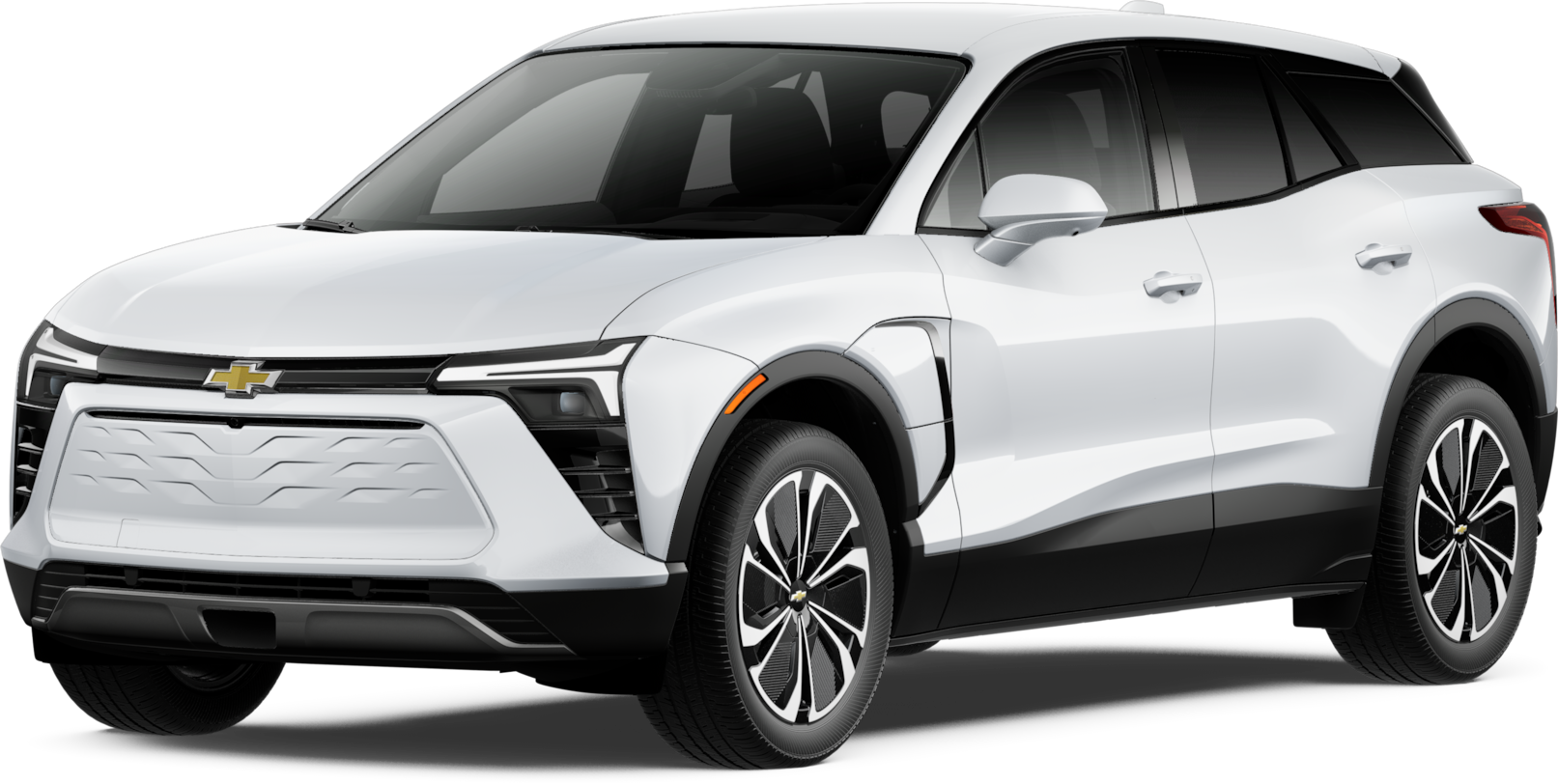
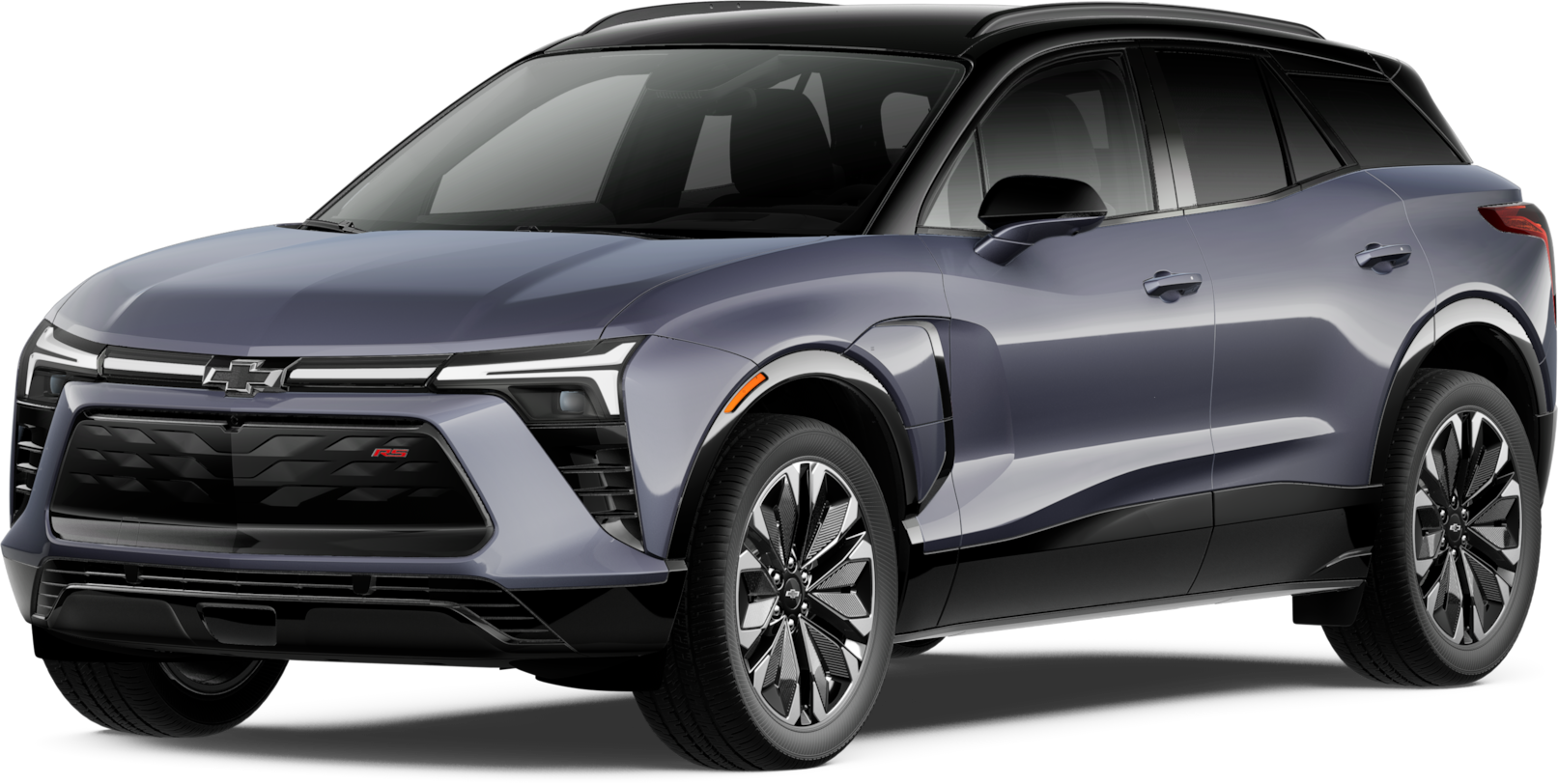
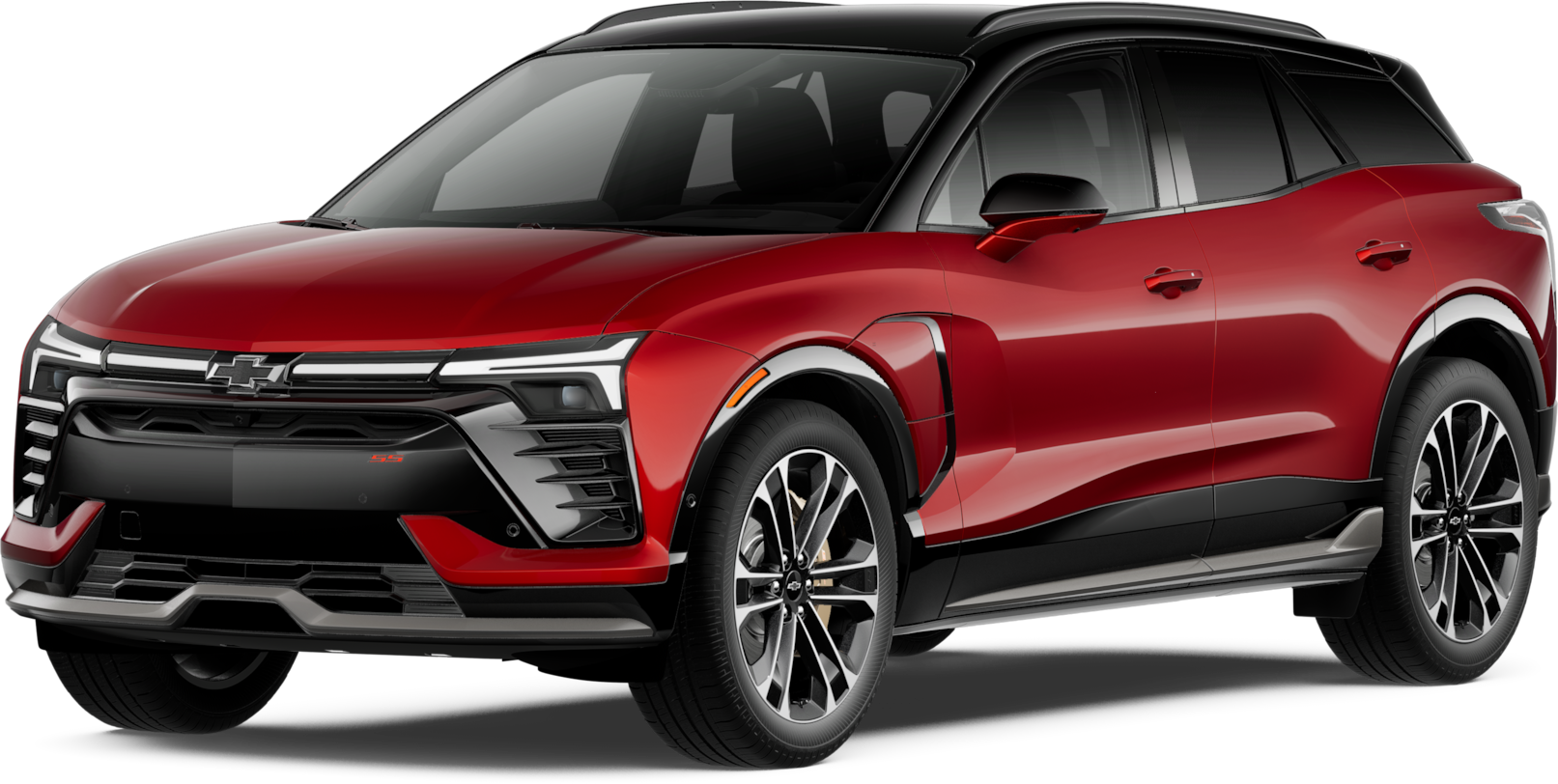
LT keeps the big-screen cabin, useful standard comfort features and access to either FWD or AWD.
Treat those configurator prices as comparison points, not drive-away quotes. Chevrolet displays different regional totals and may change offers or fees. FWD also lowers the LT and RS entry point, so buyers should request equivalent FWD and AWD quotes with the same paint and packages before deciding.
LT: The Blazer EV That Makes the Most Sense
LT is not missing the equipment that defines the Blazer EV. Its cabin has the same 17.7-inch centre display and 11-inch driver information screen used higher in the range, plus Google built-in navigation and apps. Chevrolet also includes heated front seats, a heated steering wheel, an AutoSense power liftgate and a broad standard driver-assistance suite.
The practical advantages keep adding up. LT’s 19-inch wheels offer more tire sidewall than the RS and SS setups, which is welcome on broken spring pavement. Replacement tires and dedicated winter wheels should also cost less. Larger wheels can sharpen the look of a heavy EV, but they rarely improve its ownership spreadsheet.
FWD is the range leader at up to 502 km. It suits urban and suburban households whose roads are cleared quickly, especially when paired with quality winter tires. AWD deserves consideration for rural routes, steep driveways and ski-country travel, but the second motor does not improve braking grip on snow. Tires remain the first winter upgrade.
The LT’s standard Comfort and Convenience Package is substantial: 10-way power adjustment for the driver, an eight-way power passenger seat, Evotex upholstery, heated front seats, wireless phone charging, heated power-folding mirrors and the power liftgate. That equipment reduces the temptation to move up a trim just to avoid a bare-bones cabin.
There is one important infotainment caveat. The Blazer EV uses Google built-in but does not offer Apple CarPlay or Android Auto. Try the native interface, confirm the data-plan terms after any trial, and make sure the apps used every day are supported before signing.
RS: Paying for the Look
RS gives the Blazer EV its strongest visual identity. The black-painted grille panel, gloss-black rocker mouldings, animated light bar and illuminated bowtie work well with the SUV’s low roofline and wide stance. Its 21-inch wheels fill the arches more convincingly than LT’s 19s.
What RS does not provide is a more advanced EV foundation. LT and RS both use an 85-kWh battery and both top out at 150-kW DC fast charging. Both offer FWD for maximum range or dual-motor AWD for added traction. Moving to RS is about design, wheel size and access to optional comfort and driver-assistance equipment, not a range or charging breakthrough.
The available RS Convenience and Driver Confidence Package can add heated rear outboard seats, a rear-camera mirror, heated wiper park and a head-up display. Those are worthwhile cold-weather and touring features, but the complete package price matters. Compare a fully optioned LT with the desired RS configuration rather than treating the trim badge as a shortcut.
RS also deserves a winter-tire calculation before delivery. A separate 19- or 20-inch winter package, if approved for the vehicle and brake hardware, may cost less over time than fitting winter rubber to the factory 21-inch wheels. Confirm compatible sizes and load ratings with the retailer or a qualified tire shop.
For a buyer who turns around to admire the vehicle after parking, RS can be the right answer. On range, charging and basic utility, LT is the sharper buy.
SS: The One for Enthusiasts
SS is not an appearance package pretending to be a performance model. Chevrolet rates it at 615 hp and says Wide Open Watts mode can send it from 0 to 96 km/h in 3.4 seconds. Standard dual-motor AWD, 22-inch wheels and performance-oriented tuning put it in a different category from the LT and RS.
It also gets the hardware to support that mission. The battery grows from 85 to 102 kWh, while maximum DC charging rises from 150 to 190 kW. Chevrolet lists up to 486 km of range, so the SS does not force the severe range penalty its power output might suggest.
Standard Super Cruise capability is another meaningful upgrade. Chevrolet includes a three-year trial for its hands-free driver-assistance system on compatible mapped roads. It remains a driver-assistance feature rather than autonomous driving: the driver must stay attentive, and road, weather and lane conditions can limit operation.
The trade-offs are equally real. SS costs roughly $12,000 more than LT AWD in the Ontario configurator comparison. Its 22-inch tires will be expensive, and deploying 615 hp is difficult on winter roads or crowded commutes. Buyers interested mainly in the shape, cabin and cargo room will not recover much practical value from the performance premium.
SS makes sense when the acceleration, chassis character and Super Cruise package are central to the purchase. If those features are merely nice to have, LT AWD is the better place for the money.
Charging and Road-Trip Reality
Chevrolet says LT and RS can add up to 133 km in 10 minutes in FWD form or up to 120 km in AWD form under suitable conditions. The company estimates approximately 39 minutes from 10 to 80 percent on a sufficiently powerful DC charger. SS has a higher 190-kW peak, but its battery is also larger, so peak power alone does not predict the complete charging stop.
Those numbers are adequate rather than class-leading. Some 800-volt competitors can complete a comparable 10-to-80-percent session more quickly. The Blazer EV counters with useful range and a large, comfortable cabin, but regular long-distance drivers should compare full charging curves and winter behaviour rather than only headline peaks.
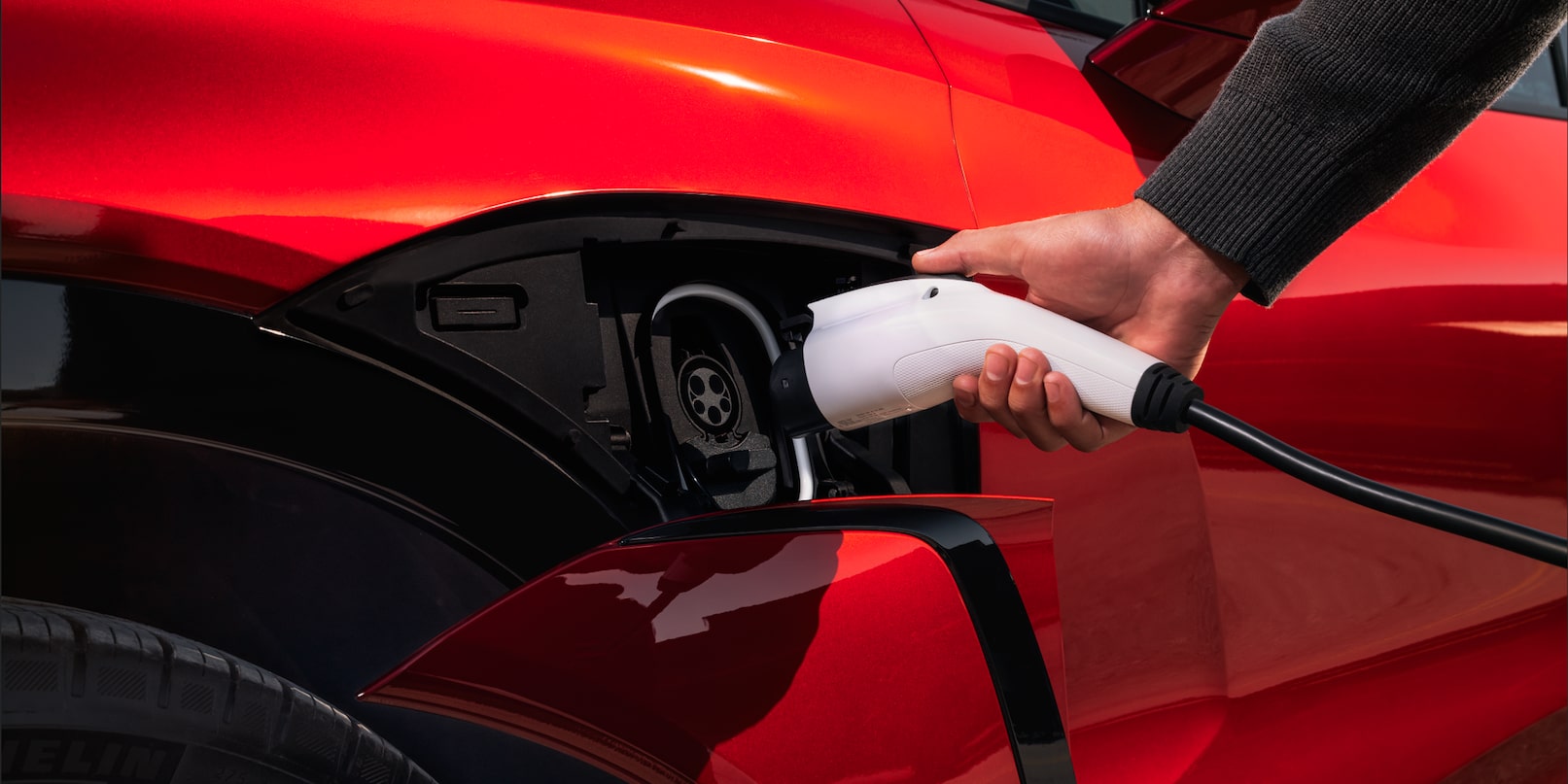
Every 2026 Blazer EV includes a Dual Level Charge Cord. Home Level 2 charging remains the best ownership setup because it lets the vehicle start most days with the required range. An electrical assessment should come before charger installation; panel capacity, circuit length and local permit rules can change the cost significantly.
The Canadian Blazer EV uses a CCS inlet. Chevrolet says a GM-approved NACS DC adapter enables access to compatible Tesla Superchargers through the myChevrolet app. It is not the same as having a native NACS port, so confirm adapter availability, compatible sites and activation at delivery. MotorLinks’ native NACS versus adapter guide explains the practical difference.
Space, Towing and Everyday Use
All three trims are five-seat SUVs. Chevrolet lists up to 1,674 litres of cargo capacity with the rear seat folded, plus storage below the rear cargo floor. There is no front trunk. That makes the Blazer EV useful for bulky gear, but shoppers who count on a frunk for charging cables should see the cargo layout in person.
LT and RS can tow up to 680 kg (1,500 lb) when properly equipped. That is enough for a small utility trailer or light recreational load, not a substantial travel trailer. Towing also increases energy use sharply, so route planning should use a much more conservative range estimate.
A heat pump is standard, which is relevant in Canada. It can reduce the energy needed for cabin heating compared with resistance heat alone, but it does not eliminate cold-weather range loss. Precondition while plugged in, use seat and steering-wheel heat efficiently, and plan winter highway legs around actual consumption.
Federal and provincial EV support changes, and the Blazer EV’s price can place it outside some program thresholds. Consult MotorLinks’ Canadian EV incentive guide and get written eligibility confirmation for the exact configuration before building a budget around a rebate.
Which 2026 Blazer EV Should Canadians Buy?
Start with LT FWD. It delivers the longest listed range, the lowest price, the same core screens and the most sensible wheel size. For well-cleared urban roads, good winter tires make it the balanced choice.
Move to LT AWD when winter traction is a recurring need, not simply a checkbox. The price gap to RS AWD was $3,700 in Chevrolet Canada’s Ontario configurator when checked, and that saving can cover a home charger and a serious winter-wheel package.
Choose RS with clear eyes. Its styling is distinctive and its available comfort equipment is appealing, but its battery and charging hardware remain shared with LT. It is the emotional middle choice rather than the technical sweet spot.
Choose SS because 615 hp, a 3.4-second acceleration claim and Super Cruise are the point. It is exciting precisely because Chevrolet did more than add badges. It is also far more vehicle, tire and cost than most households need.
FAQ
Which 2026 Chevrolet Blazer EV trim is best for Canadian buyers?
The LT FWD is the best value for most buyers. It offers the longest listed range at up to 502 km, the same 17.7-inch centre screen as the higher trims and practical 19-inch wheels.
Should Canadians choose FWD or AWD on the Blazer EV?
Choose FWD for lower cost and maximum range. Choose AWD for regular travel on steep, snowy or poorly cleared roads. Proper winter tires matter with either drivetrain.
How fast does the 2026 Blazer EV charge?
LT and RS support up to 150-kW DC charging from their 85-kWh batteries. SS uses a 102-kWh battery and raises the peak to 190 kW. Chevrolet estimates about 39 minutes from 10 to 80 percent under suitable conditions.
Can the 2026 Blazer EV use Tesla Superchargers?
Yes. Chevrolet says the Blazer EV can use compatible Tesla Superchargers with a GM-approved NACS DC adapter and activation through the myChevrolet app.