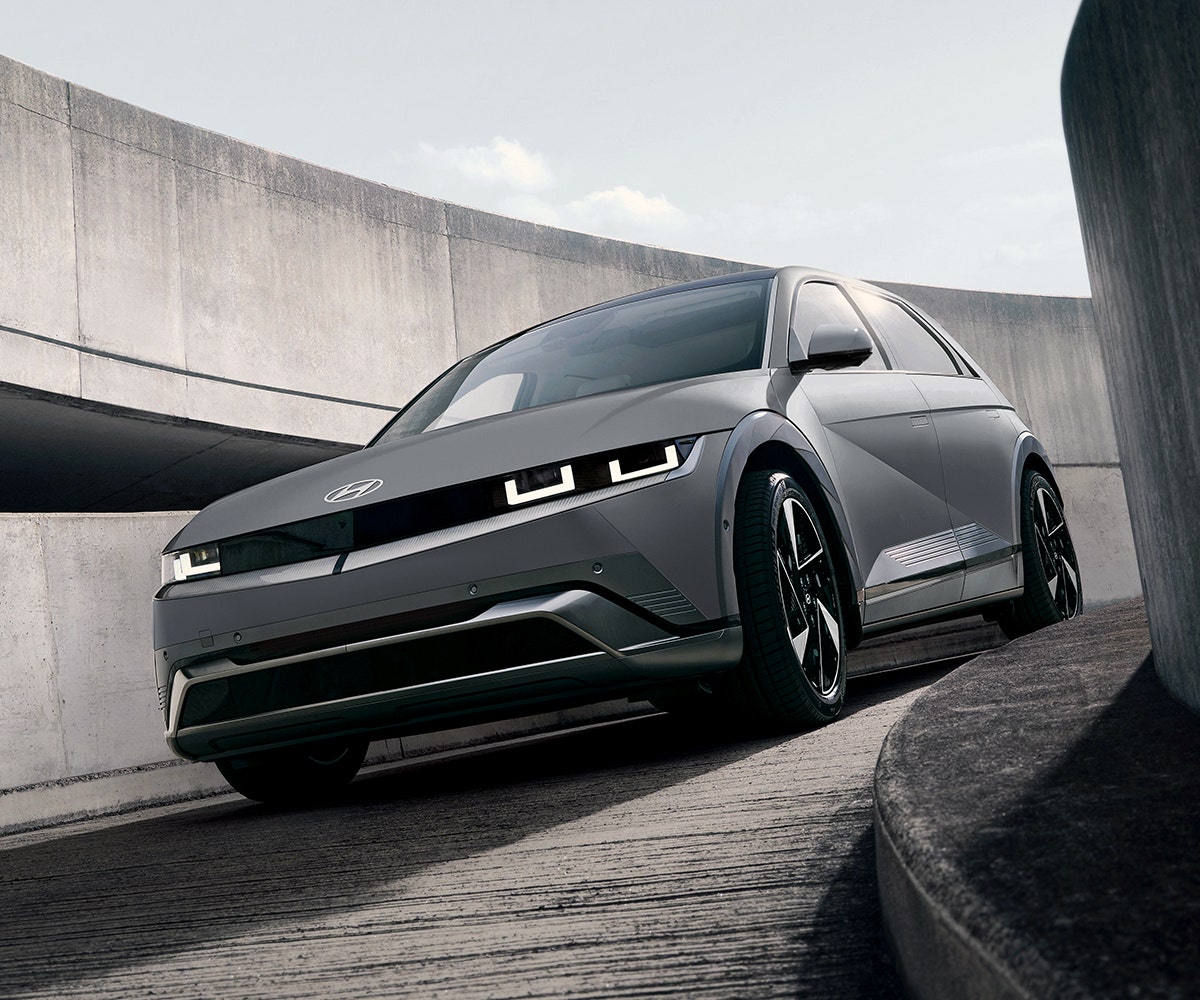
2026 Hyundai IONIQ 5 RWD vs AWD: Which One Makes Sense in Canada?
The rear-drive 2026 Hyundai IONIQ 5 offers 41 km more range, while AWD adds 95 hp for $2,000. Here is how Canadian buyers should choose.
The 2026 Hyundai IONIQ 5 Preferred Long Range gives Canadian buyers a refreshingly simple drivetrain choice. Spend $55,499 MSRP on the rear-wheel-drive model, or add $2,000 for dual-motor all-wheel drive.
That small price gap makes AWD tempting, especially in a country where snow is part of the sales pitch. It is not a free upgrade. Hyundai lists 504 km of range for the rear-drive IONIQ 5 and 463 km for AWD, so the second motor trades 41 km of rated distance for more power and traction.
Both versions use the same 84-kWh battery, native NACS charge port, heat pump and 800-volt-class charging hardware. The right answer therefore depends less on equipment count and more on where, when and how the vehicle will be used.
Quick Verdict
Buy the IONIQ 5 Preferred Long Range RWD if maximum range, efficiency and the lowest complete price matter most. Its 504-km listing gives it more winter and highway margin, and rear-wheel drive is not automatically a liability when the car wears proper winter tires. It is the smart default for urban and highway drivers who rarely face steep, poorly cleared roads.
Buy the IONIQ 5 Preferred Long Range AWD if the extra traction solves a real use case. It adds a front motor, raises combined output from 225 hp to 320 hp, and brings a substantial 446 lb-ft of torque. For drivers dealing with steep cottage roads, frequent ski trips, rural routes or demanding winter conditions, that capability can easily justify $2,000.
For most Canadian households, RWD is the value and range winner. AWD is the better choice when its traction will be used rather than merely admired on the build sheet.
| Item | Preferred Long Range RWD | Preferred Long Range AWD |
|---|---|---|
| MSRP | $55,499 before additional fees and tax | $57,499 before additional fees and tax |
| Published price with listed charges | $58,536 before tax | $60,536 before tax |
| Battery | 84 kWh | 84 kWh |
| Listed range | 504 km | 463 km |
| Motors and drive | Single rear motor; rear-wheel drive | Front and rear motors; all-wheel drive |
| Output | 168 kW (225 hp) | Up to 320 hp and 446 lb-ft |
| DC charging estimate | About 18 minutes from 10–80% on suitable 350-kW equipment with CCS DC adapter | About 18 minutes from 10–80% on suitable 350-kW equipment with CCS DC adapter |
| Charge port | Native NACS; Hyundai says CCS AC and DC adapters are included | Native NACS; Hyundai says CCS AC and DC adapters are included |
| Cold-weather hardware | Heat pump and battery temperature management system | Heat pump, battery temperature management system and added driven front axle |
| Best fit | Range- and efficiency-focused buyer | Buyer who regularly uses the extra traction and performance |
2026 Hyundai IONIQ 5 official gallery
14
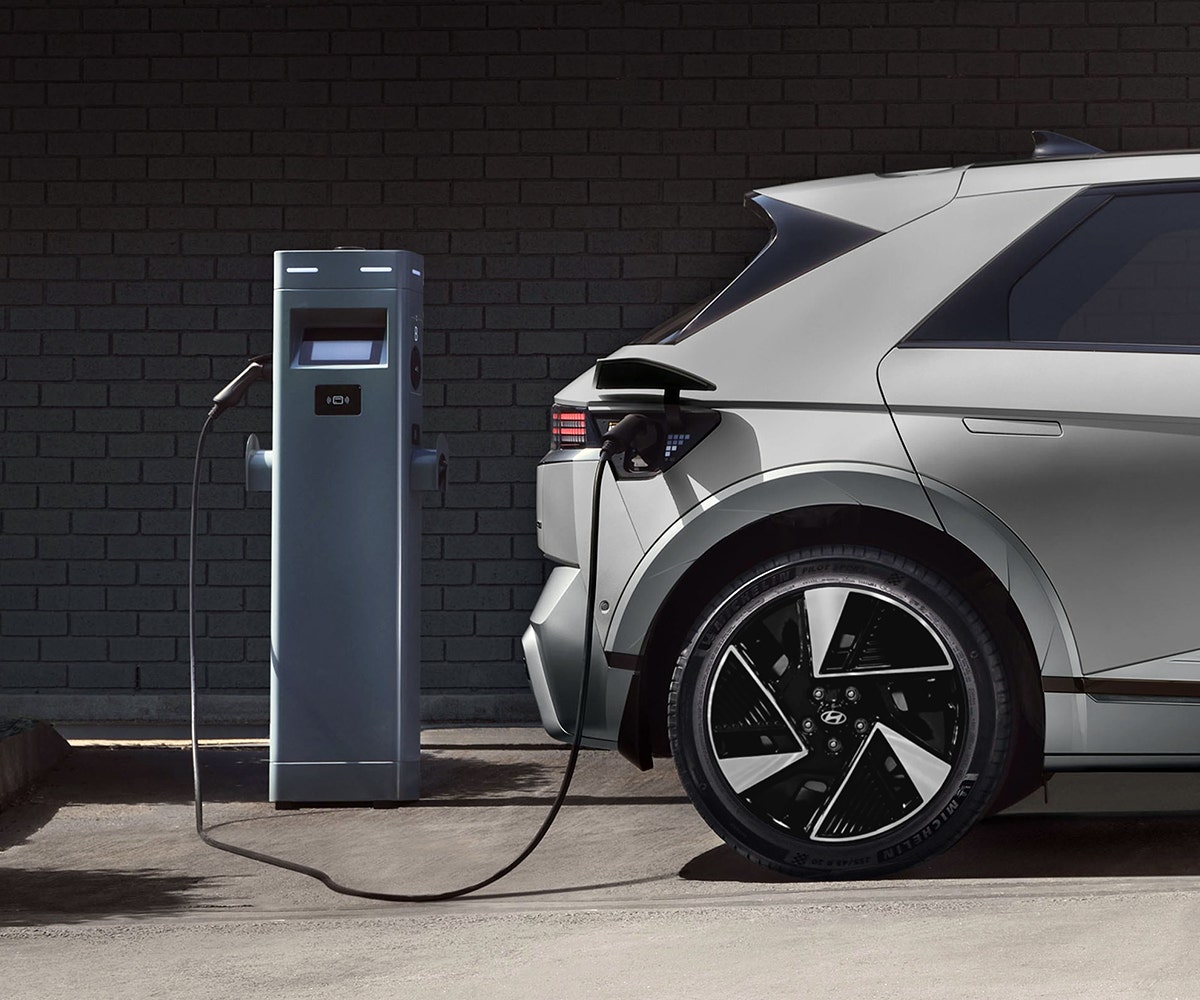


The IONIQ 5 Preferred Long Range comes with rear-wheel drive as standard, while a dual-motor AWD version costs $2,000 more before fees.
The $2,000 Price Gap Is Smaller Than the Range Gap
Hyundai Canada lists the Preferred Long Range RWD at $55,499 MSRP and the AWD version at $57,499. Its current price presentation shows $58,536 and $60,536, respectively, after published delivery and specified charges but before sales tax.
That $2,000 step is modest in the context of a roughly $60,000 purchase. On a financed deal, however, it is still money that could cover part of a home Level 2 charging installation, a set of winter tires or the insurance difference between configurations.
The bigger cost is range. AWD cuts the manufacturer-listed figure from 504 to 463 km, an 8.1-per-cent reduction. The second motor adds mass and drivetrain losses, while its extra performance makes the car capable of using energy more quickly when the accelerator is treated like an on-off switch.
A 41-km difference will not affect a 30-km commute. It can matter on a cold highway trip, where speed, cabin heat, winter tires, wind and snow already reduce the distance available between charging stops. Drivers who regularly stretch the battery should treat the RWD model’s extra margin as a real feature, not just a higher website number.
AWD Brings a Major Performance Upgrade
The rear-drive IONIQ 5 produces 168 kW, or 225 hp. That is enough for smooth merging and relaxed highway passing without turning routine driving into a traction exercise.
The dual-motor version adds a front motor and raises output to 320 hp with 446 lb-ft of torque. The difference is not subtle. AWD gives the IONIQ 5 the immediate shove many shoppers associate with a modern EV while also letting the vehicle distribute power across both axles.
Performance is useful when it helps the driver join traffic or pass safely. It is less useful when it becomes the reason to accept shorter range, higher tire wear and a larger payment without solving an actual transportation need.
Buyers should try both versions back to back. The RWD model may feel entirely adequate, especially for someone moving from a four-cylinder crossover. The AWD model will appeal immediately to drivers who value effortless acceleration, but its extra speed should be treated as part of the trade rather than a free bonus.
AWD Helps You Go; Winter Tires Help You Stop
Canadian winter shopping often turns four driven wheels into a checkbox. The reality is more nuanced.
AWD can improve the ability to pull away on snow, climb a slippery grade and keep momentum on an uncleared road. Those are meaningful advantages for rural households, drivers with steep driveways and people who head toward ski hills while a storm is still falling.
It does not shorten braking distances on ice. Tires create the contact with the road, and a proper winter set improves braking and steering for either drivetrain. A rear-drive IONIQ 5 on good winter tires can be a more sensible winter setup than an AWD model left on unsuitable all-season rubber.
Hyundai also gives the IONIQ 5 a Snow drive mode, a standard heat pump and battery temperature management. Preconditioning the cabin while plugged in can preserve useful battery energy before departure. Drivers should still plan winter highway legs around a reduced real-world range rather than assuming either published number will survive a severe February day intact.
Choose AWD when the route demands extra drive traction. Do not choose it as a substitute for tires, speed discipline or a realistic cold-weather charging plan.
Charging Speed Is a Draw
Drivetrain does not change the IONIQ 5’s core charging argument.
Both versions use an 84-kWh battery and Hyundai’s 800-volt-class electrical architecture. Hyundai estimates a 10-to-80-per-cent charge in approximately 18 minutes on a compatible 350-kW DC charger. The 2026 model has a native NACS inlet, but Hyundai specifies use of the included CCS DC adapter for its maximum charging-time claim on suitable CCS equipment.
That distinction matters. A plug that fits is not a guarantee of maximum speed. Charger voltage, power, battery temperature, starting state of charge and site conditions all affect the session. Compatible Tesla Superchargers make the native NACS port convenient, while a suitable high-power CCS charger may deliver the car’s best published performance through the supplied adapter.
The RWD model can turn the same charging stop into slightly more rated driving distance because it consumes less energy on the road. The AWD model still charges quickly; it simply starts the next leg with a lower maximum range figure.
MotorLinks’ NACS road-trip guide for Canadian EV buyers explains why connector shape, network access and charging speed need to be evaluated separately.
The Shared Cabin Makes This an Easier Decision
Choosing RWD does not mean accepting a stripped commuter car. The Preferred Long Range includes the IONIQ 5’s roomy, flat-floor cabin, dual 12.3-inch displays, wireless Apple CarPlay and Android Auto, heated front seats, a heated steering wheel and the brand’s connected-car features.
The sliding and reclining rear seat lets owners trade passenger room for cargo space, while the hatchback opening is useful for strollers, luggage and everyday family gear. Available equipment such as a panoramic roof, ventilated seats, a Bose audio system, surround-view cameras and vehicle-to-load power may depend on the package selected, so shoppers should compare complete build sheets rather than assuming drivetrain determines every comfort feature.
That is important because an AWD vehicle loaded with an additional package is no longer merely $2,000 above a basic RWD example. Compare written quotes on vehicles with equivalent colours and equipment. The drivetrain decision should not be confused with the cost of luxury features bundled onto the car that happens to be available.
What About Canadian EV Incentives?
Neither version should be treated as automatically eligible for a rebate based on the model name.
Canada’s current EVAP framework uses transaction rules that can depend on the final price, buyer, lease term, dealer participation, delivery date and remaining program funding. The IONIQ 5’s published prices sit above the program’s $50,000 final-transaction-value ceiling before discounts, so any eligibility claim needs to be proven on the actual written deal.
Manufacturer offers and dealer discounts can change the result, but a website payment estimate is not approval. Check MotorLinks’ Canadian EV incentive and affordability guide, then ask the retailer to identify the program, qualifying amount and conditions on the purchase or lease agreement.
Who Should Buy the RWD IONIQ 5?
Choose Preferred Long Range RWD if:
- 504 km of listed range provides useful winter or highway margin
- most driving happens on paved, regularly cleared roads
- efficiency matters more than maximum acceleration
- the lowest complete purchase price is the priority
- winter tires are already part of the ownership budget
This is the version most buyers should start with. It keeps the IONIQ 5’s charging speed, cabin, battery and connector advantages while delivering the longest range in the Canadian lineup.
Who Should Buy the AWD IONIQ 5?
Choose Preferred Long Range AWD if:
- steep, snowy or poorly cleared roads are routine rather than occasional
- the vehicle regularly travels to ski hills, cottages or rural properties
- 320 hp and stronger passing performance are worth the shorter range
- 463 km still covers the household’s longest normal legs
- the extra $2,000 does not displace winter tires or home charging from the budget
AWD is unusually easy to justify here because the MSRP step is small. It becomes the wrong choice only when the badge matters more than the use case.
Bottom Line
The 2026 Hyundai IONIQ 5 Preferred Long Range RWD is the smarter default. It goes 41 km farther on Hyundai’s published figures, costs $2,000 less and keeps the same battery, charging hardware, NACS port and practical cabin.
The AWD version is the more capable tool when roads are steep, snow is frequent or effortless performance matters. Its 320 hp and 446 lb-ft transform the car, and the price premium is modest. The 463-km range is still competitive; it is simply not as generous as the rear-drive model’s 504 km.
Buy RWD for the IONIQ 5’s best combination of range and value. Buy AWD when the second driven axle solves a route you can name. In either case, keep room in the budget for proper winter tires and a home-charging setup before spending on equipment that will be used less often.
FAQ
Should Canadians buy the RWD or AWD 2026 Hyundai IONIQ 5?
Choose RWD for the lowest price, 504-km listed range and best efficiency. Choose AWD if stronger acceleration and added traction are worth $2,000 and a 41-km reduction in listed range.
How much range does each version have?
Hyundai Canada lists 504 km for Preferred Long Range RWD and 463 km for Preferred Long Range AWD.
How much more does AWD cost?
The AWD version starts at $57,499 MSRP, exactly $2,000 more than the $55,499 RWD model before additional fees and sales tax.
Does the 2026 IONIQ 5 use NACS?
Yes. It has a native NACS port, and Hyundai says CCS AC and DC adapters are included. The approximately 18-minute 10-to-80-per-cent estimate requires suitable 350-kW equipment and the CCS DC adapter.
Sources
- Hyundai Canada: 2026 IONIQ 5 overview, performance and pricing
- Hyundai Canada: 2026 IONIQ 5 specifications