
VW ID. Polo vs Cupra Raval vs Skoda Epiq: Which One Fits You?
The Volkswagen ID. Polo, Cupra Raval and Skoda Epiq share MEB+ hardware, but their range, cargo space and personalities suit three different buyers.
Volkswagen Group has not launched one affordable electric car. It has launched three interpretations of the same basic idea.
The Volkswagen ID. Polo, Cupra Raval and Skoda Epiq all use the new front-wheel-drive MEB+ platform, related battery packs and common electric-motor technology. Their entry prices cluster around €25,000 to €26,000 before country-specific incentives, and their longest-range versions all land near 440 to 454 kilometres on the WLTP cycle.
That overlap makes them look interchangeable on a spreadsheet. They are not.
The ID. Polo is the safe all-round hatchback, the Raval is the lower and sportier choice, and the Epiq is the taller practicality play. Volkswagen Group’s newly announced 70,000 orders across the family suggest European shoppers understand the distinction.
Quick Verdict
Choose the Volkswagen ID. Polo if you want the most conventional answer: a familiar badge, the longest published maximum range of the three and a broad choice of trims without moving into a crossover.
Choose the Cupra Raval if performance and design matter more than absolute range. The 226-hp VZ adds hardware the others do not offer, including a lower sport chassis, wider track, adaptive suspension and an electronic slip differential.
Choose the Skoda Epiq if cargo flexibility wins the argument. Its 475-litre boot, 25-litre frunk, taller body and small-item storage make it the obvious family-and-gear choice.
The short answer is ID. Polo for balance, Raval for character, Epiq for space.
Volkswagen ID. Polo, Cupra Raval and Skoda Epiq gallery
13
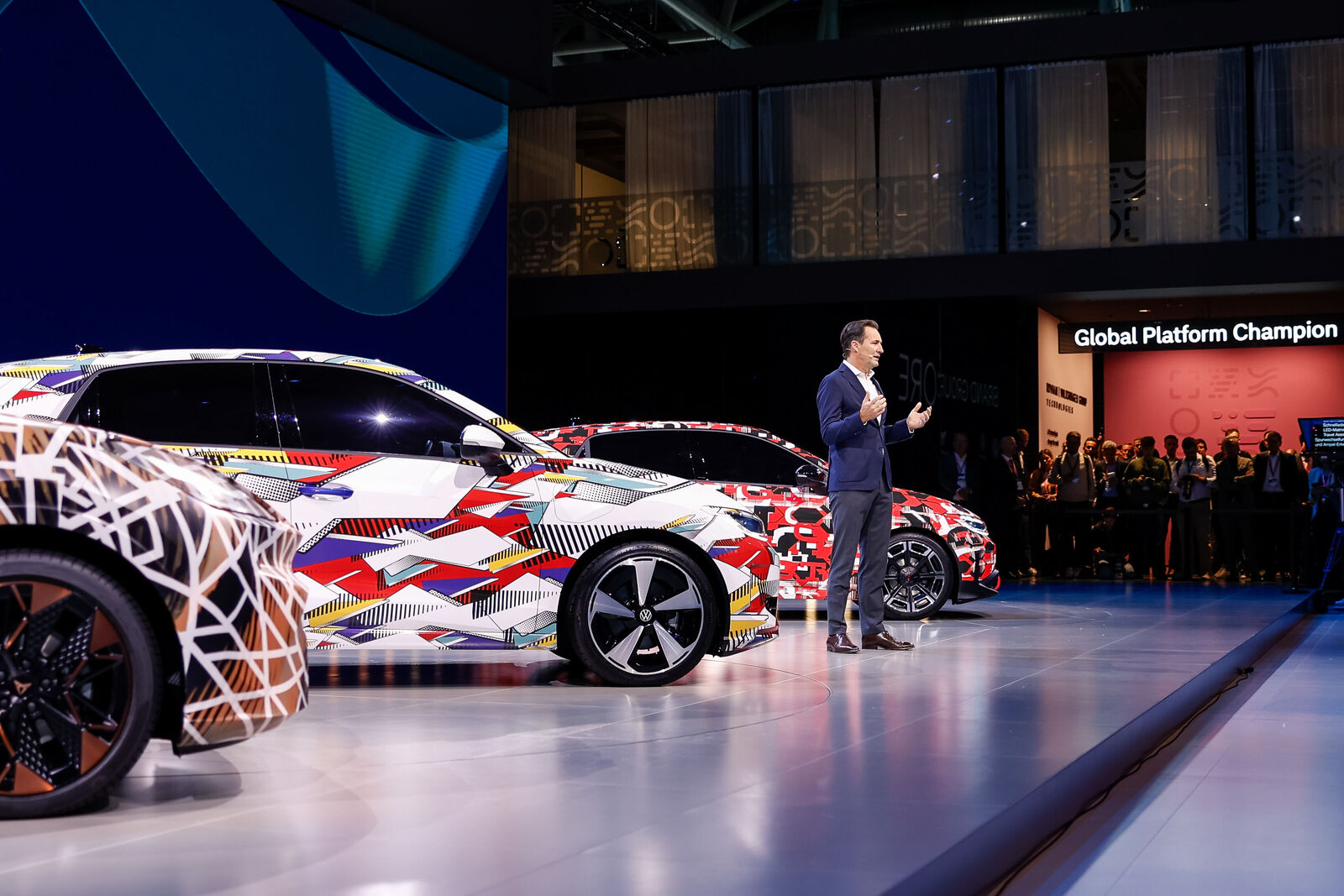
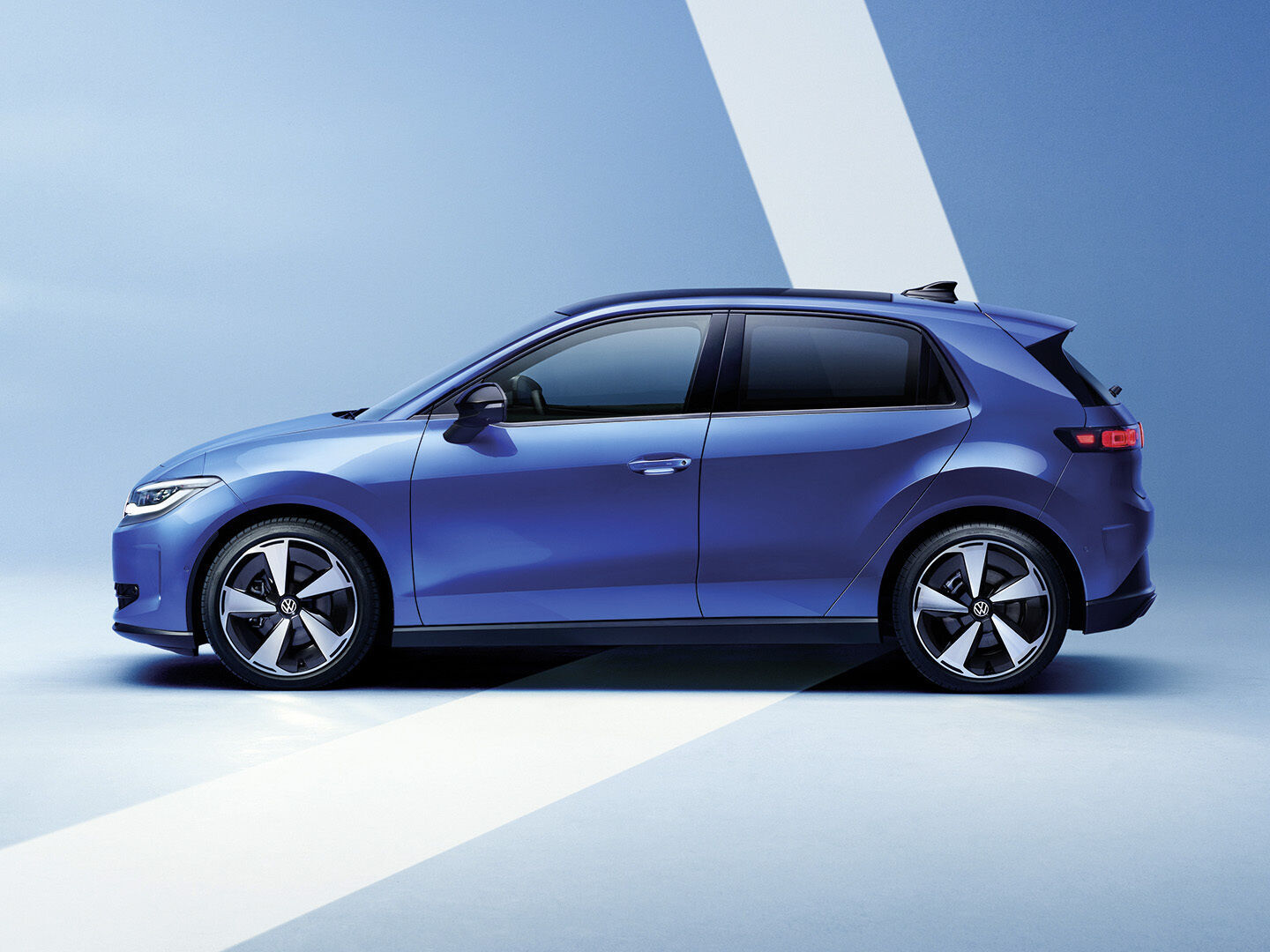
The ID. Polo, Raval and Epiq share an engineering family, but Volkswagen Group has separated them by body style and personality. Image: Volkswagen Group.
The Three-Car Snapshot
| Item | Volkswagen ID. Polo | Cupra Raval | Skoda Epiq |
|---|---|---|---|
| Body style | Five-door hatchback | Five-door sporty hatchback | Small crossover SUV |
| Indicative starting price | €24,995 for ID. Polo Trend in Germany | Around €26,000 manufacturer target; local pricing varies | Positioned around €26,000 in many European markets; local pricing varies |
| Battery choices | 37 kWh LFP or 52 kWh NMC, net | 37 kWh LFP or 52 kWh NMC, net | 37.0 kWh LFP or 51.7 kWh NMC, net |
| Power range | 85, 99 or 155 kW; 166-kW GTI follows later | 85, 99, 155 or 166 kW | 85, 99 or 155 kW |
| Maximum WLTP range | Up to 454 km | Up to 446 km for Endurance | Around 440 km |
| DC charging highlight | 37-kWh version: up to 90 kW and about 23 minutes from 10% to 80%; 52-kWh version: about 24 minutes | Endurance: up to 105 kW and about 24 minutes from 10% to 80% | Up to 133 kW; Epiq 55 takes about 23 minutes from 10% to 80% |
| Cargo space | 441 litres | 441 litres | 475-litre boot plus 25-litre frunk |
| Drive layout | Front-wheel drive | Front-wheel drive | Front-wheel drive |
| Best fit | Buyer wanting the most balanced, familiar small EV | Buyer prioritizing style and sharper road manners | Buyer needing crossover access and maximum storage |
ID. Polo: The Sensible All-Rounder
The ID. Polo has the easiest job to explain. Volkswagen took one of Europe’s best-known small-car names and applied it to a compact EV that deliberately avoids feeling experimental.
The entry-level Trend starts at €24,995 in Germany with a 37-kWh usable LFP battery, 85 kW of power and up to 334 km of WLTP range. Standard equipment includes 90-kW DC charging, LED headlights, a 10-inch driver display, a 13-inch infotainment screen, automatic climate control and several driver-assistance systems.
That is a credible commuter package rather than a stripped advertising special. Buyers who travel farther can move to the 52-kWh NMC battery, 155 kW of power and up to 454 km of WLTP range.
Volkswagen also quotes 441 litres of luggage space, an unusually strong number for a car just over four metres long. The front-drive layout leaves the rear of the platform free of a motor, helping the ID. Polo behave like a larger hatchback when groceries or luggage arrive.
Its weakness is also its point: the ID. Polo is the least adventurous choice. Someone who wants an SUV seating position will prefer the Epiq, while a driver who wants a small EV to feel playful will find more purpose-built hardware in the Raval.
Cupra Raval: The Driver’s Choice
The Raval shares the ID. Polo’s 37-kWh and 52-kWh battery families, but Cupra has used the platform to make a much sharper pitch.
The everyday sweet spot is the Raval Endurance. Its 155-kW motor and 52-kWh usable battery provide up to 446 km of WLTP range, while a 10-to-80-percent DC charge takes about 24 minutes under Cupra’s stated conditions. It retains a useful 441-litre boot, so the sportier styling does not erase practicality.
The range-topping VZ is where the brands truly separate. It produces 166 kW (226 hp) and 290 Nm of torque, reaches 100 km/h in a claimed 6.8 seconds, and adds a chassis lowered by 15 mm, a wider track, progressive steering, adaptive DCC Sport suspension and an electronic slip differential.
Those upgrades come with a trade-off. Bigger wheels, wider tires and the performance tune reduce the VZ’s range below the Endurance model’s maximum. A buyer choosing the VZ should be doing so for the way the hardware changes the car, not because it has the largest battery.
The Raval is therefore not automatically the premium answer. It is the emotional one. If the car will spend its life commuting through traffic and carrying bulky gear, the ID. Polo or Epiq makes more sense. If a small electric hatch should still feel like something an enthusiast would choose on purpose, the Raval has the clearest case.
Skoda Epiq: The Practical Crossover
Skoda has stretched the same engineering into a 4,171-mm-long crossover. The Epiq sits higher than its hatchback siblings and turns that shape into useful volume.
Its 475-litre rear compartment is the largest of the trio, expanding to 1,344 litres with the rear seats folded. A separate 25-litre frunk gives charging cables somewhere to live without occupying the main load floor. Skoda also adds the small conveniences it has built a reputation around: door storage, bag hooks, an umbrella, an ice scraper and a dedicated charging-cable bag.
The battery choices remain familiar. Epiq 35 and 40 versions use a 37.0-kWh usable LFP pack with 85 or 99 kW of power. The Epiq 55 combines 155 kW with a 51.7-kWh usable NMC battery, around 440 km of range, up to 133-kW DC charging and a quoted 10-to-80-percent time of about 23 minutes.
The Epiq gives up the Raval’s performance focus and the ID. Polo’s slightly higher maximum range. In exchange, it provides the body style many buyers already prefer, easier cargo loading and the most convincing case for replacing a small combustion crossover rather than merely adding a city EV.
For households with a stroller, dog crate, sports gear or frequent rear-seat passengers, those advantages will matter more than a few kilometres of rated range.
Shared Hardware Does Not Mean Identical Cars
All three use versions of the Volkswagen Group’s APP290 motor, front-wheel drive and cell-to-pack batteries built around the Group’s unified cell. The smaller packs use LFP chemistry, which helps lower cost and avoids nickel and cobalt. The larger packs use NMC chemistry for higher energy density and longer range.
The common toolkit is how Volkswagen Group gets these vehicles near mainstream small-car prices. Motors, cells, software and production investments can be spread across several brands instead of funded by one low-volume model.
The differentiation happens above that common floor:
- Volkswagen emphasizes familiar controls, broad trim choice and all-round usability.
- Cupra changes the stance, suspension, steering and performance equipment.
- Skoda spends its packaging advantage on cargo space and storage.
That is a smarter strategy than selling three nearly identical cars with different badges. It also gives buyers a reason to compare more than the monthly payment.
Which Battery Should You Choose?
The small LFP battery is the right answer when the car is mainly used for commuting, errands and predictable regional trips. Its lower purchase price matters every day, while 300-plus kilometres of rated range is more than many urban drivers use in a week.
The larger NMC battery is worth paying for when the vehicle regularly handles motorway travel, winter driving or days without reliable charging. The roughly 440-to-454-km maximums create more flexibility, and the higher-output motors are tied to those packs.
Do not buy the larger battery merely because it is the bigger number. Compare the longest normal day, charging access at home or work, and the price difference between actual dealer quotes. A smaller EV carrying unused battery capacity is less affordable and heavier for every kilometre it travels.
What This Means for Canada
None of these three vehicles has been announced for Canada. Cupra and Skoda do not currently sell mainstream passenger cars here, while Volkswagen Canada has not committed to the ID. Polo.
The comparison still matters because it shows what a mature affordable-EV platform can deliver: two battery sizes, 300-to-450-km range choices, useful cargo space and distinct body styles around a common €25,000-to-€26,000 starting point.
Canada’s market favours crossovers, so an Epiq- or ID. Cross-shaped product would probably translate more naturally than a small hatchback. Winter range expectations, federal safety certification, exchange rates and dealer economics would all affect any Canadian business case.
Until that changes, Canadian shoppers should use MotorLinks’ EV incentive and affordable-model guide for vehicles that can actually be purchased here. The European trio is evidence of what lower-cost EV competition can become, not a Canadian shopping list.
Bottom Line
The Volkswagen ID. Polo is the best all-rounder. It combines the highest published maximum range, a strong 441-litre boot, familiar positioning and the lowest clear German entry price.
The Cupra Raval is the enthusiast’s pick. Its Endurance version balances range and power, while the VZ adds meaningful chassis hardware rather than relying on styling alone.
The Skoda Epiq is the practical winner. A 475-litre boot, 25-litre frunk and crossover body make it the easiest choice for buyers whose small car still needs to handle family gear.
One platform has produced three credible answers. The right one depends less on the badge than on whether the buyer values balance, character or space.
FAQ
What is the difference between the ID. Polo, Cupra Raval and Skoda Epiq?
The ID. Polo is the conventional all-round hatchback, the Raval is the sportier hatchback, and the Epiq is a taller crossover with more cargo space. All three use Volkswagen Group’s front-wheel-drive MEB+ architecture.
Which has the most range?
The ID. Polo has the highest published maximum at up to 454 km WLTP. The Raval Endurance reaches up to 446 km, while Skoda quotes around 440 km for the Epiq.
Which has the most cargo space?
The Skoda Epiq leads with a 475-litre boot and 25-litre frunk. Volkswagen and Cupra each quote 441 litres for the ID. Polo and Raval.
Are any of these EVs coming to Canada?
No Canadian launch has been announced for the ID. Polo, Raval or Epiq. Canadian buyers should not make purchase plans around any of them until a manufacturer confirms local sales, pricing and timing.
Sources
- Volkswagen: ID. Polo 37-kWh pricing, range and equipment
- Volkswagen: ID. Polo batteries, range and cargo capacity
- Cupra: Raval range, battery and launch editions
- Cupra: Raval dimensions and cargo highlights
- Cupra: Raval VZ performance and chassis
- Skoda: Epiq batteries, charging and range
- Skoda: Epiq dimensions and cargo capacity
- Skoda: Epiq interior and storage
- Volkswagen Group: Electric Urban Car Family order update