Volkswagen's Affordable EV Family Tops 70,000 Orders in Weeks
Volkswagen Group says its ID. Polo-led Electric Urban Car Family has passed 70,000 European orders, offering an early sign that smaller, lower-priced EVs can unlock demand.
Volkswagen Group’s newest electric cars are answering a question the industry has spent years debating: what happens when mainstream EVs finally move downmarket?
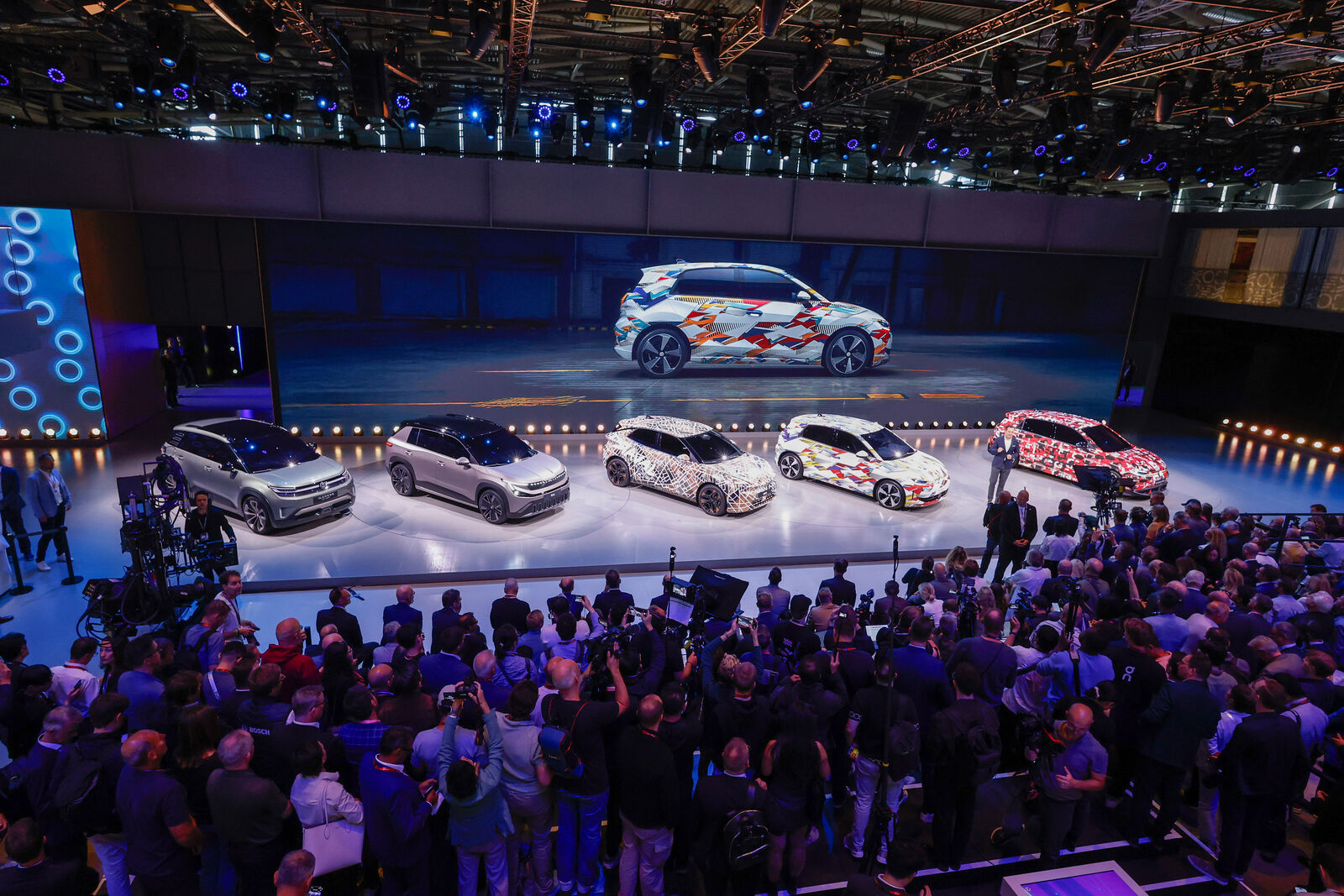
The company says its Electric Urban Car Family has already attracted more than 70,000 orders in Europe after only a few weeks on sale. That total covers the Volkswagen ID. Polo, Skoda Epiq and Cupra Raval. The fourth member, the Volkswagen ID. Cross, was not yet included among the three available models in the group’s July 24 results.
This is an order figure rather than a delivery count, and Volkswagen has not published a model-by-model breakdown for the full family. Still, the early response is meaningful. These are compact front-wheel-drive EVs designed around attainable prices, familiar body styles and enough range for daily use—not luxury SUVs relying on huge batteries and six-figure performance.
According to Volkswagen Group’s half-year update, the family is “significantly exceeding expectations.” The company also says the ID. Polo alone accounted for 25,000 orders.
Volkswagen Group Electric Urban Car Family
13
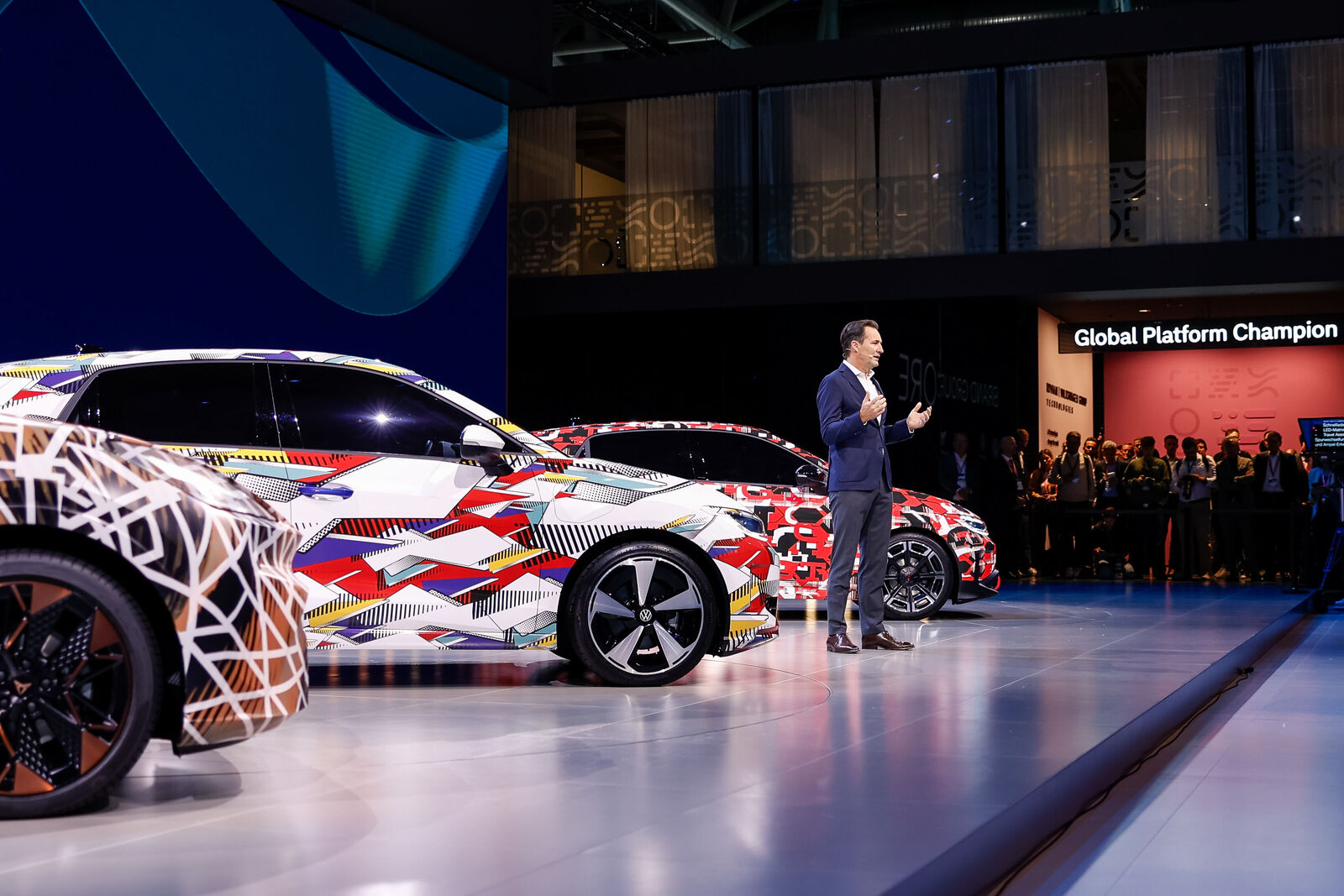
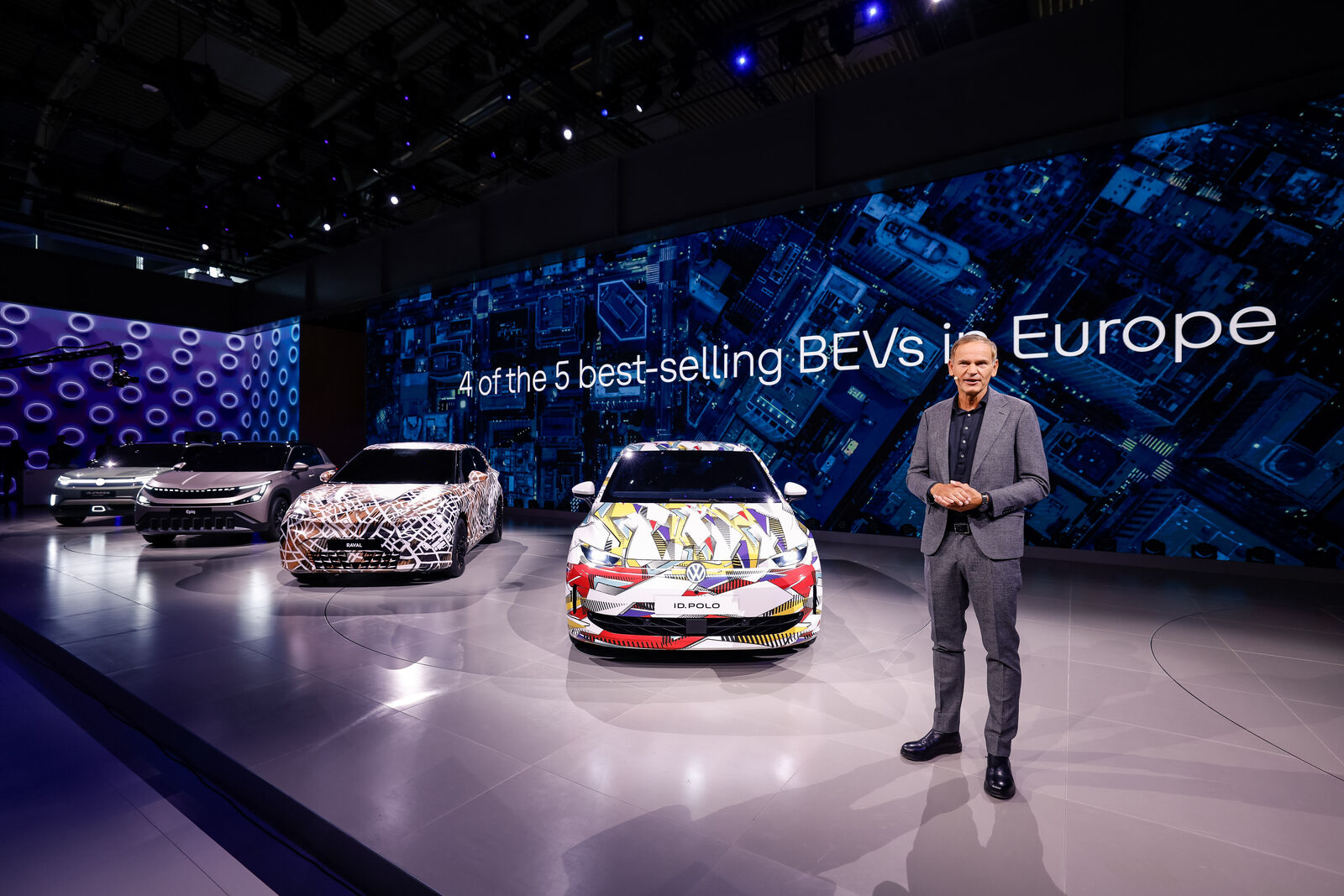
Volkswagen Group presented the shared Electric Urban Car Family at IAA Mobility. The lineup spans Volkswagen, Skoda and Cupra models. Image: Volkswagen Group.
The ID. Polo Shows What Volkswagen Is Chasing
The clearest example is the ID. Polo. Volkswagen opened German ordering with higher-output versions before adding the price-leading car this month.
The new entry model starts at €24,995 in Germany, including value-added tax. Its 37-kWh usable battery provides up to 334 kilometres of WLTP range, while DC charging peaks at 90 kW. Volkswagen says a 10-to-80-percent charge takes about 23 minutes under suitable conditions.
Those numbers are modest beside a long-range electric crossover, but the package is coherent. A smaller battery reduces cost and weight, and 334 km is useful for urban driving and typical commutes. Buyers who need more can move to the larger-battery ID. Polo, which offers up to 454 km of WLTP range.
The price is just as important as the battery. Europe has plenty of desirable EVs, but many remain too expensive to function as replacements for ordinary hatchbacks. Volkswagen is putting a familiar name and a sub-€25,000 starting point on the same car, even if options and higher trims can move the final invoice much higher.
The company’s July 16 ID. Polo announcement also lists practical standard equipment including DC fast charging, LED headlights, a 10-inch driver display, a 13-inch infotainment screen, automatic climate control and several driver-assistance systems. In other words, the base car is intended to be a usable product, not just an advertising price with no real equipment behind it.
One Platform, Three Different Pitches
The shared MEB+ architecture is doing the heavy lifting across the family. It uses front-wheel drive and compact battery packs to improve cabin space while spreading engineering and manufacturing costs across multiple brands.
The ID. Polo is the conventional hatchback. The Cupra Raval adds a sportier design and attitude. The Skoda Epiq takes the small-crossover route, with a taller body, a 475-litre luggage compartment and up to roughly 440 km of WLTP range.
Skoda started Epiq production in Pamplona in June and positioned it at around €26,000. Volkswagen’s ID. Cross is due to follow from the same Spanish plant, completing the four-model family.
That shared-toolkit approach is not glamorous, but it is exactly how affordable cars become viable. Volkswagen can buy common components at scale and run related vehicles through Spanish plants while preserving enough visual and functional separation to keep the brands from feeling identical.
The early order number suggests that distinction is working. Buyers are not being offered one generic small EV with three badges. They can choose a hatchback, a sportier hatch or a compact crossover without leaving the underlying platform family.
Strong EV Demand Inside a Difficult Half-Year
The 70,000-order headline lands inside a much less comfortable set of financial results.
Volkswagen Group vehicle sales fell 8.4 percent in the first half of 2026, while operating profit declined 11.6 percent to €5.9 billion. The company cited pressure from China, tariffs, restructuring costs and expenses related to ending ID.4 production in North America.
Europe’s EV order book was a brighter spot. Volkswagen says its battery-electric order backlog increased by more than 50 percent compared with the end of 2025, and BEVs now represent more than 30 percent of the European order bank.
That contrast matters. The group is not claiming that a successful small-EV launch has fixed its wider business. It is showing that lower-priced electric cars can create momentum even while the company deals with falling global volume and tight margins.
Orders also do not guarantee smooth deliveries, strong residual values or healthy profits. Volkswagen still has to ramp four vehicles, maintain software quality, deliver the promised lower-priced versions in meaningful numbers and resist letting option packages undermine the affordable positioning.
What It Means for Canada
Volkswagen has not announced the ID. Polo, ID. Cross, Skoda Epiq or Cupra Raval for Canada. Skoda and Cupra do not currently sell mainstream passenger vehicles here, and the Canadian market remains heavily tilted toward crossovers.
The lesson still travels. Canadian EV shoppers regularly face a large gap between inexpensive used models and new electric crossovers that can quickly climb beyond $50,000. Europe’s response to Volkswagen’s small-EV family reinforces the idea that demand is not simply “for EVs” or “against EVs.” Price, size, range and familiarity shape the answer.
Canada’s EV incentive and affordable-model guide tracks the vehicles and support programs actually available here. None of Volkswagen’s new urban models belong on that shopping list yet. But their early order book is a useful signal for any automaker deciding whether Canadians would respond to a genuinely lower-priced EV.
For Volkswagen, the next proof point will be deliveries. Seventy thousand orders show interest. Building the cars on time, preserving the advertised entry prices and turning that interest into satisfied owners will determine whether the Electric Urban Car Family becomes a real European breakthrough.