MG GO vs Renault 5 vs VW ID. Polo: Europe's Affordable EV Fight Just Got Personal
MG's GO! concept joins the Renault 5 and Volkswagen ID. Polo in Europe's small-EV fight. The lesson for Canada is simple: affordable EVs need character, not just lower prices.
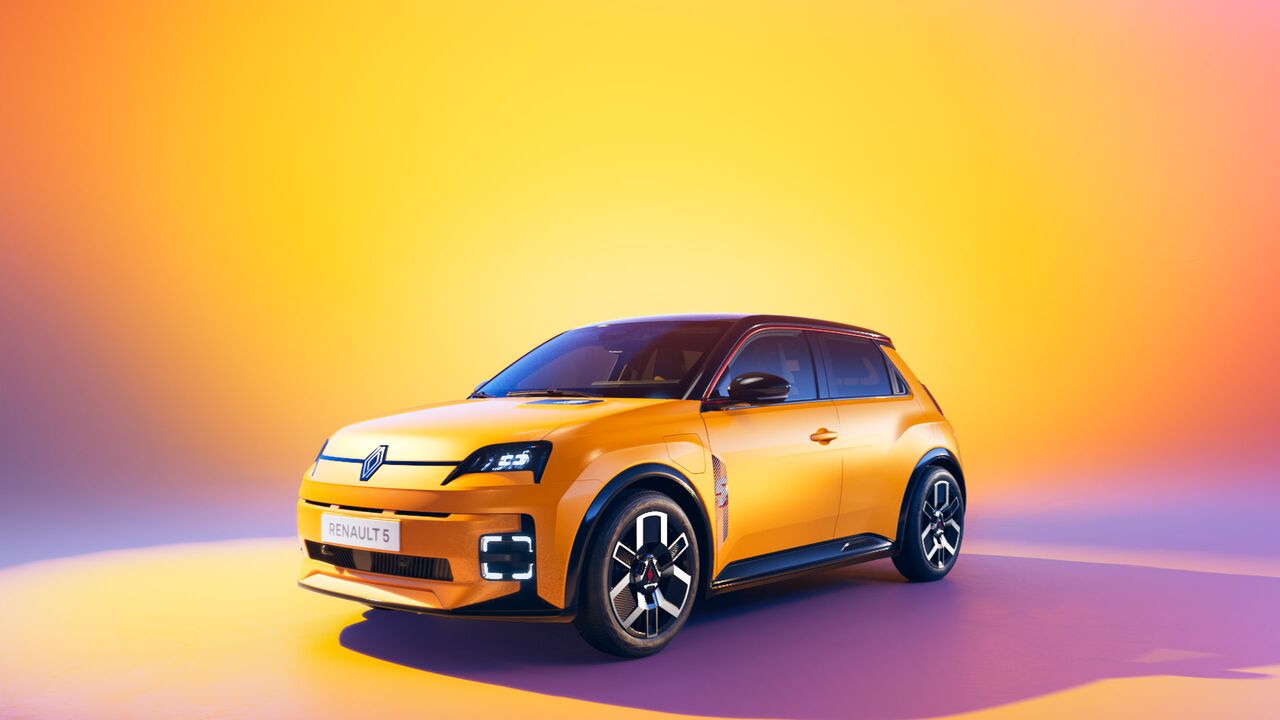
Image: Renault
Polo prototype/price premise and Renault range headline; distinguish entry prices from larger-battery maximum ranges.
Europe’s affordable-EV fight is starting to look less like a spreadsheet and more like a design contest.
That is the useful part of MG’s latest Goodwood reveal. The new MG GO! is not the only small electric car in the conversation, and it is not the most complete one. It is still a concept. But it lands in a market where the Renault 5 E-Tech electric is already proving that small EVs can have charm, while the Volkswagen ID. Polo is trying to make a familiar mass-market badge electric without losing the Volkswagen-ness buyers understand.
MG’s release describes a 2027 GO! production plan. Renault UK currently advertises an entry £21,495 including the grant and a separate maximum of 259 WLTP miles on eligible versions. Volkswagen’s entry-model update gives €24,995 in Germany for the smaller pack; the longer-range production version has a separate price and specification. These prices, ranges and countries are not interchangeable.
The important point is not that these cars are coming to Canada. They are not confirmed for Canada, and shoppers here should not build a buying plan around them. The point is that Europe is testing a better affordable-EV formula: make the car small, efficient, visually memorable, and honest about its job.
Canada still needs that lesson.
October Source Update
Volkswagen’s later entry-model release supersedes the older near-production snapshot: the German Trend is €24,995 with a 37-kWh battery and up to 334 km WLTP; the 52-kWh version has a separate up-to-454-km figure. Do not combine the entry price with the largest pack’s range. Renault’s current UK page has moved to MY27 and a 259-mile maximum, while £21,495 is its entry price including the grant. These are regional, configuration-dependent figures, not Canadian offers.
Quick Verdict
The Renault 5 is the benchmark today because it is a real car with live pricing, real trims, a strong range claim, and a design that makes small-EV ownership feel desirable rather than apologetic.
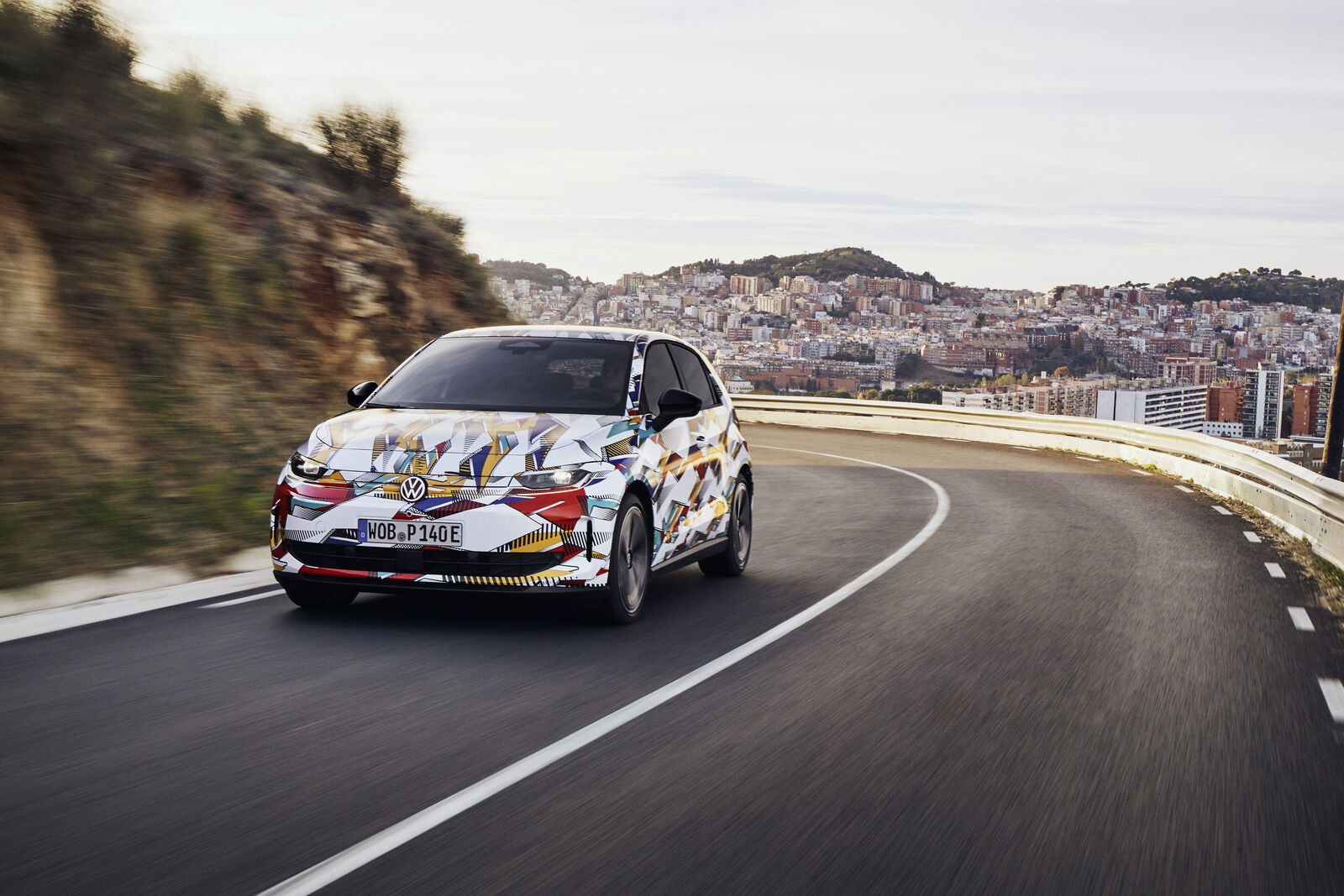
The Volkswagen ID. Polo is another current mainstream choice because it brings a known name, more detailed engineering targets, two battery families, front-wheel-drive packaging, and Volkswagen’s attempt to make entry EVs feel properly finished.
The MG GO! is the wildcard. It has no final price, battery, range, or charging spec yet, but it matters because MG appears to understand that cheap EVs still need identity. If the production car keeps the concept’s character and lands with MG-style value pricing, it could be a real pressure point in 2027.
For Canadian buyers, the takeaway is not “wait for one of these exact cars.” It is “watch which automakers can make affordability feel intentional.” The local shopping math still belongs with available cars, current pricing, charging access, winter range, and the latest Canadian EV incentive guide.
| Model | Current Status | Why It Matters |
|---|---|---|
| MG GO! | Concept revealed at Goodwood; previews a 2027 B-segment electric city car | Shows MG wants the next affordable EV to lean on design character, not only low price. |
| Renault 5 E-Tech electric | On sale in Europe, with UK pricing from 21,495 pounds including the Electric Car Grant | Proves a small EV can use retro cues, useful range, and real pricing to feel like a choice rather than a compromise. |
| Volkswagen ID. Polo | Current German Trend entry from €24,995 with 37 kWh; longer-range versions cost more | Turns the ID.2 idea into a familiar Polo name with MEB+ packaging, LFP/NMC battery options, and up to 450 km range. |
MG GO, Renault 5, and Volkswagen ID. Polo gallery
13
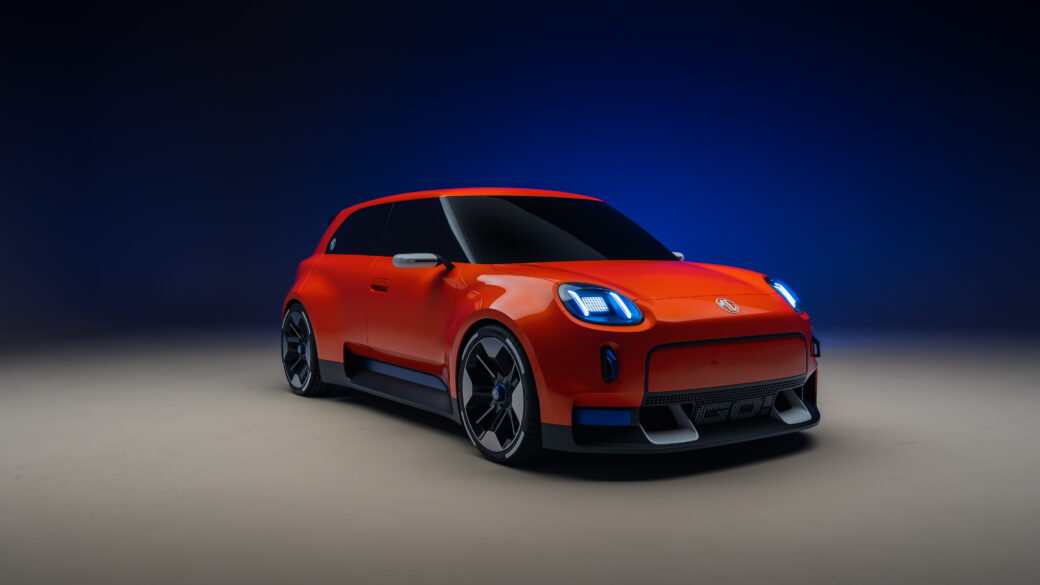

The MG GO! is still a concept, but it shows MG wants its next small EV to have more personality than a price-first commuter pod. Image: MG Motor Europe.
Why The Renault 5 Is The Car To Beat
The Renault 5 has the clearest answer because it is already doing the job the others are promising.
Renault did not simply build a cheap EV box and ask nostalgia to cover the rest. The 5 has proportions people recognize, bright colors, a friendly face, a bonnet-mounted charge indicator, Google-based infotainment on higher trims, V2L capability, and enough range for the way most small cars are actually used.
That last part matters. A small affordable EV does not need a giant battery if it is priced, packaged, and marketed honestly. Renault’s strongest versions are not trying to be highway luxury cruisers. They are trying to be urban and suburban cars that make sense for commuting, errands, school runs, shorter regional trips, and home charging.
The design is the unlock. The Renault 5 makes a smaller battery and compact footprint feel like a product philosophy, not a cost-cutting confession. That is what affordable EVs have often missed. Too many have felt like the base model of a better car. The 5 feels like the main event in its own lane.
Where Volkswagen Has The Better Scale Story
Volkswagen’s pitch is different. The ID. Polo is not trying to be as playful as the Renault 5. It is trying to make the electric small car feel normal, familiar, and durable.
That is not a small advantage. The Polo name has decades of buyer trust behind it, and Volkswagen is clearly using that equity on purpose. The company says the ID. Polo will be roughly classic-Polo-sized outside, but roomier inside because of the front-wheel-drive MEB+ layout. It also quotes up to 435 litres of luggage space and up to 1,243 litres with the rear seat folded.
The older Volkswagen prototype release described 37-kWh LFP and 52-kWh NMC options with charging targets. Current production material gives up to 454 km for the larger pack and a roughly 24-minute 10–80% window. The earlier 130-kW target is not newly certified by this review; match the order’s final charging specification rather than combining prototype targets with today’s entry price.
That gives Volkswagen a clean lane if the price really lands. The ID. Polo can be the sensible buyer’s answer: recognizable name, practical space, physical controls, familiar dealer network in Europe, and enough range to make the EV transition feel boring in the best way.
The risk is also familiar. Volkswagen has to hit the real transaction price, not just the headline. If the affordable trim arrives late, is thinly equipped, or gives most buyers a reason to climb into expensive versions, the Renault 5 and Chinese-backed rivals will not wait politely.
Why MG GO Still Deserves Attention
The MG GO! is the least complete car here and still one of the more interesting ones.
MG has not published the production car’s battery size, range, charging speed, dimensions, or price. That means it should not be treated as a buy recommendation. But concept cars can still tell us where a brand thinks the opportunity is, and MG’s message is clear enough: the small EV has to be more than cheap.
That is especially important for MG. The brand has been effective in Europe because it can compete hard on value, but value alone can become anonymous. A future B-segment EV with a stronger design identity gives MG a way to say it is not just undercutting legacy brands. It is trying to make the affordable end of the market feel interesting.
The GO!‘s best idea is that affordability and warmth can live together. Small EVs are naturally efficient because they are light and compact. They can also be easier to park and use fewer materials than oversized crossovers with huge batteries. Styling is subjective, and insurance needs an individual quote. The production car has to prove the numbers, but the brief is right.
What This Means For Canada
Canada will probably not get this exact three-car fight.
Renault and MG do not sell mainstream passenger cars here, and Volkswagen has not confirmed the ID. Polo for Canada. Even if one arrived, it would have to survive different safety requirements, exchange rates, freight, dealer strategy, winter expectations, and a market that still leans heavily toward crossovers.
But the bigger lesson travels well. Affordable EVs do not become affordable only because an automaker removes equipment. They become affordable when the whole vehicle is designed around the job: smaller battery, lower mass, efficient motor, simple trim walk, smart packaging, and enough visual appeal that buyers do not feel like they are settling.
That is why Europe’s small-EV race matters to Canadians even from a distance. The cars on sale here, such as the Chevrolet Bolt, Nissan LEAF, Kia EV3, Fiat 500e, and used EVs, are fighting the same trust problem. Buyers want a payment that makes sense, but they also want range, charging, warranty confidence, winter usability, and a car they actually like.
Incentives can help close the gap, but they cannot rescue a dull product. A genuinely strong affordable EV has to be convincing before the rebate line is added.
Bottom Line
The Renault 5 is the current proof that small affordable EVs can be desirable. The Volkswagen ID. Polo is the industrial answer, built around scale, familiarity, and practical packaging. The MG GO! is the design provocation, asking whether a value brand can make its next small EV feel charming rather than merely cheap.
That is the right fight.
For too long, affordable EVs were discussed as if price alone would solve the market. Europe is showing a better path. The winning small EV will need the right cost, the right range, the right charging setup, and enough character to make buyers feel good about choosing less car, not punished for spending less money.
Canada may not get these exact models. It still needs more vehicles built with that mindset.
Is the MG GO a production car?
Not yet. MG describes the GO! as a B-segment electric city-car concept that previews a future production model expected in 2027.
Which affordable European EV is the most concrete right now?
The Renault 5 E-Tech electric is the most concrete because it is already a retail product in Europe. The Volkswagen ID. Polo now has an available entry model and current production specifications. The MG GO! is still a design-led preview.
Will the MG GO, Renault 5, or Volkswagen ID. Polo come to Canada?
None is confirmed for Canada. Their relevance is indirect: they show how smaller batteries, lower weight, strong design, and disciplined pricing can make affordable EVs more convincing.
What should Canadian affordable-EV shoppers do instead?
Shop the cars that are actually available or clearly inbound, then compare the real signed quote, winter range needs, charging access, insurance, delivery timing, and incentive eligibility. The affordable EV that wins on a brochure can still lose on the driveway math.