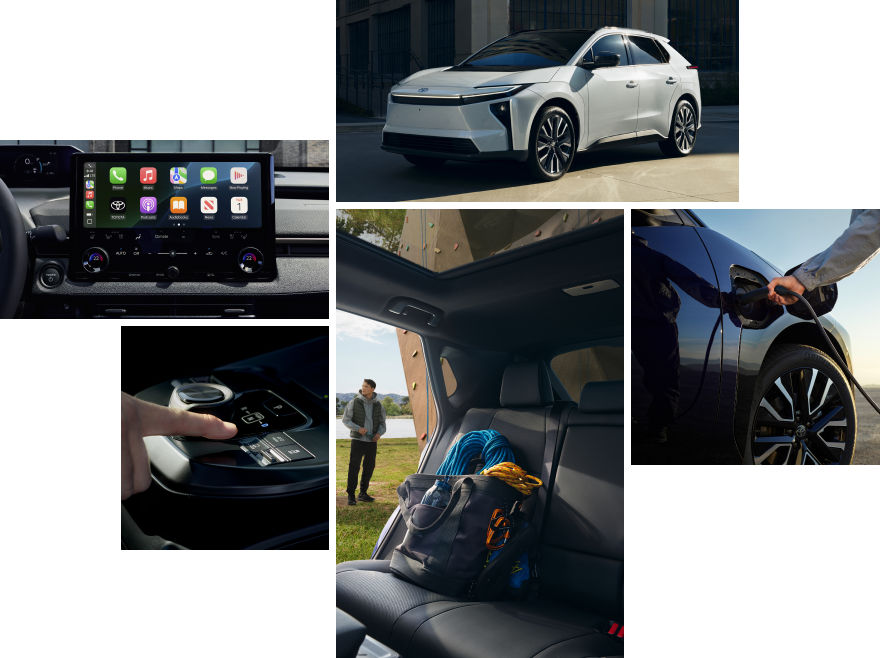
Toyota bZ vs Chevrolet Equinox EV: Canada's Mainstream Electric SUV Fight
The 2026 Toyota bZ and Chevrolet Equinox EV both chase practical Canadian EV buyers, but they split on range, charging-port strategy, cargo space, and incentive math.
The most useful affordable-EV comparison in Canada may not involve Tesla at all.
The 2026 Toyota bZ and 2026 Chevrolet Equinox EV are both aimed at shoppers who want a normal-looking electric crossover from a familiar dealer network. Neither asks buyers to treat EV ownership as a tech hobby. Both brands also point shoppers toward Canada’s Electric Vehicle Affordability Program on qualifying configurations, which means the final quote matters as much as the spec sheet.
There is a real split, though. Toyota is leaning on a cleaner charging-port story, a refreshed bZ, and its huge Canadian hybrid-to-EV customer base. Chevrolet is leaning on range, cargo space, and a more conventional compact-SUV shape.
Quick Verdict
Start with the Chevrolet Equinox EV if this will be the main family vehicle. Chevrolet Canada lists up to 513 km of range with front-wheel drive, 494 km with all-wheel drive, a standard 17.7-inch centre screen, available Super Cruise, and 1,620 litres of maximum cargo volume. It is the easier pick if space and range are the priorities.
Start with the Toyota bZ if the deal math works and you want Toyota’s ownership ecosystem. Toyota Canada lists native NACS, a dual-voltage charging cable, Plug & Charge capability, battery preconditioning, and available AWD with X-Mode. Its published Canadian range numbers do not beat the Equinox EV, but the bZ now feels much less like the compromised early bZ4X story.
The short version: Equinox EV for range and room; bZ for native NACS, Toyota familiarity, and quote-dependent value.
Toyota bZ and Chevrolet Equinox EV gallery
13
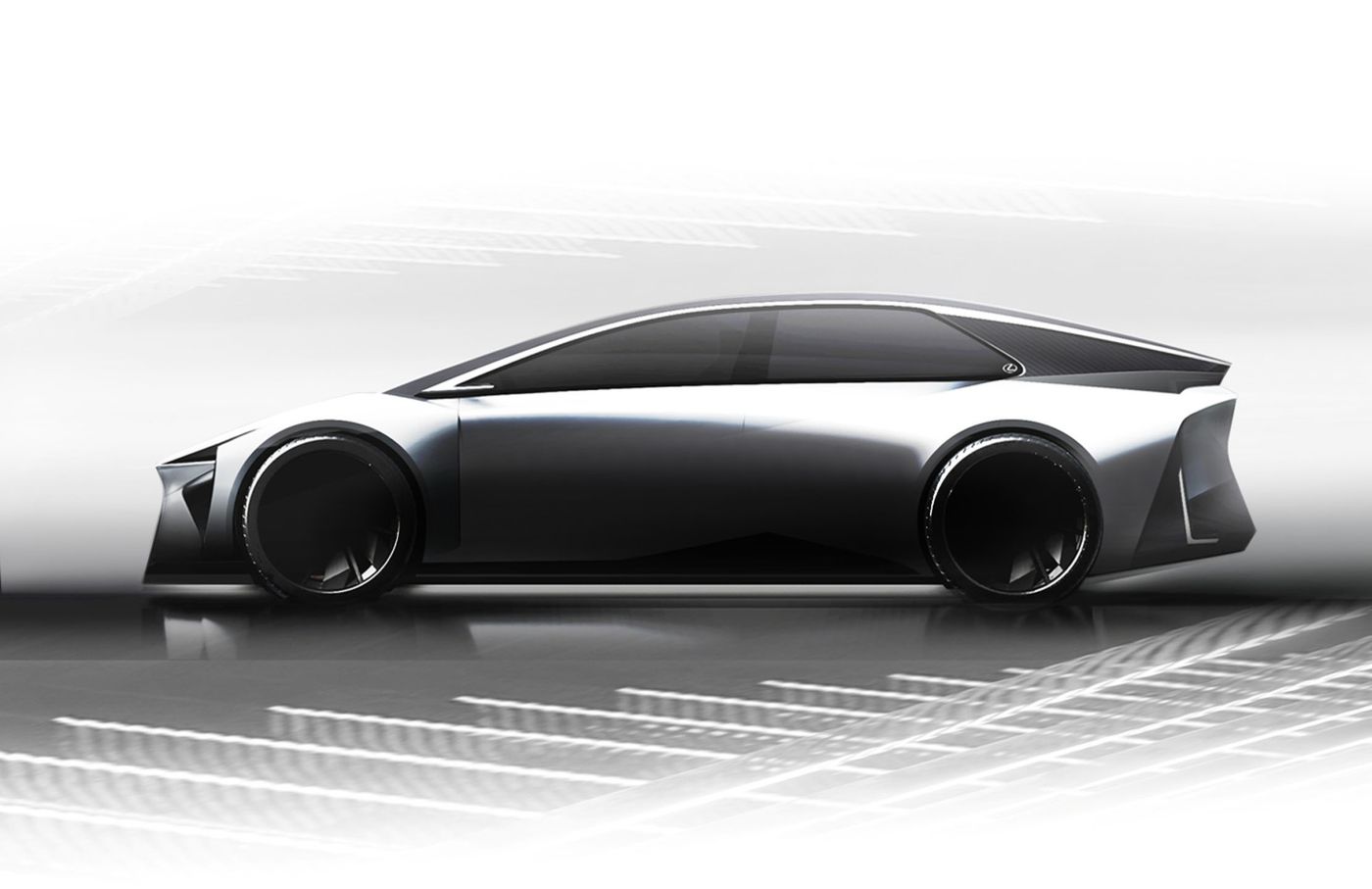
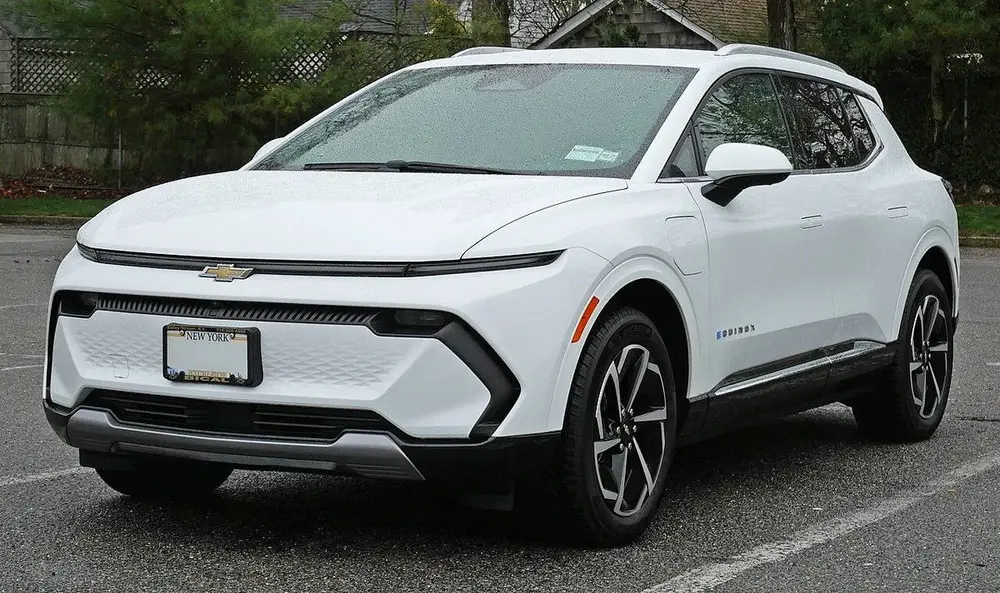
The 2026 Toyota bZ is now a more credible Canadian EV, with native NACS, battery preconditioning, and available AWD.
Canada Snapshot
| Item | 2026 Toyota bZ | 2026 Chevrolet Equinox EV |
|---|---|---|
| Canadian range context | Toyota Canada lists 380 km for XLE FWD, 468 km for XLE AWD, and 436 km for Limited AWD | Chevrolet Canada lists up to 513 km with FWD and 494 km with AWD |
| Charging-port story | Native NACS charging port, dual-voltage charging cable, Plug & Charge, and battery preconditioning listed by Toyota Canada | Chevrolet Canada emphasizes home charging, public charging access, Regen on Demand, cabin preconditioning, and One Pedal Driving |
| Drivetrain | FWD or AWD depending on grade | FWD or AWD depending on configuration |
| Cargo and family usefulness | Five-seat compact electric SUV packaging | Five seats and 1,620 litres of maximum cargo volume |
| Incentive context | Toyota Canada shows EVAP details for qualifying bZ transactions with final transaction price limits | Chevrolet Canada says eligible customers may qualify for up to $5,000 in federal EVAP rebates on select Equinox EV models |
| Best buyer | Toyota owner moving into a full EV who values native NACS, AWD traction features, and dealer familiarity | Family crossover shopper who wants the longer listed range, larger cargo claim, and familiar Chevrolet SUV feel |
Why The Equinox EV Is The Easier Family Answer
The Equinox EV has the cleaner spec-sheet case.
Chevrolet Canada says the 2026 Equinox EV can deliver up to 513 km of estimated range on a full charge with front-wheel drive, or 494 km with all-wheel drive. Those figures matter in Canada because winter, highway speeds, cargo, tires, and cabin heat can all eat into usable range. Starting with more range gives a household more breathing room before the compromises show up.
The cargo number also matters. Chevrolet lists 1,620 litres of maximum cargo volume, which makes the Equinox EV feel closer to the compact crossovers Canadian families already buy by default: RAV4, CR-V, Tucson, Rogue, Escape, and Equinox. If this is replacing a gasoline SUV, that familiarity is not a small thing.
The Equinox EV also has a strong interface argument. The standard 17.7-inch centre screen with Google built-in gives it a tech-forward cabin without asking the driver to give up the basic SUV shape. Available Super Cruise adds another differentiator for highway commuters, though buyers should price the exact trim and ongoing plan details before giving that too much weight.
Why The Toyota bZ Is Back In The Conversation
The Toyota bZ is more interesting than the old bZ4X reputation suggests.
Toyota Canada lists the 2026 bZ with NACS as part of the feature set, plus a dual-voltage 120V/240V charging cable, Plug & Charge capability, battery preconditioning, and wireless Apple CarPlay and Android Auto. Those details make the bZ feel more sorted for daily ownership than the first wave of Toyota EV chatter implied.
The range story is mixed. Toyota Canada’s current bZ page lists 380 km for XLE FWD, 468 km for XLE AWD, and 436 km for Limited AWD under NRCan-estimated conditions. That is unusual because the AWD XLE is the range leader on the Canadian page, while the FWD grade is the lower-range entry. Buyers should not assume front-wheel drive automatically means the longest bZ range in Canada.
The bZ also has a Toyota-specific advantage: trust. A lot of Canadian shoppers are not EV early adopters. They are Corolla, RAV4, Highlander, Prius, and Camry Hybrid owners wondering whether now is the time to go fully electric. For that person, a Toyota EV sold and serviced through the local dealer may feel easier than a stronger spec sheet from a brand they do not already know.
Charging Is Not Just About Peak Speed
Neither of these SUVs is an 800V charging hero like a Hyundai IONIQ 5 or Kia EV6. That is fine, because this comparison is less about bragging rights and more about daily confidence.
Toyota’s advantage is simplicity around the port. Native NACS means the plug strategy is more future-facing for Canadian road trips as Tesla-style connectors become common. Plug & Charge and battery preconditioning also matter because the most frustrating public-charging moments usually come from authentication, routing, or a cold battery, not the peak number on a brochure.
Chevrolet’s advantage is range and packaging. If you can leave home with more kilometres in reserve, you may not need to fast-charge as often. For a family that charges overnight, drives 60 to 100 km most weekdays, and takes the occasional highway trip, the Equinox EV’s range cushion could matter more than port neatness.
The practical advice: map the chargers you actually use. If your routes are already NACS-heavy and Toyota’s bZ quote is strong, the native-port advantage is real. If you mostly charge at home and want the bigger reserve, the Equinox EV is the more relaxed choice.
EVAP Could Decide It
This is where the showroom gets more important than the spreadsheet.
Toyota Canada describes EVAP on the bZ page, including a purchase rebate amount for battery-electric vehicles and the program’s final-transaction-price limit. Chevrolet Canada says eligible customers may qualify for federal EVAP rebates on select Equinox EV models. In both cases, “may qualify” is doing important work.
Eligibility can depend on the exact trim, accessories, freight, dealer fees, lease term, delivery date, dealer participation, and whether program funding is still available. A bZ that stays below the qualifying line can look very different from one that misses it after options. The same is true for the Equinox EV.
Before choosing either SUV, use the MotorLinks Canadian EV incentive guide, then ask each dealer for a written quote that breaks out:
- MSRP, freight, dealer fees, accessories, and protection packages.
- The final transaction price used for EVAP eligibility.
- Federal and provincial incentives applied or excluded.
- Lease versus finance assumptions.
- Charging cable, adapter, winter-tire, and home-charger costs.
The winner is the vehicle that fits your life after the real quote, not the one that looks better in a national headline.
Which One Should Canadians Shortlist?
Choose the Chevrolet Equinox EV if you need one EV to handle family duty with the fewest packaging compromises. Its listed range, cargo volume, available AWD, and conventional crossover shape make it the safer starting point for many households.
Choose the Toyota bZ if your Toyota dealer relationship matters, you want native NACS from the start, or the exact bZ quote lands in a cleaner incentive position. The bZ is also worth a look if you want Toyota’s AWD traction features and are comfortable with its lower published range ceiling versus the Chevy.
The hardest case is the EVAP shopper comparing an Equinox EV and a bZ that both sit near the eligibility threshold. In that situation, do not decide from online prices alone. Drive both, compare written quotes, and check whether the exact vehicle in stock is the one that qualifies.
Bottom Line
The Chevrolet Equinox EV is the stronger mainstream family EV on range and room. If you are replacing a gas crossover and want one vehicle to do school, errands, hockey bags, cottage runs, and winter commuting, start there.
The Toyota bZ is the more interesting comeback story. It does not beat the Equinox EV on published Canadian range, but native NACS, better charging-support features, Toyota dealer familiarity, and possible incentive alignment put it back on the shortlist.
For Canadian buyers, this is a good problem to have. The practical EV segment is finally getting choices that look like real household vehicles, not just compliance cars or luxury toys.
FAQ
Should Canadians buy the Toyota bZ or Chevrolet Equinox EV?
Buy the Chevrolet Equinox EV if range, cargo room, and family-SUV usefulness matter most. Buy the Toyota bZ if native NACS, Toyota dealer familiarity, AWD traction features, and final incentive math make the written quote stronger.
Which has more range, the Toyota bZ or Chevrolet Equinox EV?
The Chevrolet Equinox EV has the higher listed Canadian range. Chevrolet Canada lists up to 513 km with front-wheel drive and 494 km with all-wheel drive. Toyota Canada lists the bZ at 380 km for XLE FWD, 468 km for XLE AWD, and 436 km for Limited AWD.
Do both qualify for EVAP in Canada?
Both brands describe EVAP availability on qualifying configurations, but shoppers should verify the exact trim and final transaction price. Eligibility can change with options, fees, delivery timing, dealer participation, lease terms, and program funding.
Which is better for road trips?
The Equinox EV has the range advantage, while the Toyota bZ has the cleaner native-NACS story. For most Canadian road trips, the better choice depends on your route, winter range needs, and which charging networks are most reliable where you actually drive.