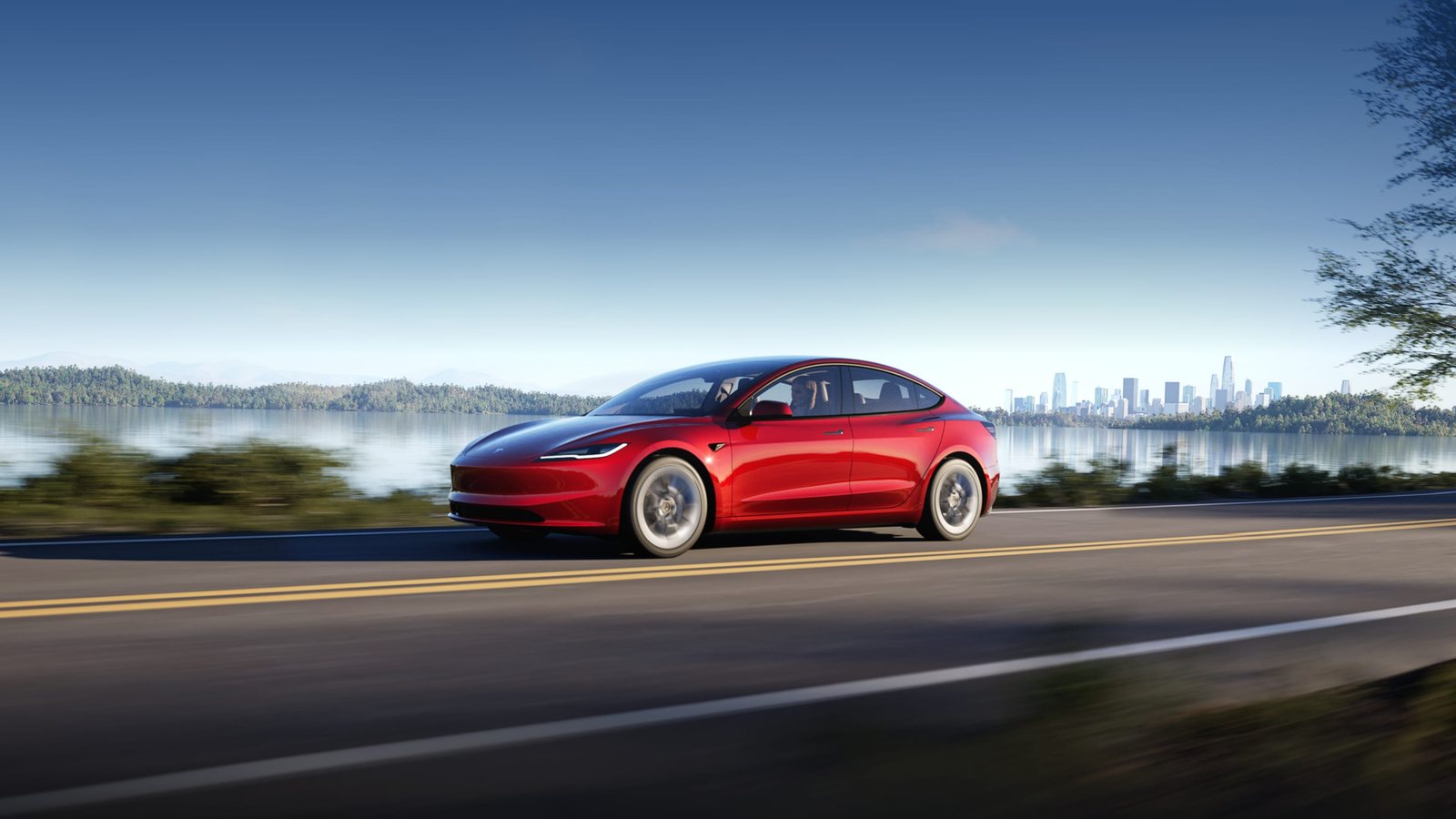
Tesla Model 3 vs Chevrolet Equinox EV: Canada's Affordable EV Choice Got Complicated
The cheap China-built Tesla Model 3 is now a Canadian affordability story, but the Chevrolet Equinox EV still answers a different question: sedan value or family-SUV practicality?
Canada’s EV market suddenly has a very specific shopping question: if a Tesla Model 3 now starts around mainstream money again, does the Chevrolet Equinox EV still make sense?
The answer is yes, but not for the same buyer.
The cheaper China-built Tesla Model 3 changes the value math because it puts a known EV sedan, Tesla software, and Supercharger access back into the same conversation as mainstream crossovers. This morning’s Model 3 Canada arrival story explains why that happened: Canada’s new Chinese-origin EV quota lowered the tariff inside a capped import pool, and Tesla appears to be one of the first companies with product ready to use it.
The Chevrolet Equinox EV is the counterargument. It is not trying to beat Tesla at software slickness or sedan efficiency. It is trying to be the electric version of the compact SUV Canadian families already understand, with up to 513 km of estimated range in front-wheel-drive form on Chevrolet Canada’s Equinox EV page, available AWD, and a more useful cargo shape.
So this is not a clean “which EV is better?” fight. It is a use-case fight: low-price EV sedan or practical electric family SUV.
Quick Verdict
Buy the Tesla Model 3 if you can live with a sedan, charge mostly at home, and want the lowest-feeling entry into a serious long-range EV with the best-known charging ecosystem in North America. It is the sharper personal commuter and the more compelling deal if Tesla keeps the Canadian price near the current entry point.
Buy the Chevrolet Equinox EV if this is your main household vehicle. The Chevy is the more natural gas-crossover replacement because it gives you SUV cargo space, available AWD, a higher seating position, and a family-friendlier shape.
The catch for Canadians is incentive math. Transport Canada’s EVAP page says eligible EVs must be made in Canada or in countries with free-trade agreements with Canada. A lower-tariff China-built Model 3 may still be a good deal, but buyers should not assume it qualifies for every affordability program. Always verify the exact VIN/build origin and current rebate status before treating the advertised price as the real price.
The Numbers Point to Two Different Answers
| Item | Tesla Model 3 Premium RWD | Chevrolet Equinox EV |
|---|---|---|
| Vehicle type | Compact electric sedan | Compact electric SUV |
| Canadian price context | Reported from $39,490 before fees when the new China-built Premium RWD arrived; Tesla Canada homepage recently showed a higher fees-in starting figure | Dealer and trim pricing varies; Chevrolet Canada positions it as the 2026 Equinox EV compact SUV |
| Range context | Recent Canadian reporting has cited about 463 km for the Premium RWD, but Tesla specs have changed during the rollout | Chevrolet Canada lists up to 513 km estimated range with FWD and 494 km with AWD |
| Drive layout | Rear-wheel drive for the entry Premium RWD | Front-wheel drive standard, available all-wheel drive |
| Best argument | Lower entry price, strong efficiency, Tesla software, Supercharger access | More cargo space, SUV stance, available AWD, easier family-car fit |
| Main caution | Sedan practicality and rebate/build-origin uncertainty | Higher transaction price and less Tesla-like charging simplicity |
That table is why the comparison is interesting. The Model 3 looks like the better value if you judge cars by dollars per kilometre of range and charging confidence. The Equinox EV looks like the better buy if the vehicle has to replace a RAV4, Tucson, CR-V, Escape, or Equinox already sitting in the driveway.
Why the Model 3 Is Suddenly Hard to Ignore
The Model 3 has always made the most sense when it feels attainable. When the price climbs too high, shoppers start noticing its compromises: it is a sedan in an SUV market, the trunk opening is not as flexible as a hatch, the cabin controls are screen-heavy, and some buyers still do not want Tesla’s minimalist interior.
Bring the entry price back down, though, and the car gets dangerous again.
The biggest Model 3 strengths are still very real. It is efficient, quick enough even in non-performance form, easy to order, and backed by the charging network that most EV rivals are still trying to match. For a commuter, a couple, or a household adding a second vehicle, those advantages can outweigh the lack of SUV cargo height.
The China-built supply twist also matters because it explains the price. Global Affairs Canada’s consultation page says the first-year quota for China-origin EVs is 49,000 vehicles, with a 6.5 percent annual increase and an initial first-come, first-served period after the quota took effect on March 1, 2026. In plain English, Canada did not simply open the door wide. It created a capped lane, and Tesla appears ready to drive through it early.
That can be good for buyers. It can also create confusion, because tariff treatment, sticker price, delivery fees, and rebate eligibility are not the same thing. A cheap Model 3 is only truly cheap after the final quote is clear.
Tesla Model 3 and Chevrolet Equinox EV buyer-guide gallery
13
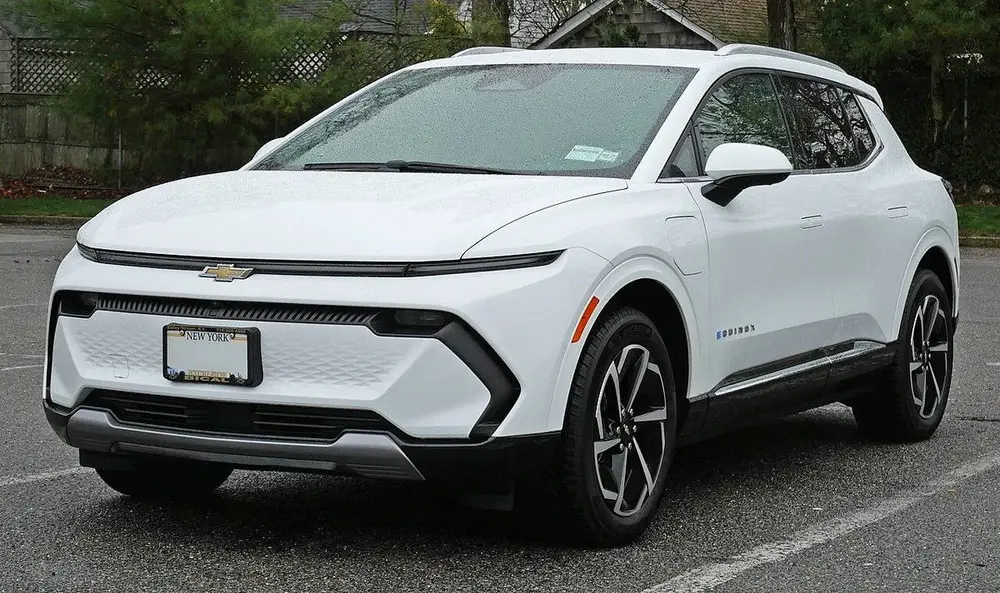
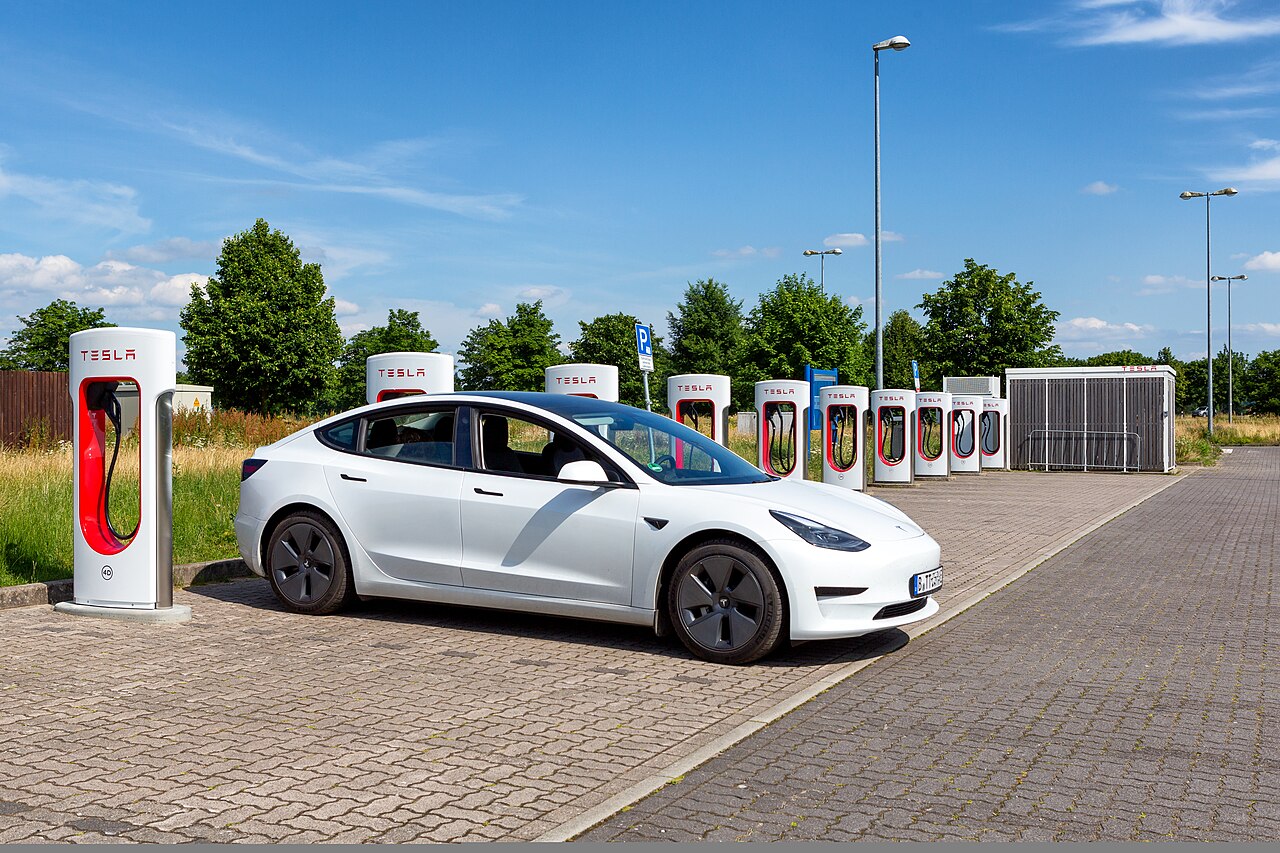
The China-built Model 3 has turned Tesla back into a Canadian affordability story, but buyers need to watch build origin and incentive eligibility.
Why the Equinox EV Still Has a Clean Job
The Equinox EV’s job is less dramatic: make an EV feel normal for crossover buyers.
That sounds boring until you remember how most Canadians actually use their vehicles. School runs, winter tires, Costco runs, cottage weekends, hockey bags, strollers, airport trips, dogs, and awkward cargo all reward a hatchback/SUV body. The Equinox EV’s higher roofline and cargo area make it easier to live with as a one-car household choice than a Model 3 sedan.
The range figure helps, too. Chevrolet Canada lists up to 513 km on a full charge for front-wheel-drive versions and 494 km for all-wheel-drive versions. That is exactly the kind of range window that makes an EV feel less like a lifestyle project and more like a normal compact SUV with a plug.
Available AWD is another important Canadian point. Plenty of rear-drive EVs are perfectly usable in winter with proper tires, and the Model 3 is no exception. But buyers who are replacing an AWD crossover may not want a lecture about weight distribution. They may simply want AWD because their driveway, commute, province, or comfort level makes it worth paying for.
That is where the Chevy has a cleaner answer.
The Rebate Question Could Decide the Winner
This comparison is not only about MSRP. In Canada, the better buy can change after federal rules, provincial programs, dealer discounts, freight, delivery fees, and inventory timing are all added up.
The Model 3’s risk is build-origin uncertainty. If a specific car is built in China, lower quota tariff treatment does not automatically make it eligible for every purchase incentive. Transport Canada’s EVAP rules are explicit about eligible vehicles being made in Canada or in countries with free-trade agreements with Canada. That means a shopper should ask more precise questions than “is the Model 3 cheap now?”
Ask:
- What is the exact all-in price before tax?
- Where was this specific car built?
- Does the dealer or manufacturer quote show any incentive, and under which program?
- Is the incentive confirmed at delivery or only estimated?
- How does the final monthly payment compare with a local Equinox EV offer?
The Equinox EV’s risk is different. It may qualify more cleanly depending on configuration and program details, but if the transaction price is meaningfully higher, the rebate may not fully erase the Model 3’s price advantage. Canadian shoppers should start with Motorlinks’ Canadian EV incentive guide, then verify the actual quote in their province.
Which One Should Canadians Buy?
For a single driver or two-person household, I would start with the Model 3. The sedan layout is easier to accept when the price is sharp, and Tesla’s charging/software package still makes EV ownership feel less fussy than it does in many rivals.
For a family replacing one gasoline crossover, I would start with the Equinox EV. The cargo area, available AWD, and SUV shape will matter every week. It may cost more, but it is more likely to fit the job without asking the household to change how it uses the vehicle.
For apartment or condo buyers who cannot charge at home, the Model 3’s charging ecosystem becomes a bigger advantage. For rural or snowy-region buyers who strongly prefer AWD and cargo flexibility, the Equinox EV becomes easier to justify.
The important part is that Canadian shoppers now have a real decision instead of a fake one. A cheaper Model 3 puts pressure on every mainstream EV. The Equinox EV shows why price is not the only answer.
Bottom Line
The Tesla Model 3 is the smarter buy if you want the lowest effective entry into a serious EV and can live with a sedan. The Chevrolet Equinox EV is the smarter buy if this vehicle has to do compact-SUV duty for a family.
Canada’s new Chinese-origin EV quota made the Model 3 exciting again, but it also made the paperwork more important. Check build origin, incentive status, fees, and delivery timing before calling it a bargain.
That may not sound glamorous, but it is exactly where the Canadian EV market is now: the best deal is no longer just the lowest sticker price. It is the EV whose body style, charging setup, rebate eligibility, and final quote all line up.
FAQ
Should Canadians buy the Tesla Model 3 or Chevrolet Equinox EV?
Buy the Tesla Model 3 if price, efficiency, charging access, and sedan packaging fit your life. Buy the Chevrolet Equinox EV if you need a family-friendly SUV shape, available AWD, and more cargo flexibility.
Is the China-built Tesla Model 3 eligible for Canada’s EVAP rebate?
Do not assume it is. Transport Canada says EVAP-qualified vehicles must be made in Canada or in countries with free-trade agreements with Canada. Confirm the exact vehicle and current program status before budgeting around a rebate.
Which has more listed range in Canada?
Chevrolet Canada lists up to 513 km for the front-wheel-drive 2026 Equinox EV. Recent Canadian Model 3 reporting has cited about 463 km for the Premium RWD, but Tesla specs have shifted during the rollout, so confirm the live configurator before ordering.