2027 Kia EV5 vs 2026 Hyundai IONIQ 5: Which Canadian Electric SUV Makes More Sense?
The 2027 Kia EV5 gives Canadians a lower-priced, boxier family EV option, while the 2026 Hyundai IONIQ 5 counters with 800V charging, up to 504 km of range, and proven availability.
Canada is about to get one of the EV comparisons American shoppers will probably envy.
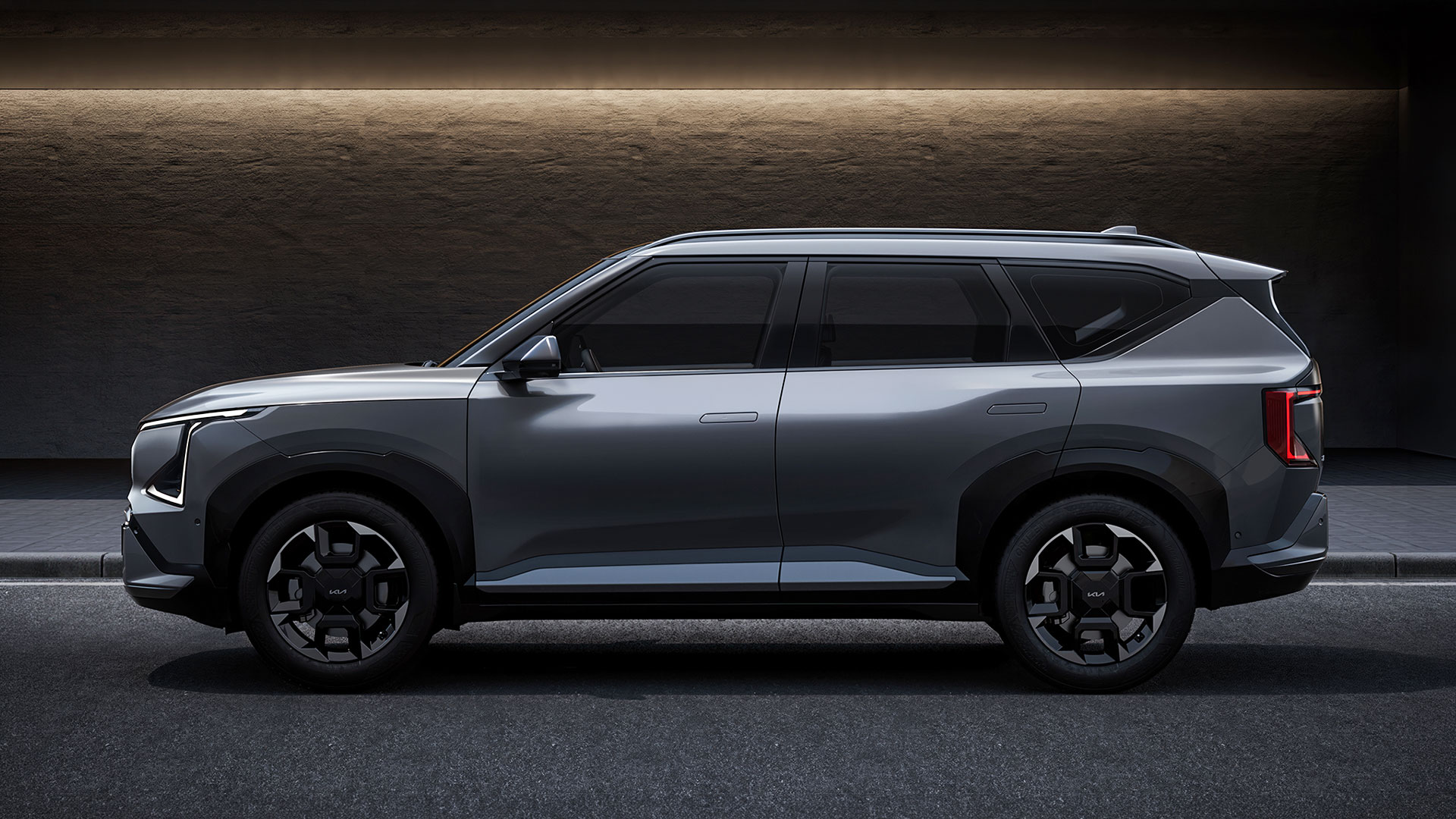
The 2027 Kia EV5 is a Canada-focused electric SUV with a boxier body, available all-wheel drive, and a lower announced entry price than the Hyundai IONIQ 5. Kia Canada describes the EV5 as a five-passenger electric SUV designed with Canadians in mind, with up to 460 km of range, front- or all-wheel drive, available vehicle-to-load power, and a heat pump on Wind, Land, and GT-Line trims.
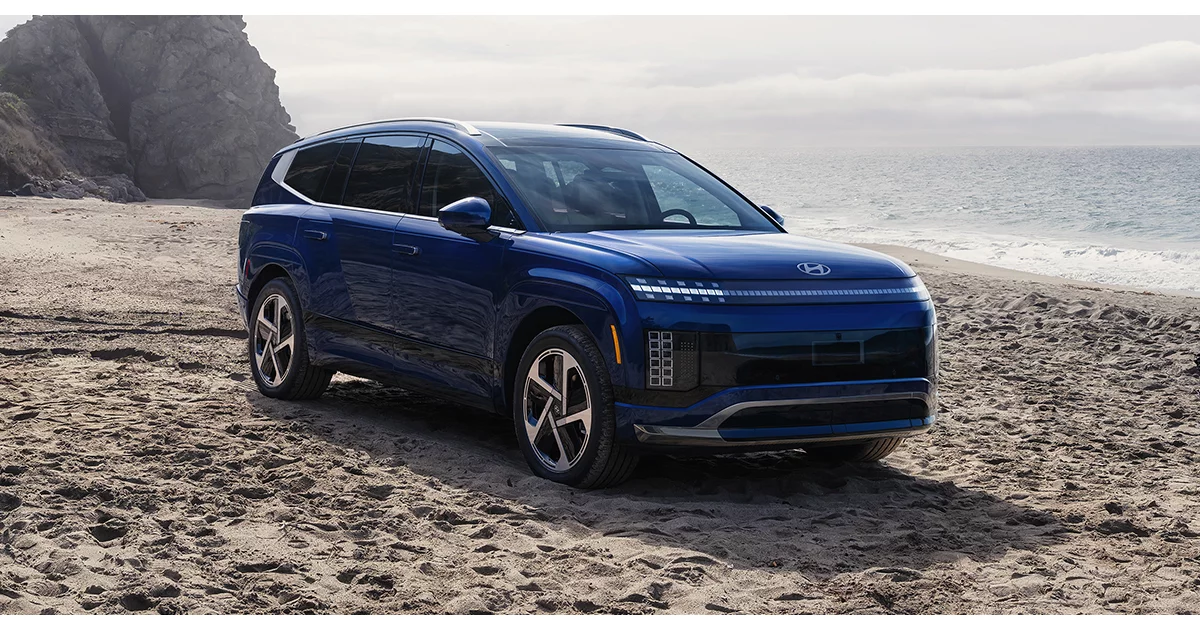
The 2026 Hyundai IONIQ 5 is the known quantity. Hyundai Canada lists the IONIQ 5 from $55,499 MSRP plus fees, with up to 504 km of range, an 84.0-kWh battery, 800V charging architecture, an 18-minute 10-to-80-percent DC fast-charge estimate on a 350-kW charger, and up to 320 hp with available dual-motor AWD.
So this is not just Kia versus Hyundai on shared family roots. It is the incoming, more affordable-looking EV5 against the proven, faster-charging IONIQ 5.
Quick Verdict
Start with the 2027 Kia EV5 if your priority is value, space, and family-SUV usefulness. It is the more interesting Canadian affordability play, especially if the trim you want lands near the lower half of the announced EV5 range and qualifies cleanly for any available provincial or federal support.
Start with the 2026 Hyundai IONIQ 5 if charging speed, proven availability, and highway-trip confidence matter more. The IONIQ 5 costs more at the published Canadian entry point, but it brings 800V fast charging, a higher listed range ceiling, and several years of real-world owner familiarity behind it.
The short version: EV5 for price and boxy practicality; IONIQ 5 for charging speed and the more proven ownership story.
Canada Snapshot
| Item | 2027 Kia EV5 | 2026 Hyundai IONIQ 5 |
|---|---|---|
| Canadian price context | The Car Guide reported Kia Canada announced pricing from $43,495 MSRP, with higher trims reaching $61,495 before fees and taxes | Hyundai Canada lists $55,499 MSRP plus fees, with a shown purchase price of $58,290 before taxes |
| Listed range | Kia Canada describes up to 460 km of range | Hyundai Canada lists up to 504 km of range |
| Battery and charging context | Kia Canada positions the EV5 as a fast-charging EV SUV and highlights available V2L power | 84.0-kWh battery, 800V charging architecture, and 10-80% in about 18 minutes on a 350-kW DC charger |
| Drivetrain | FWD or available AWD | RWD or available HTRAC dual-motor AWD depending on trim |
| Canadian winter practicality | Heat pump listed on Wind, Land, and GT-Line trims | Battery temperature management and heat pump listed as standard systems |
| Best buyer | Family EV shopper who wants a lower starting point and a more upright SUV shape | Road-trip EV shopper who values charging speed, range, and a familiar model |
Kia EV5 and Hyundai IONIQ 5 gallery
13
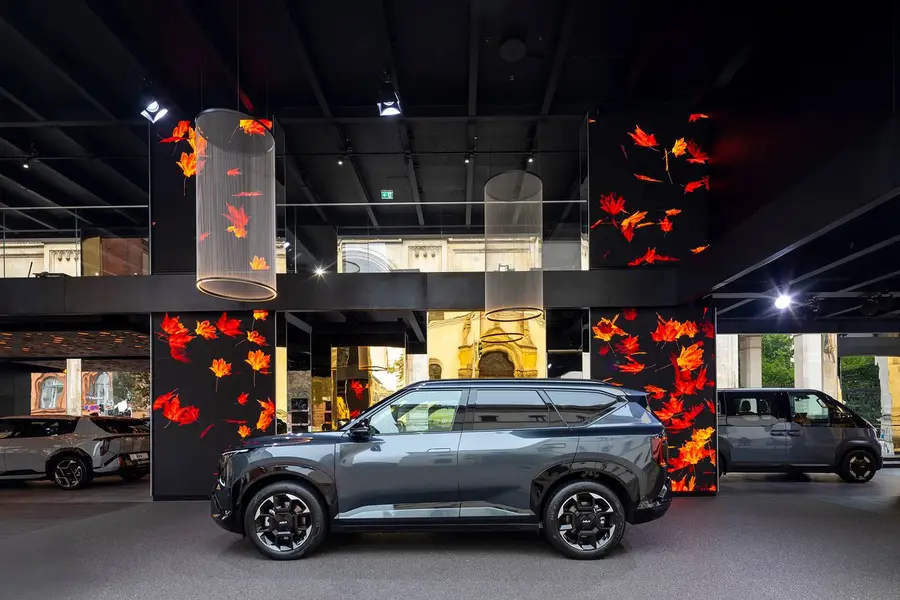
The EV5 is Kia Canada's boxier, family-focused electric SUV, with up to 460 km of listed range and FWD or AWD availability.
Why The EV5 Is Such A Big Canadian Deal
The EV5 matters because it looks like the kind of electric SUV many Canadian families have been waiting for: less sporty, less swoopy, and more honest about being a box for people, bags, strollers, sports gear, and winter boots.
Kia Canada calls it a mid-size electric SUV with muscular styling, available AWD, and a “dynamic box” silhouette that borrows from the larger EV9. That is a smart lane. The EV6 is sleeker, the EV9 is bigger and more expensive, and the incoming EV3/EV4 pair will speak to smaller or lower-slung EV shoppers. The EV5 should hit a useful middle.
Price is the hook. The Car Guide reported Kia Canada’s announced EV5 lineup starts at $43,495 MSRP for the Light FWD and climbs through Wind, Land, GT-Line, and GT-Line Limited trims to $61,495 MSRP before fees and taxes. It also reported that the EV5 initially launches with the larger battery, while the lower-priced FWD-only Light model is expected later.
That timing detail matters. If the exact trim on the lot is not the lower-price EV5 shoppers saw in the headline, the monthly-payment gap to an IONIQ 5 can narrow quickly. The EV5 still has the stronger affordability angle, but buyers should compare actual quotes, not the cheapest number in the lineup.
Why The IONIQ 5 Still Hits Back Hard
The IONIQ 5 is no longer the new shock-of-the-future EV, and that is part of its strength.
Hyundai Canada lists the 2026 IONIQ 5 with up to 504 km of range, an 84.0-kWh battery, and a starting MSRP of $55,499 before fees. The product page also quotes 800V charging architecture and an 18-minute 10-to-80-percent fast-charge estimate when using a 350-kW DC fast charger with the needed CCS DC adapter.
That is the IONIQ 5’s cleanest win. If you road-trip often, the faster-charging vehicle is usually easier to live with than the one that only wins the purchase-price argument. Real charging stops depend on charger reliability, battery temperature, route, weather, state of charge, and how long the car holds peak power, but the Hyundai’s 800V hardware gives it a genuine technical advantage.
The IONIQ 5 also has the owner-community advantage. It has been on Canadian roads for years, which means more dealer familiarity, more winter feedback, more accessory knowledge, and more used-market data. Newer is exciting. Proven is useful.
Charging Is The Biggest Practical Split
This comparison may be decided at the charger more than in the showroom.
The IONIQ 5 is one of the mainstream EVs that made 800V charging feel normal. On compatible high-power DC chargers, Hyundai’s listed 18-minute 10-to-80-percent figure is the kind of number that makes road-trip EV ownership less intimidating. It does not mean every stop takes 18 minutes, but it does mean the car has the architecture to make the most of good hardware.
The EV5 has a different pitch. Kia Canada emphasizes ease of EV use, home charging support, available V2L power of up to 1,900 watts, and heat-pump availability on key trims. That sounds more like a family-first EV than a charging-tech showcase. For a household with home charging, predictable commuting, and occasional highway trips, that may be enough.
If you live in a condo, rely heavily on public charging, or regularly cross provinces, the IONIQ 5’s charging advantage gets harder to ignore. If you charge at home most nights and mostly drive within a regional loop, the EV5’s lower price and squarer body may matter more.
EVAP And Incentives Could Change The Answer
Do not make this decision from MSRP alone.
Canada’s incentive landscape can swing the math, especially for EVs sitting around the affordability threshold. Eligibility can depend on the exact trim, transaction value, options, lease term, dealer participation, delivery timing, and program funding. Provincial programs add another layer.
That makes the EV5 especially interesting. A lower-starting electric SUV has a better chance of staying in the part of the market where incentives and monthly payments matter most, but the trim actually available at your dealer may not be the cheapest one. The IONIQ 5 starts higher, but Hyundai dealers may have inventory, finance programs, or local offers that change the real quote.
Before choosing either SUV, use the MotorLinks Canadian EV incentive guide, then ask both dealers for the same written details:
- Exact trim, options, colour charges, freight, and dealer fees.
- The transaction value used for incentive eligibility.
- Whether the dealer is enrolled and processing any available program support.
- Estimated delivery timing for the exact vehicle.
- Home-charging hardware, adapter, and winter-tire costs.
The better EV is the one that fits your driveway, not just the one that wins a spec row.
Which One Should Canadians Shortlist?
Choose the Kia EV5 if you want an EV that feels closer to a traditional family SUV. The upright shape, available AWD, V2L capability, and lower announced starting price make it compelling for suburban families, commuters with kids, and shoppers who found the EV6 too sleek or the EV9 too expensive.
Choose the Hyundai IONIQ 5 if your EV life includes more public fast charging, more road trips, or more uncertainty about where you will charge. The range ceiling is higher, the charging architecture is stronger, and the model is already familiar in Canada.
The hardest case is the middle trim shopper. If a nicely equipped EV5 lands close to the lower IONIQ 5 trims after fees and incentives, the Hyundai’s charging advantage becomes a real temptation. If the EV5 quote stays meaningfully lower, Kia’s newcomer becomes the smarter family-value play.
Bottom Line
The 2027 Kia EV5 is the more important affordability story. It gives Canada a practical, boxier electric SUV with a lower announced entry point and enough range to make sense for real families.
The 2026 Hyundai IONIQ 5 is still the better technical EV for drivers who care about fast charging and proven long-distance flexibility. Its 800V architecture, 504-km listed range ceiling, and established ownership base keep it very relevant even as newer Kia models arrive.
If you mostly charge at home and want the better family-SUV value, wait for the EV5 quote. If you often fast-charge and want the safer known quantity, start with the IONIQ 5.
FAQ
Should Canadians buy the 2027 Kia EV5 or the 2026 Hyundai IONIQ 5?
Buy the Kia EV5 if you want a lower announced starting price, a boxier SUV shape, and family-focused utility. Buy the Hyundai IONIQ 5 if faster charging, listed range, and an established Canadian ownership record matter more.
Which has more range, the Kia EV5 or Hyundai IONIQ 5?
Hyundai has the higher listed ceiling. Kia Canada describes the 2027 EV5 with up to 460 km of range, while Hyundai Canada lists the 2026 IONIQ 5 with up to 504 km of range.
Which charges faster?
The Hyundai IONIQ 5 has the clearer advantage. Hyundai Canada lists 800V architecture and an 18-minute 10-to-80-percent DC fast-charge estimate on a 350-kW charger. Kia Canada lists fast-charging capability for the EV5, but the IONIQ 5 is the stronger charging pick on currently published Canadian specs.
Is the Kia EV5 cheaper than the Hyundai IONIQ 5 in Canada?
On announced starting prices, yes. The Car Guide reported Kia Canada’s EV5 lineup from $43,495 MSRP, while Hyundai Canada lists the 2026 IONIQ 5 from $55,499 MSRP plus fees. Final quotes can change the answer once freight, dealer fees, trim availability, incentives, and taxes are included.