
Nissan LEAF vs Kia EV4: Canada's Affordable EV Choice Depends on Timing
The redesigned Nissan LEAF has strong U.S. numbers, but Kia already has Canadian EV4 pricing and range figures. Here is how shoppers should think about the affordable-EV choice.
Affordable EV shopping in Canada is getting better, but it is not getting simpler.
The redesigned Nissan LEAF looks like the kind of comeback the nameplate needed. Nissan USA lists a 75-kWh liquid-cooled battery, up to 303 miles of EPA-estimated range for the LEAF S+, and a dual-port charging setup with J1772 for Level 1 and Level 2 charging plus NACS for DC fast charging.
The Kia EV4 answers from the other side of the border with something Nissan has not fully given Canadian shoppers yet: local numbers. Kia Canada lists the EV4 Light Standard Range from $38,995 MSRP with 391 km of estimated range, while the Wind Long Range starts from $42,995 MSRP and reaches 552 km.
That makes this comparison less about which spec sheet looks more exciting and more about timing. The LEAF has the stronger buy-now story in the U.S. The EV4 has the clearer Canada story today.
Quick Verdict
Canadian shoppers should start with the Kia EV4 if they need a quote soon. It has Canadian pricing, Canadian range estimates, a standard North American Charging Standard port, and a clean trim walk that makes the Light-versus-Wind decision easy to understand.
The Nissan LEAF is the one to watch if Nissan Canada lands the price aggressively. The U.S. numbers are genuinely strong for an affordable EV: 303 miles of range, a 75-kWh battery, and built-in NACS fast charging. But until Canadian pricing, trim content, fees, and incentive eligibility are clear, Canadians should not assume the LEAF will undercut the EV4 the way it appears to undercut some U.S. rivals.
The short version: EV4 is the clearer Canadian buy right now; LEAF could become the value threat if Nissan prices it sharply here.
The Canada Snapshot
| Item | 2026 Nissan LEAF | Kia EV4 in Canada |
|---|---|---|
| Current Canadian clarity | Canadian price and trim details still need confirmation | Kia Canada lists trims, MSRP, range, battery size, and charging details |
| Known price context | Nissan USA lists LEAF from $29,990 before destination | Light Standard Range from $38,995 MSRP; Wind Long Range from $42,995 MSRP |
| Best range figure | Up to 303 miles EPA-estimated for LEAF S+ | Up to 552 km estimated range for EV4 Wind Long Range |
| Battery | 75-kWh liquid-cooled battery listed by Nissan USA | 58.3-kWh Light Standard Range; 81.4-kWh Wind Long Range |
| Charging hardware | Driver-side J1772 for Level 1/2 and passenger-side NACS for DC fast charging | Standard NACS port in Canada |
| Best fit today | Wait-and-verify Canadian price shoppers | Canadians ready to price a compact EV now |
Those caveats matter. Cross-border EV comparisons can get sloppy fast because incentives, freight, fees, standard equipment, battery warranties, and even trim names can change by market. The LEAF should not be written off just because Canadian pricing is not the headline yet. It also should not be crowned the cheaper Canadian choice based only on U.S. MSRP.
Why The Kia EV4 Is Easier To Recommend Today
Kia has done Canadian shoppers a favour by publishing the numbers that actually let people compare.
The EV4 Light Standard Range starts at $38,995 MSRP with a 58.3-kWh battery and 391 km of estimated range. The EV4 Wind Long Range starts at $42,995 MSRP with an 81.4-kWh battery and 552 km of estimated range. Both are front-wheel drive, both use a standard NACS port, and both list the same 201 hp and 209 lb-ft output.
That creates a straightforward decision. The Light is the price-sensitive commuter and second-car play. The Wind is the better main-car answer because the extra 161 km of listed range buys winter buffer, road-trip confidence, and more flexibility when home charging does not happen every night.
The EV4 also has a clear identity. It is a compact electric sedan, not another crossover trying to be everything. That could be a plus for Canadians coming out of a Civic, Corolla, Elantra, Forte, Prius, or compact hybrid and wanting something efficient without jumping to a taller SUV.
The risk is that sedan practicality is still sedan practicality. If your EV has to carry bulky cargo, dogs, strollers, hockey gear, or cottage-weekend luggage, the EV4 may not feel as flexible as a small crossover even with the strong range figure.
Affordable EV gallery: Nissan LEAF and Kia EV4
13
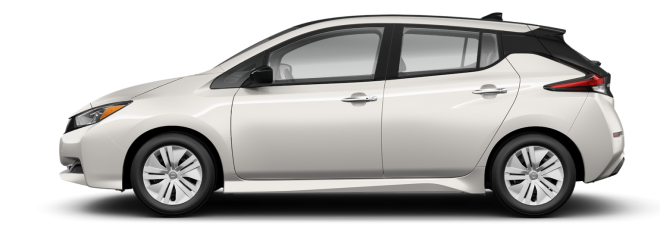
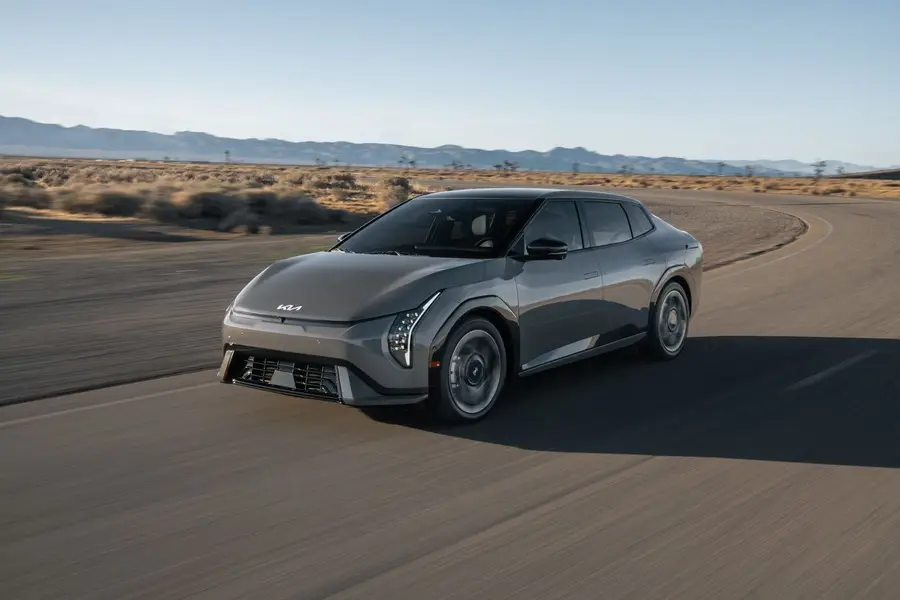
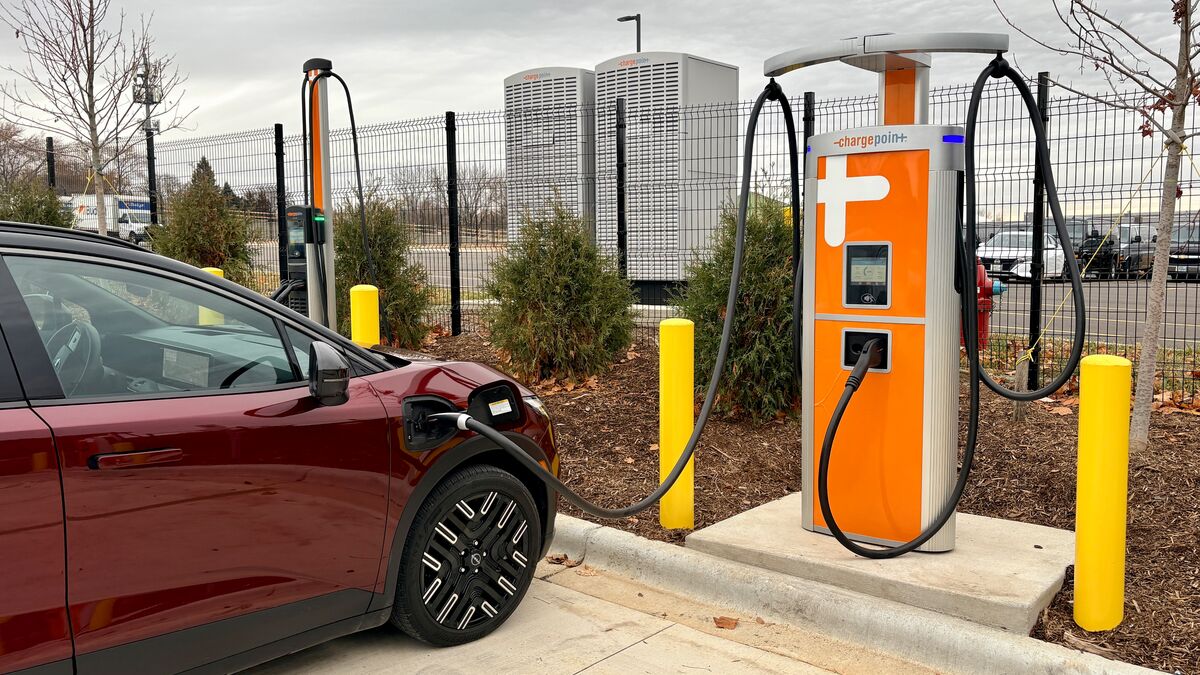
The redesigned LEAF finally has modern range and charging hardware, but Canadian price and trim details are the missing pieces for this comparison.
Why The Nissan LEAF Could Still Be The Value Threat
The LEAF name carries baggage, but the new car is a serious reset.
Nissan has moved away from the old bargain-hatchback formula and toward a more crossover-like EV. The published U.S. spec sheet is exactly what the LEAF needed: 303 miles of range in S+ trim, a 75-kWh battery, liquid cooling, Plug and Charge support, and dual charging ports that match real-world North American infrastructure better than the old CHAdeMO-era LEAF ever could.
That dual-port setup is clever. A driver-side J1772 port handles the slower home, workplace, and public Level 2 charging that still dominates daily EV life. A passenger-side NACS port handles DC fast charging, including compatible Tesla Superchargers through Nissan’s charging network setup.
If Nissan Canada can bring the LEAF in at a price that lands meaningfully below the EV4 Wind, it becomes very interesting. A compact EV with more than 300 miles of U.S.-rated range and modern fast-charging access would be easy to recommend to commuters, first-time EV buyers, and households looking for a lower-cost second vehicle.
The uncertainty is the Canadian business case. Until Nissan Canada posts the local trim walk, freight, standard equipment, warranty details, and incentive eligibility, the LEAF is promising rather than settled.
Charging: Both Are Finally Speaking The Right Language
This is where both cars look much better than affordable EVs used to.
The EV4’s standard NACS port keeps the ownership story clean. Buyers still need to confirm which public networks work at delivery, how route planning handles compatible chargers, and what home Level 2 setup makes sense, but the hardware direction is right.
The LEAF’s setup is more unusual but practical. Keeping J1772 for Level 1 and Level 2 charging means it still fits older home chargers, workplace chargers, condo chargers, and public Level 2 posts. Adding NACS for DC fast charging puts it on the fast-charging path North America is moving toward.
Neither car is trying to match a Hyundai IONIQ 5 or Kia EV6 for ultra-fast 800-volt charging theatrics. That is fine. Affordable EV buyers mostly need dependable overnight charging, enough range to avoid daily anxiety, and public fast charging that does not feel like an engineering project.
For a deeper ownership checklist, MotorLinks’ native NACS vs adapters guide is the right next read.
Which One Should Canadians Shortlist?
Choose the Kia EV4 Light Standard Range if price matters, most driving is local, and you can charge at home. It is the cheapest confirmed Canadian option in this comparison and still offers a useful 391-km range estimate.
Choose the Kia EV4 Wind Long Range if this will be your main EV. The 552-km estimate is the spec that changes the ownership feel in Canada, especially in winter and on longer highway days.
Wait for the Nissan LEAF if you like the U.S. numbers but are not forced to buy immediately. It could be the better value if Canadian pricing lands low, but that answer needs local confirmation.
Skip both as your only vehicle if you need maximum cargo flexibility, regular AWD, or family-SUV space. In that case, compare a Chevrolet Equinox EV, Hyundai IONIQ 5, Kia EV5/EV6, Toyota bZ, or a plug-in hybrid crossover before committing.
Incentives Could Swing The Decision
Canadian EV affordability is never just MSRP.
Federal and provincial programs, dealer participation, transaction-value caps, lease terms, freight, accessories, interest rates, and delivery timing can all change the real answer. That is especially important here because the EV4 has published Canadian numbers while the LEAF’s strongest figures are still U.S.-market data.
Before budgeting around either car, start with the MotorLinks Canadian EV incentive guide, then ask the dealer for a full written quote showing the exact trim, fees, taxes, incentives, and eligibility assumptions.
The wrong way to shop this comparison is to compare one U.S. MSRP against one Canadian MSRP and call it done. The right way is to compare real local quotes.
Bottom Line
The Kia EV4 is the safer Canadian recommendation today because Kia has made the local buying story visible. The Light is the affordability play. The Wind is the better ownership play.
The Nissan LEAF is the wild card. Its U.S. specs are strong enough that Canadian shoppers should keep it on the shortlist, especially if Nissan manages a sharp price. But until the Canadian details arrive, it is a wait-and-verify choice.
That is still progress. Affordable EV buyers are no longer stuck choosing between short range and high prices. The next phase is sharper: finding the car whose range, charging hardware, body style, and local transaction price actually fit your life.
FAQ
Should Canadian shoppers buy the Nissan LEAF or Kia EV4?
The Kia EV4 is easier to recommend today because Kia Canada lists local pricing and range figures. The Nissan LEAF could become the value pick if Canadian pricing lands aggressively, but shoppers should wait for local details before deciding.
How much range does the Kia EV4 have in Canada?
Kia Canada lists the EV4 Light Standard Range at 391 km and the EV4 Wind Long Range at 552 km of estimated range.
What are the key 2026 Nissan LEAF numbers?
Nissan USA lists a 75-kWh liquid-cooled battery, up to 303 miles of EPA-estimated range for the LEAF S+, and dual charging ports: J1772 for Level 1 and Level 2 charging plus NACS for DC fast charging.
Is NACS a reason to wait for either car?
It is a reason to pay attention, not a reason to stop comparison shopping. The EV4 uses a standard NACS port in Canada, while the LEAF uses NACS for DC fast charging and J1772 for slower charging. Both approaches can work, but buyers should confirm charger compatibility, apps, and home-charging hardware before signing.