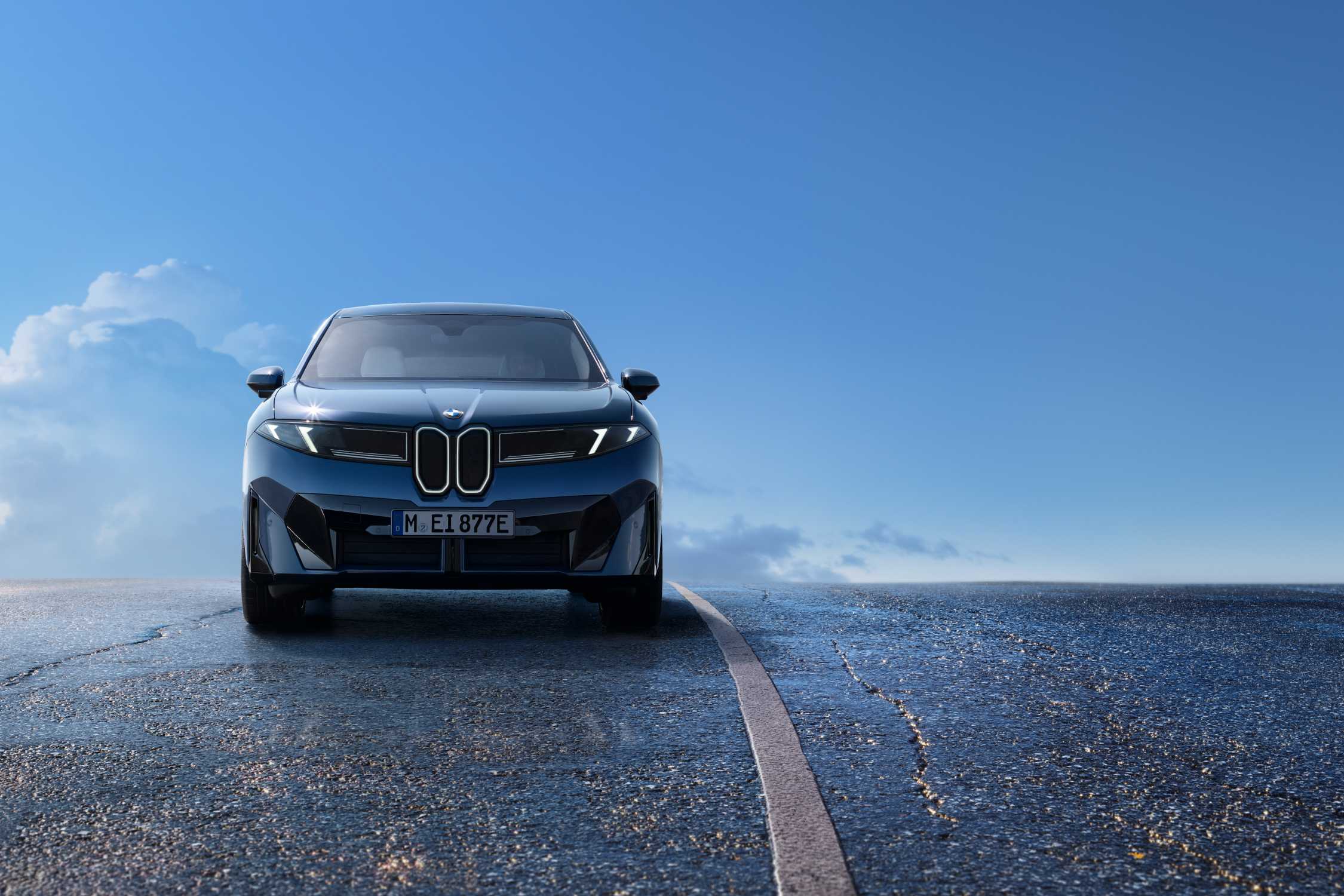
BMW iX3 vs iX5 Hydrogen: Which Electric BMW Future Matters More?
BMW's iX3 is the electric SUV shoppers can compare soon, while the iX5 Hydrogen is a longer-range technology bet for markets with hydrogen stations. Here is how the two paths differ.
Photo: BMW
BMW is now giving buyers two very different versions of its electric future.
One is the 2027 BMW iX3 50 xDrive, a battery-electric Neue Klasse SUV with real North American prices, range figures, charging claims, and launch timing. The other is the BMW iX5 Hydrogen, a fuel-cell X5 program that just moved deeper into pre-series hardware production but is still planned around 2028.
Both are electric vehicles in the broad technical sense. The iX3 stores electricity in a large battery. The iX5 Hydrogen uses a fuel cell to generate electricity from hydrogen, then feeds electric drive hardware through a smaller battery buffer. From the driver’s seat, both are meant to deliver quiet electric propulsion.
For shoppers, though, they are not remotely the same decision.
Hydrogen scope: BMW’s 750-km figure is a development target; its May 21 release says WLTP and EPA consumption data are not yet available. A count of federally supported hydrogen stations is not a count of open, compatible retail refuelling sites. Confirm actual station access before making a purchase plan.
Quick Verdict
Most Canadian and U.S. buyers should treat the BMW iX3 as the real near-term product and the iX5 Hydrogen as a technology bet to watch.
The iX3 has confirmed pricing, standard NACS charging, an 800V electrical architecture, up to 434 miles of EPA-estimated range in the U.S., and a Canadian starting price of $75,900 CAD. It plugs into the charging ecosystem that buyers can use at home, at work, and on public road trips.
The iX5 Hydrogen is more interesting for a narrower future use case: long-range premium driving in places where hydrogen refuelling is fast, reliable, and actually available. BMW’s latest Landshut update is meaningful, but hydrogen infrastructure remains the limiting factor for normal buyers.
So the practical answer is simple. If you are shopping for a luxury electric SUV in 2026 or early 2027, compare the iX3 against battery-electric rivals. Do not pause a good buying decision just because BMW is keeping hydrogen alive.
The Two BMW Paths
| Question | BMW iX3 50 xDrive | BMW iX5 Hydrogen |
|---|---|---|
| What is it? | Battery-electric Neue Klasse SUV | Fuel-cell electric X5 using hydrogen |
| Timing | U.S. market entry in September 2026; Canada in fall 2026 | Production vehicle planned for 2028 |
| Confirmed buyer details | U.S. price, Canadian price, range, charging, NACS, reservations, and delivery timing | Technology direction, control-unit production, target range, and fuel-cell production plan |
| Range signal | Up to 434 miles EPA-estimated in the U.S.; up to 698 km in Canada | BMW says up to 750 km in development form |
| Energy stop | Plug in at home, work, public DC chargers, and future NACS-compatible sites | Refuel at hydrogen stations, where available |
| Best fit | Mainstream luxury EV shoppers who can charge regularly | Niche buyers or regions with strong hydrogen infrastructure and policy support |
The iX3 is the easy one to understand. BMW announced U.S. pricing and range at $61,500 before the $1,350 destination charge, with deliveries due to begin in late September 2026. BMW Group Canada has also confirmed the iX3 at $75,900 CAD with fall 2026 sales.
The headline spec is range. BMW says the iX3 can reach up to 434 miles on 20-inch summer tires in the U.S. and up to 698 km in Canada. It also claims up to 400 kW DC fast charging, a 10-to-80-percent charge in 21 minutes at a compatible 800V station, and a standard NACS port.
Those numbers do not make the iX3 cheap. They do make it a serious premium EV with a spec sheet buyers can compare against the Tesla Model Y, Audi Q6 e-tron, Mercedes-Benz GLC EV, Porsche Macan Electric, and Volvo EX60.
The iX5 Hydrogen is different. BMW said on May 21 that Plant Landshut has started pre-series production of the hydrogen-specific Energy Master control unit. That unit manages high-voltage energy and data flow between the fuel-cell system, battery, electric motors, and vehicle electronics.
BMW also says the iX5 Hydrogen will use a new Hydrogen Flat Storage system, target up to 750 km of range in development form, and rely on third-generation fuel-cell technology developed with Toyota. Series production of the fuel-cell systems is scheduled to begin from 2028 at BMW Group Plant Steyr.
That is credible engineering work. It is not yet a normal purchase path.
BMW iX3 and iX5 Hydrogen official technology images
14
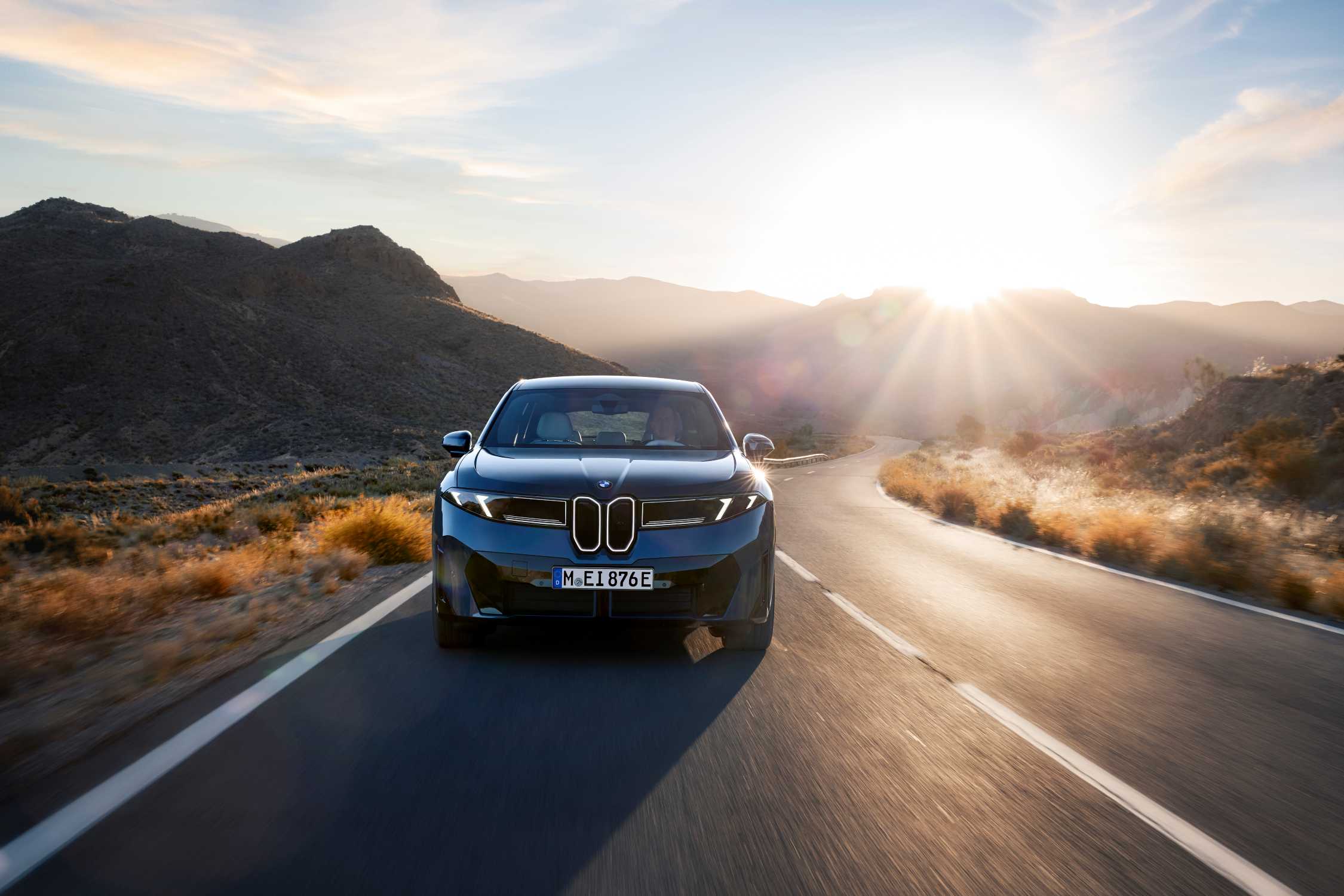


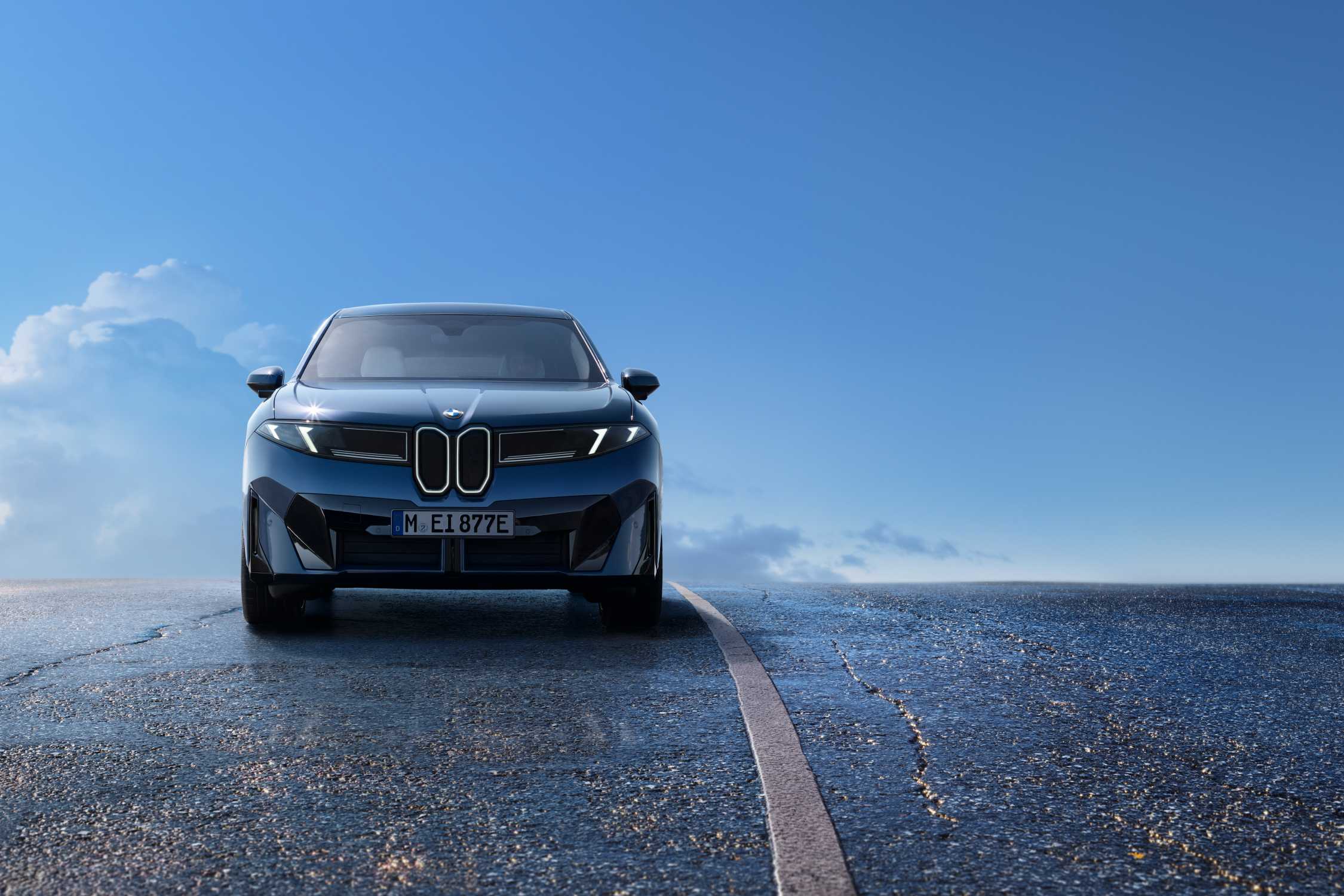
The iX3 is the first production Neue Klasse model, and it gives BMW a battery-electric SUV with confirmed North American specs and timing.
Why the iX3 Matters More Right Now
The iX3 matters because it answers the questions buyers can act on.
How far does it go? BMW has published range figures. How quickly can it charge? BMW has given an 800V, 400-kW peak charging claim and a 21-minute 10-to-80-percent target. What plug does it use in North America? NACS. When does it arrive? Late September 2026 in the U.S. and fall 2026 in Canada. What does it cost? The numbers are out.
That does not remove every uncertainty. Real-world highway range, winter range, charging curves, software quality, and option pricing still need scrutiny. Canadian buyers also need to check incentives, provincial programs, home charging costs, insurance, and winter tire packages. The MotorLinks Canadian EV incentive guide is still the better place to track that shopping math.
But the iX3 is close enough to be compared like a product, not a promise.
The standard NACS port is especially important. By late 2026, North American EV buyers will expect smoother access to Tesla-style charging hardware and route-planning support. BMW still has to prove its software and charging integration are excellent, but at least the connector decision points in the right direction.
Why BMW Is Still Working on Hydrogen
Hydrogen passenger vehicles have been easy to dismiss, and in many markets that skepticism is deserved. Stations are scarce, maintenance and fuel supply can be complicated, and battery EVs have improved quickly enough to cover most daily and road-trip needs.
BMW’s argument is not that every iX3 buyer should become a hydrogen buyer. It is that one propulsion path may not fit every premium customer, region, or duty cycle.
Hydrogen can make sense on paper when a driver needs long range, quick refuelling, and less dependence on high-power charging stops. It can also fit policy-heavy markets where governments and energy companies are building hydrogen networks for trucks, buses, industrial use, and fleets. A premium SUV gives BMW room to package expensive hardware before trying to scale anything more affordable.
The latest Landshut update matters because it shows BMW trying to industrialize hydrogen inside its wider EV architecture. The Energy Master is also used in battery-electric Neue Klasse models, in a different form. That shared control-hardware strategy is more convincing than treating hydrogen as a totally separate experiment.
Still, infrastructure is the hard wall. Transport Canada’s ZEV Council dashboard says federal support is tied to 33 hydrogen refuelling stations, while the California Energy Commission’s latest network assessment is still focused on building enough coverage and reliability for fuel-cell vehicles. That is a very different reality from battery EV charging, where home charging, workplace charging, public DC fast charging, and NACS access all stack together.
For most households, plugging in overnight remains the killer feature hydrogen cannot match.
Canada Makes the Contrast Sharper
Canada is a useful test case because winter range, long distances, and charging access all matter.
The iX3’s 698-km Canadian range claim gives BMW a strong starting point, but actual cold-weather highway range will depend on tires, speed, temperature, cabin heat, preconditioning, route elevation, and charger availability. That is normal EV buyer homework.
Hydrogen has a different problem. A fuel-cell SUV may refuel quickly when a station is nearby and working, but that does not help much if the route has no hydrogen coverage. For Canadian buyers outside very specific corridors, the station question comes before the vehicle question.
That is why the iX5 Hydrogen should be read as a future option for narrow use cases rather than a direct iX3 rival. It could eventually matter for fleets, remote operations, policy-supported corridors, or luxury buyers in regions with dependable hydrogen coverage. It is not the default answer for a family deciding what electric SUV to buy next year.
The BMW Strategy Makes Sense, With One Big Caveat
BMW’s dual-track strategy is not irrational.
The company is pushing battery-electric hardware hard through Neue Klasse while keeping hydrogen alive for edge cases. That is more balanced than pretending one solution will solve every market. The iX3 gives BMW a high-volume EV foundation. The iX5 Hydrogen lets BMW learn whether fuel cells can serve a meaningful premium niche by the end of the decade.
The caveat is cost. Multiple propulsion paths are expensive. BMW has to make sure hydrogen research does not distract from the EVs buyers will actually buy in volume. The iX3, i3, and future Neue Klasse models need excellent software, efficient batteries, competitive prices, smooth charging, and reliable dealer support. That is where most of the market will be won or lost.
Hydrogen can be a smart hedge. It cannot be an excuse for a weaker battery-electric lineup.
Bottom Line
The iX3 and iX5 Hydrogen are both important, but not in the same way.
The BMW iX3 is the one that matters most to shoppers now. It has confirmed pricing, range, charging hardware, launch timing, and a place in the charging ecosystem buyers already understand.
The BMW iX5 Hydrogen matters as proof that BMW is still serious about fuel-cell technology. Pre-series Energy Master production is a real industrial step, and the 2028 target gives the program a clearer shape. But until hydrogen stations become much more common and reliable, the iX5 Hydrogen remains a specialized future answer.
For most Canadian and U.S. luxury-SUV buyers, the smarter move is to judge BMW’s electric future by the iX3 first.
Is the BMW iX5 Hydrogen a battery-electric SUV?
No. It is a fuel-cell electric vehicle. It uses hydrogen to generate electricity, then drives with electric motors. It still has high-voltage electric hardware, but it is not charged like a battery-electric iX3.
Should Canadian buyers wait for the iX5 Hydrogen?
Most should not. The iX5 Hydrogen is planned for 2028 and depends heavily on hydrogen refuelling access. Canadian shoppers who need a vehicle sooner should compare available battery EVs, plug-in hybrids, hybrids, and gas models against their actual charging and driving needs.
Why is the iX3 a bigger deal for BMW?
The iX3 is the first production Neue Klasse model, so it launches BMW’s next-generation EV hardware, software, interface, and battery strategy into a real high-volume segment. If it works, it gives BMW a much stronger foundation for mainstream premium EVs.