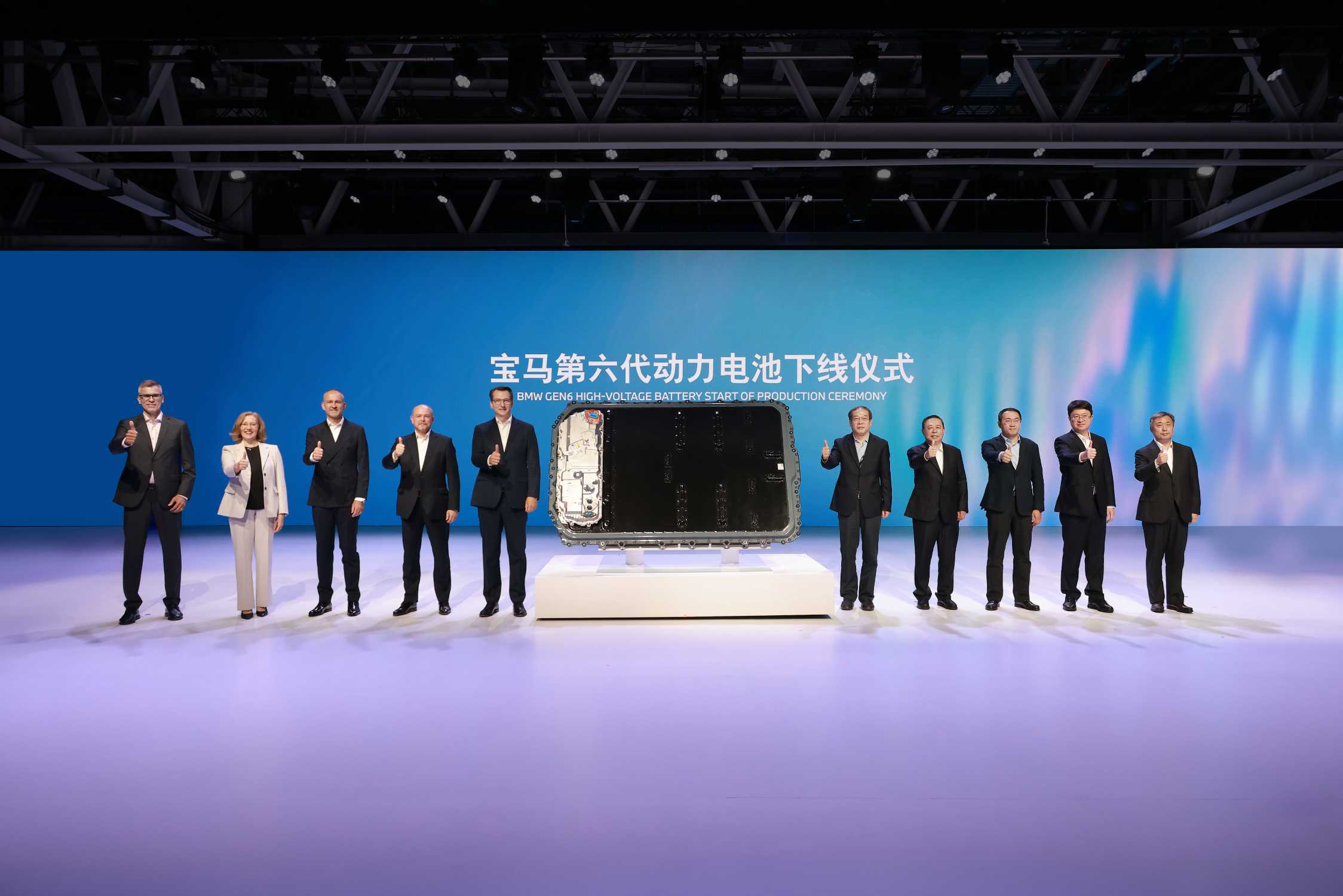
BMW Starts Gen6 Battery Production in Shenyang for China's Neue Klasse EVs
BMW has begun assembling Gen6 battery packs in Shenyang for Chinese-built Neue Klasse EVs, using cylindrical cells and a module-free pack design.
BMW has begun series production of its Gen6 high-voltage battery packs in Shenyang, China, moving a key part of its next-generation EV hardware into local manufacturing. The packs will supply locally produced Neue Klasse models, according to the company’s official production announcement.
The significance is practical: a battery design cannot support a vehicle rollout until a factory can build it consistently. Shenyang’s new lines turn BMW’s cylindrical-cell, module-free pack architecture into a series-production component for its Chinese vehicle operations. This is a manufacturing milestone, not a new vehicle launch or a Canadian delivery announcement.
Pack Assembly, Not a New Cell Factory
BMW says the work takes place at Powertrain Plant Shenyang, which produces both combustion engines and high-voltage batteries. Its battery centre began operating in 2017; the Gen6 project adds new production lines to that existing manufacturing base.
There is an important distinction in what the plant does. BMW describes cylindrical cells arriving at the factory, where they undergo inspections before being assembled into complete high-voltage batteries. The announcement therefore should not be read as BMW starting to manufacture the individual cells themselves in Shenyang.
After inspection, cells are combined with the cooling system into clusters. The cell clusters and contact system are laser-cleaned before precision welding. BMW says in-line inspection monitors the weld seams, while a foaming process stabilizes the internal components. The housing is then closed, sealed and riveted.
The Energy Master, BMW’s central battery control unit, is installed before end-of-line checks. BMW says every completed battery receives quality, safety and functionality testing. These are the company’s descriptions of its production controls, not independent evidence of a particular long-term failure rate.
What Changes With Gen6
The central packaging change is cell-to-pack construction: cylindrical cells go directly into the battery housing instead of first being grouped into conventional modules. Removing that intermediate layer makes more of the available space usable for cells and gives BMW flexibility across different vehicle models.
BMW claims the new cylindrical cells offer more than 20% higher energy density than the previous generation. It also cites improvements of up to 30% in charging speed and driving range for the new technology.
Those figures describe different things. Cell energy density concerns how much energy the cell can hold for its size; it is not a promise that every complete vehicle has a battery 20% larger. Likewise, the range and charging gains are BMW’s comparative claims, not guaranteed results for every model, trim or journey.
For drivers, the full vehicle still matters: battery capacity, aerodynamics, wheels, temperature and charging conditions determine how much of that technical potential becomes useful range or a shorter stop. A production announcement does not replace a model’s final specifications or independent testing.
BMW Gen6 battery production in Shenyang
13
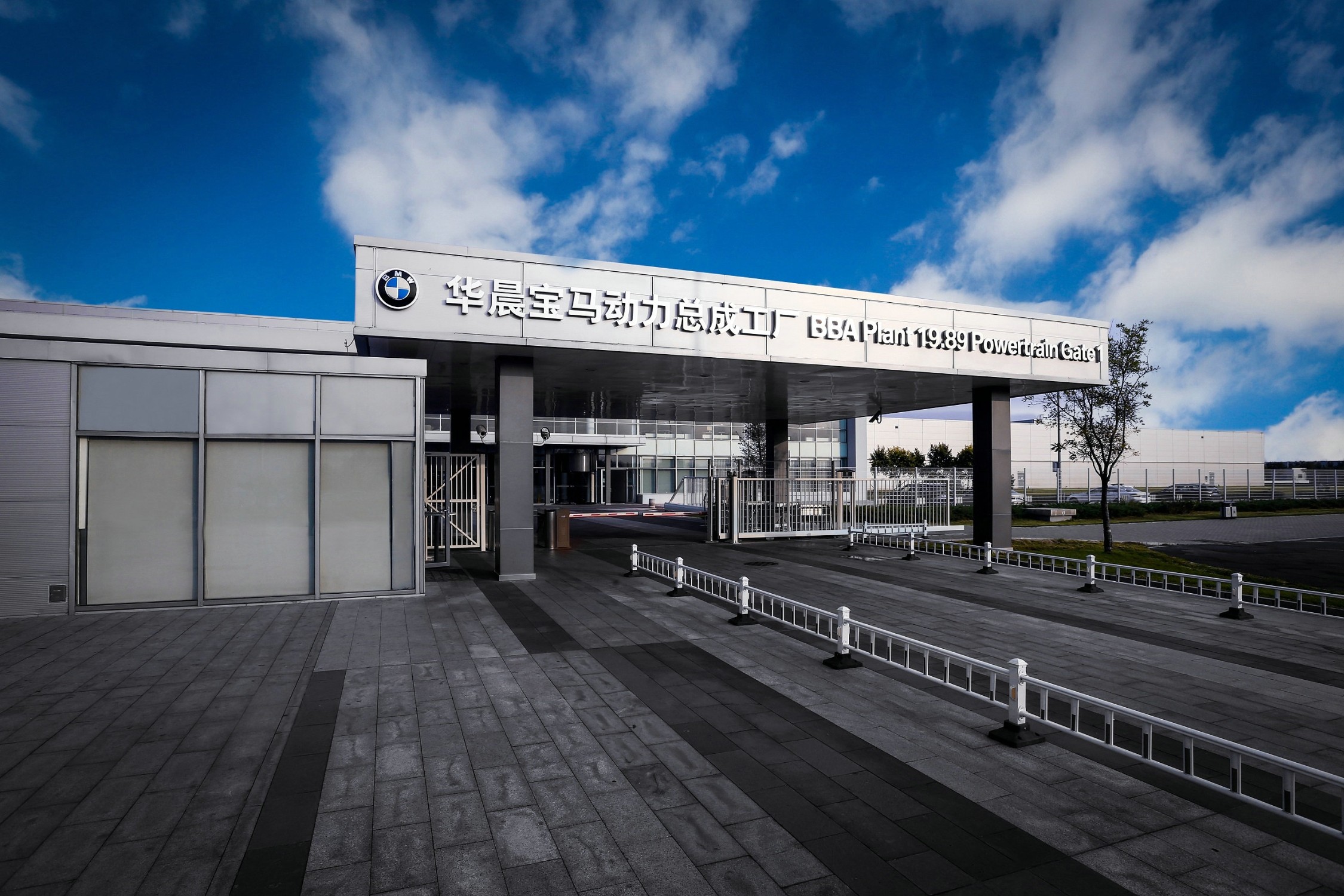
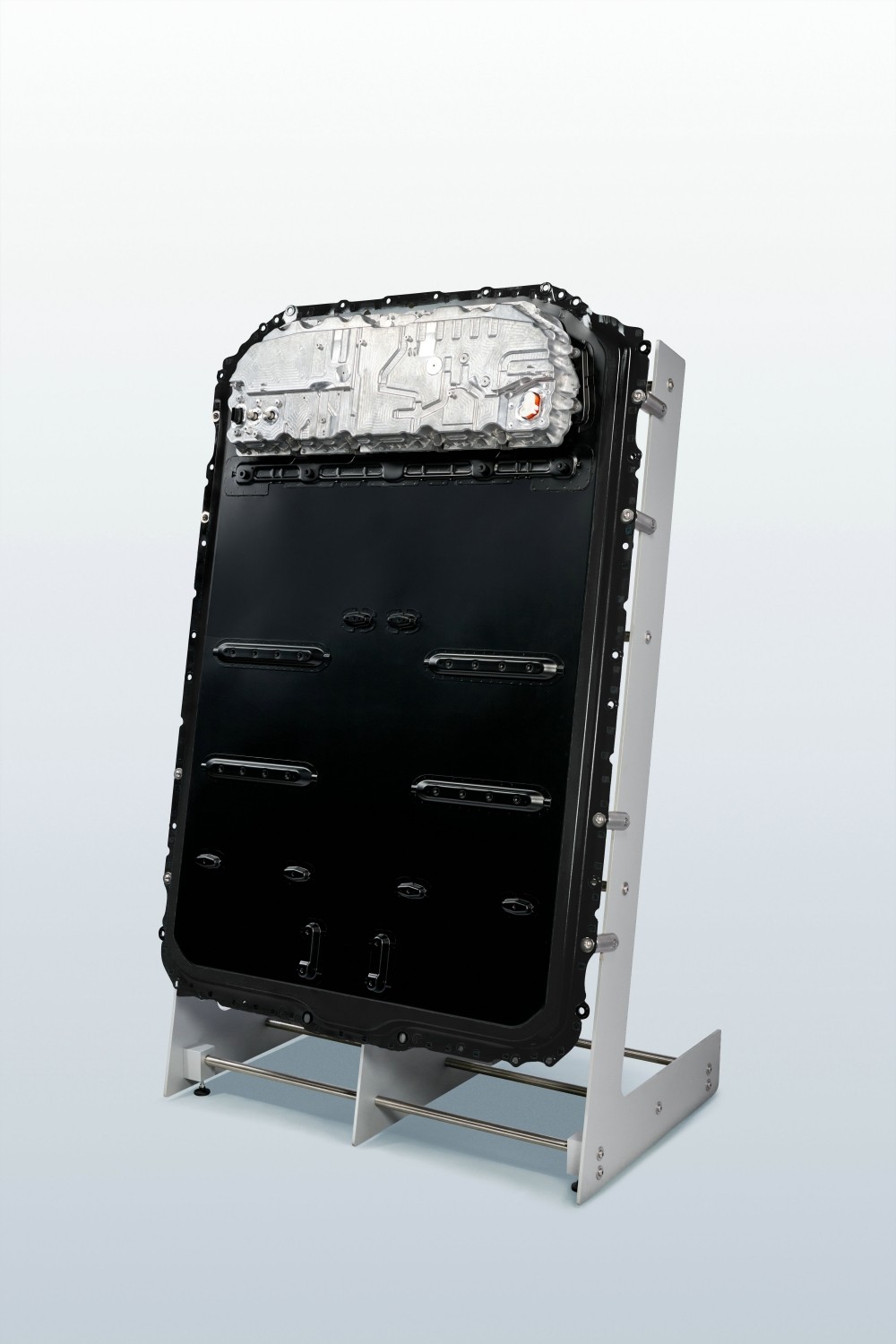
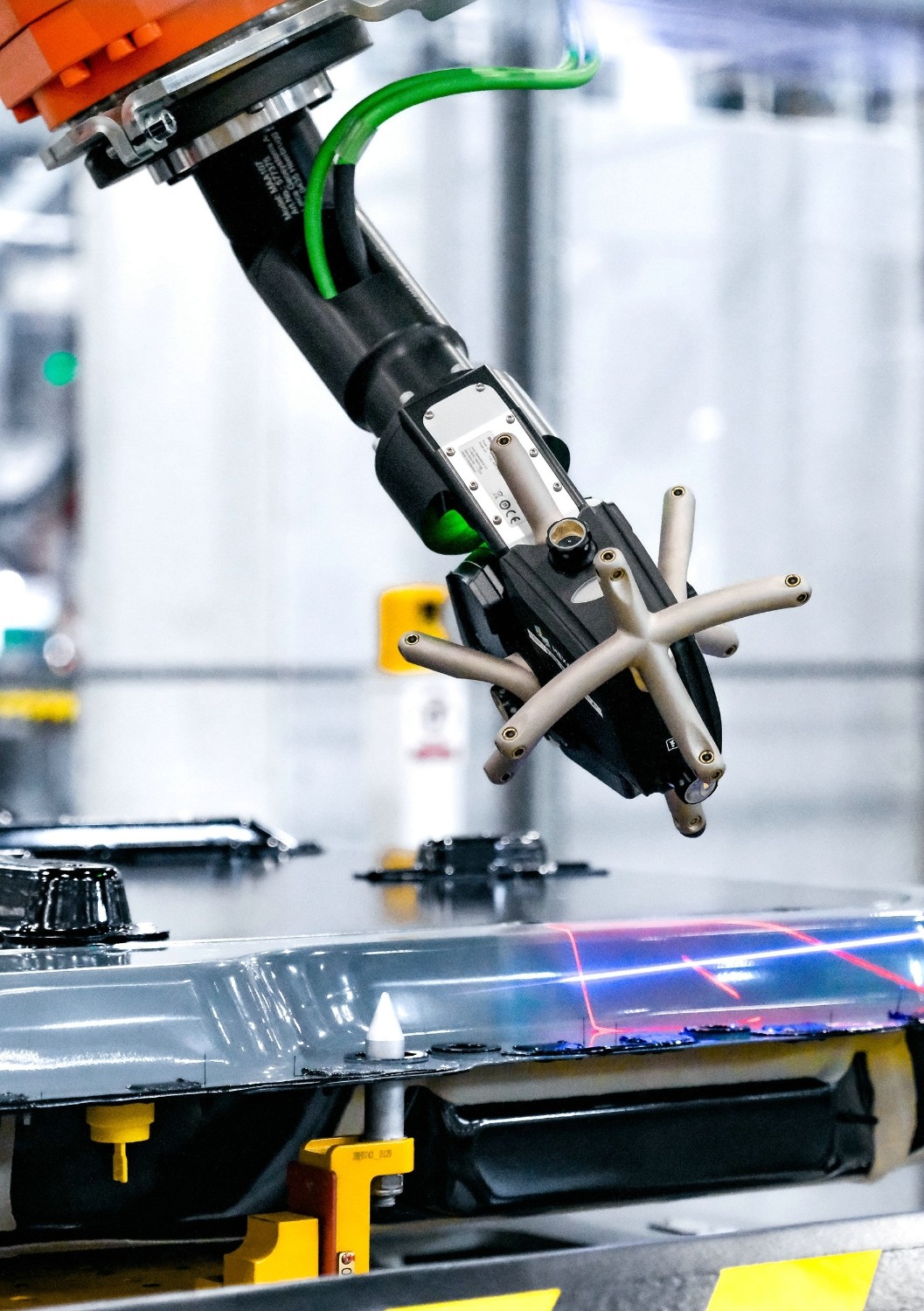
New Gen6 battery assembly lines join an established powertrain manufacturing site. Photo: BMW Group.
Local Production for a Local Vehicle Rollout
BMW frames Shenyang as part of its “local for local” manufacturing approach: building a major component close to the vehicles it will power. The official release says these batteries will support all locally produced Neue Klasse models in China.
That is a clearer and narrower claim than saying every future BMW EV will use a Chinese-built pack. The announcement does not identify Shenyang as the source for Canadian vehicles, set a Canadian launch date or change Canadian vehicle specifications.
For Canadian readers following the new electric BMW i3’s announced pricing and preliminary range, this is evidence of the broader industrial rollout behind Neue Klasse—not a revision to that car’s local buying terms.
What Comes Next
Battery series production is now underway, according to BMW. The next useful checkpoints are the China-built vehicles that receive the packs and the specifications published for those particular models.
The release does not provide an annual Gen6 pack-production capacity, a detailed ramp schedule or a model-by-model customer-delivery calendar. Those gaps matter: starting a line is not the same as demonstrating its eventual output.
For now, Shenyang adds a concrete production step to BMW’s EV transition. The interesting engineering is not simply the cylindrical cell. It is the combination of direct pack integration, cooling, precision connections and controls that makes thousands of those cells work as one vehicle battery.
Images: BMW Group. Factory photographs document the battery-production project; they are not Motorlinks site-visit photography.