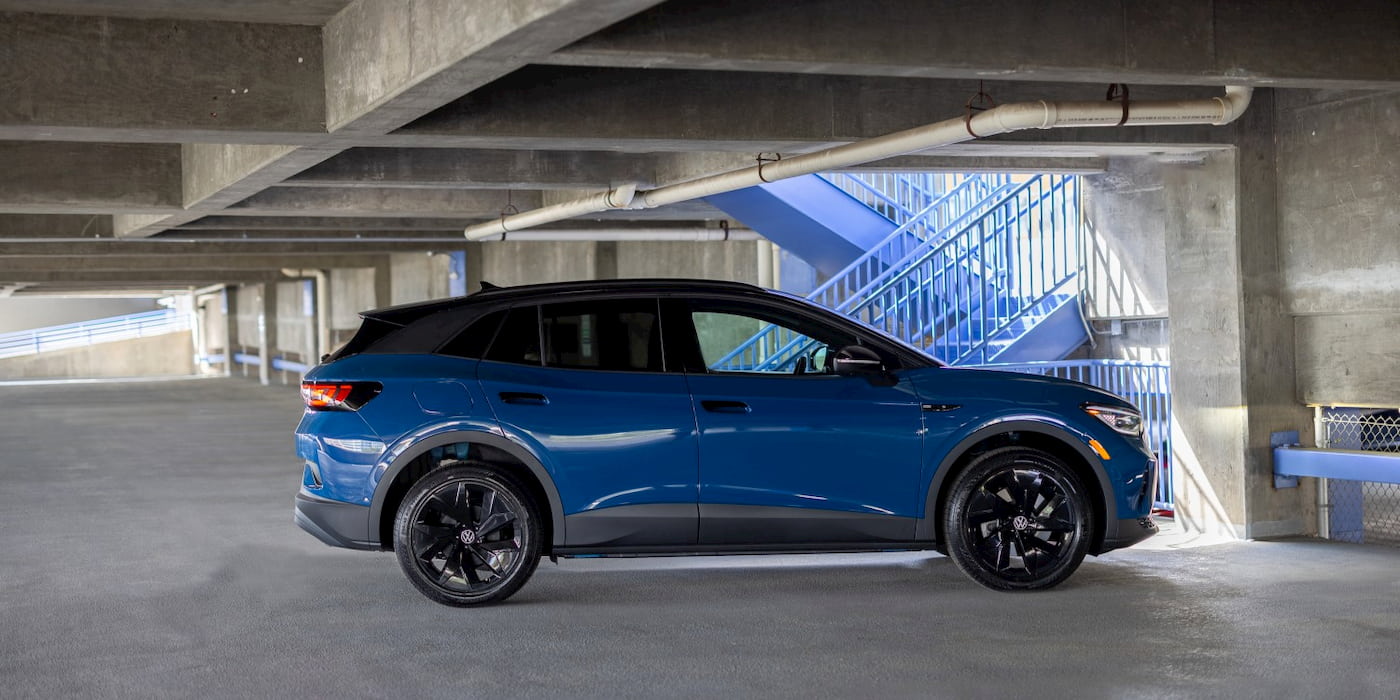
Volkswagen ID.4 battery recall: affected U.S. owners told to limit charging to 80%
A U.S. recall covers 22,524 Volkswagen ID.4s from model years 2023–2026. Owners are told to limit charging to 80% while a remedy is developed.
Photo: Volkswagen
Volkswagen is recalling 22,524 ID.4 electric SUVs in the United States from model years 2023–2026 over a potential high-voltage battery fire risk. Affected owners are being told to limit charging to 80% until the recall remedy is completed. The final fix is still under development.
The campaign is NHTSA 26V630, also listed as 26V630000, and Volkswagen’s internal code is 93EX. Electrek reported the recall on October 8, drawing on Volkswagen’s regulatory correspondence. The official NHTSA filing is the primary campaign record.
Owners of the recalled cars are being told to hold charging at 80 percent while Volkswagen develops the repair. Eligibility is the VIN on campaign 93EX.
What the battery concern means
The recall reporting describes a path to thermal propagation: certain charging conditions together with a battery charge above 80%. A failure in that situation can spread through the pack, and the risk described is fire.
The root cause is still unknown. The filing has not pinned the issue to a named manufacturing defect. The model-year window is the population being checked.
Electrek says the investigation followed a field study of vehicles that sat outside earlier battery-recall campaigns. This campaign, 93EX, is its own lookup. An earlier repair, or an earlier result that a VIN was unaffected by a different campaign, answers that earlier campaign.
22,524 vehicles is the U.S. population in the recall.
Volkswagen ID.4 gallery
11
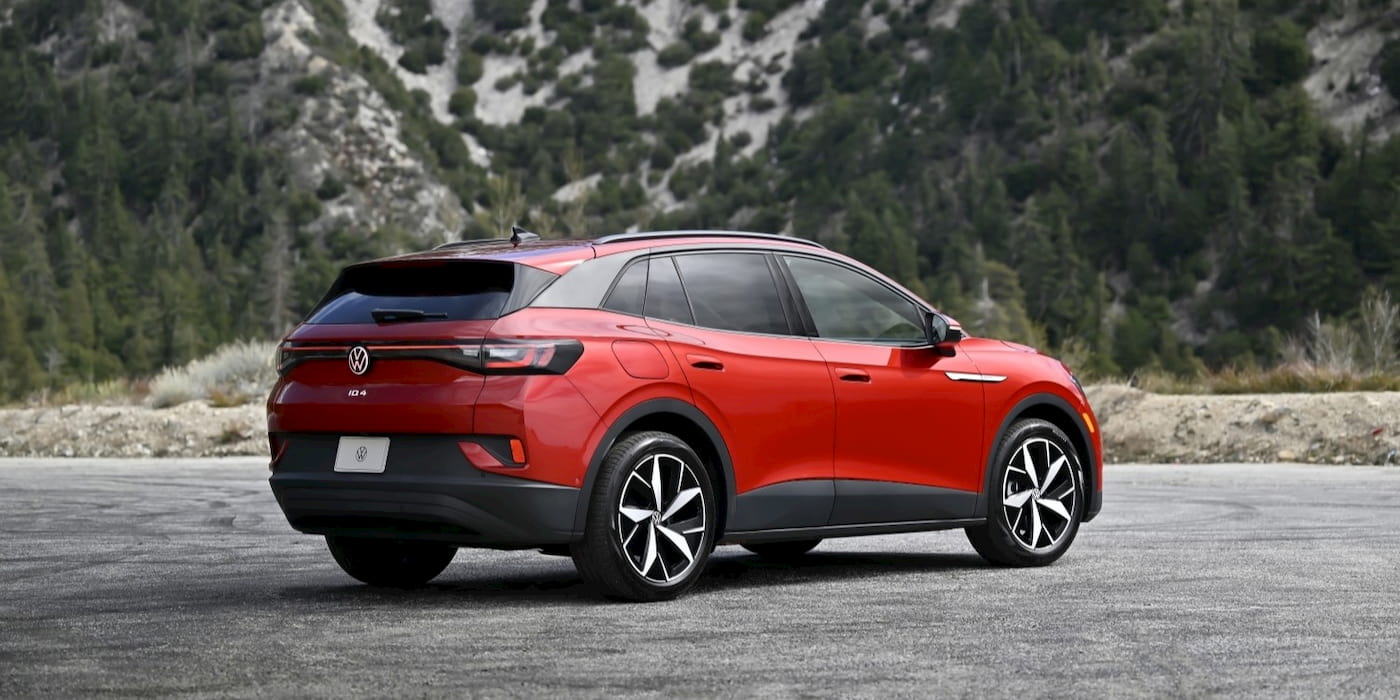
Manufacturer photography shows the ID.4's rear styling. The recalled population is certain 2023–2026 U.S. vehicles, not every ID.4.
What affected U.S. owners should do now
Look up the vehicle identification number at NHTSA’s recall lookup and with Volkswagen or an authorized dealer. Ask about 26V630 / 93EX when the question is this campaign.
If the VIN is in it, Volkswagen’s interim instruction is to limit charging to 80% while the remedy is still being developed. Usable distance at that cap still depends on the vehicle, the temperature, the route and energy consumption.
Questions go to Volkswagen customer service at 1-800-893-5298. The instructions to follow are the latest ones from the manufacturer or the dealer for that VIN, including any that change while the investigation continues.
When will the fix arrive?
There is no confirmed final remedy date in the reporting available as of October 9. Interim owner letters are expected to be mailed on November 27, 2026, with additional letters once a remedy becomes available.
The November 27 mailing is the owner letter. A repair date is still open. Owners should check the VIN and get the current instructions before that letter arrives.
Canadian owners should check the local notice
This recall is a U.S. NHTSA campaign covering 22,524 vehicles.
Canadian owners should check Transport Canada’s vehicle recall information and ask Volkswagen Canada or their dealer about their VIN. The U.S. instructions apply to the VINs in campaign 26V630.
For anyone considering an ID.4 already in dealer inventory, the useful next step is a VIN-specific recall and repair-status check. A discounted asking price or an earlier completed campaign does not answer whether this particular battery recall remains open.
Images: Volkswagen; new exterior photos reproduced from the source-credited Electrek report, plus existing Motorlinks manufacturer charging imagery.
The MotorLinks take
Look up the VIN before you change how you charge. If a U.S. ID.4 from the affected model years is on campaign 26V630, also called 93EX, follow Volkswagen’s interim charging instruction and ask the dealer when a remedy appointment exists, because the November 27 mailing is the notice. A Canadian owner, and anyone buying an ID.4 from inventory, should run the Canadian recall check on that VIN and ask Volkswagen Canada whether this battery campaign is open on that car.
Related Articles
- Volkswagen ID.4 Inventory: What Buyers Should Check
- EV Breakdown Towing: Neutral Mode and Flatbed Transport
- Used EV Battery Health: What Canadian Buyers Should Check
Why we use AI
Car news moves fast and the useful details are buried in recall filings, rate bulletins and spec sheets from around the world. AI lets a small team read all of it, so you get the numbers, the sources and the Canadian angle in one place. Every article is checked against its cited sources and reviewed by our editor before it goes up. Spot a mistake? Tell us and we'll fix it.