
Aptera's $44 Million Production Deal Targets Its First 40 Vehicles
Aptera has signed a production program worth up to $44 million with Launch Design, aiming to begin building its first 40 production vehicles in late 2026.
Image: MotorLinks
Aptera has put a more concrete manufacturing plan behind its solar electric three-wheeler, signing a production program worth up to approximately $44 million with Shanghai Launch Automotive Technology, better known as Launch Design.
The agreement covers assembly fixtures, testing, pilot production, supply-chain work and preparation for higher-volume manufacturing. More immediately, it is supposed to support Aptera’s first 40 production vehicles, which the California company says it is aiming to begin building in the fourth quarter of 2026.
That is a meaningful step beyond another prototype reveal. It gives Aptera an experienced manufacturing partner, defines how the first production hardware is expected to arrive and reduces the number of individual parts that its Carlsbad operation will have to integrate.
It is not a customer-delivery announcement. The timeline remains a company target, safety compliance work is still outstanding, and Aptera says future financing is part of how it expects to fund the program.
What The Launch Design Agreement Covers
Under the agreement announced August 20, Launch Design will contribute design-for-manufacturing expertise, tooling and access to an international supplier base. Aptera says the two companies have already worked together for more than a year, including six months of work that has reduced the vehicle’s projected bill of materials. It did not disclose the amount of that reduction.
The program spans several stages:
- Assembly fixtures and production-process development
- Vehicle testing and pilot-production support
- Larger finished subassemblies for Aptera’s final assembly operation
- Work intended to prepare the vehicle for higher-volume production
- Parts and fixtures for the first 40 production vehicles
The use of larger subassemblies is especially important for a small manufacturer. Instead of receiving and installing a long list of loose components, Aptera expects Launch’s suppliers to combine parts into larger completed modules before shipping them to the San Diego area. Aptera would then complete final vehicle assembly in Carlsbad, California.
According to Aptera, the first bodies and chassis are expected to begin arriving in October 2026. The company is targeting the fourth quarter to start building the 40-vehicle batch.
Those vehicles are distinct from the Atlas validation fleet. Aptera says it refined the body and chassis specifications using lessons from those test vehicles, and it plans to begin customer deliveries with the next batch. The word “plans” matters: production beginning and customer deliveries beginning are separate milestones.
Aptera vehicle and production gallery
13


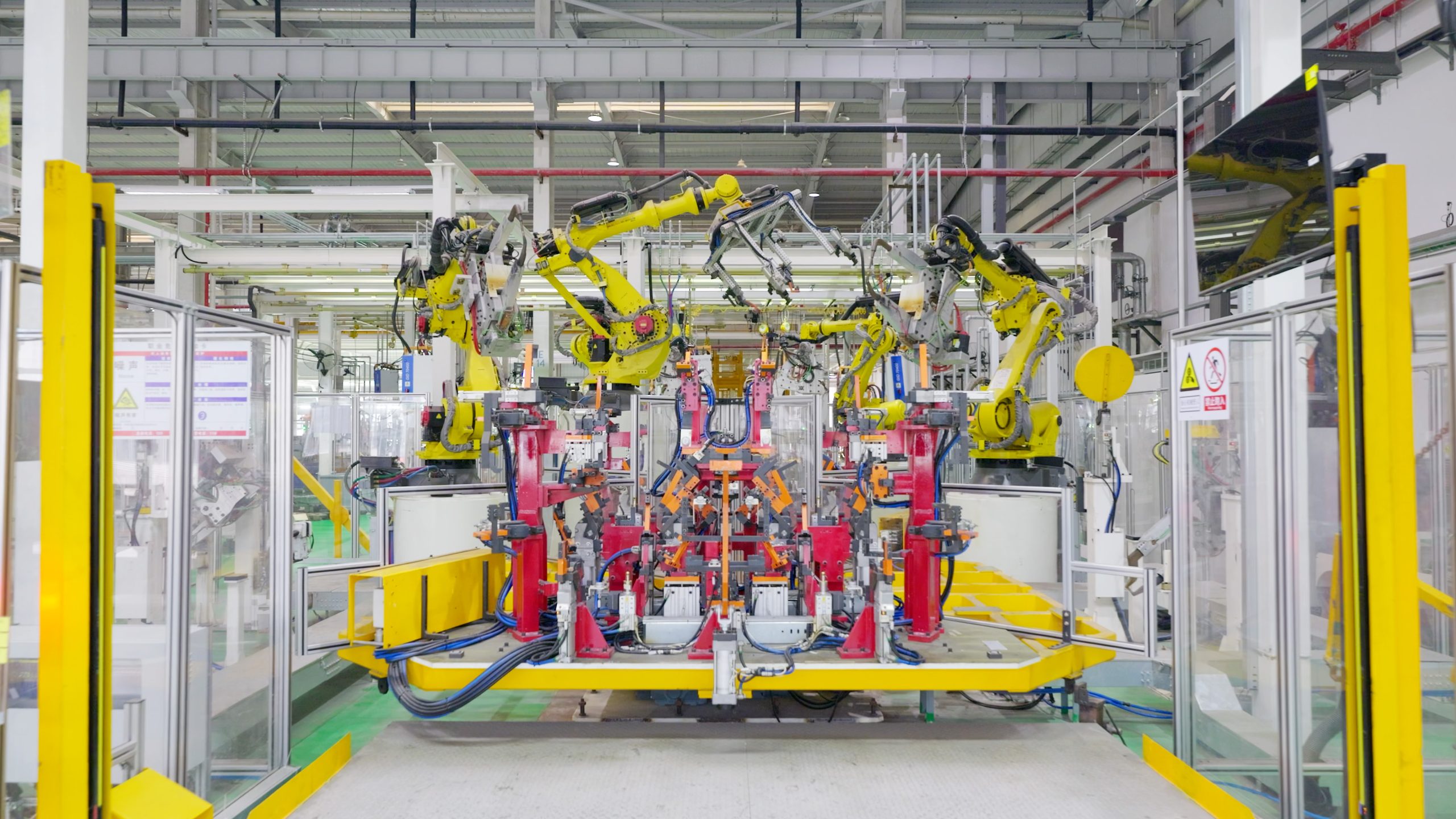
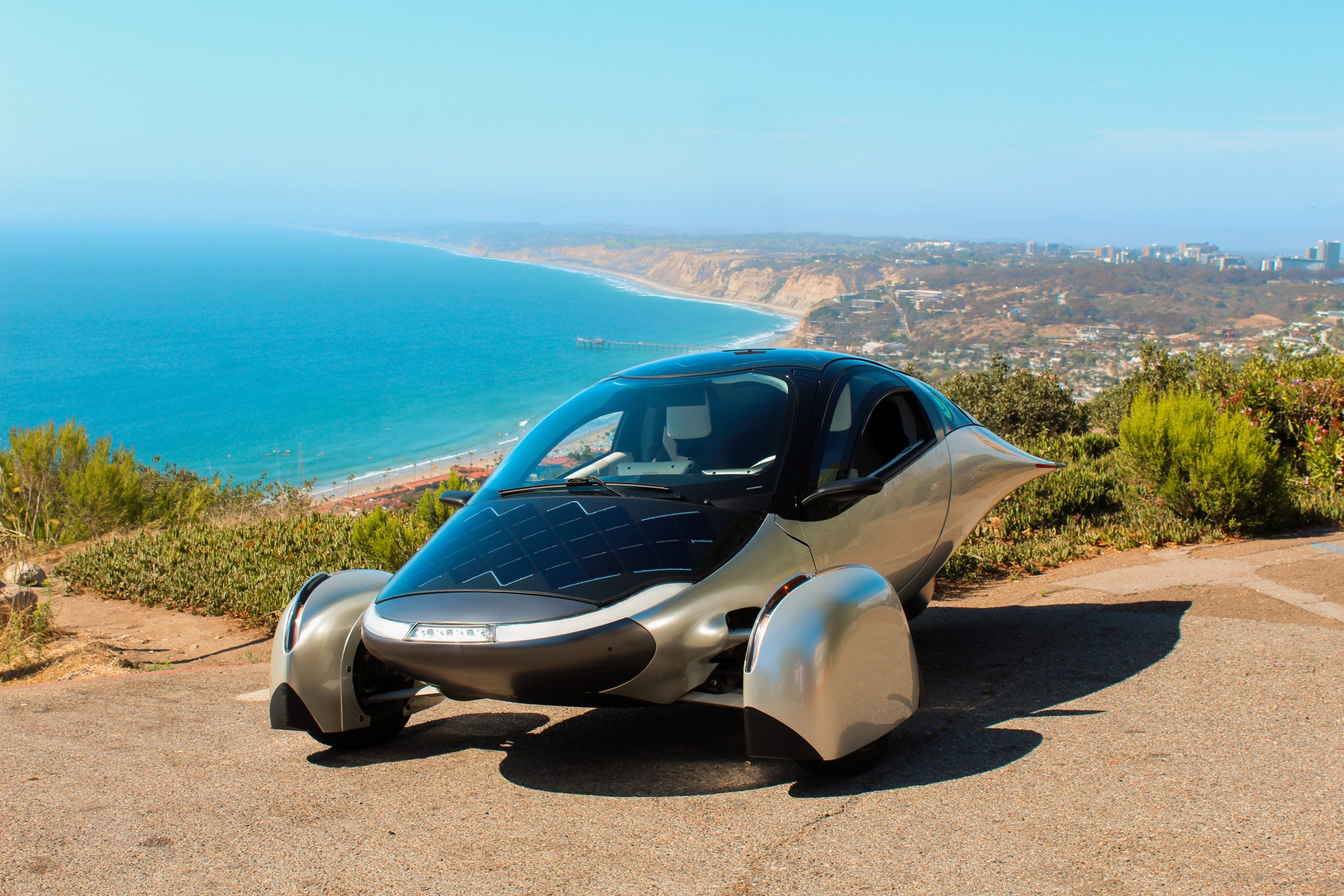

Launch Design brings tooling, process-development and supplier-network experience to Aptera's manufacturing program. Image: Aptera Motors.
The $44 Million Headline Needs Context
This is not a straightforward $44 million cash investment flowing into Aptera.
Aptera says it will pay two-thirds of approved program costs. Launch will accept warrants to purchase Aptera stock as compensation for the remaining third, capped at approximately $15 million. The warrant structure conserves cash and gives Launch potential equity upside if Aptera succeeds, but it is compensation for work rather than a $15 million cash injection.
The arrangement also does not remove Aptera’s need for capital. The company says it expects to fund its share through existing resources, previously announced financing arrangements, and future debt or equity financing. Its release warns that the ability to continue as a going concern depends on raising more capital and executing the business plan.
That distinction is central to judging the news. Launch can help Aptera design a better assembly process, reduce material costs and tap a broader supplier network. It cannot make funding risk, regulatory work or the normal difficulties of ramping a new vehicle disappear.
The cross-border supply model brings its own exposure as well. Tariffs, export controls, exchange-rate movement and shipping interruptions could all affect costs or timing. Aptera will also depend on Launch and its suppliers performing as planned while keeping final assembly in California.
Why This Matters More Than Another Prototype
EV startups often look most convincing at the prototype stage. A handful of hand-built vehicles can demonstrate a clever shape, an efficient powertrain or an appealing cabin. Production engineering is where the job becomes much harder.
Fixtures have to locate parts consistently. Assembly steps need repeatable cycle times. Suppliers need to deliver components in the right sequence and at a cost that leaves room for a viable vehicle. Quality problems have to be found early enough that fixing them does not stop the line.
Launch says it has more than 3,000 employees, multiple production bases and experience across more than 400 vehicle programs. For Aptera, buying into that manufacturing capability is more practical than trying to build every discipline internally before its first sale.
The finished-subassembly strategy also fits Aptera’s circumstances. Its vehicle uses an unusual carbon-fibre structure, three-wheel layout and body-integrated solar array, yet the company is trying to complete final assembly at a comparatively small facility. Receiving larger modules can simplify that final operation and reduce its equipment and inventory burden.
The first 40 vehicles will be the real test of whether the process works outside a validation environment. They are enough to expose assembly, supply and quality problems, but nowhere near enough to prove that Aptera can produce vehicles reliably at commercial scale.
Certification Still Stands Between Production And Deliveries
Aptera cleared one important U.S. regulatory hurdle in July when it received an EPA Certificate of Conformity for the 2026 Launch Edition. The company described that as one of two primary federal certification steps.
Compliance with applicable Federal Motor Vehicle Safety Standards remains the other major federal requirement before customer deliveries can begin. Aptera has said its low-volume validation vehicles support that work, but it has not announced that the process is complete.
The vehicle itself also remains a moving target. Aptera’s current product page describes a Launch Edition designed for 400 miles (644 km) of battery range, up to 40 miles (64 km) of solar-powered driving per day, and 0–60 mph acceleration in less than six seconds. The company labels the vehicle as being in testing and validation and says specifications are subject to change.
That makes the late-2026 schedule a useful target rather than a guaranteed launch date. Bodies and chassis arriving in October would show the supply plan is moving. Forty vehicles entering production would be a bigger milestone. Regulatory clearance and actual customer handovers would be the points when Aptera crosses from production preparation into commercial reality.
What It Means For Canada
The Launch partnership does not establish a Canadian launch date.
Aptera says Launch’s international production bases and supplier relationships could help it consider markets outside the United States in the future. The announcement is equally clear that international launch dates are not part of this agreement and that U.S. deliveries come first.
Canadian reservation holders therefore still need firm answers on Transport Canada compliance, registration as a three-wheeled vehicle, pricing, warranty coverage, insurance, parts and qualified service. Aptera’s previously announced RepairPal relationship describes a U.S. service network and does not resolve those Canadian questions.
The solar-assisted concept remains fascinating for Canadian commuting, particularly when its efficiency turns a small amount of harvested energy into useful range. But season, latitude, shade, snow and indoor parking can sharply change solar yield. Our explainer on how Aptera’s solar range could work in Canada examines those practical limits.
For shoppers who need a vehicle soon, Aptera is still something to watch rather than something to budget around. The Canadian EV incentive and affordability guide covers vehicles with established local pricing and eligibility today.
The MotorLinks Take
Aptera’s Launch Design deal is substantive because it addresses the unglamorous middle between a working prototype and a repeatable vehicle. The company now has a defined partner for fixtures, subassemblies, pilot work and production planning, plus a target for the first body and chassis deliveries.
The financing structure is also a reminder of the risk. Launch is accepting warrants for part of its work, Aptera expects to rely partly on future financing, and the company has not completed every certification step. A $44 million program should not be mistaken for $44 million of new cash or a guaranteed high-volume ramp.
If the first bodies arrive in October and the 40-vehicle batch begins before year-end, Aptera will have moved closer to the hard proof that matters: vehicles built with production parts and processes. Until then, this is a credible manufacturing plan with clear milestones, not the finish line.