Canada Proposes Repealing Its EV Sales Mandate: What Changes for Buyers
Canada has formally proposed repealing its federal zero-emission vehicle sales requirements, replacing the 2035 mandate with future fleet-emissions rules and non-binding EV sales goals.
Canada has taken the first formal regulatory step toward scrapping its federal electric-vehicle sales mandate.
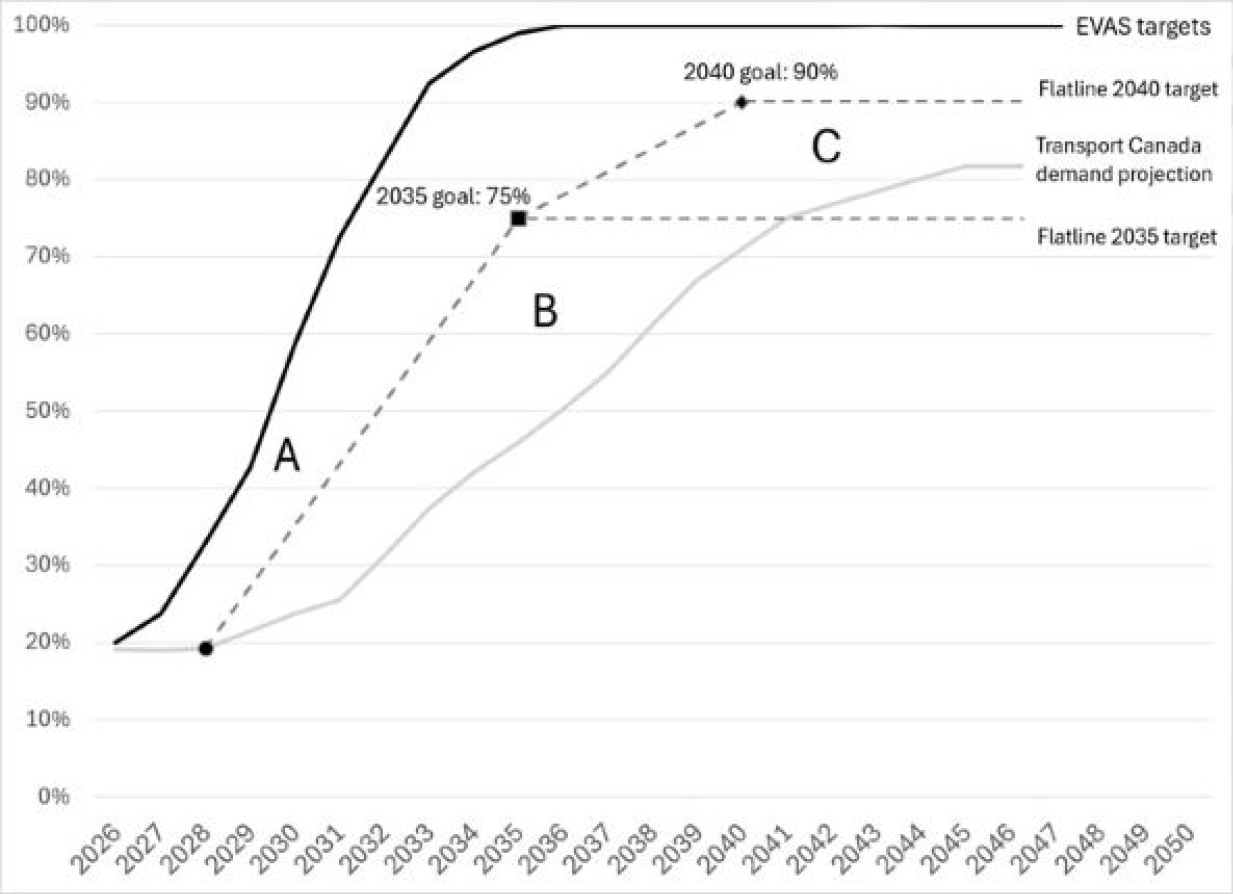
The proposed regulations published in the Canada Gazette on August 15 would repeal the Electric Vehicle Availability Standard, or EVAS. That standard currently requires zero-emission vehicles to represent at least 20% of new model-year 2026 light-duty vehicles offered for sale, 60% for 2030 and 100% from 2035 onward.
This is a proposal, not a completed repeal. The public has 75 days from publication to comment, and the amendments would take effect only after the final regulations are registered. If finalized as written, automakers would no longer have to meet the federal ZEV percentages or calculate and report EVAS compliance credits and deficits.
For Canadian car shoppers, the immediate takeaway is simpler: nothing changes at the dealership today. Federal purchase incentives, provincial EV rules and individual vehicle prices are separate from this proposal. The bigger effect will come over time, through the mix of EVs, hybrids and combustion vehicles automakers choose to sell in Canada.
What Ottawa Is Actually Proposing
EVAS is a sales-compliance system for manufacturers and importers, not a rule forcing an individual Canadian to buy an EV. Its annual targets were designed to increase the share of battery-electric vehicles, plug-in hybrids and hydrogen fuel-cell vehicles offered for sale.
The new proposal would remove that system completely. Ottawa says it plans to replace it with stronger, Canada-specific fleet greenhouse-gas standards that are technology-neutral. In practice, that could let automakers use a broader mix of battery-electric vehicles, plug-in hybrids, conventional hybrids and more efficient combustion vehicles to lower the average emissions of their fleets.
Those replacement standards are not included in the August 15 proposal. The government says it intends to develop them separately and put Canada on a path toward 75% EV sales by 2035 and 90% by 2040.
That wording matters. The existing EVAS percentages are regulated requirements. The 75% and 90% figures are policy goals that future emissions rules are intended to support, but the actual stringency, compliance formula and enforcement details have not yet been published.
Why the Government Wants the Mandate Repealed
Ottawa’s regulatory analysis points to a North American auto market that changed sharply after EVAS was finalized in 2023. It cites U.S. tariffs on vehicles and production inputs, weaker regional EV demand, the end of Canada’s former iZEV incentive program and the United States’ reversal of federal vehicle-emissions policy.
According to the Gazette proposal, zero-emission vehicles fell from about 14% of Canadian new-vehicle sales in 2024 to about 9% in 2025. Their share averaged roughly 10% from January through April 2026 and reached about 12% in March after the new Electric Vehicle Affordability Program arrived. That remained below the 20% requirement for model-year 2026 vehicles.
The government argues that enforcing EVAS under those conditions could put financial pressure on automakers and threaten Canadian investment, employment and vehicle supply. Manufacturers broadly favoured performance-based emissions standards during consultation, while EV-only companies and some environmental groups argued that keeping a firm ZEV requirement would protect long-term vehicle availability and affordability.
Ottawa is choosing flexibility. Whether the eventual fleet-emissions rules are strong enough to preserve EV momentum is now the central unanswered question.
The Government’s Own Analysis Shows a Large Trade-Off
The regulatory impact statement does not describe repeal as cost-free.
It estimates that repealing EVAS without stronger replacement standards would lead to 326 megatonnes of forgone greenhouse-gas reductions between 2026 and 2050. The government values the associated potential global climate damages at C$94.2 billion. After accounting for avoided EV and home-charger costs and forgone energy savings, the proposal’s central analysis produces a C$90.3-billion net societal cost.
The analysis estimates buyers would avoid C$57.6 billion in additional vehicle and home-charging costs over that period, but would also give up C$53.8 billion in fuel savings. It does not monetize the maintenance savings that EV owners would forgo.
Ottawa says future enhanced greenhouse-gas standards could preserve approximately 145 megatonnes of the lost emissions reductions. That figure is illustrative, because the replacement standards have not been drafted publicly and will receive their own analysis later.
The result is an unusual but important admission: repealing the mandate may give the auto industry more near-term flexibility, yet the environmental and consumer-energy consequences depend heavily on rules that Canadians have not seen.
What This Means for Canadian EV Buyers
The proposal does not cancel the federal Electric Vehicle Affordability Program. It does not change whether a specific EV qualifies for a rebate, and it does not alter provincial incentives. Buyers should still check the current Canadian EV incentive and affordability guide before signing a purchase or lease agreement.
It also does not automatically repeal provincial ZEV regulations. British Columbia and Quebec control their own rules, although both provinces have been reviewing or reducing parts of their earlier trajectories.
The longer-term showroom effect is less certain. Without model-specific sales requirements, automakers may have more freedom to allocate scarce or low-volume EVs elsewhere, especially when Canadian demand is weaker than in Europe or parts of Asia. The flip side is that manufacturers could keep a broader range of hybrids and lower-priced combustion vehicles available while charging infrastructure and EV affordability improve.
Price cuts and product decisions will still depend on competition, incentives, battery costs, tariffs and global allocation. Repealing EVAS does not guarantee cheaper vehicles, just as retaining it would not guarantee that every mandated EV would be affordable.
What Happens Next
Canadians can comment on the proposed regulations for 75 days after August 15, making October 29, 2026, the expected closing date. Notices of objection requesting a board of review can be filed within 60 days. The Gazette page includes the online commenting process and the department’s contact information.
After consultation, the government can revise the proposal before publishing final regulations. The repeal would come into force on the day the final regulations are registered.
The more consequential second step will be Ottawa’s promised Canadian fleet-emissions standard. Until its targets, credit system and timing are public, Canada is effectively removing a detailed EV rule before revealing the detailed replacement.
That makes this more than a change from a 100% mandate to a 75% goal. It is a shift from prescribing how many zero-emission vehicles automakers must offer toward regulating fleet emissions and letting manufacturers decide how to comply. Canadian buyers will feel the difference through future vehicle choice, pricing and availability—not through an overnight change on dealership lots.