Chery’s Former Nissan Factory Signals a New EV Manufacturing Push in Africa
Chery plans to build electric and plug-in hybrid vehicles at Nissan’s former Rosslyn plant as Chinese automakers shift from exporting to local production in Africa.
Chery’s move into Nissan’s former Rosslyn factory is more than a property deal. It is a sign that Chinese automakers are starting to treat Africa as a place to build electrified vehicles, not simply another destination for exports.
The Chinese automaker officially inaugurated the plant near Pretoria in July. A new Associated Press report puts that investment into a wider shift: Chery plans to produce plug-in hybrids and battery-electric vehicles at Rosslyn, while Chinese brands increasingly look for manufacturing footholds closer to African customers.
Production is scheduled to begin in mid-2027. Chery says the factory can eventually reach 50,000 vehicles per year on one shift, although that is a full-production target rather than a first-year forecast. The company has also committed to retaining 692 plant employees and says the project could support nearly 3,000 direct and indirect jobs.
That makes Rosslyn an important test. The factory already exists, South Africa already exports vehicles, and Chery already has local sales momentum. What remains uncertain is how quickly EV demand, charging infrastructure and local supply chains can grow around it.
What Chery Is Building at Rosslyn
Rosslyn is a long-established vehicle plant with roots stretching back to the 1960s. Nissan previously used it to build the Navara pickup before agreeing to sell the manufacturing assets to Chery.
Chery’s official plant announcement says the company wants Rosslyn to become a broader regional hub covering research and development, manufacturing, supply chain, training and southern African operations. The automaker is targeting an initial 40 percent localization rate by 2028.
The model plan is still developing. AP reports that Chery intends to build battery-electric and plug-in hybrid vehicles at the facility, alongside products from its Jetour brand. South Africa’s government has said the wider factory plan includes Chery, Jaecoo and Jetour vehicles.
Chery has not yet published a complete production timetable showing which powertrain and badge will be first down the line. That distinction matters: opening a factory capable of supporting electrified vehicles is not the same as immediately producing them at scale.
The company’s immediate product push provides some context. Chery says its new battery-electric Chery Q is due to enter the South African market in the third quarter of 2026. The crossover’s arrival should begin building brand and service experience before Rosslyn production starts the following year.
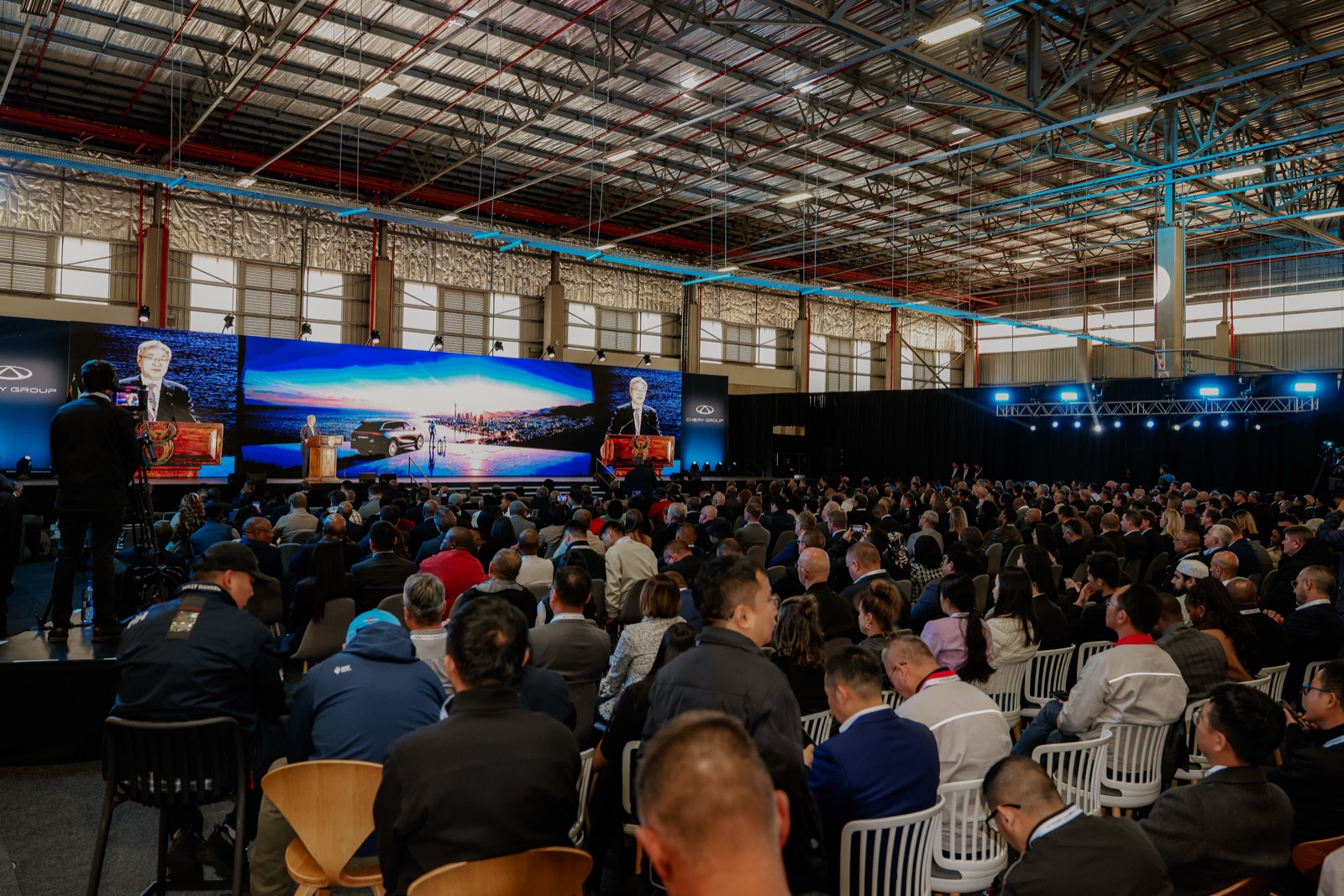
Inside Chery's Rosslyn manufacturing launch
13
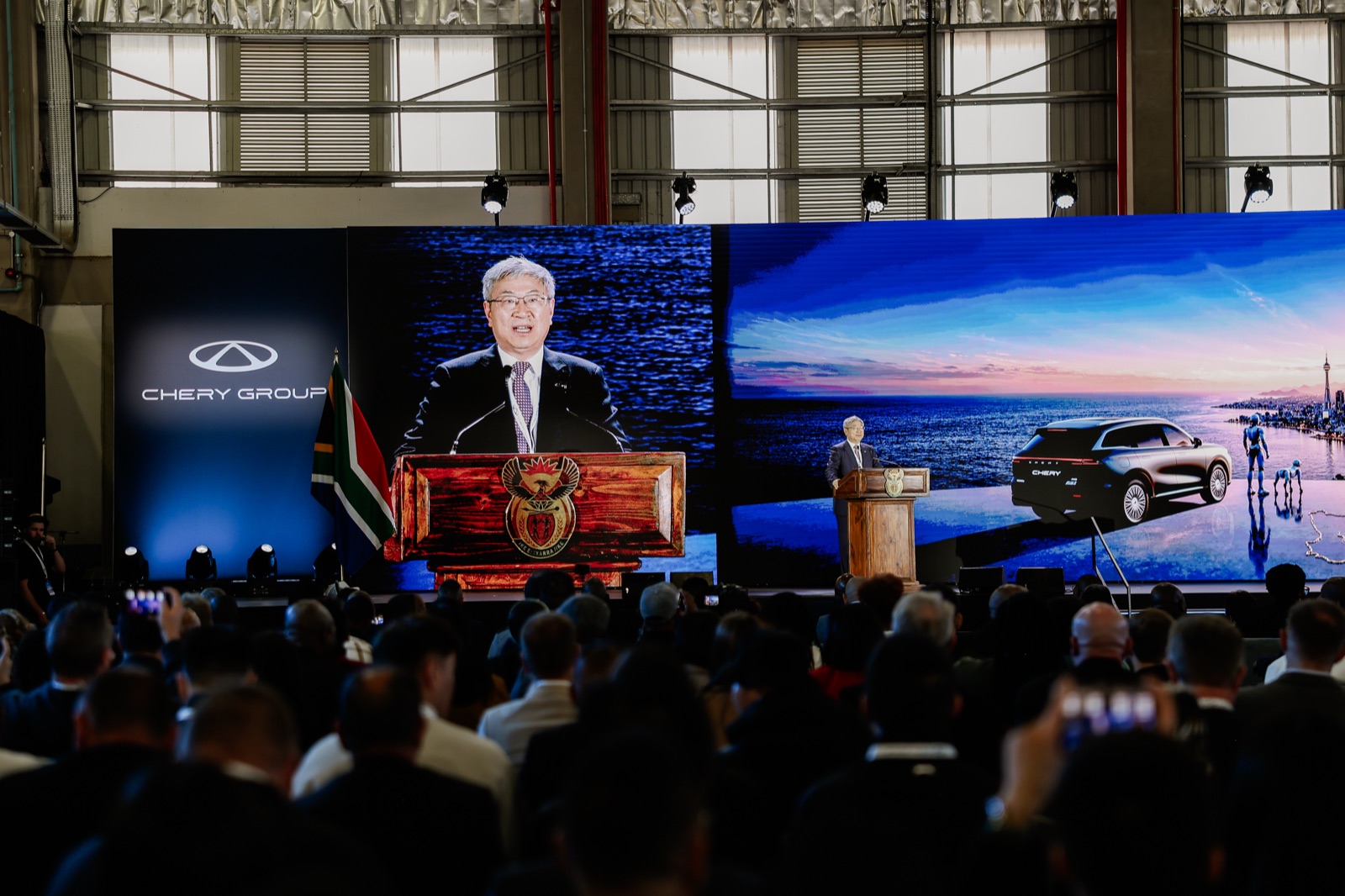
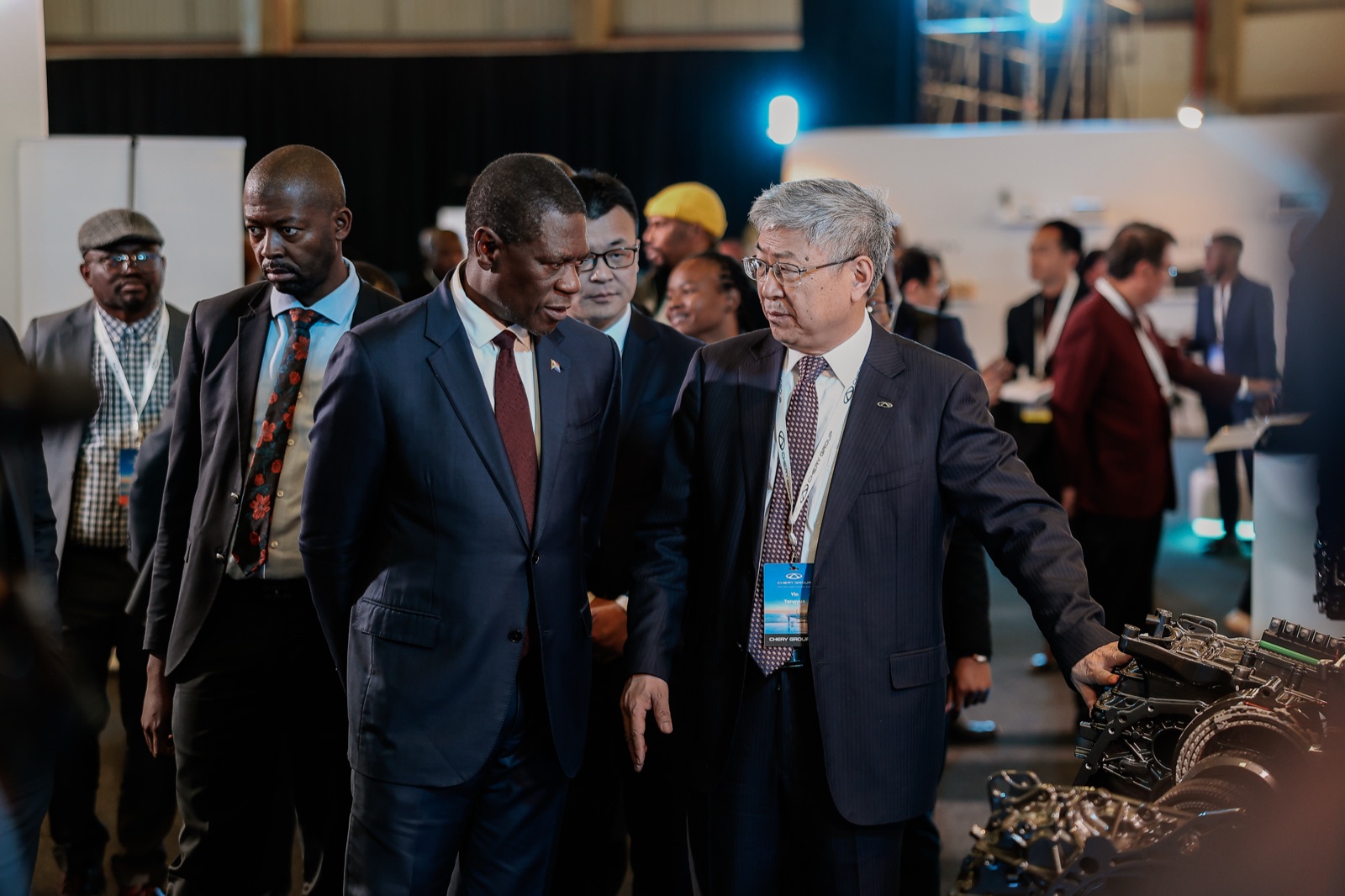
Chery inaugurated the Rosslyn facility in July 2026. The former Nissan plant is scheduled to return to vehicle production in mid-2027. Image: Chery Auto.
Why South Africa Is the Logical Starting Point
South Africa gives Chery three things that are difficult to create from scratch: an experienced automotive workforce, established suppliers and access to export markets.
Buying an existing plant should also be faster than building a greenfield factory. The equipment still needs to be upgraded for Chery products and new powertrains, but the site already has the industrial footprint, logistics connections and trained workers needed for vehicle assembly.
Government support is part of the equation. South Africa uses production incentives, customs-duty rebates and other tools to attract automotive investment. In a July cabinet statement, the government described Rosslyn as a regional export-hub investment and confirmed Chery’s job and production-ramp commitments.
Chery also enters with meaningful local traction. The company says Chery Group ranked second in South African deliveries from January through May 2026, behind Toyota, while its namesake brand had expanded to 150 local stores by the end of 2025. Those are company-supplied figures, but they help explain why local production now makes commercial sense.
The Hard Part Is Building an EV Market Around the Factory
Local assembly can reduce shipping costs, shorten supply lines and create jobs. It does not automatically solve the barriers facing EV adoption.
Reliable electricity is the first challenge. Charging networks need both dependable power and enough well-placed stations to make an EV practical beyond major urban corridors. Vehicle prices must also fit markets where new-car affordability is already under pressure.
Battery supply adds another layer. A factory can assemble an EV without producing its cells locally, but imported batteries remain a major cost and logistics exposure. Chery’s 40 percent localization target will be easier to reach on conventional components than on the most expensive part of an electric vehicle.
That is why plug-in hybrids may be especially important in the early stages. They can deliver electric commuting for drivers who charge regularly while preserving gasoline range for regions where public charging remains thin. The trade-off is added mechanical complexity and continued fuel use.
The Rosslyn project therefore should not be read as proof that Africa’s EV transition is complete. It is evidence that a major automaker sees enough long-term demand to place manufacturing capacity ahead of the market’s full development.
Why It Matters Beyond South Africa
Chinese automakers have spent years building scale at home and expanding through exports. Local production is the next, more durable stage of that strategy.
Manufacturing inside a target region can soften tariff exposure, improve political acceptance and make products easier to adapt for local conditions. It also puts pressure on established automakers that have factories in those markets but limited affordable EV lineups.
For Canada, Rosslyn is relevant even if South African-built Chery vehicles never reach Canadian showrooms. Chery is already preparing a possible Canadian retail launch, and its growing network of overseas factories gives the company more options than a China-only export model. Canadian regulations, tariffs, vehicle certification and left-hand-drive requirements would still determine what is viable here.
The bigger signal is strategic. Chery is willing to inherit an established Nissan factory, retrain it around its own brands and plan for multiple powertrains rather than wait for every piece of the EV market to mature first.
If Rosslyn reaches its localization and production targets, it could become a blueprint for how Chinese automakers expand through existing industrial bases. If charging, affordability or policy stalls the ramp, it will show just how much harder building an EV ecosystem is than buying a factory.