Audi Confirms Q7 e-tron and A4 e-tron, but the Timing Tells the Real Story
Audi's next electric Q7 and A4 are now taking shape for 2027-2028, with three-row SUV packaging, SSP-era tech, and a return to more physical cabin controls.
Audi’s next important electric models are no longer vague product-plan fog.
Edmunds reports that Audi will build both a Q7 e-tron and an A4 e-tron, with the electric Q7 expected in late 2027 or early 2028 and the A4 e-tron following roughly six to 12 months later. Audi chief technical officer Rouven Mohr confirmed the plan during the launch of the new gas-powered Q7, according to the report.
That timing matters because it puts Audi back into two segments where it cannot afford to drift: three-row luxury SUVs and compact executive sedans. BMW is preparing Neue Klasse-based electric sedans and SUVs, Mercedes is moving its EQ strategy back toward familiar model names, Lexus has a three-row TZ on the way, Porsche is working on an electric Cayenne, and Rivian is already selling the R1S to buyers who want a premium electric family hauler with real space.
Audi is late to some of that fight. The useful question is whether it is arriving late with better answers.
Audi Q7 and e-tron context gallery
13
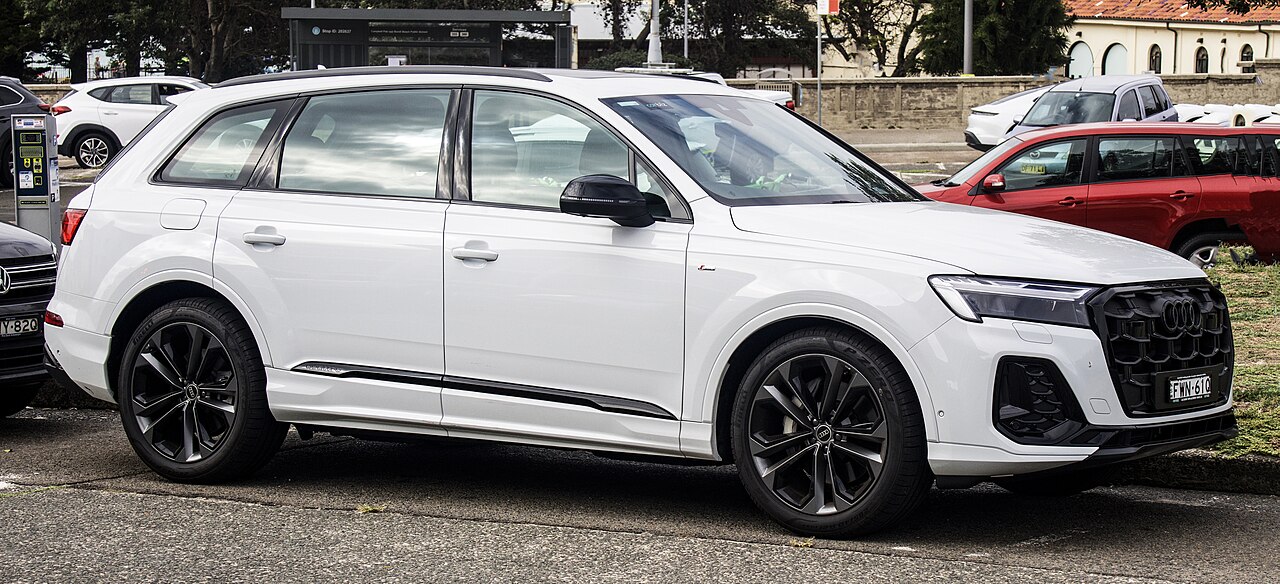
Audi has not revealed the Q7 e-tron yet, so an existing Q7 exterior image is the honest way to show the nameplate without implying this is the future EV.
What Audi Confirmed
The core news is simple: Audi plans to keep familiar model names alive while adding dedicated electric versions.
That is a better strategy than asking mainstream luxury buyers to decode a separate alphabet soup. A Q7 e-tron tells people roughly what to expect: a larger Audi SUV, likely with family-hauler space, all-wheel-drive positioning, and a premium price. An A4 e-tron does the same for the sedan side, even if Audi’s recent A4/A5 naming detour made the showroom story needlessly messy.
The Edmunds report says the Q7 e-tron will arrive first, in late 2027 or early 2028. It also says Audi expects the SUV to use a dual-motor setup and offer a three-row seating option. The A4 e-tron should follow six to 12 months later, likely as a Sportback-style sedan with a large hatch, with an Avant wagon body also expected globally. Edmunds says the Avant likely will not come to the U.S.
None of that is a final order guide. It is still enough to sketch the strategy.
The Q7 e-tron Is The More Urgent One
The Q7 e-tron is the more important North American product because large premium SUVs pay the bills.
Audi’s current 2027 Q7 page lists seven seats, an available six-seat layout with second-row captain’s chairs, up to 78.1 cubic feet of cargo room with the rear rows folded, and a 429-hp turbocharged V6 in the gas model. The electric Q7 will not simply be that vehicle with a battery stuffed underneath it, but those numbers show what the nameplate is expected to do: carry families, luggage, and luxury expectations without feeling like a compromise.
Chasing Cars reports that the Q7 e-tron will look noticeably different from the combustion Q7 and use Audi’s incoming “Radical Next” design language. The same report says the electric SUV will not wait for the full Volkswagen Group SSP platform. Instead, it is expected to use a blended architecture with some SSP elements and an early version of the zonal electrical architecture developed with Rivian.
That is the interesting part. Audi appears to be moving the Q7 e-tron faster by not waiting for every future-platform piece to be ready. That can be smart if it gets a credible three-row EV to market sooner. It can also create risk if the result feels like a halfway step against vehicles engineered around dedicated next-generation EV platforms from day one.
The buyer-facing target is obvious: dual-motor quattro, large battery, three-row utility, and enough range to make the Q7 e-tron feel like a real road-trip luxury SUV rather than a heavy city appliance.
The A4 e-tron Is The Cleaner Technical Story
The A4 e-tron may be smaller, but it could be the more technically important car.
GoAuto reports that Mohr described the A4 e-tron as one of Audi’s first bigger-volume models to combine the Volkswagen Group’s SSP platform, a unified battery pack, zonal electronics, and Audi’s new design direction. GoAuto also says there was no need to correct previously reported 2028 timing for the electric A4 program.
That makes the A4 e-tron different from the Q7 e-tron. The Q7 appears to be the speed play. The A4 appears to be the full new-architecture play.
If Audi gets it right, the A4 e-tron could become the car that makes the brand’s EV strategy feel normal again. It should sit in the same mental space the A4 occupied for decades: premium, compact enough to live with, refined enough to justify the badge, and practical enough that you do not need to be an enthusiast to understand it.
The unresolved questions are the important ones: final battery sizes, range, charging speed, power outputs, U.S. body styles, pricing, and whether higher-output S4 or RS 4 e-tron versions actually arrive. GoAuto says rear- and all-wheel-drive versions are expected, with more than one battery option likely, but Audi has not published final specs.
The Interior Reset Could Matter More Than The Range Number
Audi also appears to be using these EVs to unwind one of its less-loved recent ideas.
In a separate Edmunds interview, Mohr said Audi plans to move away from screen-heavy cabins and bring back more physical controls, better materials, and the kind of tactile switchgear buyers associate with older Audi interiors. Edmunds says the first mass-volume Audi models to get the new interior direction will be the Q7 e-tron and A4 e-tron.
That may sound like a small thing next to battery chemistry or platform architecture. It is not.
Audi built a large part of its reputation on cabins that felt expensive, logical, and durable. If the next wave of e-tron models gets cleaner screen integration, proper knobs, real buttons, and less cost-cutting theatre, that could do more for buyer confidence than another claimed range bump.
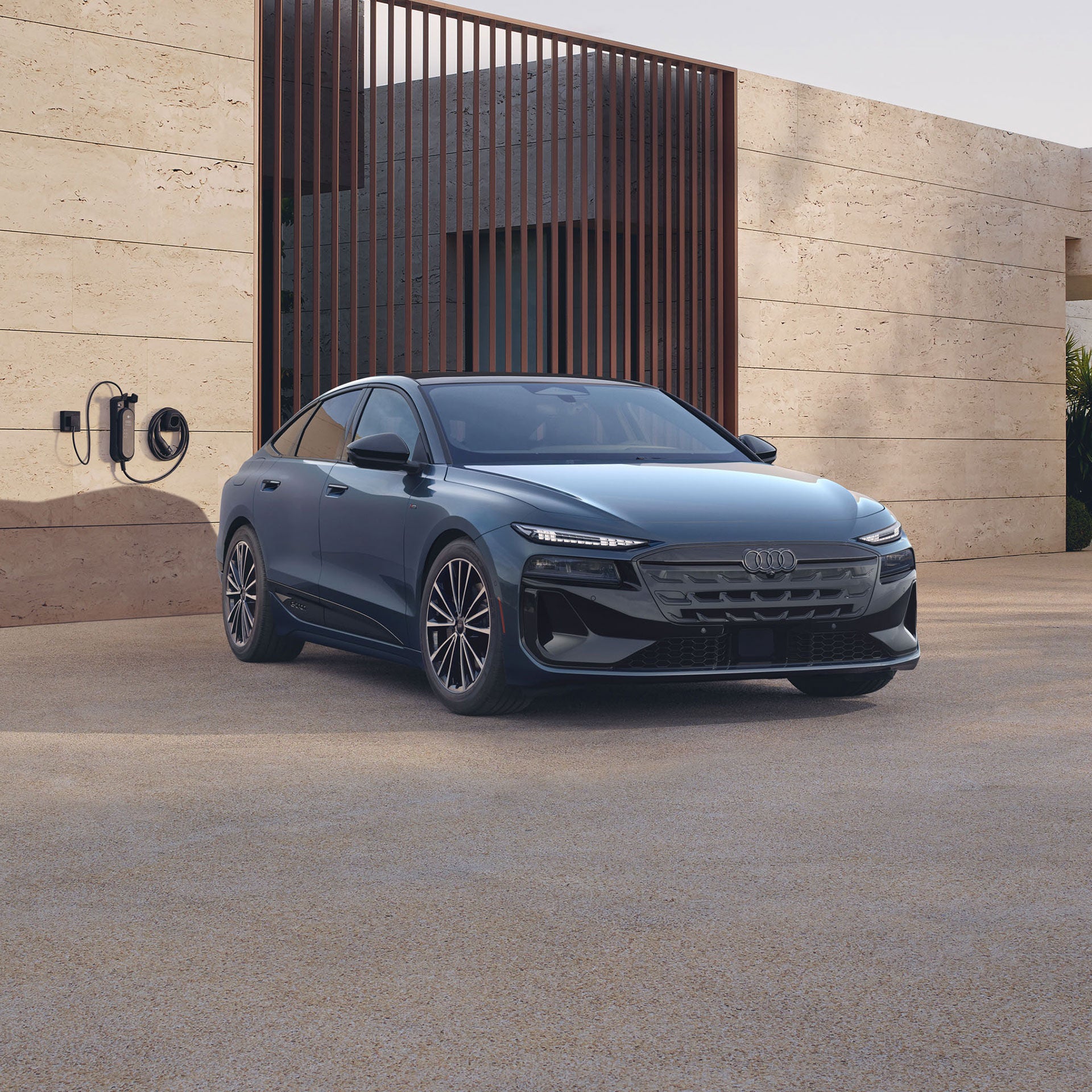
The current A6 Sportback e-tron already shows Audi has competitive EV hardware. Audi lists a 100-kWh battery, about 21 minutes for a 10 to 80 percent DC fast charge, and up to 392 miles of EPA-estimated range on the rear-drive Ultra-package version. But the next test is whether Audi can make the software, controls, packaging, and perceived quality feel as mature as the motor and battery specs.
What Buyers Should Ignore For Now
Ignore any article pretending the final Q7 e-tron and A4 e-tron specs are locked.
Audi has not revealed the production Q7 e-tron body. It has not published North American pricing. It has not confirmed EPA range. It has not shown the final A4 e-tron cabin. It has not given a final U.S. battery or trim walk for either model.
The credible facts are narrower:
- Q7 e-tron and A4 e-tron are now confirmed future Audi EVs.
- Q7 e-tron is expected first, around late 2027 or early 2028.
- A4 e-tron should follow roughly six to 12 months later.
- Q7 e-tron is expected to offer dual motors and likely three-row packaging.
- A4 e-tron is expected to use more complete SSP-era hardware, including a unified battery and zonal electronics.
- Both models are expected to help introduce Audi’s new design and interior direction.
That is enough to matter, but not enough to shop from.
The MotorLinks Take
Audi needed this.
The Q4 e-tron is useful but not aspirational. The Q6 e-tron is technically strong but still new enough that it has not fully reset the brand’s EV reputation. The A6 e-tron has the range-and-charging numbers, but the market for premium electric sedans is brutally competitive. A Q7 e-tron and A4 e-tron give Audi two clearer anchors: a family-size luxury SUV and a proper electric sport sedan.
The risk is timing. Late 2027 into 2028 is not tomorrow. By then, BMW, Mercedes, Lexus, Porsche, Rivian, Hyundai, Kia, and others will not be standing still. Audi cannot show up with a familiar badge and expect applause.
But the direction is sensible. Keep the names buyers understand. Make the Q7 e-tron practical enough for families. Make the A4 e-tron technically clean enough to feel like a new-generation Audi. And for the love of every old Audi cabin that still feels expensive after 15 years, bring back the physical controls properly.
If Audi does all of that, these two e-tron models could be more than late entries. They could be the point where Audi’s electric lineup finally starts to feel like Audi again.