Nissan and Valeo Turn V2G Charging Into a Real UK Rollout
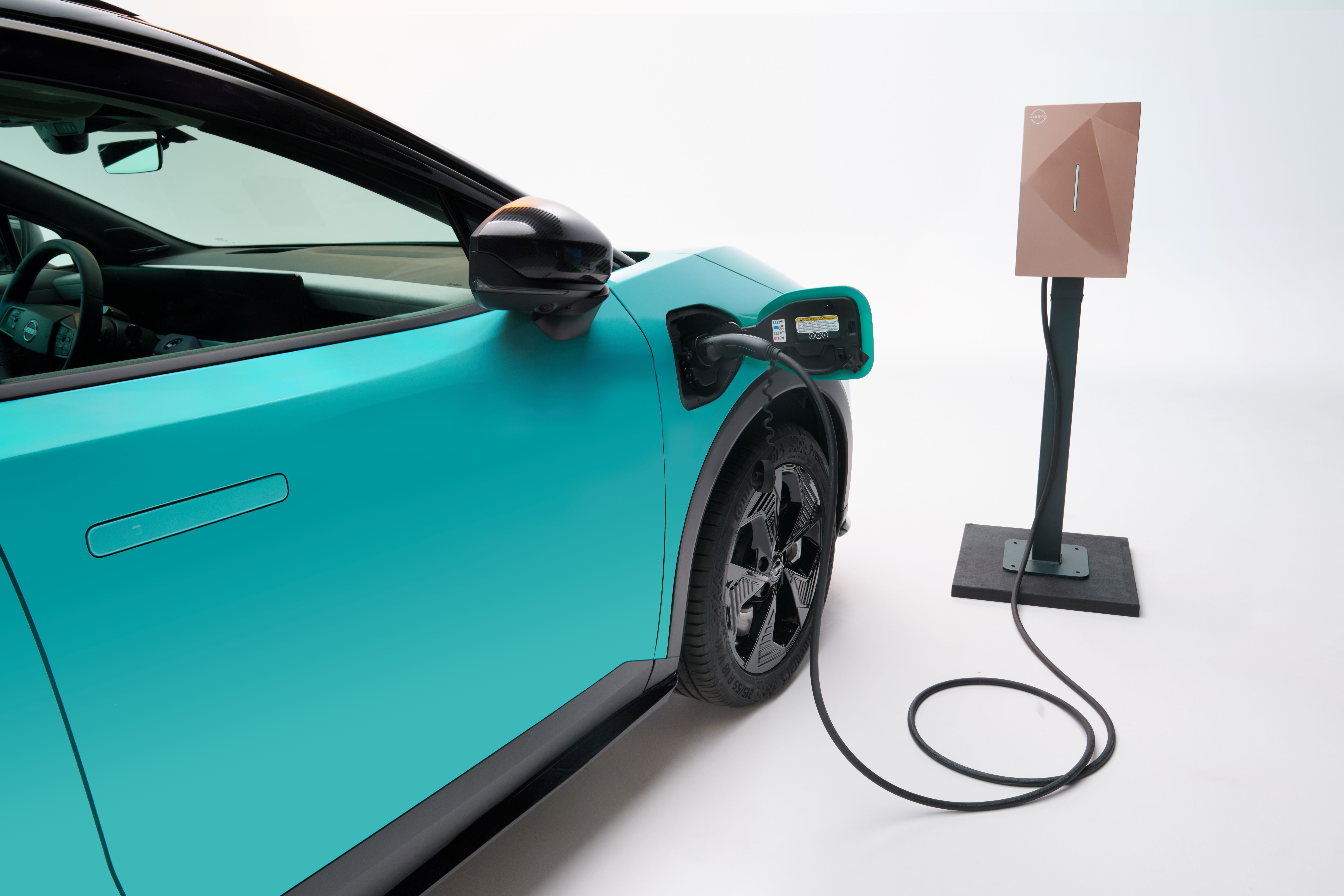
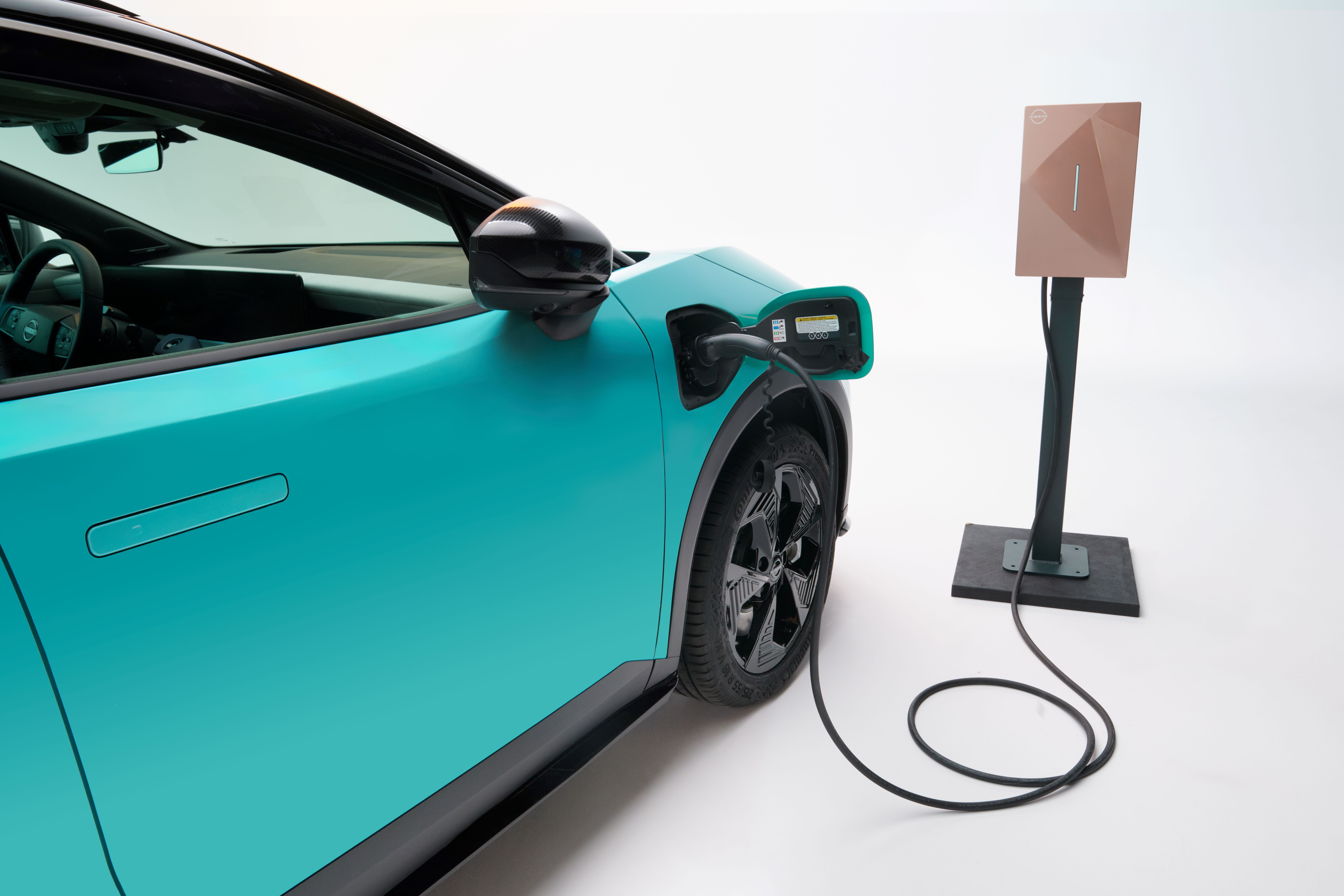
Nissan and Valeo have signed a deal to commercialize smart V1G and bidirectional V2G home charging in Europe, starting with the United Kingdom.
Photo: Valeo
It supports the supplier agreement and planned UK-first rollout; it doesn’t confirm universal customer availability.
Nissan’s vehicle-to-grid plan just moved from roadmap language to supplier contract.
Valeo announced on June 22 that it has signed a major agreement with Nissan to commercialize smart EV charging hardware in Europe. The rollout starts in the United Kingdom, then expands to other European countries through Nissan’s network.
The important part is not just another branded wall box. Valeo says the package includes two AC charging products for Nissan customers: a smart unidirectional charger, often called V1G, and an advanced bidirectional charger for V2G, or vehicle-to-grid power flow. In plain English, one charger can shift charging to smarter hours, while the other can also send energy from a compatible Nissan EV back to a home or the grid when the setup allows it.
That makes this a practical step toward the version of EV ownership automakers have been talking about for years: the car as transportation most of the day, and as a flexible energy asset when it is parked.
What Nissan And Valeo Are Launching
Valeo describes the first product as a Connected Unidirectional charging station that responds to grid signals and energy pricing. It is designed to meet the UK’s Electric Vehicles Smart Charge Points standard, which matters because the UK has been one of the more active markets for regulated smart home charging.
The second product is the bigger story. Valeo’s Smart Bidirectional V2G charger is meant to create a two-way link between compatible Nissan EVs and the grid. When demand is high, stored energy in the car’s battery can be fed back into the system. When electricity is cheaper or cleaner, the car can charge again.
The customer pitch is simple enough: charge when rates are lower, use stored energy during expensive peak periods, and potentially support grid balancing without buying a separate stationary battery. The real-world value will depend heavily on local electricity tariffs, utility participation, vehicle compatibility, installation cost, and whether the owner is comfortable letting the car participate in energy programs.
Nissan and Valeo are showing the hardware at Power2Drive Europe in Munich from June 23 to 25, which gives the announcement a useful bit of timing. This is not just a concept slide tied to a distant battery strategy; it is a commercial supplier program attached to specific charging equipment.
Why The UK Goes First
Nissan has been pointing at the UK as its first V2G market for a while.
In October 2024, Nissan said it would launch affordable bidirectional charging on selected EVs in 2026, beginning in the UK before moving into other European markets. At the time, Nissan said it had achieved UK grid certification for an AC-based V2G solution and wanted the hardware price to be comparable with a normal one-way charger, excluding installation.
That older announcement matters because it explains why the Valeo deal is more than a random charging accessory. Nissan has spent years testing V2G systems, including UK trials, and the Valeo contract looks like one of the commercialization pieces needed to turn those trials into a customer product.
The UK is also a logical first stop because dynamic energy tariffs, smart charging rules, and grid services are further along there than in many markets. Bidirectional charging needs more than a compatible car and a clever wall box. It needs utility rules, grid approval, installer capacity, customer billing, and software that does not leave drivers anxious about morning range.
Managed Charging Still Comes Before Full V2G
For most EV owners, the first useful step is managed charging, not full energy export.
Managed charging is the easy part to understand. You plug in, set when you need the car ready, and the system chooses a cheaper or grid-friendlier charging window. That is already the logic behind many utility programs and app-based charging schedules. MotorLinks covered the buyer side in our managed EV charging guide for Canadians, and the same basic questions apply in Europe: who controls the schedule, how good is the reward, and how easy is the override?
V2G adds more upside and more complexity. A car battery is large enough to matter, especially when thousands of vehicles are aggregated, but owners will want clear limits. Nobody wants a low battery because the grid needed help at dinner time. A good system needs reserve settings, transparent compensation, sensible battery-health protections, and a clean app experience.
That is why Valeo’s two-tier approach is interesting. V1G gives Nissan a lower-friction smart charging product for more customers. V2G gives eligible drivers and utilities a deeper tool where the local rules and vehicle support are ready.
What It Means For Nissan EV Buyers
Nissan has a particular claim to this space because the Leaf helped introduce many drivers to bidirectional charging years before most mainstream automakers cared about it. The catch is that older V2G use often depended on specific CHAdeMO-based hardware, pilot programs, and market-by-market support.
The next phase needs to feel more normal. Buyers will not treat V2G as a mainstream feature if it requires a research-project mindset or unclear installation path. Nissan and Valeo now have a supplier-backed European route, but the details that matter to shoppers are still coming: which Nissan EVs qualify, what the charger costs installed, which energy providers participate, and how the driver is paid or credited.
For North American readers, this is not a Canadian or U.S. rollout announcement. It is still worth watching because the same ownership question is coming here too. As more EVs get larger batteries, automakers and utilities are looking for ways to make parked cars help the grid instead of merely adding unmanaged demand.
Canada is already having an early version of that conversation through managed charging, time-of-use electricity pricing, and utility incentive programs. Full V2G will need local standards, utility support, and compatible vehicles before it becomes a normal dealer talking point.
The Bigger Charging Trend
This announcement also fits a broader shift in EV charging strategy. Fast charging gets the headlines because road trips are easy to picture, but home and workplace charging decide much of the ownership experience.
That is why automakers are paying more attention to the parked vehicle. Rivian recently joined ChargeScape to connect its EVs with managed-charging programs, and GM Energy has been pushing home energy and grid-storage products. Nissan and Valeo are working the same problem from a European V2G angle.
The common thread is that an EV battery is too useful to sit idle all night without any intelligence around when it charges. The industry still has to make that useful without making ownership feel complicated.
Nissan’s Valeo deal is not the final answer, but it is a real commercial step. If the UK rollout works, V2G may start to look less like a future-of-energy demo and more like an option a normal EV buyer can actually price, install, and use.