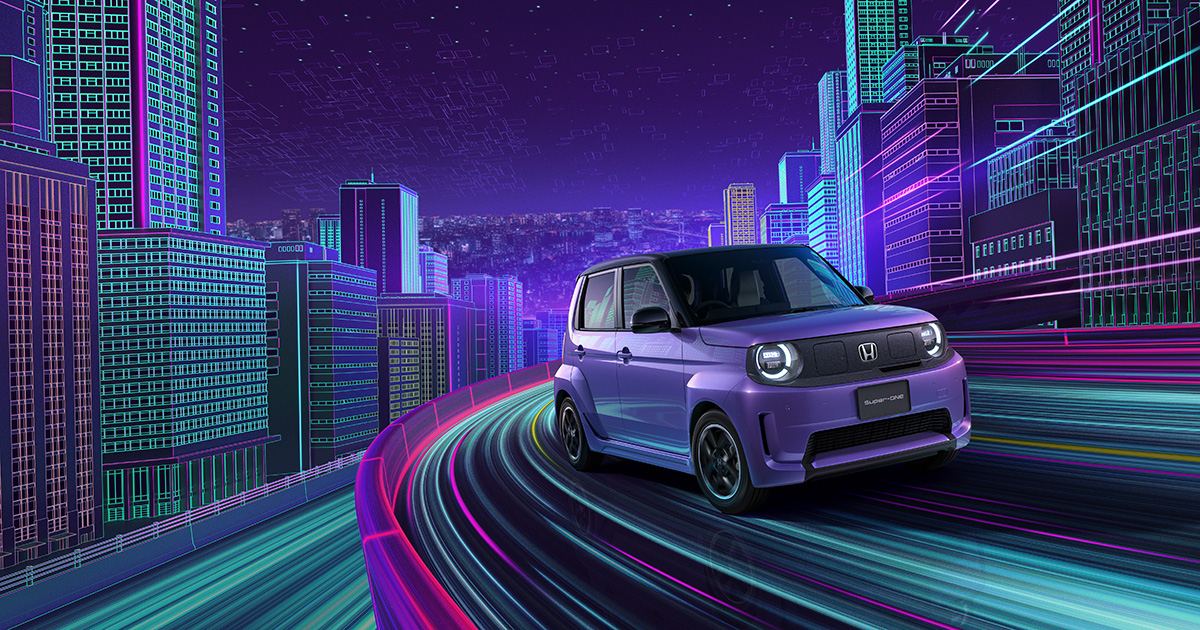
Honda's Super-ONE Compact EV Looks Like a Tiny Throwback, but the Strategy Is Modern
Honda has opened the playbook on its new Super-ONE compact EV for Japan, pairing a lightweight city-car format with a claimed 274 km of range and a more playful take on everyday electric driving.
Photo: Honda
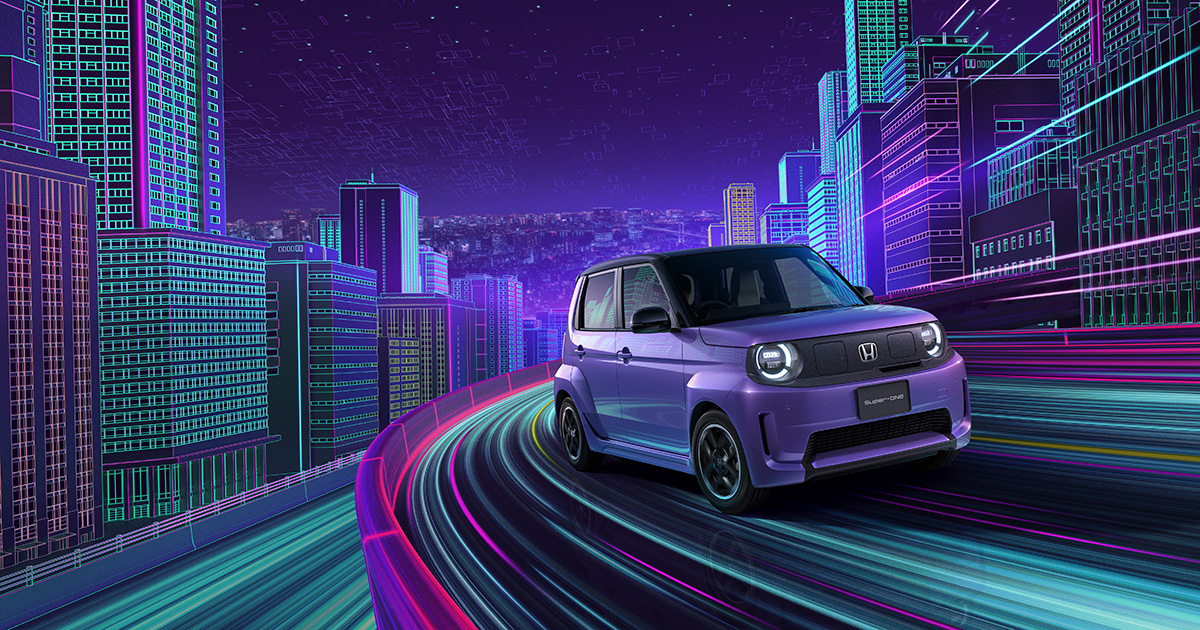
Honda’s new Super-ONE is one of those EVs that makes you stop scrolling because it doesn’t look like every other rounded-off electric crossover. It is small, upright, a little retro, and unapologetically city-sized, which already gives it more personality than most mainstream EV launches.
But the bigger story is not just the shape. On April 10, Honda said it will begin taking pre-orders in Japan on April 16, with sales starting in late May 2026. That gives the Super-ONE a quick path from reveal to showroom, and it also shows Honda is still willing to bet on small, purpose-built EVs even after trimming back parts of its broader electric strategy earlier this year.
A Small EV With Real Intent
According to Honda, the Super-ONE was designed to make everyday mobility feel lighter, simpler, and more enjoyable. That sounds like standard launch copy until you look at the specs Honda is emphasizing.
The company says the Super-ONE targets a WLTC range of 274 km (170 miles), which is not a road-trip number, but it makes plenty of sense for the kind of urban and suburban driving this car is built for. More interestingly, Honda is leaning hard on efficiency and low mass. The Super-ONE is being pitched at roughly 1,090 kg, making it unusually light by modern EV standards.
That matters because a lighter EV usually feels more natural and less overburdened in everyday driving. It can also make better use of a modest battery pack instead of chasing range with more cells, more weight, and a higher price.
Honda Is Trying to Make EVs Feel Fun Again
One of the more unusual details around the Super-ONE is Honda’s focus on driving character rather than just screen size or software tricks. Reporting around the launch says the car features a BOOST mode, with power output temporarily increasing from 47 kW to 70 kW.
That is not hot-hatch territory, obviously, but in a lightweight city car it could be enough to make the Super-ONE feel more responsive and playful than the average budget EV. Honda seems to understand that small cars do not need to be boring, and that may be the smartest thing about this launch.
A lot of entry-level EVs end up feeling like appliances first and cars second. The Super-ONE appears to be aiming for something a little more cheerful, which fits Honda’s best small-car tradition better than a sterile efficiency exercise would.
Why This Matters for Honda
Honda has had a choppy EV narrative lately. The company has some ambitious long-term plans, but it has also had to adjust near-term programs and rethink how quickly some products should move. In that context, the Super-ONE feels refreshingly concrete.
It is not a halo car. It is not a giant SUV loaded with future-tech promises. It is a compact production EV for Japan, arriving soon, with a clear use case and a believable mission.
That matters because smaller EVs remain one of the industry’s toughest challenges. Automakers love to talk about affordable electric mobility, but the economics are brutal, especially when consumers still expect decent range, useful equipment, and a price that does not drift too close to larger vehicles.
Honda’s answer here seems to be straightforward: keep the vehicle light, keep the footprint tight, and make the experience charming enough that buyers want it for what it is instead of comparing it to a bigger crossover.
The Motorlinks Take
I really like this direction. Not because the Super-ONE is going to transform the North American market, because it probably won’t, but because it shows Honda still knows how to build around a clear idea.
A compact EV does not need to pretend it can do everything. If it is easy to park, efficient, light on its feet, and genuinely pleasant to drive, that is already a strong formula in crowded cities. The 274 km WLTC figure will limit its appeal outside that mission, but Honda does not seem confused about what this car is for.
The real question now is whether Honda can keep the Super-ONE affordable enough to matter and whether this kind of lightweight, characterful EV philosophy spreads beyond Japan. If it does, the Super-ONE could end up being more important than its size suggests.