Hyundai Launches IONIQ Brand in China With Venus and Earth EV Concepts
Hyundai has officially launched the IONIQ lineup brand in China, using two new concept cars, Venus and Earth, to preview a more localized EV strategy for the world's toughest new-energy market.
Photo: Hyundai
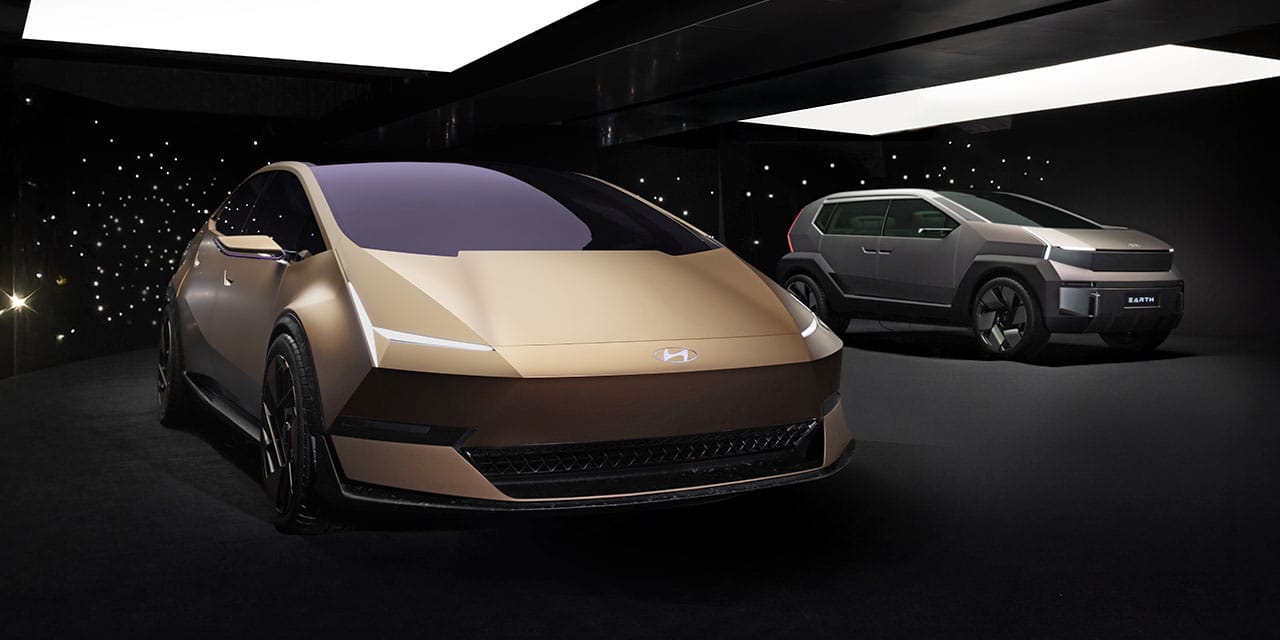
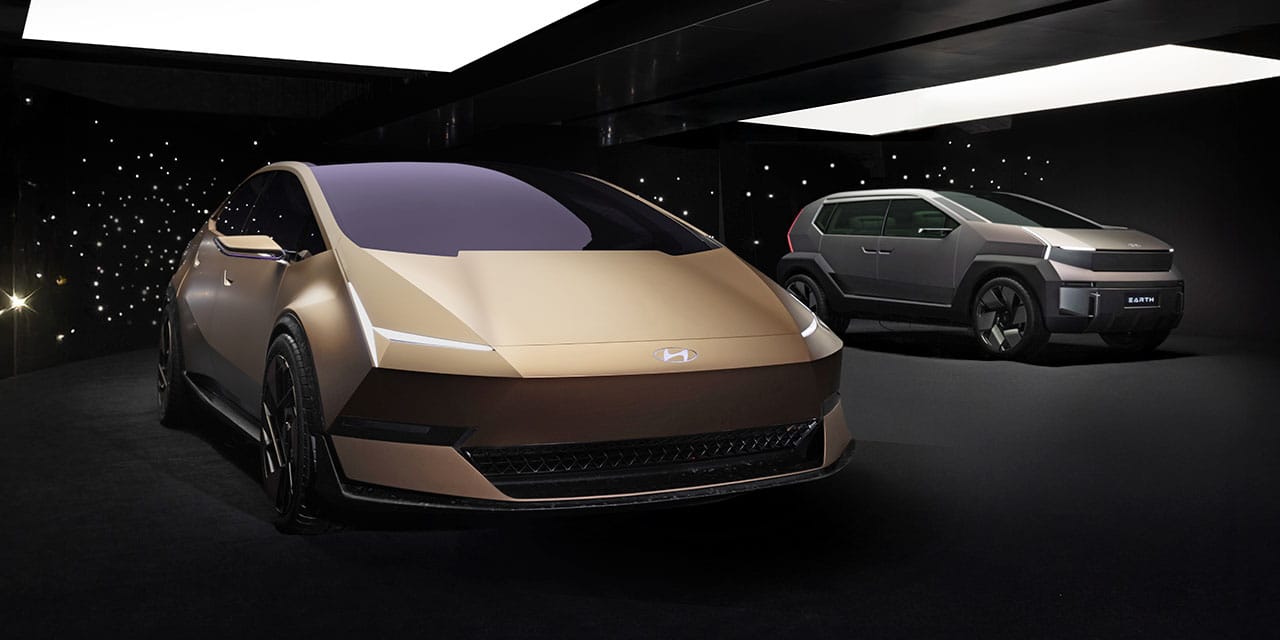
Hyundai has officially launched the IONIQ lineup brand in China, and it is doing it with a much clearer message than the usual concept-car fluff. At an IONIQ brand event in Beijing ahead of Auto China 2026, Hyundai unveiled two China-developed EV concepts, the VENUS Concept sedan and the EARTH Concept family SUV, while laying out a more localized plan for the market that matters most in global EV competition.
That matters because China is not just another regional EV battleground. It is the market where legacy global brands have been losing ground fastest to domestic players that move quicker on software, cabin tech, pricing, and product cadence. Hyundai is effectively admitting that a global one-size-fits-all EV strategy is not enough there.
Two Concepts, One Reset
The two concepts are meant to be more than styling exercises. Hyundai says the VENUS and EARTH projects are the first real outputs of its new China strategy and a design barometer for future IONIQ production models aimed at Chinese buyers.
The VENUS Concept is the dramatic one, a low sedan finished in what Hyundai calls Radiant Gold, with a lightweight roof structure, transparent spoiler, and a clean one-curve silhouette. The EARTH Concept takes the opposite approach, leaning into family-SUV practicality with a chunkier shape, skid plates, exposed-bolt details, and a calmer, lounge-style interior.
It’s easy to dismiss that kind of language as auto-show poetry, but the bigger point is more interesting: Hyundai is trying to give IONIQ a distinct China-specific identity rather than simply rebadging its existing global EV playbook.
Hyundai’s China Strategy Is the Real Story
The launch was paired with a broader strategy presentation from Beijing Hyundai, and that is where this announcement gets more serious. Hyundai says future China-market IONIQ models will use a planet-based naming convention, with each vehicle positioned around the customer as the center of a new IONIQ “universe.” That’s marketing, sure, but it signals that the brand wants a dedicated identity for China rather than treating the market as an export destination for IONIQ 5 and IONIQ 6 derivatives.
More importantly, Hyundai said its China-market IONIQ lineup will lean on localized technologies, services, and user experiences. The company specifically highlighted smart driving systems developed with local partners, more advanced smart-cabin expectations, and even market-specific powertrain solutions such as extended-range electric vehicles (EREVs).
That last point stands out. EREVs have become a huge part of the Chinese market because they offer EV-like daily driving with easier long-distance usability and fewer infrastructure compromises. If Hyundai is now openly embracing that format for China, it suggests the company is willing to be more pragmatic there than in some Western markets where the messaging has stayed more purely battery-electric.
Why This Matters Beyond Beijing
Hyundai’s IONIQ brand already has global credibility. The IONIQ 5, IONIQ 6, and now IONIQ 9 have given the company real EV legitimacy, and the performance side has been boosted further by the IONIQ 5 N and the newly crowned 2026 World Performance Car, the IONIQ 6 N.
But China is a different challenge. Buyers there expect fast software development, slick in-car interfaces, and products that feel designed for local tastes rather than adapted after the fact. That’s exactly where many established automakers have struggled.
So this announcement is less about whether the VENUS or EARTH concepts make production unchanged, because they won’t, and more about whether Hyundai can actually translate this localized strategy into competitive showroom metal at the right price, with the right tech, on the right timeline.
Hyundai says production models are coming soon and that they will combine the brand’s usual safety and quality standards with the smart-driving and smart-cabin features Chinese consumers now expect. The next big checkpoint is April 24 at Auto China 2026, where Hyundai plans to reveal more details.
The Motorlinks Take
This feels like Hyundai making a necessary adjustment rather than a flashy detour. The company has already proven it can build excellent EVs for global markets. What it has not yet proven is that it can win in China with the same confidence.
Launching IONIQ as a more localized China-market brand is a sensible move, and the willingness to talk openly about local partnerships and EREV solutions suggests Hyundai understands how much the market has changed. The concept cars themselves are striking, especially the VENUS sedan, but the real test will be what lands in production after the lights go down in Beijing.
If Hyundai gets the software, pricing, and product timing right, this could be the start of a more credible China comeback. If not, the VENUS and EARTH concepts will be remembered as stylish evidence that Hyundai knew the problem, but still moved too slowly.