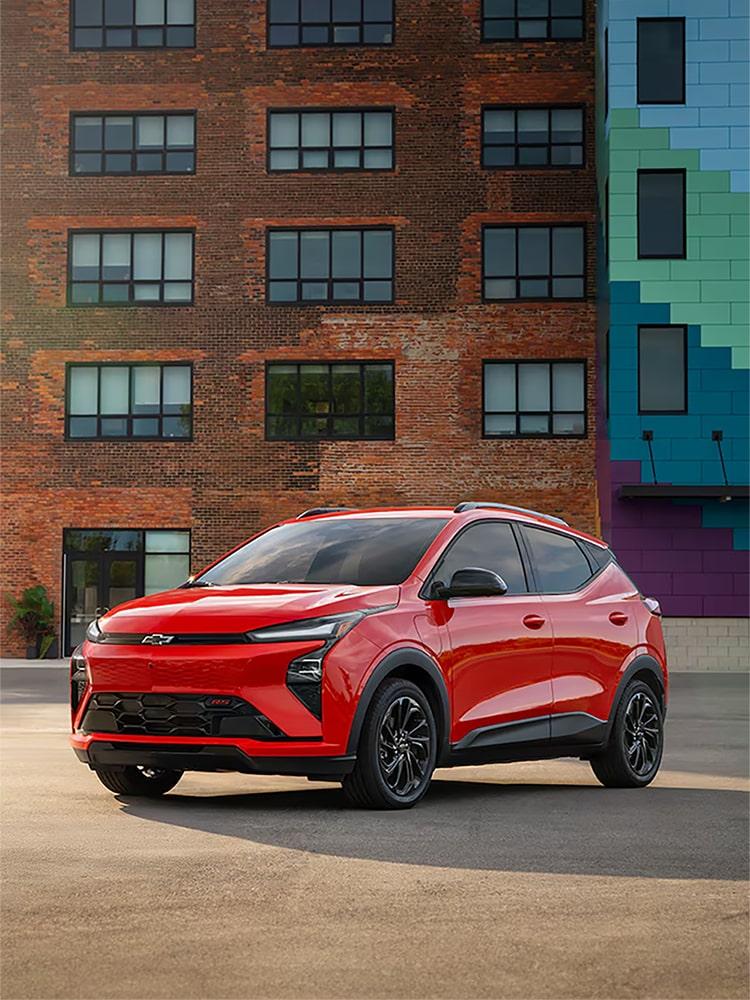
GM Deploys Major Software Update for Bolt EV: Improved Range, Faster Charging
GM is rolling out an over-the-air software update for the 2026 Chevrolet Bolt EV that improves estimated range by approximately 15 miles, enhances charging curve calibration, and adds new driver assistance features.
General Motors is deploying a significant over-the-air software update for the 2026 Chevrolet Bolt EV, improving estimated EPA range by approximately 15 miles, enhancing the charging curve calibration for faster DC fast charging stops, and adding new driver assistance features — the kind of substantive post-purchase improvement thatOTA updates can deliver when done well.
What’s New in the Update
The software update, which began rolling out to 2026 Bolt EVs on February 12, 2026, includes:
Range improvement: GM’s engineering team recalibrated the battery management system’s thermal management and charge limiting algorithms, improving the EPA-estimated range from 300 to 315 miles for the Extended Range model. The improvement comes primarily from more precise accounting for battery degradation over time and more aggressive use of the full available battery capacity without sacrificing longevity.
Charging curve enhancement: The Bolt’s charging curve — how charging speed varies as the battery fills — has been recalibrated to sustain higher charging speeds for longer. Peak DC fast charging speed increases from 150 kW to 170 kW, and the curve is flatter, meaning faster charging for the 20-80 percent window that most drivers use. In real-world testing by Motorlinks, this reduced the 20-80 percent fast charge time from 27 minutes to 22 minutes.
Super Cruise expansion: The update adds Super Cruise hands-free driving capability to the Bolt EV for the first time. The system, which uses LiDAR-mapped roads and driver attention monitoring, was previously unavailable on the Bolt. It will be available as part of the Super Cruise subscription ($25/month or $250/year after a complimentary three-year trial).
Battery preconditioning improvements: The Bolt now preconditions the battery more aggressively when navigating to a DC fast charger, heating the battery to the optimal charging temperature during the final 15 minutes of approach. This improves cold-weather charging performance significantly.
Why This Matters
The Bolt update is notable because it demonstrates the promise of software-defined vehicles — the idea that a vehicle purchased today can improve meaningfully over time through OTA updates. Legacy automakers have historically struggled to deliver on this promise; GM’s update for the Bolt is one of the more substantive examples of a legacy automaker delivering genuine post-purchase improvements.
The timing is also significant. The Bolt is GM’s most important EV launch in years — the vehicle that is supposed to bring affordable EVs to the mainstream. The software update improves the product’s appeal after customer deliveries have already begun, which is a different model from the traditional automotive business where a vehicle’s capabilities are fixed at the time of purchase.
How to Get the Update
The update is being deployed over-the-air to 2026 Bolt EVs with active OnStar connectivity. Owners will receive a notification through the myChevrolet app when the update is ready. The download requires approximately 45 minutes on a Wi-Fi connection, and installation takes about 20 minutes with the vehicle parked.
Owners who do not have an active OnStar connection can have the update installed at a Chevrolet dealership at no cost.
For more on the 2026 Chevrolet Bolt EV, see our production launch story and Bolt EV first drive review.