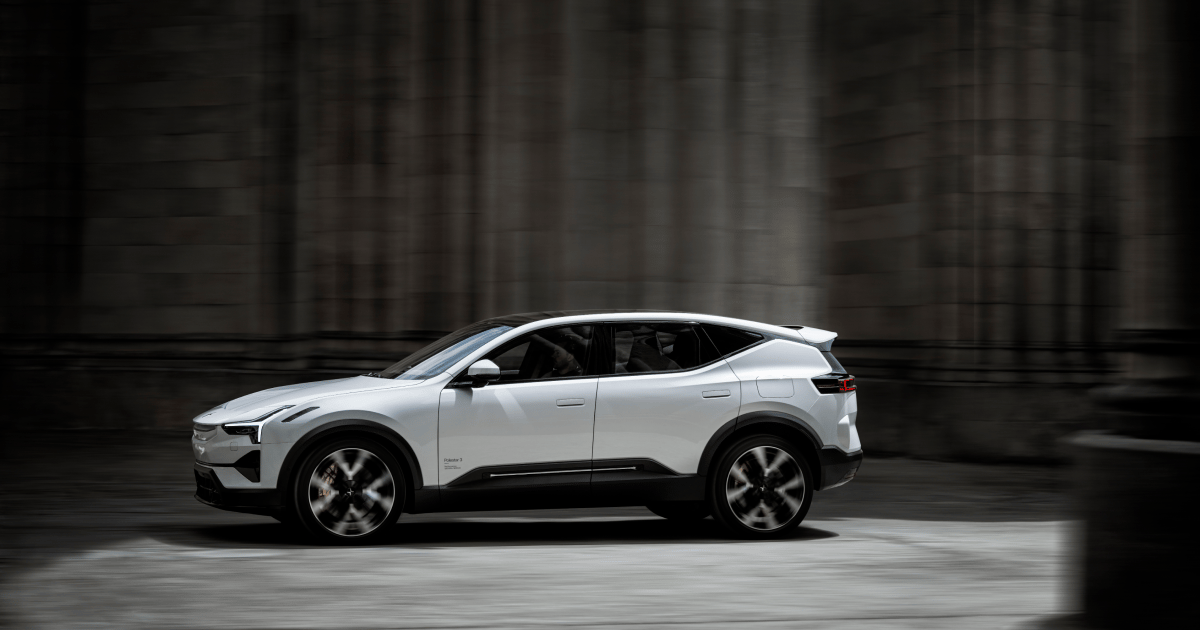
2026 Polestar 3 in Canada: What $105,000 Buys After the 800V Upgrade
The upgraded Polestar 3 now starts at $105,000 in Canada. Here is what its 800V system, 350-kW charging, extra power and tariff-hit price mean for buyers.
The upgraded Polestar 3 is finally on sale in Canada, and it arrives with two numbers that pull in opposite directions: 350 kW and $105,000.
The first is the maximum DC charging rate enabled by its new 800-volt electrical architecture. The second is the starting MSRP for the Dual motor version, up from the previous model’s $96,000 starting point. The Performance model now costs $120,000 MSRP.
This is more than a routine model-year shuffle. Polestar has changed the battery architecture, motors, charging hardware and core computer while keeping the familiar body. It is also a clear example of how Canadian auto tariffs can land directly on a showroom price: the Polestar 3 is built in South Carolina, and Canada continues to apply counter-tariffs to U.S.-origin vehicles under its current auto-tariff framework.
The important buyer question is whether the underlying upgrade is substantial enough to justify the new price.
Quick Verdict
The Polestar 3 Dual motor is the version to consider. Its 544 hp, 502-km preliminary EPA range, 22-minute charging claim and standard premium equipment make it the more balanced choice. The $15,000 jump to Performance buys 680 hp, a 3.9-second sprint to 100 km/h and active air suspension, but range falls to 452 km.
Buy it if a quick, distinctive, five-seat luxury EV is the goal and the household can use high-power 800V chargers on regular road-trip routes. The new electrical system meaningfully improves the vehicle; this is not a cosmetic refresh.
Wait or compare alternatives if value, seven-seat capacity, dealer proximity or consistent charging performance on older 400V equipment matters more. At $105,000 before freight and options, the Polestar 3 has moved beyond the point where impressive specifications alone settle the decision.
The short answer is a much better Polestar 3 at a much harder Canadian price.
Upgraded Polestar 3 exterior and interior gallery
14
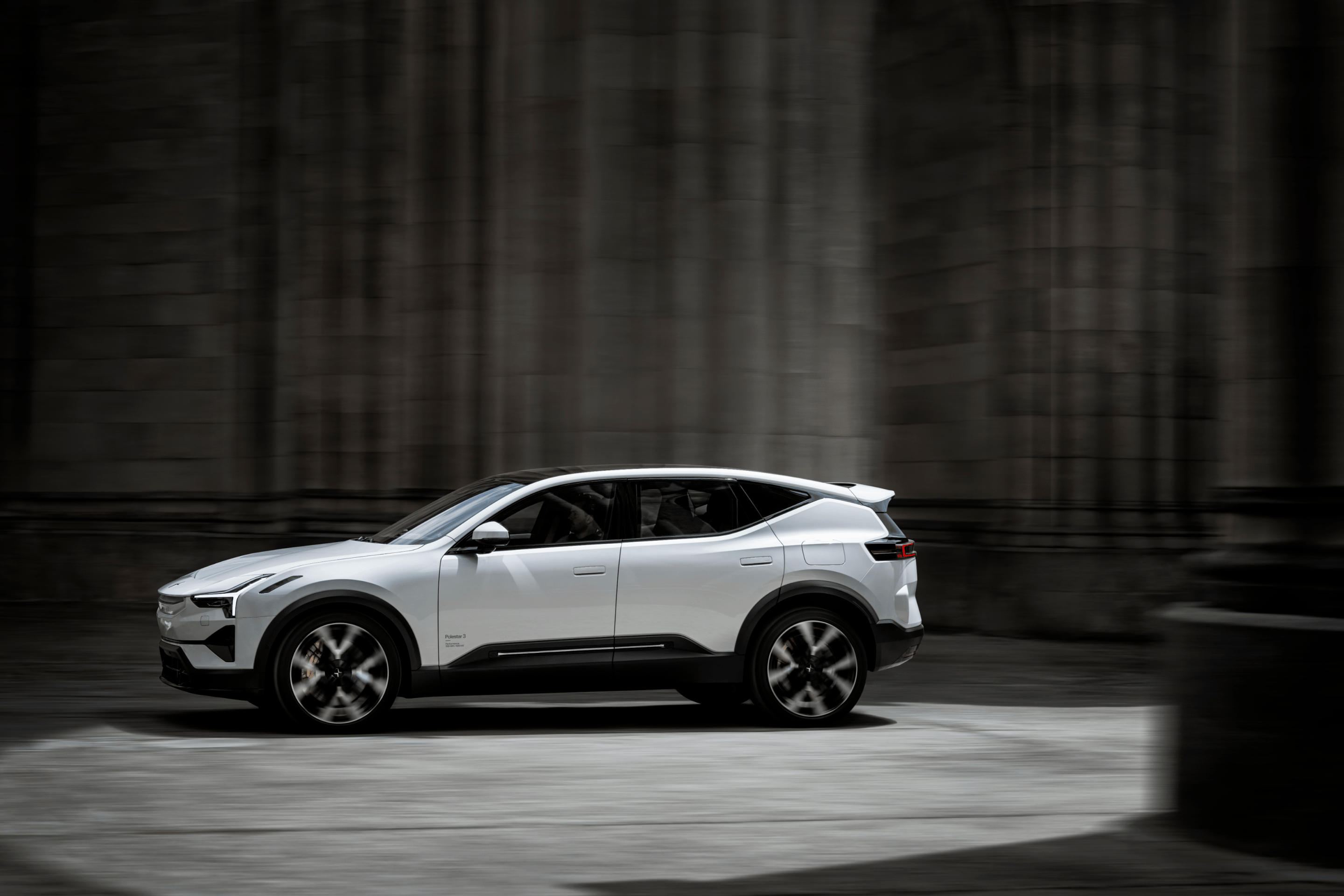
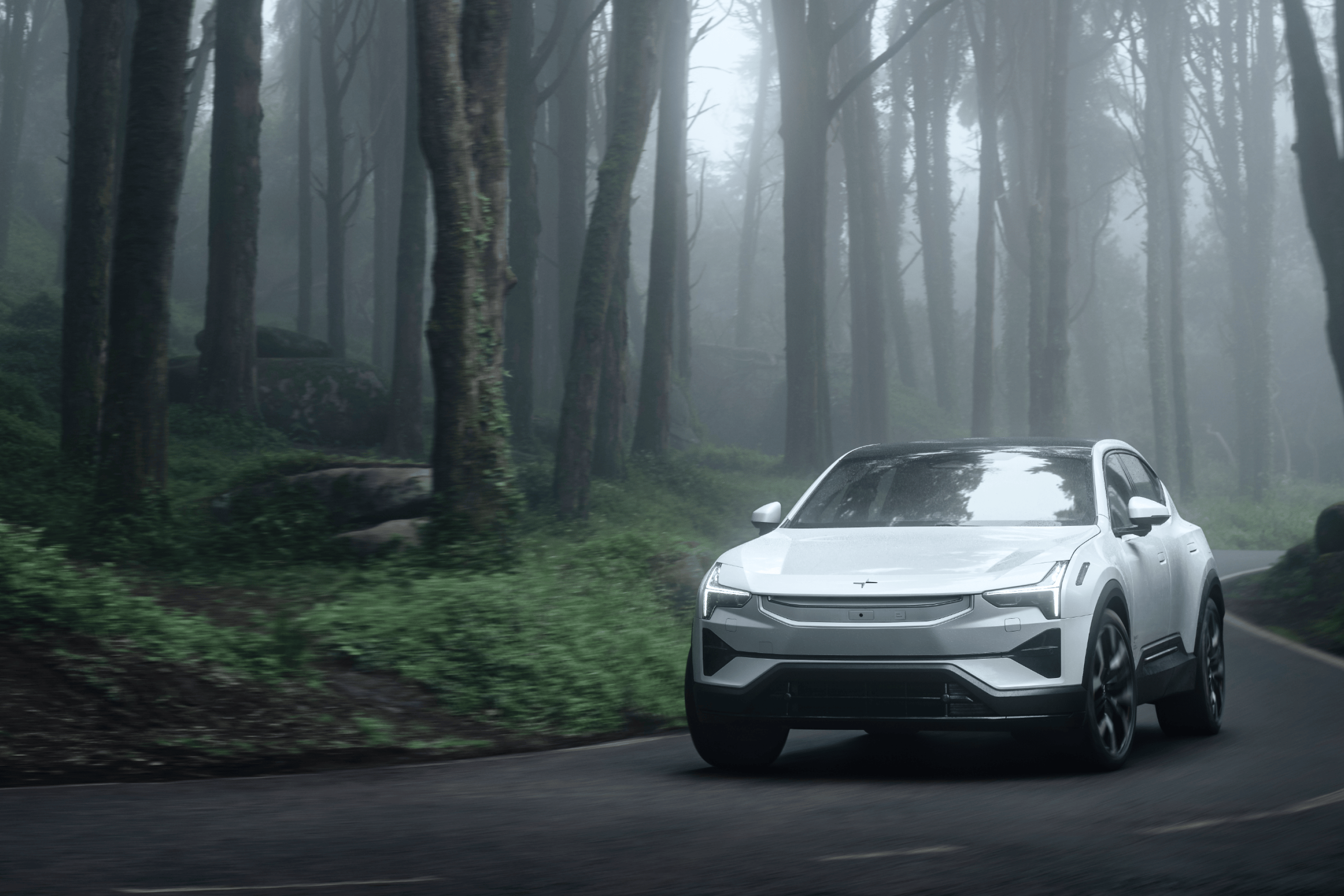
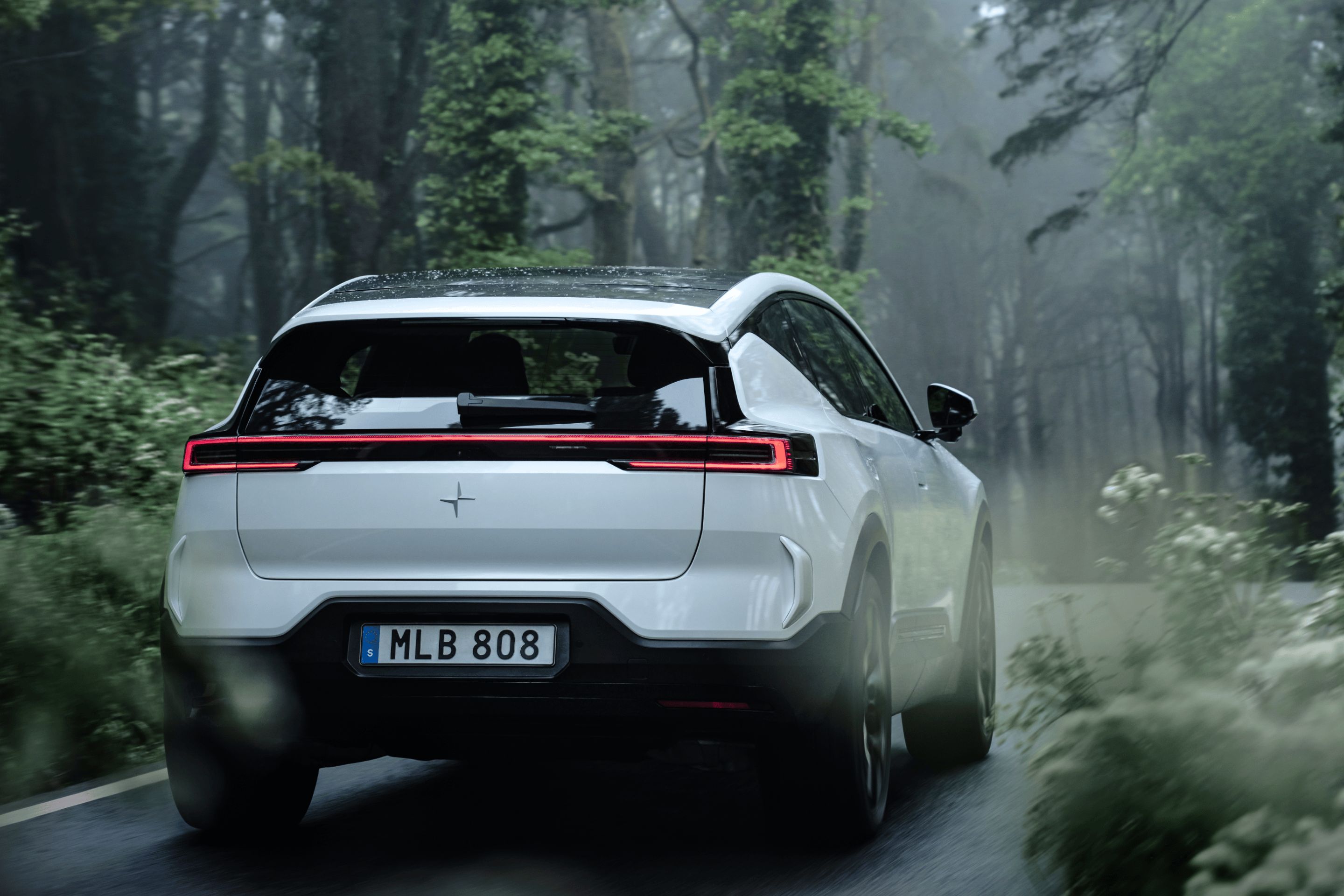
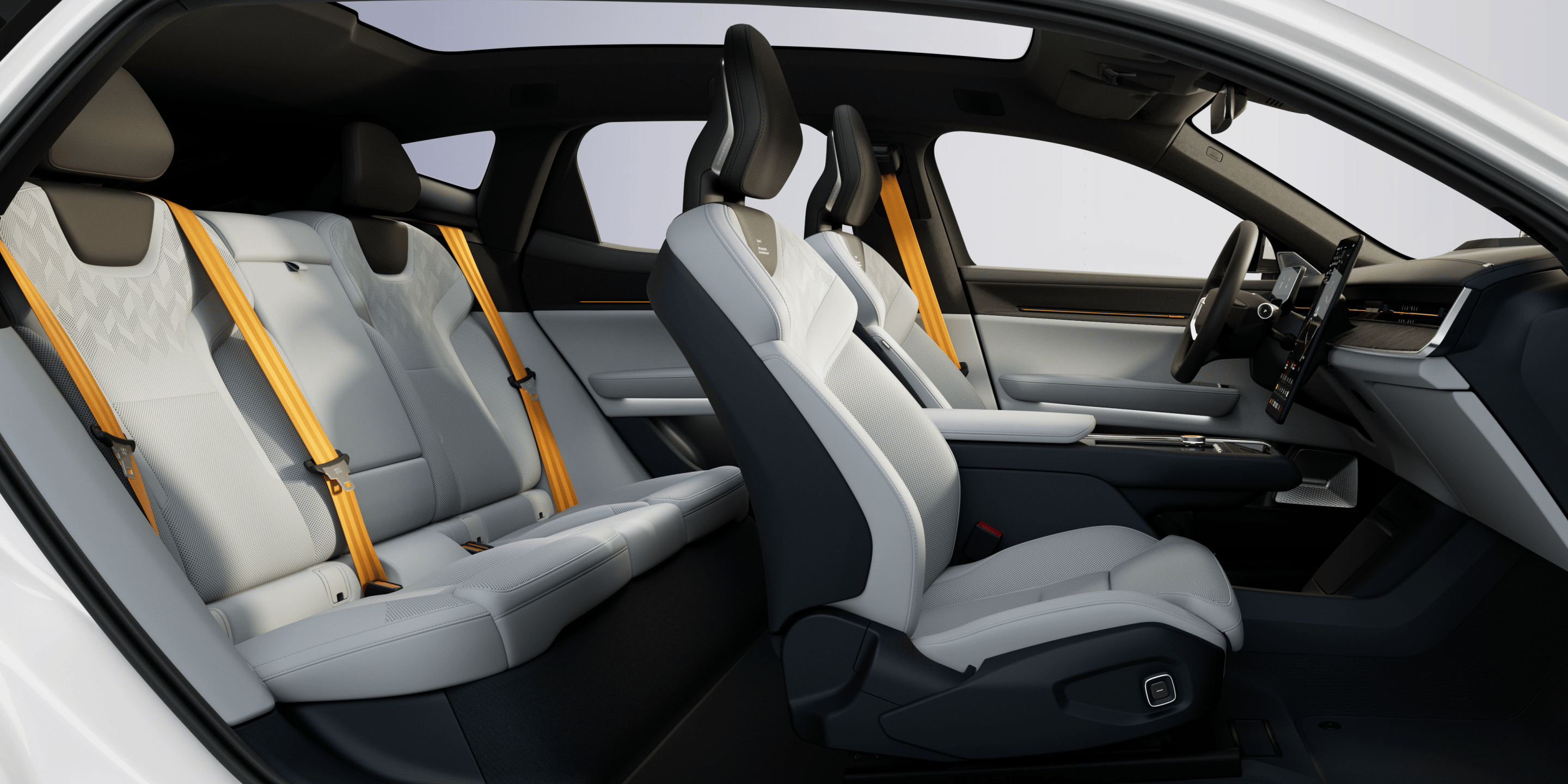
The 2026 upgrade is concentrated under the skin. The low-roofed, two-row body remains recognizably Polestar 3. Image: Polestar.
Canada Specification Snapshot
| Item | Polestar 3 Dual motor | Polestar 3 Performance |
|---|---|---|
| MSRP | $105,000 before freight, taxes and options | $120,000 before freight, taxes and options |
| Drive layout | Dual-motor all-wheel drive | Dual-motor all-wheel drive |
| Power | 544 hp / 400 kW | 680 hp / 500 kW |
| Torque | 740 Nm | 870 Nm |
| 0-100 km/h | 4.7 seconds | 3.9 seconds |
| Preliminary EPA range | 502 km | 452 km |
| Battery | 106 kWh, 800V, 16 modules | 106 kWh, 800V, 16 modules |
| Peak DC charging | 350 kW on suitable 800V equipment | 350 kW on suitable 800V equipment |
| 10-80% DC charging | 22 minutes at 350 kW; 32 minutes at 120 kW | 22 minutes at 350 kW; 32 minutes at 120 kW |
| AC charging | 11 kW; about 10 hours from 0-100% | 11 kW; about 10 hours from 0-100% |
| Towing capacity | Up to 2,200 kg | Up to 2,200 kg |
| Chassis | Passive dampers and coil springs | Dual-chamber active air suspension |
| Best fit | Range-focused luxury performance buyer | Buyer prioritizing acceleration and chassis hardware |
The 800V Upgrade Is The Real Story
An 800V architecture allows an EV to move the same power with less current than a lower-voltage system. In practical terms, that can reduce heat, support lighter cabling and make very high charging rates easier to sustain when the battery and charger are ready.
Polestar lists a 350-kW maximum and a 22-minute charge from 10% to 80% on suitable 800V equipment. The previous architecture topped out at 250 kW, so the new version removes a genuine weakness in an expensive, long-distance electric SUV.
There is an important Canadian caveat hidden behind the headline number. Polestar’s own technical page lists only 120 kW on 400V equipment, with the 10% to 80% time stretching to 32 minutes. The company says the vehicle does not switch its battery between parallel and series configurations to extract a higher rate from a lower-voltage charger.
That means the route matters as much as the vehicle.
A 350-kW label on a charger does not automatically mean it can deliver the Polestar’s peak rate. The station needs suitable 800V output, the battery must be warm enough, the state of charge must be low and the charger must have power available. Cold weather, a busy shared site or an underperforming stall can all reduce the result.
Before ordering, map the chargers used on the household’s two or three most common long trips. Check the equipment, recent reliability and backup sites. The Polestar 3’s charging upgrade is excellent when paired with the right infrastructure; it is less transformative if the regular route still depends on 400V hardware.
More Power Without Sacrificing The Useful Version
The Dual motor produces 544 hp and 740 Nm, reaching 100 km/h in 4.7 seconds. That is already serious output for a 4.9-metre SUV weighing roughly 2.5 tonnes.
The Performance version raises output to 680 hp and 870 Nm and cuts the sprint to 3.9 seconds. It also adds Polestar-specific chassis tuning, dual-chamber active air suspension, 22-inch wheels and the brand’s gold detailing.
Performance is thrilling on paper, but the Dual motor is the smarter configuration for most buyers. It keeps the same 106-kWh battery and 350-kW charging ceiling while gaining 50 km of preliminary EPA range over the Performance model. Its 21-inch all-season tires are also a more natural starting point for Canadian use than 22-inch performance rubber.
Winter tires remain a separate budgeting item. The staggered 21- and 22-inch sizes will not be inexpensive, and buyers should price the full wheel-and-tire package before treating the MSRP as the complete cost.
Range Is Strong, Not Class-Defining
Polestar lists up to 502 km for the Dual motor and 452 km for Performance. Those are preliminary EPA figures and should not be treated as guaranteed Canadian winter distances.
The useful comparison is not whether 502 km sounds impressive in July. It is whether the vehicle can complete the household’s hardest normal winter day with a comfortable buffer. Sustained highway speed, cabin heat, wind, slush, winter tires, roof equipment and a cold-soaked battery can all reduce available range.
For most households with overnight charging, the Dual motor’s published figure provides substantial daily breathing room. On a road trip, the 22-minute charging claim matters more than squeezing out a few extra kilometres at the top of the battery. Fast, repeatable stops are what turn a large-battery EV into an easy long-distance vehicle.
The Performance model’s 452-km rating is still usable, but buyers are paying more to stop sooner. Unless its acceleration and air suspension are the point of the purchase, the Dual motor keeps the better balance.
The Price Increase Is Bigger Than The Technology Story
The previous Polestar 3 started at $96,000 in Canada. The upgraded Dual motor is $105,000, a $9,000 increase before freight. Polestar’s Canadian page lists freight and delivery separately, so a complete quote will be higher again before sales tax and any options.
Canadian counter-tariffs are part of the explanation. The federal government says a 25% surtax remains in place for covered U.S.-origin vehicles, with the exact treatment depending on CUSMA origin rules, vehicle content and any remission available to the importer. The Polestar 3 is assembled in South Carolina, putting it directly in the trade-policy conversation.
That does not mean a simple 25% calculation can be applied to MSRP. Vehicle pricing also reflects equipment, exchange rates, logistics, product positioning and the manufacturer’s own margin decisions. The defensible conclusion is narrower: Polestar’s Canadian price has risen at the same time the U.S.-built model faces tariff pressure, and the company has paired that increase with a deep technical upgrade.
At this price there is no federal EV affordability incentive to soften the bill. Buyers should compare full cash, finance and lease quotes, including luxury tax where applicable, freight, paint, winter wheels, insurance and the cost of reaching an authorized service point.
It Is A Five-Seat Performance SUV, Not A Family Bus
The Polestar 3 has two rows and five seats. Its rear storage area holds 484 litres to the rear seat backs, including 90 litres below the floor, or 597 litres when measured to the roof. Folding the rear seats increases capacity to 1,411 litres. A small 23.8-litre front compartment adds cable storage.
That packaging suits a couple or family that wants generous rear-seat space without carrying an unused third row. It is not a substitute for a true six- or seven-seat SUV.
The cabin leans heavily into software and screens. A 14.5-inch centre display runs Polestar’s Google-based interface, while a 9-inch driver display keeps important information in front of the wheel. Wireless Apple CarPlay and Android Auto are listed, and the Plus equipment brings a head-up display plus a 25-speaker Bowers & Wilkins system.
No MotorLinks conclusion here is based on a road test. The sensible pre-purchase check is to spend time with the actual interface, rear-seat access, cargo opening and visibility. A premium specification sheet cannot reveal whether the screen logic or low-roofed driving position suits a particular household.
The Ownership Checks Matter More At $105,000
Polestar lists a four-year/80,000-km vehicle warranty and an eight-year/160,000-km battery warranty. The battery coverage includes repair or replacement if state of health falls below 70% within that term, subject to the warranty conditions.
Service location is the bigger practical question. Polestar’s Canadian network is much smaller than the dealer footprint of established luxury brands. Buyers should check:
- distance to the nearest authorized service point
- expected transport or towing arrangements
- local collision-repair capability
- insurance cost for the exact trim and wheel size
- availability and price of winter wheels and tires
- charging hardware on regular highway routes
A striking lease payment or strong specification can lose its shine if every service visit becomes a long-distance logistics problem.
Who Should Buy Each Version?
Choose the Polestar 3 Dual motor if:
- 502 km of preliminary range gives the right winter buffer
- 544 hp is already more than enough
- suitable 800V charging exists on regular long-distance routes
- five seats are sufficient
- the smaller 21-inch wheels and lower price are preferable
Choose the Polestar 3 Performance if:
- the 3.9-second acceleration is central to the purchase
- active air suspension and Polestar chassis tuning matter
- the $15,000 premium and 50-km range reduction are acceptable
- a separate Canadian winter wheel-and-tire setup is already in the budget
Look elsewhere if:
- six or seven seats are required
- purchase value matters more than power
- local service access is limited
- most highway charging will be on 400V equipment
- the final price crosses a household’s comfort line once taxes and ownership costs are included
Bottom Line
The upgraded Polestar 3 is technically convincing. Moving to 800V, raising peak charging to 350 kW, fitting new motors and installing a faster core computer addresses the parts of the vehicle that age fastest in the EV market.
The Canadian price is harder to celebrate. $105,000 is a serious starting point for a five-seat SUV, and tariff pressure makes the value equation less forgiving.
The Dual motor remains the clear pick. It delivers nearly all the useful performance, the strongest range and the same charging hardware for $15,000 less than Performance. Buyers who can exploit its 800V capability will receive a meaningfully better road-trip EV. Everyone else should treat the 350-kW headline as a prompt to inspect their charging routes before signing.
FAQ
How much does the upgraded Polestar 3 cost in Canada?
Polestar Canada lists the Dual motor at $105,000 MSRP and the Performance version at $120,000 MSRP, before freight, taxes and options.
How fast can the 2026 Polestar 3 charge?
Polestar lists up to 350 kW on a suitable 800V charger and a 22-minute 10% to 80% time. On 400V equipment, Polestar lists a 120-kW maximum and a 32-minute time under its stated conditions.
What is the range of the 2026 Polestar 3?
The preliminary EPA estimates are 502 km for the Dual motor and 452 km for Performance. Real range varies with temperature, speed, tires, load and other conditions.
Should Canadians buy the upgraded Polestar 3?
Consider it if a fast, premium five-seat EV and 800V road-trip charging are priorities. Compare alternatives if three-row seating, a broader service network or maximum value matters more.
Sources
- Polestar Canada: Polestar 3 specifications, pricing, range and charging
- Polestar Canada: Polestar 3 overview
- Polestar Canada: 800V and 400V charging support notes
- Government of Canada: current automobile tariff measures
- The Car Guide: upgraded Polestar 3 Canadian pricing and delivery timing