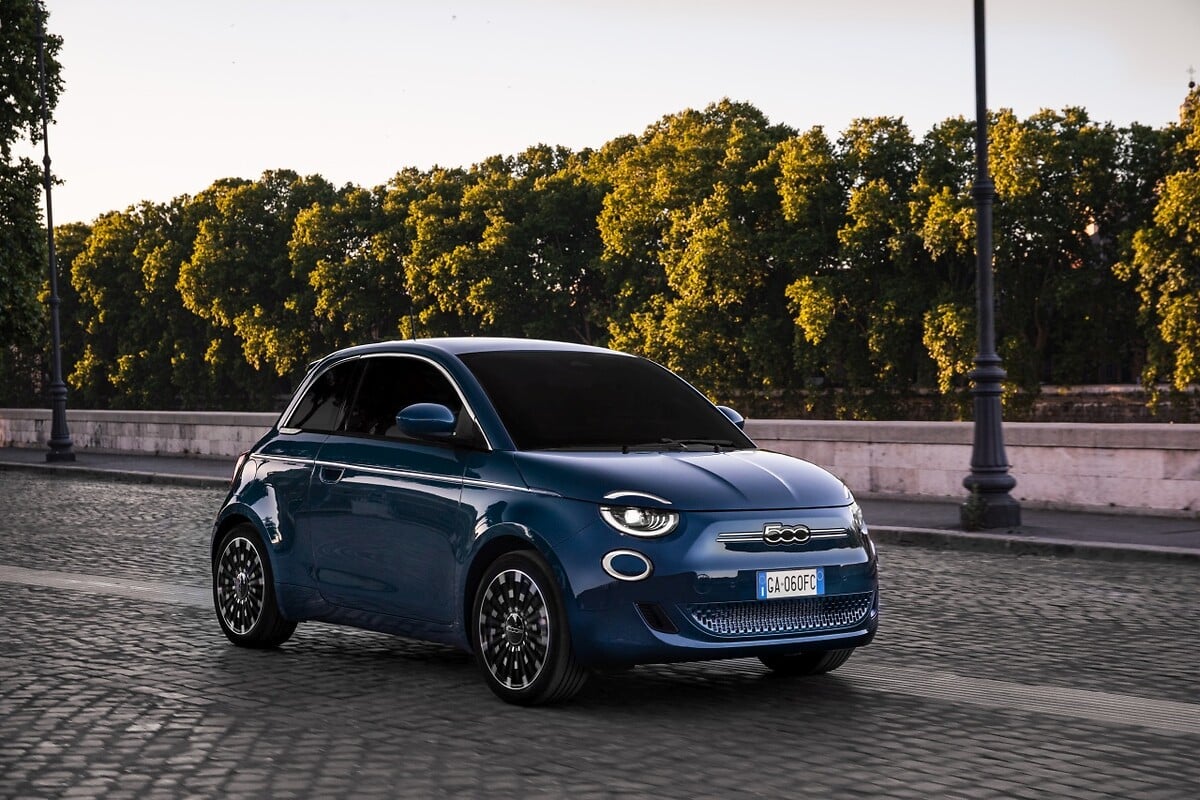
Fiat 500e UK Buyer Guide: Skip the £17,245 Headline Car for the 42-kWh Icon
The Fiat 500e now starts at £17,245 after the UK Electric Car Grant, but the 42-kWh Icon adds much more range and faster charging for £3,000.
The Fiat 500e now starts at £17,245 on the road in the UK, a price that makes the electric city car cheaper than the new £18,995 Fiat 500 Hybrid. That is a compelling headline, but it is not automatically the version to buy.
The entry model combines Icon trim with a 24-kWh battery, 95 hp, 118 miles of WLTP range, and 50-kW DC charging. Spend another £3,000 and the 42-kWh Icon raises output to 118 hp, stretches the official range to as much as 199 miles, and increases peak fast-charging power to 85 kW.
That larger-battery model is the sweet spot. The £20,245 Fiat 500e Icon 42 kWh costs 17 per cent more than the headline car, yet offers up to 69 per cent more rated range. For most buyers, that is a much more useful upgrade than stepping from Icon to the equipment-rich La Prima.
Quick Verdict
Buy the 42-kWh Icon hatchback if the 500e will be your only car or needs to handle trips beyond town. Its extra range, higher charging power, and stronger motor justify the £3,000 premium.
Buy the 24-kWh Icon only for a predictable urban routine with reliable charging at home or work. It is charming, well equipped, and genuinely inexpensive, but 118 WLTP miles leaves limited motorway and winter buffer.
Buy La Prima if heated seats, extra driver assistance, premium audio, and a more lavish cabin matter more than value. It uses the same battery and motor as the cheaper 42-kWh Icon.
Buy the convertible because an electric fabric-roof city car is exactly what you want. It is a lifestyle choice, not the rational value pick.
| Version | Price After Grant | Battery / Power | WLTP Range | DC Charging |
|---|---|---|---|---|
| Icon hatchback | £17,245 | 24 kWh / 95 hp | 118 miles | 50 kW |
| Icon hatchback | £20,245 | 42 kWh / 118 hp | 186-199 miles | 85 kW |
| La Prima hatchback | £23,245 | 42 kWh / 118 hp | 186-199 miles | 85 kW |
| Icon convertible | £23,245 | 42 kWh / 118 hp | 186-199 miles | 85 kW |
| La Prima convertible | £26,245 | 42 kWh / 118 hp | 186-199 miles | 85 kW |
What Changed: The Full £3,750 Grant Now Applies
Fiat confirmed on July 17 that every 500e variant qualifies for the UK Government’s Band 1 Electric Car Grant. The maximum £3,750 discount comes off at the point of sale; buyers do not submit a separate application.
The latest government eligibility list includes both the Fiat 500e and 500e Urban Range in Band 1. Eligible cars must satisfy requirements covering zero tailpipe emissions, at least 100 miles of battery range, vehicle and battery warranties, and sustainability criteria.
This grant lands on top of Fiat’s January price reset. Before the government discount, the 500e range begins at £20,995 rather than the £25,035 starting point used before Fiat’s 2026 reduction. The result is a small EV that finally has pricing as compact as its footprint.
The caveat is that grant eligibility and the listed amount can change. Buyers should make sure a written order shows the grant, exact derivative, on-the-road price, optional paint, and any dealer fees rather than comparing monthly payments alone.
Why the 42-kWh Icon Is Worth £3,000 More
The battery upgrade changes the car more than the modest price gap suggests.
The 24-kWh version is rated for 118 miles on the WLTP combined cycle. Cold weather, sustained motorway speed, cabin heating, and a wet road will all reduce actual range. A driver who wants a comfortable reserve rather than arriving near zero will use only part of that headline figure.
The 42-kWh battery delivers 186 to 199 WLTP miles, depending on configuration. That is still not a long-range touring EV, but it opens up far more useful day trips and makes an unplanned detour less stressful. It also gives owners more flexibility to charge when electricity is cheap rather than whenever the small battery happens to be low.
Charging hardware improves as well. The entry car peaks at 50 kW on DC power, while the 42-kWh model accepts up to 85 kW. Fiat lists a zero-to-80-per-cent time of 30 minutes for the smaller battery and 35 minutes for the larger one under suitable conditions. Similar stop times disguise the important difference: the long-range car is taking on considerably more energy.
Both versions include an 11-kW onboard AC charger. On a compatible three-phase supply, Fiat quotes a full charge in two hours 30 minutes for the 24-kWh model and four hours 15 minutes for the 42-kWh model. A typical UK single-phase home wallbox will run below 11 kW, so overnight charging remains the realistic pattern for many owners.
The larger battery also brings the 118-hp motor, compared with 95 hp in the urban-range car. Zero to 62 mph improves only slightly, from 9.5 to 9.0 seconds, but the stronger specification is a better match for a car expected to leave the city regularly.
Fiat 500e official exterior and charging images
13
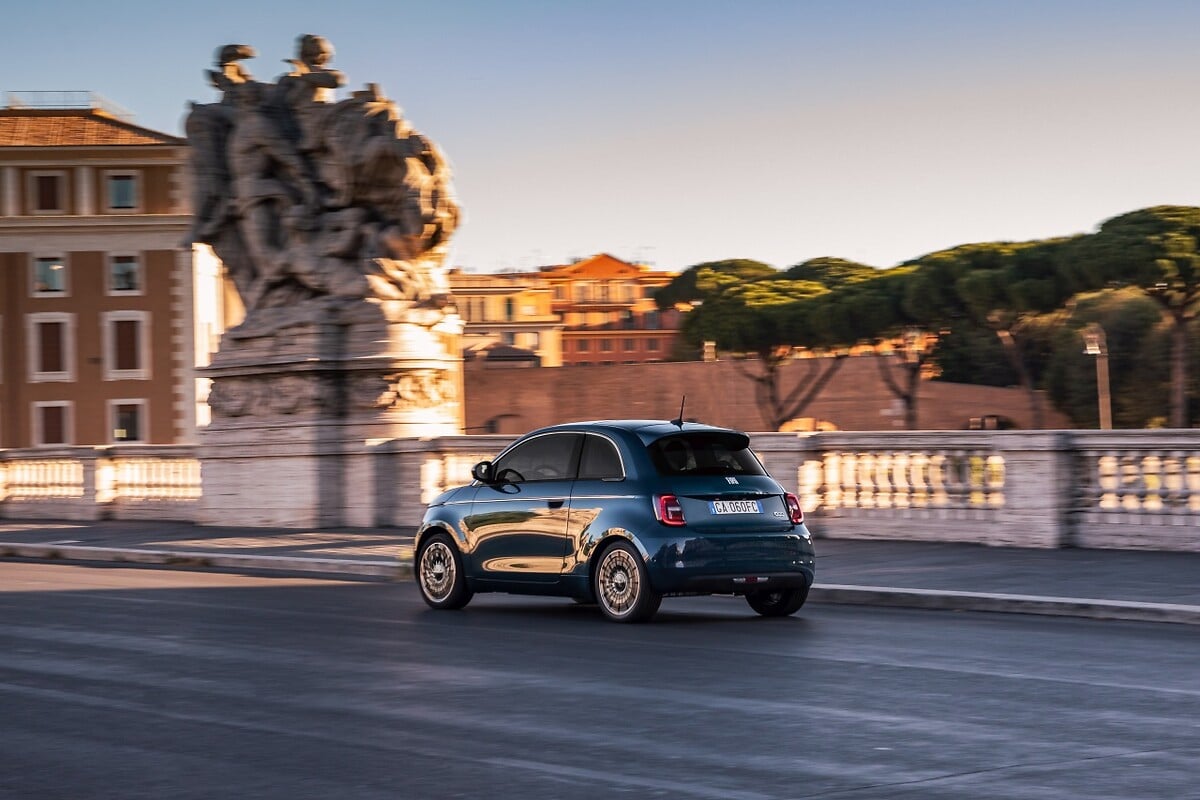
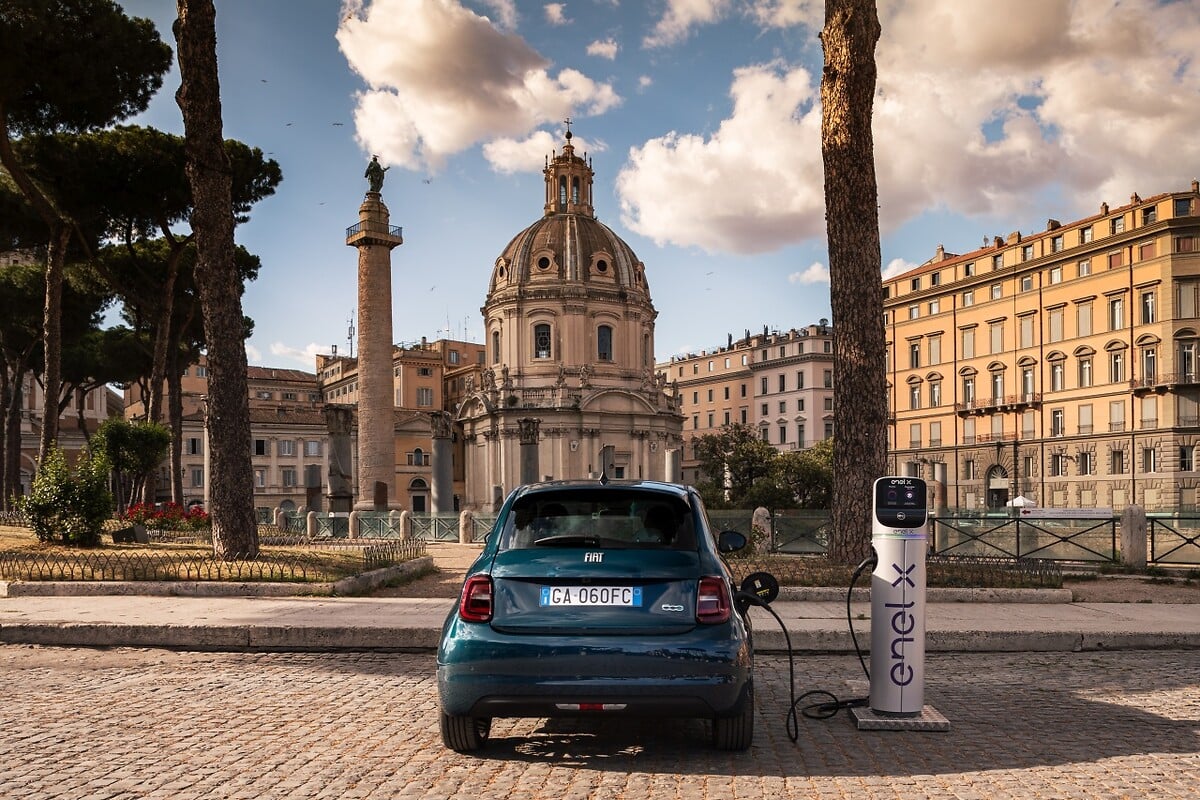
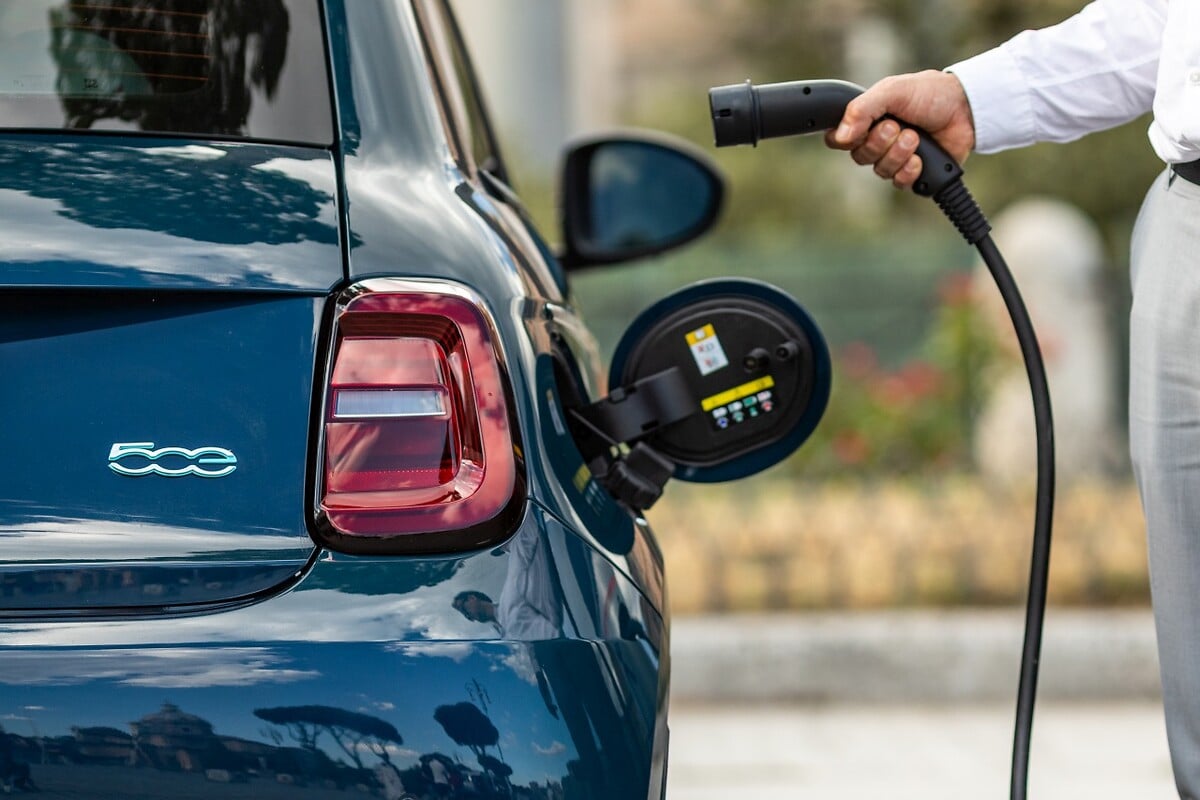
The 500e's tiny footprint and three-door body suit dense streets, but the 42-kWh battery makes travel beyond the city more realistic. Image: Fiat.
When the £17,245 Version Makes Sense
The small-battery 500e is not a bad car. It is a focused one.
Its ideal use is a regular local loop: school runs, commuting, errands, and railway-station trips, followed by charging at home. A 24-kWh battery is lighter and requires less electricity to fill. Owners who rarely drive more than 40 or 50 miles in a day may never benefit from carrying the larger pack.
The entry Icon is not presented as a penalty-box specification. Fiat lists 16-inch alloy wheels, LED headlights, a 10.25-inch touchscreen, wireless Apple CarPlay and Android Auto, rear parking sensors, automatic climate control, cruise control, and a complete set of core safety systems.
Its limitations are packaging and flexibility. The 500e is a compact three-door car with four seats, so rear access and luggage space cannot match a conventional five-door supermini. Add the short-range battery, and the cheapest version becomes a specialist city tool rather than a convincing one-car household solution.
Choose it when the routine is known and the charging plan is solid. Do not choose it simply because the grant makes the monthly payment look attractive.
Is La Prima Worth Another £3,000?
The La Prima hatchback costs £23,245 after the grant, £3,000 more than the 42-kWh Icon. Unlike the battery upgrade, that step does not add range, charging speed, or performance.
Instead, La Prima adds the comfort and technology layer: 17-inch wheels, heated front seats and windscreen area, a panoramic glass roof on the hatchback, JBL audio, a 360-degree parking system, wireless phone charging, blind-spot monitoring, and Level 2 driver-assistance features including adaptive cruise control and lane centring.
That equipment can make the cabin feel more special, and heated seats are useful in an EV because they warm occupants directly. Even so, the Icon already covers the essentials. A value-focused buyer should put the first £3,000 into the 42-kWh battery and stop there.
The convertible creates a different decision. Its Icon version costs the same £23,245 as the La Prima hatchback, while the La Prima convertible reaches £26,245. Buyers are paying for the sliding fabric roof and the experience it creates. There is no spreadsheet argument that needs to pretend otherwise.
How It Sits Against the Cheapest UK EVs
The grant price improves the Fiat’s position, but it does not make it the cheapest electric car in Britain.
The Leapmotor T03 starts at £12,995 after Leapmotor’s own £3,000 promotional grant. It brings five doors, a 37.3-kWh battery, 165 miles of WLTP range, a panoramic roof, adaptive cruise control, and a 10.1-inch screen. That is a formidable amount of hardware for £4,250 less than the entry Fiat.
The Fiat counters with more distinctive design, an established European dealer presence through Stellantis, and a cabin that feels less like a pure budget exercise. Buyers should still compare insurance, finance cost, warranty support, and a real dealer quote. A lower list price does not guarantee the lowest total cost.
At the other side sits the Renault 5 E-Tech, now starting at £21,495 after its grant. Its entry 40-kWh version has five doors, 120 hp, a 192-mile WLTP rating, 11-kW AC charging, and up to 80-kW DC charging. It is larger and more useful as a household car, while costing only £1,250 more than the 42-kWh Fiat Icon.
That makes the decision unusually clear:
- Choose the T03 for the lowest purchase price and strong equipment.
- Choose the 500e 24 kWh for style and genuinely short urban duty.
- Choose the 500e 42 kWh when the Fiat’s compact size and character are priorities but the car must travel farther.
- Choose the Renault 5 for five-door practicality and a more rounded one-car solution.
The broader affordable-EV field is moving quickly. Our look at the Renault 5, Volkswagen ID. Polo, and MG GO shows how much more competitive Europe’s small-electric-car market has become.
Which Fiat 500e Should UK Buyers Order?
For most buyers, the answer is the 42-kWh Icon hatchback at £20,245 after the grant. It keeps the attractive 500e shape and useful standard equipment while fixing the entry model’s biggest constraint.
The £17,245 car is appealing precisely because it is uncompromised about being a city EV. In the right household, with another vehicle available for long trips, it could be all the electric car required. As a sole vehicle, its range and three-door packaging demand too many explanations.
La Prima is the indulgent upgrade and the convertible is the emotional one. Neither is poor value for someone who actively wants its features, but neither changes the basic capability of the long-range drivetrain.
The grant has made the 500e relevant again. The trick is to spend enough to unlock the version that fits real life, then resist climbing further up the price list just because the discount creates room in the budget.
FAQ
How much is the Fiat 500e after the UK Electric Car Grant?
The 24-kWh Fiat 500e Icon starts at £17,245 after the £3,750 Band 1 grant. The 42-kWh Icon is £20,245. The 42-kWh La Prima hatchback and Icon convertible each cost £23,245, while the La Prima convertible is £26,245.
Which Fiat 500e version is the best value?
The 42-kWh Icon is the best value for most buyers. It costs £3,000 more than the 24-kWh Icon but increases WLTP range from 118 miles to as much as 199 miles, raises DC charging power from 50 to 85 kW, and adds the 118-hp motor.
Is the 24-kWh Fiat 500e enough for motorway driving?
It can use motorways, but its 118-mile WLTP rating leaves limited reserve after accounting for speed, weather, heating, and a sensible arrival buffer. Choose it for mostly local use with dependable charging; choose the 42-kWh model for regular longer trips.
Is the Fiat 500e cheaper than the Renault 5 and Leapmotor T03?
The £17,245 entry Fiat sits between the £12,995 Leapmotor T03 and £21,495 Renault 5. The T03 is cheaper and has a longer official range than the small-battery Fiat, while the Renault 5 is larger, has five doors, and offers more range.