Rivian R1 Offers After the July 2026 Deals Expired
Historical U.S. Rivian July 2026 financing and lease analysis. The July order and August delivery deadlines have passed; this is not a current offer.
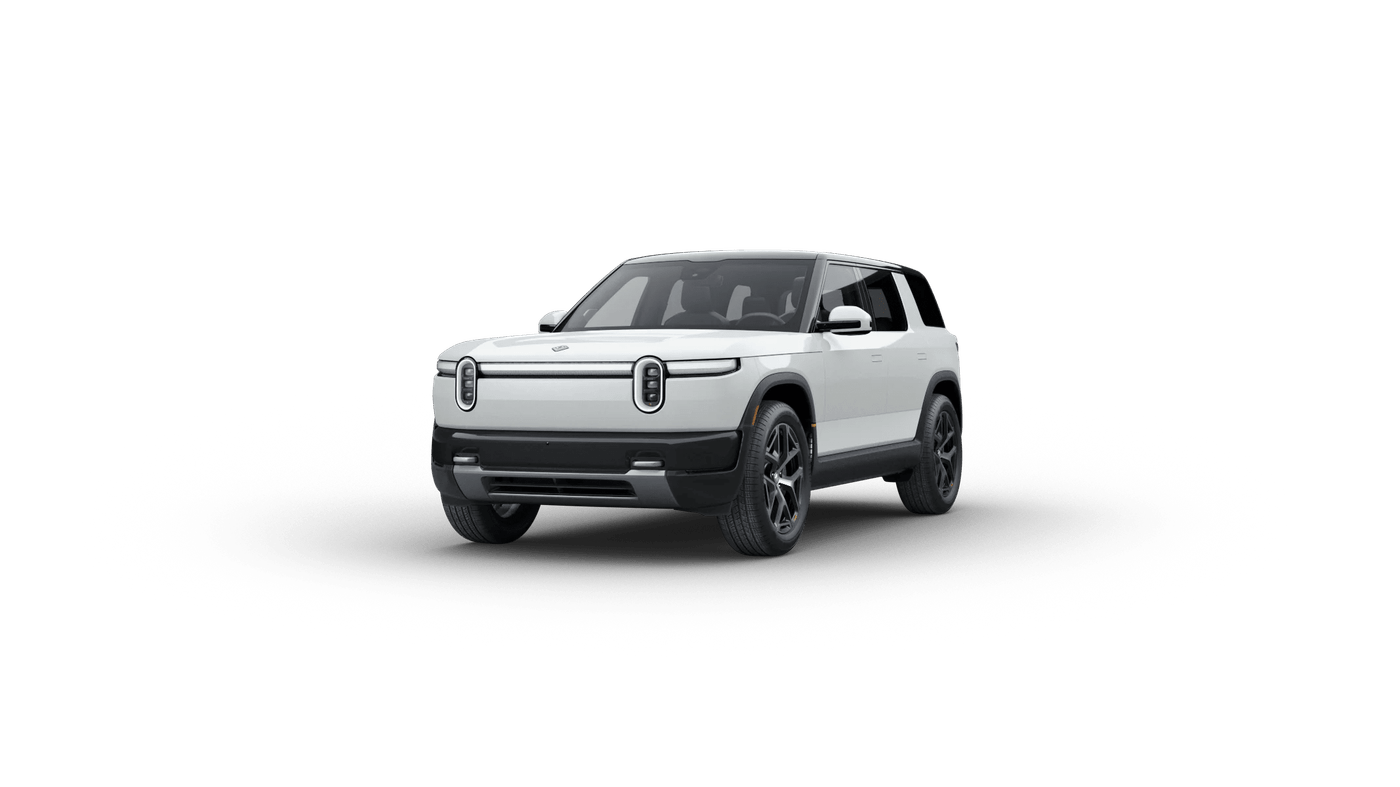
Photo: Rivian
Rivian’s July offers make the R1S and R1T look a little more approachable, but they do not make them simple impulse buys.
This is an archive of July 2026 U.S. promotions, not an offer available on October 19. The retrieved July APR metadata supports 1.99% for 60 months on selected Dual Performance Large/Max builds; lease metadata supports a conditional $3,000 contribution on selected Tri and Dual Performance leases, with July approval and August 31 delivery deadlines. Treat a 2.99% rate, a $500 event credit or a sample payment as incomplete unless the offer sheet names the trim, term and deadline.
That is real movement. It also comes at an interesting moment. Rivian is trying to keep its expensive R1 lineup moving while the smaller R2 becomes the brand’s broader-volume story. For shoppers, the question is not just “is this a good deal?” It is “does a discounted R1 fit my life better than waiting for the cheaper Rivian?”
Historical July Verdict — Offers Expired
Buy an R1S or R1T in July if you already wanted the big Rivian, qualify for the advertised terms, and can use the capability: seven-seat SUV packaging, pickup utility, higher towing numbers, long-range battery options, air suspension, and a more premium adventure-vehicle feel.
Do not buy one just because the offer exists. These are still expensive EVs. Rivian’s own July examples put R1 lease payments well above mainstream electric-SUV territory, and the best APR or lease contribution applies only to specific builds, buyers, states, and deadlines.
Wait for R2 if the original appeal was a smaller, simpler, less expensive Rivian. The R2 will not tow or haul like an R1, and early launch trims are not bargain-basement cheap, but it is the cleaner fit for shoppers who want Rivian design without R1 size or R1 payments.
Canadian shoppers should treat these July R1 offers as a U.S. market signal, not a Canadian deal sheet. Rivian’s offer language is U.S.-specific, and Canadian buyers need to verify local pricing, financing, delivery timing, service access, taxes, and incentive status separately.
Rivian’s July R1 Offer Snapshot
| Offer | Applies To | Key Terms | Buyer Read |
|---|---|---|---|
| 1.99% APR | New 2026 R1 Tri Max and Dual Performance builds with Large or Max battery | Historical selected Dual Performance APR metadata recovered; Tri scope not fully reverified. August deadline expired. | Nice extra money, but not a reason by itself to rush an $80,000-plus vehicle decision. |
Rivian R1 and R2 buyer-guide gallery
11
The R2 changes the shopping question because it promises the Rivian personality in a smaller, less expensive package.
What The 1.99% APR Really Says
Do not treat it as proof of a 1.99% APR for every U.S. Tri configuration.
The historical offer required July approval and delivery by August 31, 2026. Those deadlines have passed.
The financing structure is the reality check. A low APR can save money compared with a normal high-rate premium-vehicle loan, but it does not turn an R1 into an affordable EV. It makes the most sense for buyers who already wanted a higher-output R1 and were waiting for financing support.
If you were stretching to reach an R1 before this offer, the rate should not be the thing that pushes you over the edge. Insurance, tires, accessories, charging setup, taxes, registration, and depreciation still matter.
The Lease Bonus Is Cleaner For Some Buyers
The July lease contribution is arguably the more interesting offer because it fits the uncertainty around premium EV resale.
Recovered lease metadata supports the conditional $3,000 contribution on selected 24- or 36-month 2026 R1 leases.
That is not cheap. But a lease can be sensible if you want the R1 experience now and do not want to own the long-term value question while Rivian rolls out R2, updates software, changes battery packaging, and keeps tuning its lineup.
The catch is that leases are sensitive to mileage, state availability, fees, credit approval, and the exact vehicle. Rivian also says the offer is U.S.-only and available only in selected states.
R1S Or R1T: Which Deal Makes More Sense?
The R1S is the family play. It gives Rivian buyers three rows, a premium SUV cabin, strong all-weather traction, and enough range for serious road trips when configured correctly. Rivian’s homepage footnotes list up to 410 miles of EPA-estimated range for the R1S Dual with Max Battery on 22-inch wheels, and its current lease examples start the R1S Dual Large at $83,990 before taxes and fees.
The R1T is the utility play. Rivian lists the R1T Dual Large from $79,990 before taxes and fees, and its homepage footnotes list up to 420 miles of EPA-estimated range for the R1T Dual with Max Battery on 22-inch wheels. Rivian’s towing support page also lists Gen 2 R1T Max-battery configurations at up to 11,000 pounds of towing capacity, while Gen 2 R1S configurations are listed at up to 7,700 pounds.
That makes the decision pretty clean:
- Choose R1S if you need seats, enclosed cargo space, and a premium family-adventure SUV.
- Choose R1T if you actually need a truck bed, towing, gear storage, and the more specialized adventure-pickup format.
- Skip both if you mostly want a stylish two-row EV for commuting, errands, and weekend trips. That is where R2 starts to make more sense.
The R2 Shadow Is The Whole Story
Rivian’s R1 offers cannot be judged in isolation because the R2 now exists as a real ordering decision.
Rivian’s R2 page lists the Performance Launch version from $57,990, with 330 miles of EPA-estimated range, 656 hp, and a 3.6-second 0-60 mph time. It also lists a Premium version from $53,990 for late 2026, plus Standard versions from $48,490 in 2027 and roughly $44,990 later in 2027.
That pricing spread is why the R1 deal question is so personal. A discounted R1 is still usually tens of thousands of dollars above the R2’s intended lane. The R1 gives you more vehicle, more capability, and more status inside Rivian’s lineup. The R2 gives you the more rational household fit if you do not need the extra size.
This is where shoppers need to be honest. If the dream is camping gear, bikes, towing, trailheads, snow, dogs, kids, and space, the R1 may be the Rivian that actually does the job. If the dream is a distinctive electric SUV that is easier to park and easier to finance, wait for R2 or keep your reservation alive.
MotorLinks covered that lower-cost choice in our Rivian R2 trim guide. The short version still applies: the early R2 Performance Launch Package is exciting, but Premium and Standard are where the value story gets sharper.
What To Check Before Signing
Rivian’s July offers are specific enough that shoppers should slow down and verify the paperwork line by line.
Start with eligibility. The best APR and lease contribution apply to selected trims and batteries. A Quad, a non-Performance Dual build, or a vehicle outside the delivery window may not get the offer you saw first.
Then compare finance versus lease. A low APR helps if you plan to keep the vehicle and are comfortable with long-term depreciation. A lease can help if you want R1 capability now but expect R2, future R1 updates, or the broader EV market to change quickly.
Finally, map charging and service. Rivian says its current vehicles have a NACS charge port and access to more than 50,000 chargers, including compatible Tesla Superchargers. That is good news, but local ownership still depends on home charging, road-trip routes, and service proximity.
For Canadian readers, add a bigger filter. These U.S. offers do not answer Canadian pricing or incentive questions. If you are shopping north of the border, start with the MotorLinks Canadian EV incentive guide, then confirm your province, lease terms, delivery location, and vehicle eligibility with Rivian Canada.
Historical July Conclusion — Offers Expired
Rivian’s July R1 deals are meaningful, not magical.
The 1.99% APR offer can make a higher-output R1 easier to justify for qualified buyers who already wanted one. The $3,000 lease contribution can soften the first payment on eligible leases. The $500 July sales event discount is useful extra money if you were already ready to order.
But none of this changes the core decision. The R1S and R1T are premium adventure EVs with premium payments. They are best for shoppers who need what R1 uniquely offers. The R2 is the smarter wait for shoppers who want the Rivian idea in a smaller, more affordable package.
If the July deal makes the exact R1 you wanted fit your budget, it is worth a serious look. If it only makes an expensive EV feel temporarily urgent, let the offer pass and wait for the Rivian that actually matches your driveway.
Are Rivian’s July 2026 R1 offers worth it?
These historical offers have expired. July approval/order deadlines and August delivery deadlines do not support buying on those terms now.
Which historical Rivian R1 July terms were recovered?
The retrieved metadata supports a conditional 1.99% APR on selected Dual Performance configurations and the $3,000 selected-trim lease contribution. These expired July/August terms don’t confirm any current offer; the other archived terms remain incompletely verified.
Should I buy an R1 now or wait for R2?
Buy R1 if you need the bigger SUV, pickup bed, towing capability, and more premium adventure package. Wait for R2 if you want the Rivian look and software in a smaller, less expensive two-row EV.
Do Rivian’s July R1 offers apply in Canada?
Rivian’s July offer pages describe U.S. offers. Canadian shoppers should verify local pricing, financing, delivery timing, service access, and incentive eligibility directly before treating any U.S. advertised deal as relevant.
Related Articles
- Rivian R2 Trim Guide: Should You Take the Launch Package or Wait?
- Rivian R2 vs Tesla Model Y: The EV SUV Fight Gets Real
- Rivian R1T Gen 2 Deep Dive: Everything New in the 2025 Refresh
Update, October 2026: The offers described were U.S. offers for July 2026 and have expired. Ask Rivian for a current written quote.
Why we use AI
Car news moves fast and the useful details are buried in recall filings, rate bulletins and spec sheets from around the world. AI lets a small team read all of it, so you get the numbers, the sources and the Canadian angle in one place. Every article is checked against its cited sources and reviewed by our editor before it goes up. Spot a mistake? Tell us and we'll fix it.