Toyota Canada's 70% Electrified May Shows Where Buyers Really Are
Toyota Canada says electrified vehicles made up 70% of its May 2026 sales. The useful buyer takeaway is not that Canada has gone all-electric, but that hybrids, plug-in hybrids, and Toyota's newer BEVs are now part of th
Photo: Toyota
Toyota Canada just posted one of those sales numbers that sounds like an EV headline until you read it properly.
On June 2, Toyota Canada said its May 2026 sales results included 19,403 electrified vehicles, up 50.3% year over year. That represented 70.0% of overall Toyota Canada sales for the month.
That is a huge number. It is also easy to misunderstand.
“Electrified” does not mean “battery-electric.” For Toyota, the category includes conventional hybrids, plug-in hybrids, battery-electric vehicles, and fuel-cell vehicles where applicable. So the useful takeaway is not that Canadian Toyota showrooms have suddenly become all-EV. It is that electrified powertrains have become the normal Toyota answer across mainstream products.
For Canadian shoppers, that is arguably more important than a pure-BEV victory lap.
Quick Verdict
Toyota Canada’s May result says the mainstream buyer is not rejecting electrification. The buyer is choosing the version that fits the household.
If you can charge consistently and want to stop buying gas, Toyota’s newer BEV lineup is finally more credible than the old bZ4X era. The bZ, C-HR BEV, and bZ Woodland give Toyota a clearer pure-EV story than it had even a year ago.
If charging access, winter range, road trips, or one-car-household anxiety are still real issues, Toyota’s hybrids and plug-in hybrids look like the volume answer. The RAV4 Hybrid and RAV4 Plug-in Hybrid are not side stories here. They are the reason Toyota can claim a 70% electrified mix in Canada.
The buying advice is simple: do not shop the label. Shop the use case.
Toyota Canada's electrified sales mix in official images
12
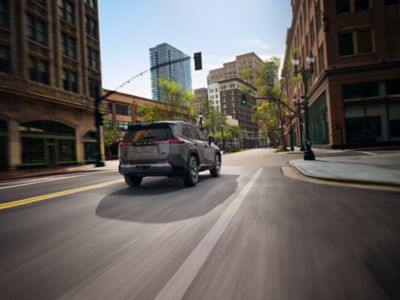
The redesigned RAV4 is the practical centre of Toyota Canada's electrified push, especially now that the regular RAV4 lineup is fully hybridized.
The May Numbers In Context
Toyota Canada reported 27,704 total vehicles sold in May 2026, up 4.0% from May 2025. Toyota division sales reached 24,633 units, up 6.7%, with electrified vehicles representing 71.0% of Toyota-brand sales.
Lexus was softer overall, but still heavily electrified. Toyota Canada’s release listed 3,071 Lexus units and said electrified vehicles represented 62.2% of Lexus sales.
The nameplate details are the more interesting part.
Toyota said the Canadian-assembled 2026 RAV4 Hybrid had its best sales month ever for the second month in a row, up 113.3% year over year. The RAV4 Plug-in Hybrid set a May record, up 277.2%. The Prius family set a record, up 70.2%. Toyota also called out a May record for the bZ, a strong second full month for the new C-HR BEV, and the start of bZ Woodland sales.
That is not one product carrying the month. It is a lineup effect.
| Signal | Toyota Canada May 2026 data | Buyer takeaway |
|---|---|---|
| Electrified mix | 19,403 electrified units, up 50.3% year over year; 70.0% of overall sales | Electrified Toyotas are now mainstream in Canada, but the category includes hybrids, PHEVs, and BEVs |
| Toyota-brand mix | 24,633 Toyota division sales, up 6.7%; electrified vehicles were 71.0% of Toyota-brand sales | The volume story is happening in core Toyota showrooms, not only premium niches |
| RAV4 Hybrid | Best sales month ever for the Canadian-assembled RAV4 Hybrid, up 113.3% year over year | The default family-SUV answer is increasingly hybrid, not gas-only |
| RAV4 Plug-in Hybrid | May sales record, up 277.2% year over year | PHEVs are still compelling for buyers who want electric commuting plus gasoline backup |
| Toyota BEVs | bZ May record, strong second full month for C-HR BEV, and bZ Woodland sales started | Toyota finally has a clearer pure-EV lineup, though it is not yet the main volume driver |
Hybrids Are Carrying The Mainstream Shift
There is a reason Toyota keeps looking better in a choppy EV market: it did not build its Canadian strategy around one kind of buyer.
The RAV4 Hybrid is the perfect example. It does not ask owners to install a charger, learn public fast-charging etiquette, or rethink winter highway trips. It just makes the best-selling compact SUV formula more efficient and keeps the ownership pattern familiar.
That sounds boring until you remember how most people buy vehicles. Familiarity wins. A hybrid RAV4 can feel like a normal family SUV with lower fuel use, not a lifestyle change.
The redesigned RAV4 also matters because the 2026 Canadian lineup has moved away from the old gas-only default. When a mainstream family SUV becomes hybrid-first, electrification stops feeling like a special-interest purchase and starts feeling like the normal dealership conversation.
That is what Toyota’s May number is really showing.
Plug-In Hybrids Still Have A Job
The RAV4 Plug-in Hybrid’s record month is just as important as the regular hybrid result.
Plug-in hybrids sit in an awkward public debate. EV purists see them as a compromise. Gas-car loyalists sometimes see them as overcomplicated. But for many Canadian households, a good PHEV is exactly the bridge that makes sense.
If you can charge at home, the RAV4 Plug-in Hybrid can cover a lot of weekday driving on electricity. If you need to drive through bad weather, rural routes, cottage-country weekends, or charger-light corridors, the gas engine is still there. That is not as clean or simple as a full EV, but it can be more usable for a one-car household.
The key is owner behaviour. A plug-in hybrid only makes sense if it gets plugged in. Used like a heavy regular hybrid, it can become an expensive way to buy extra hardware. Used properly, it can deliver a lot of electric kilometres without forcing the household into a full charging-dependent routine.
That nuance is why buyers should compare real use, not slogans.
Toyota’s BEV Story Is Finally Less Awkward
Toyota’s battery-electric story in Canada is still not as mature as Hyundai’s, Kia’s, Tesla’s, or some GM entries. But it is much less thin than it used to be.
The 2026 bZ gives Toyota a more straightforward electric SUV with NACS DC charging and more useful Canadian range figures than the old bZ4X conversation. The C-HR BEV adds a smaller, style-led electric crossover. The bZ Woodland gives Toyota an adventure-flavoured EV pitch instead of another plain appliance.
None of that erases Toyota’s hybrid-heavy strategy. It does mean Toyota can now talk about full EVs without sounding like it has one reluctant compliance answer.
That matters for Canadian buyers because brand trust and dealer access still count. Some shoppers are ready for an EV, but they also want a Toyota badge, Toyota service network, and a vehicle that feels familiar enough to justify the jump. The bZ and C-HR will not win every comparison, but they make that conversation more credible.
What Canadian Buyers Should Do With This
Start with the household job.
If you can charge every night, drive predictable routes, and want the lowest gas dependence, look seriously at a full EV. Toyota’s bZ is now worth cross-shopping against other practical electric crossovers, and the C-HR BEV may appeal if you want something smaller and sharper-looking.
If this is the only vehicle in the household, or if your driving includes winter highway trips, rural routes, towing-light utility, or unreliable charging access, a hybrid or plug-in hybrid may be the smarter electrified move. That is not a failure of EV adoption. It is a realistic read of Canada.
Then do the financial work. Check final transaction value, financing or lease terms, provincial support, insurance, winter tires, home charging cost, and eligibility details before treating any vehicle as affordable. The MotorLinks Canadian EV incentive guide is the right starting point, but the final answer always lives in the quote.
Toyota Canada’s 70% electrified May is a strong signal, but it is not a single recommendation. It says buyers are moving. It does not say they are all moving to the same place.
Does Toyota Canada’s 70% electrified number mean 70% of its vehicles were EVs?
No. Toyota Canada’s electrified category includes hybrids, plug-in hybrids, and battery-electric vehicles. The May 2026 result is a strong electrification signal, but it is not the same thing as a 70% battery-electric sales share.
Which Toyota electrified models stood out in May 2026?
Toyota Canada called out record or notable results for the RAV4 Hybrid, RAV4 Plug-in Hybrid, Prius family, bZ, C-HR BEV, bZ Woodland, Crown Signia, 4Runner Hybrid, Sienna, and several Lexus plug-in models.
Should Canadian buyers choose a Toyota EV, hybrid, or plug-in hybrid?
Choose the full EV if charging is dependable and your driving pattern fits the range. Choose a regular hybrid if you want lower fuel use without plugging in. Choose a plug-in hybrid if you can charge often but still need gasoline backup for longer or less predictable trips.