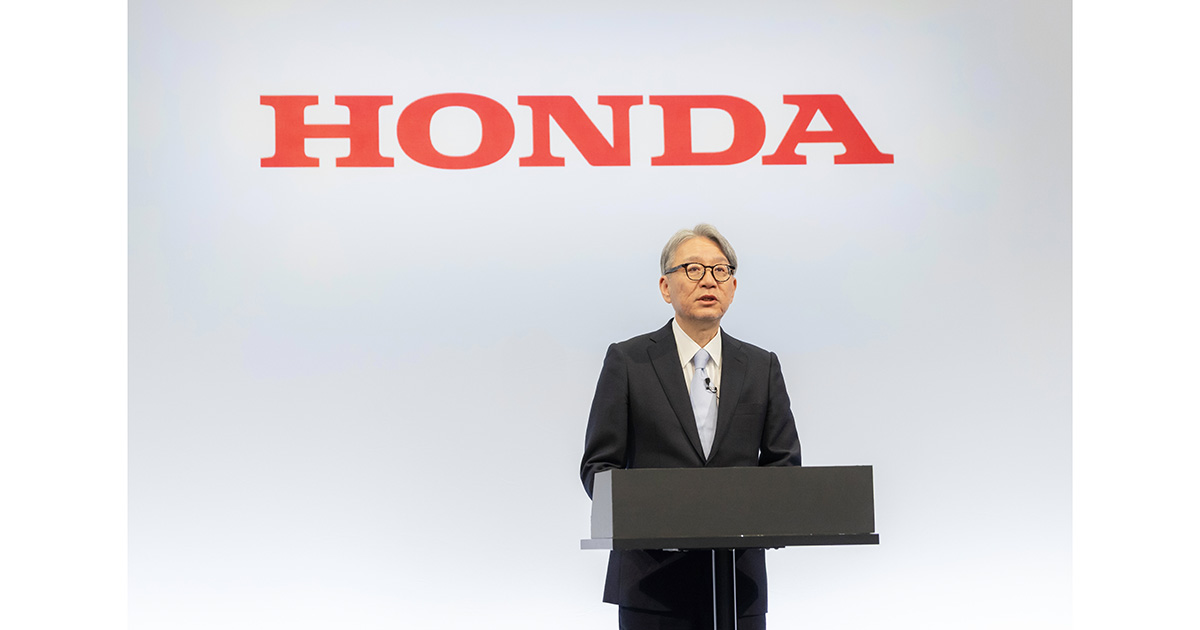
Honda’s Next-Gen Hybrids Are the Real Story After Its EV Reset
Honda's EV reset is painful, but its next-generation hybrid plan may matter more to mainstream buyers: new sedan and Acura SUV prototypes, lower system costs, electric AWD, and a North America-focused rollout.
Photo: Honda
Honda’s EV reset grabbed the headline because the financial hit is enormous. But for shoppers, dealers, and anyone watching the next few years of mainstream electrification, the more practical story may be sitting right beside it: Honda is about to make hybrids the center of its North American product plan again.
At its May 14 business briefing, Honda said it will begin launching next-generation hybrid models in 2027, using an all-new hybrid system and platform. The company plans 15 next-generation hybrid models globally by the end of the fiscal year ending March 31, 2030, with North America called out as a priority region. It also showed two prototypes: a Honda Hybrid Sedan Prototype and an Acura Hybrid SUV Prototype, both scheduled to go on sale within the next two years.
That matters because Honda is not just saying, “more hybrids eventually.” It is showing the first product shape of the reset: a likely Accord-sized sedan lane, a premium Acura SUV lane, lower-cost hybrid hardware, and a manufacturing plan built around North American volume.
The Prototypes Tell You Where Honda Is Aiming
Honda did not officially put Accord or RDX badges on the two prototypes. That caution is worth respecting.
But the product clues are not subtle. Car and Driver reports that the Honda sedan appears to preview a next-generation Accord, while the Acura SUV looks like a preview of the next RDX. That would make a lot of sense. The Accord remains one of Honda’s defining nameplates, and the RDX is Acura’s most obvious compact luxury crossover candidate for a hybrid rethink.
If those read-throughs are right, Honda is prioritizing the exact segments where a good hybrid still feels extremely relevant: midsize family sedans and premium compact SUVs. Neither category needs an exotic solution. They need efficiency, quietness, confident all-weather traction, sane pricing, and enough performance to feel like a real upgrade rather than a compliance play.
That is a very different mission from the canceled Honda 0 SUV, Honda 0 Saloon, and Acura RSX EVs. Those were supposed to signal a clean-sheet electric future. These hybrids are about defending core volume and rebuilding trust with buyers who may like electrification but are not ready to make every trip revolve around charging access.
Honda and Acura next-generation hybrid prototype gallery
15
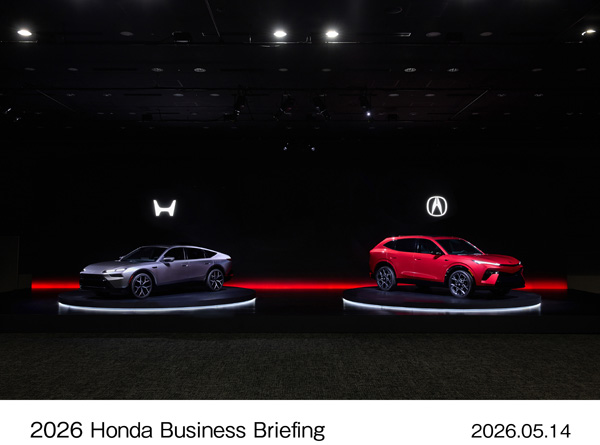
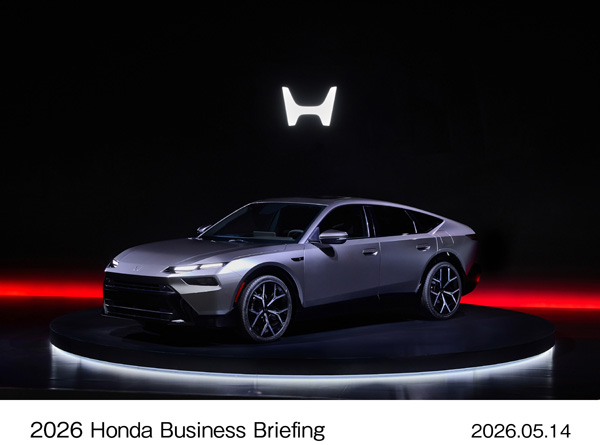
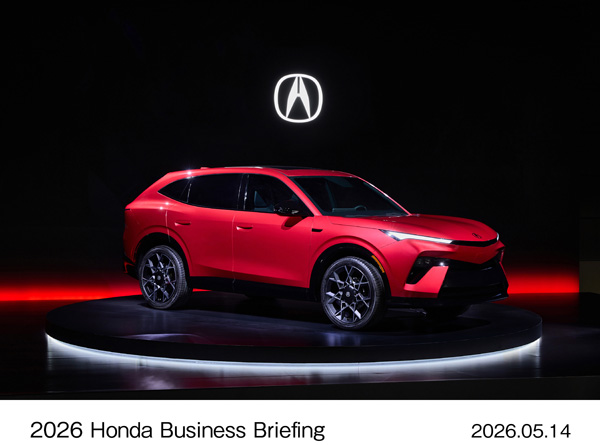
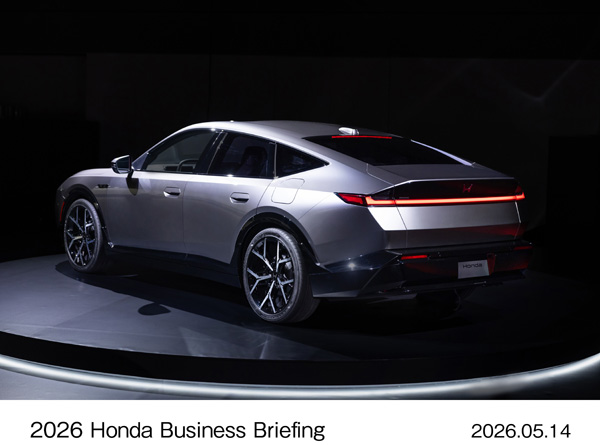
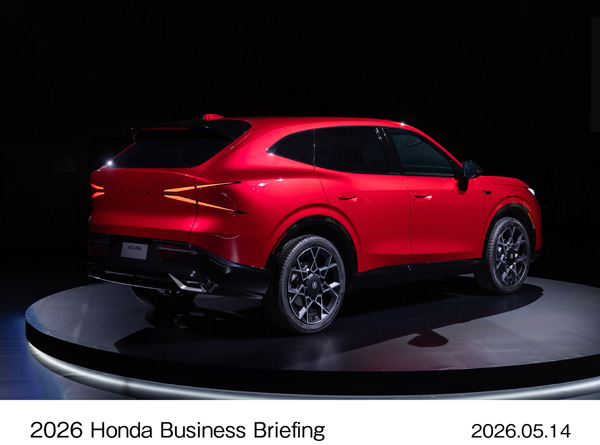
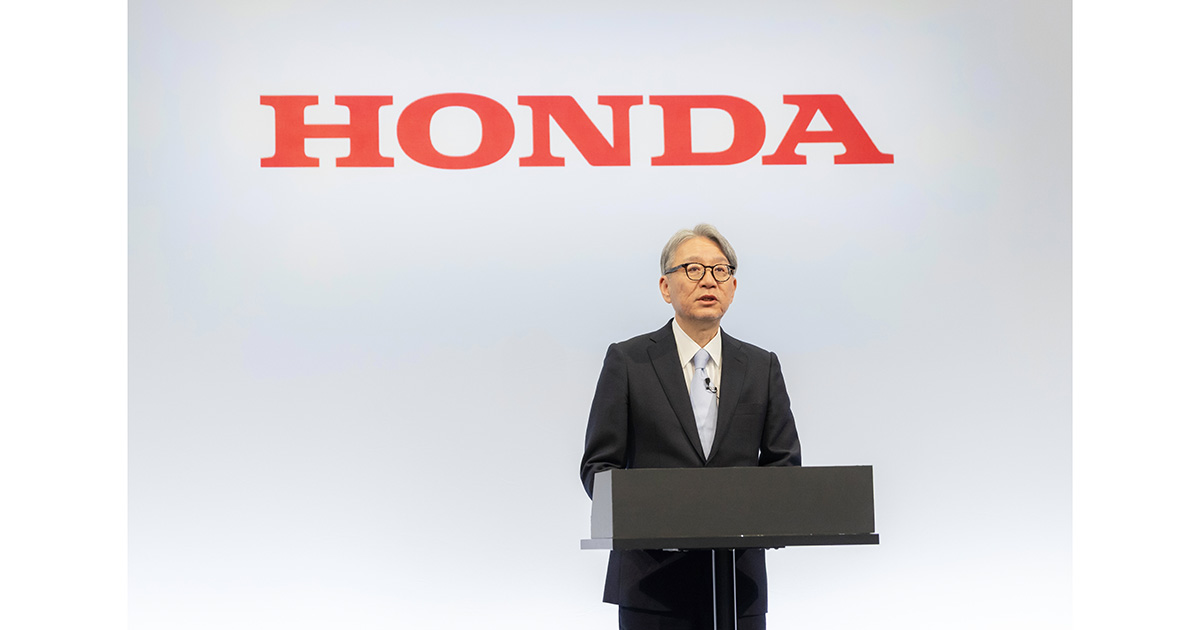
Honda used its May 2026 business briefing to show two next-generation hybrid prototypes: a Honda sedan and an Acura SUV.
Honda Wants the Hybrid System to Get Cheaper
The most important number in Honda’s briefing was not horsepower or range. It was cost.
Honda says it is targeting a more than 30% cost reduction for its next-generation hybrid system compared with the hybrid system introduced in 2023. That is the kind of target that can actually change showroom reality if Honda lands it.
Hybrids only work as mainstream answers if they stay close enough to gasoline pricing that shoppers do not need a spreadsheet to justify them. A cheaper hybrid system gives Honda room to add electrification across more trims, protect margins, or keep transaction prices from drifting too far above non-hybrid rivals. In a market where EV incentives are uneven and financing remains expensive, that matters.
Honda also says the new system will be paired with a next-generation platform and a newly developed electric AWD unit, with a target of improving fuel economy by more than 10% in next-generation hybrid models. That is a useful direction for North America, where compact and midsize SUV buyers often want all-wheel drive but do not want the fuel-economy penalty that used to come with it.
The promise is not just better mileage. Honda is also leaning on the idea of a more responsive, more refined driving feel. That is smart branding because the best Honda hybrids have usually worked when they feel like Hondas first and efficiency machines second.
This Is Honda’s Answer to Toyota’s Hybrid Advantage
Honda is not operating in a vacuum. Toyota has spent years proving that a broad hybrid lineup can be more than a bridge technology. It can be the business model.
RAV4 Hybrid, Camry Hybrid, Corolla Hybrid, Highlander Hybrid, Crown, Prius, Sienna, Land Cruiser, Tacoma i-FORCE MAX — Toyota has made hybrid availability feel normal across a huge slice of its lineup. That gives buyers an easy middle ground: lower fuel use without home charging, route planning, or public-charging uncertainty.
Honda has strong hybrid products of its own, especially the Accord Hybrid, CR-V Hybrid, and Civic Hybrid. The difference is breadth. Honda’s reset suggests it knows the next phase cannot rely on a few strong hybrid trims. It needs a lineup-wide strategy.
That is why the Acura SUV prototype is especially interesting. Honda cannot let hybrids be seen only as sensible Honda-brand economy plays. Acura needs electrified torque, smoothness, and fuel-economy gains too, especially if the brand is going to compete against hybrid and plug-in hybrid luxury crossovers without leaning only on full EVs.
North America Is Getting the Manufacturing Attention
The product plan only matters if Honda can build the vehicles profitably and in enough volume.
Honda says it will reallocate excess capacity at its auto plants in Ohio to gasoline and hybrid vehicles and make all of its auto plants in North America capable of producing hybrid models. It also says the L-H Battery Company joint venture with LG Energy Solution will convert part of its EV battery production lines to hybrid battery production.
That is a big tell. Honda is not treating hybrids as a side program that can be squeezed into the old footprint. It is reworking the footprint around them.
For buyers, the potential upside is availability. One of the frustrating realities of popular hybrids is that demand can outrun allocation, leaving shoppers either waiting, paying more, or settling for a gasoline trim. If Honda can make hybrid production more flexible across North America, it has a better chance of turning the strategy into actual vehicles on dealer lots.
The local-content point also matters. Honda says it wants to increase local content for motor and inverter assemblies by more than four times the current level, partly to reduce supply risk and mitigate U.S. tariff exposure. That is not exciting brochure copy, but it is exactly the kind of back-end work that can decide whether a hybrid lineup is resilient or fragile.
The EV Retreat Still Creates Risk
None of this erases the risk around Honda’s EV pullback.
Honda says it will keep investing in future EV hardware, all-solid-state batteries, software, ASIMO OS, and next-generation electrical/electronic architecture. It also says EV-related investments over the next three years will be controlled at about 0.8 trillion yen, while 1.0 trillion yen goes toward software technologies and 4.4 trillion yen goes toward gasoline and hybrid vehicles.
That spending mix is rational if Honda’s priority is stabilizing the car business. It is also a reminder that Honda’s near-term EV story is less concrete than it was before the cancellations.
The danger is not that hybrids are a bad idea. They clearly are not. The danger is that Honda uses hybrid strength as an excuse to let EV competence slip. Software, battery cost, charging integration, thermal management, and dedicated EV packaging all require repetition. Hyundai and Kia learned that by actually selling E-GMP vehicles. GM, Ford, Rivian, Tesla, and Volkswagen are learning their own lessons in public. If Honda waits too long, the eventual catch-up effort gets harder.
That is the tension in this reset. Hybrids can buy Honda time, protect customers from weak charging infrastructure, and keep the business healthier. They cannot become a permanent substitute for learning how to build excellent EVs at scale.
What Buyers Should Watch Next
If you are shopping in the next two years, the key Honda questions are straightforward.
First, how quickly does the next-generation hybrid system reach high-volume models? A redesigned Accord-style sedan is important, but the broader impact depends on CR-V-sized and Acura SUV applications, plus larger D-segment models Honda says are planned for North America in 2029.
Second, how expensive will the hybrid upgrade be? A 30% system-cost reduction target sounds promising, but buyers will judge the final sticker, not the internal engineering goal.
Third, how good is the electric AWD unit? If Honda can deliver smooth low-speed traction, better winter confidence, and improved fuel economy without making the vehicle feel heavy or numb, that could be a major selling point for Canadian and northern U.S. shoppers.
Fourth, how much software comes with the reset? Honda says next-generation ADAS is planned for market launch in 2028 and will be applied to more than 15 models over five years. If that arrives cleanly, the hybrid plan becomes more than a fuel-economy play. It becomes Honda’s chance to modernize the whole ownership experience.
The Motorlinks Take
Honda’s EV reset is painful, but the next-generation hybrid plan is not a retreat into old thinking. It is Honda trying to use electrification where mainstream buyers are still most comfortable with it: better efficiency, smoother torque, available AWD, and familiar refueling.
The company still has to prove the execution. Targets like 30% lower hybrid-system cost and 10% better fuel economy are promising, but not the same as published specs, EPA ratings, Canadian pricing, or dealer inventory. The sedan and Acura SUV prototypes give the plan a face; they do not answer every buyer question yet.
Still, this is probably the right short-term fight for Honda. If the brand can turn its next hybrids into affordable, refined, widely available products, it can rebuild momentum while the EV market sorts out charging access, pricing, and demand. If it gets too comfortable and lets full EV development drift, this reset will age badly.
For now, watch the hybrids. They are not the fallback story after Honda’s EV setback. They are the main product story for the next few years.