Gas Hits $4 Again. Does It Finally Move the Needle on EV Buyers?
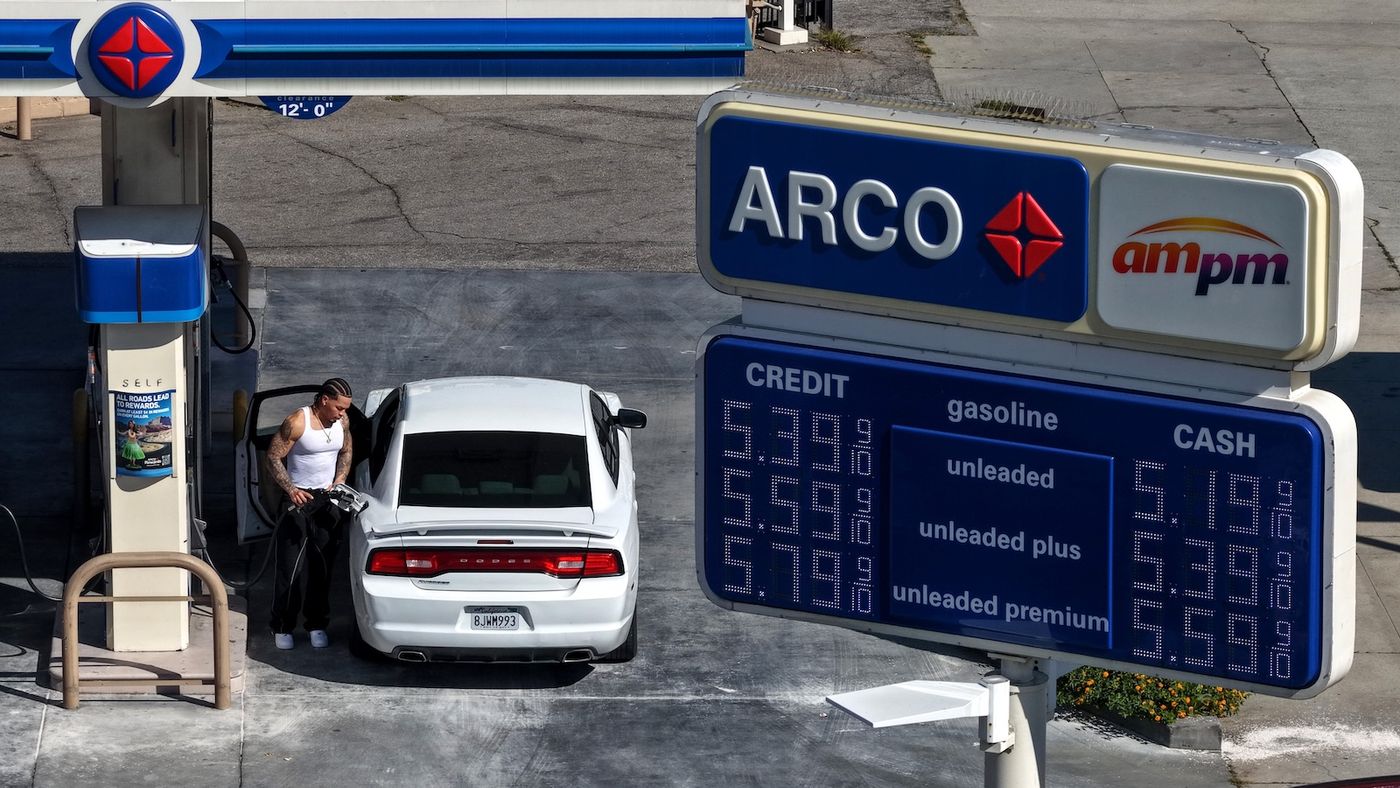
With the national average for regular gasoline approaching $4 per gallon in late March 2026, analysts are watching whether historically high pump prices can overcome the other headwinds facing electric vehicle adoption.
For years, advocates argued that rising gas prices would be the tipping point that pushed mainstream consumers toward electric vehicles. For most of the past decade, it didn’t happen. Gas went up, EV sales climbed modestly, and then gas came back down and the conversation reset.
Something may be different this time.
The national average price for regular gasoline reached $3.99 per gallon on March 27, 2026 — just shy of $4 for the first time in several years. And unlike previous cycles, this comeuppance is arriving at a moment when EVs have genuinely become more practical: longer ranges, faster charging, more models under $40,000, and a growing public charging network that, while imperfect, is meaningfully better than it was five years ago.
The Math Actually Works Now
The key argument for EVs has always been total cost of ownership, not just purchase price. With gas at $4 per gallon, that argument is getting sharper.
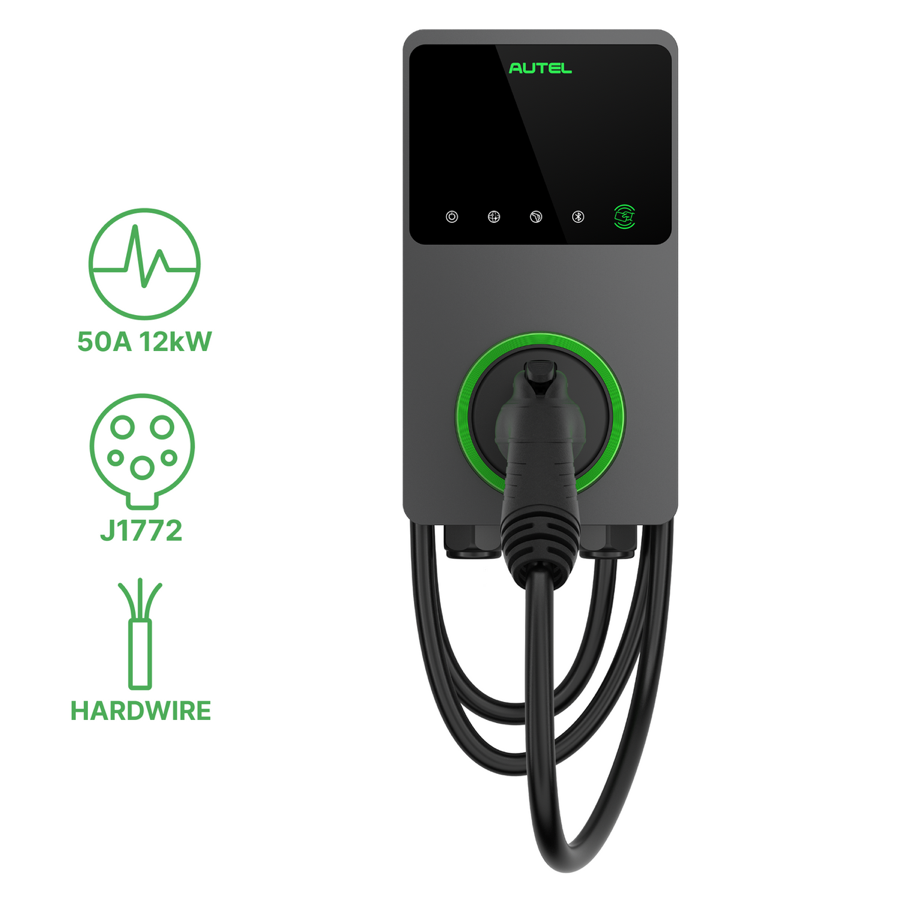
A typical American driver covers 12,000–15,000 miles per year. At 25 mpg and $4/gallon, that’s roughly $1,920–$2,400 in annual fuel costs. Charge at home on a Level 2 EV charger, and that same mileage costs somewhere in the range of $400–$600 per year at current residential electricity rates — about a quarter to a third the fuel cost, even at elevated electricity prices.
Consumer Reports found prior to the price spike that EV owners typically save $6,000–$12,000 over the first five years of ownership versus comparable combustion vehicles. At $4/gallon, that gap widens noticeably. At $3/gallon, the numbers were still favorable but less compelling for the mainstream buyer who’s watching every dollar.
What’s Changed — and What Hasn’t
The context around gas prices matters enormously. In previous cycles, gas spiking to $4 or higher was often accompanied by economic anxiety, job losses, or other disruptions that suppressed vehicle purchases generally — including EV purchases. This time around, the price increase reflects in part geopolitical pressures on oil supply, while the broader labor market remains relatively stable.
The federal EV tax credit is gone, but some state incentives remain. And automakers, even as they’ve pulled back on ambitious EV programs, continue to offer manufacturer discounts, lease deals, and subsidized charging subscriptions that blunt the upfront cost argument against EVs.
The other meaningful shift: the vehicles themselves. In 2018, a $35,000 EV might get you 150 miles of range and a charging experience that required careful planning. In 2026, the Chevrolet Equinox EV starts around $35,000 with 319 miles of EPA-rated range. The Nissan LEAF is in the low $30,000s. Used EV prices are falling toward $20,000 for some models. The product has genuinely improved.
The Caveats Are Real
None of this means the EV transition is suddenly on a frictionless glide path. Charging infrastructure remains inconsistent outside of major metropolitan areas. A driver in rural Montana or the Deep South who wants to take a 600-mile trip in an EV still faces genuine logistical challenges that a gas-station fill-up doesn’t involve.
Battery replacement costs remain a long-term concern, even if they’re not immediate. Insurance costs for EVs tend to run higher. And the upfront price premium — even at $30,000–$35,000 for an entry-level EV — still exceeds the average transaction price for a comparable new combustion vehicle.
The March 27 price spike is real. The interest it’s generating is real too. Whether it converts into sustained EV sales momentum against the headwinds of no federal credit, tariff-driven price pressure, and automaker ambivalence is the question that will define the second half of 2026.
Before you go back to gas, do the math on EVs:
Related reading:
- New EV Sales Dropped 28% in Q1 — the sales backdrop against which gas prices are finally moving buyers
- The 12 Safest EVs of 2026 (USA Today) — if you’re making the switch, start with the vehicles that protect you best
Recommended Products Canada
MotorLinks may earn a commission from qualifying purchases.