Toyota's bZ Just Became America's Top-Selling Non-Tesla EV — And It's Just Getting Started
Cox’s Q1 2026 table puts Toyota bZ U.S. sales at 10,029, ahead of other non-Tesla battery-electric models. Toyota’s 54.5% electrified share includes hybrids.
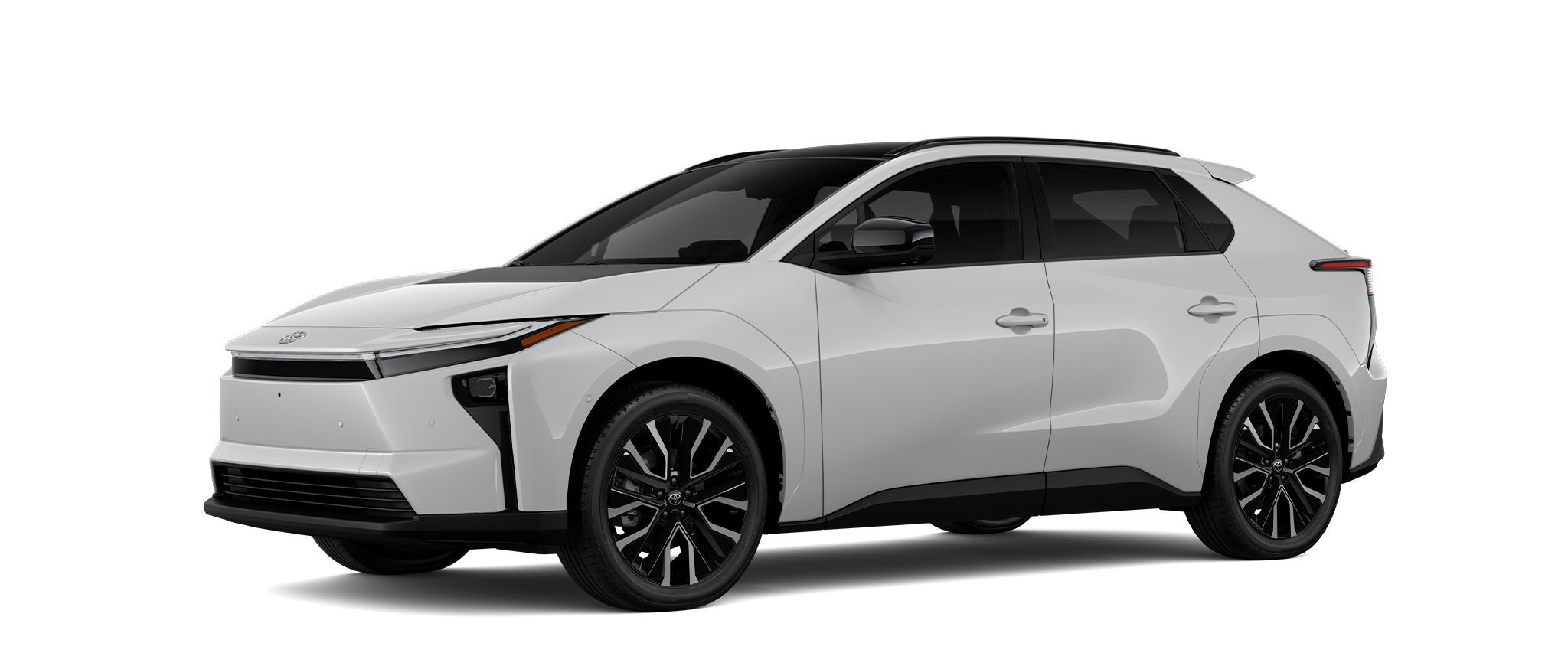
Photo: Toyota
Toyota’s March electrified share includes hybrids and Lexus.
Toyota’s bZ recorded 10,029 Q1 2026 U.S. sales, up 78.8%, in Cox Automotive’s Q1 model table. That table places it ahead of other non-Tesla BEV models. The table is dated April 10.
Toyota’s April 1 U.S. release gives 54.5% for all electrified Toyota and Lexus vehicles, including hybrids. That is a U.S. mix, not the bZ alone and not all of North America. Cox’s later U.S. BEV estimate fell 27%. Neither source isolates price, charging access or model choice as the cause of bZ growth.
From Laggard to Leader
Toyota launched its first serious mass-market EV, the bZ4X, with lukewarm reception in 2022. The 2026 refresh changed that narrative. The updated bZ arrives with a lower starting price, a revised interior, improved cold-weather battery performance, and access to a broader DC fast-charging network through its native NACS port, subject to vehicle and site compatibility. The result is an EV that competes directly with the Tesla Model Y on range and price while offering the residual value and dealer network that some buyers still prefer.
Toyota also introduced bZ Woodland as a separate model in its broader electric portfolio.
Product Plans Need Their Own Announcements
No replacement executive quotation or precise model/volume roadmap is inferred from a sales release.
C-HR, bZ and bZ Woodland are distinct nameplates; they should not be counted as three versions of one bZ sales line. Investment plans, sales ambitions and actual vehicle deliveries are separate measures.
What This Means for the Market
Tesla still dominates the US EV market by a wide margin, but Toyota’s progress matters for consumers and competitors alike. More credible mainstream EVs from a trusted brand drive broader EV adoption and put pressure on everyone from Chevrolet to Rivian to keep improving. The EV market isn’t collapsing — it’s maturing, and the players that can deliver reliable, well-priced EVs with strong dealer support are the ones gaining ground even as overall market growth stalls.
The bZ’s Q1 2026 performance is the clearest evidence yet that Toyota has found its footing in the EV segment. Whether it can scale that success into a broader lineup advantage will define the next chapter of the US electric vehicle market.
Related Articles
- Tesla Q1 2026 Deliveries Miss Analyst Estimates
- Rivian R2 Review: The EV You’ve Been Waiting For Is Here
- Toyota Corolla Concept Signals a New Era at Japan’s Mobility Show
Image: Toyota, from the 2027 bZ product page. Later-model illustration, not a Q1 sales photograph.