BYD's Growing Pains: Record Recall Exposes Quality Pressure in EV Scale-Up
BYD, the world's largest electric vehicle manufacturer, has issued its largest-ever recall — over 115,000 Tang and Yuan Pro models — citing battery and drive motor defects as quality concerns mount amid breakneck growth.
BYD, the Chinese automaker that overtook Tesla as the world’s leading electric vehicle manufacturer, filed a recall plan with China’s State Administration for Market Regulation on October 17, 2025, affecting more than 115,000 vehicles — its largest recall ever.
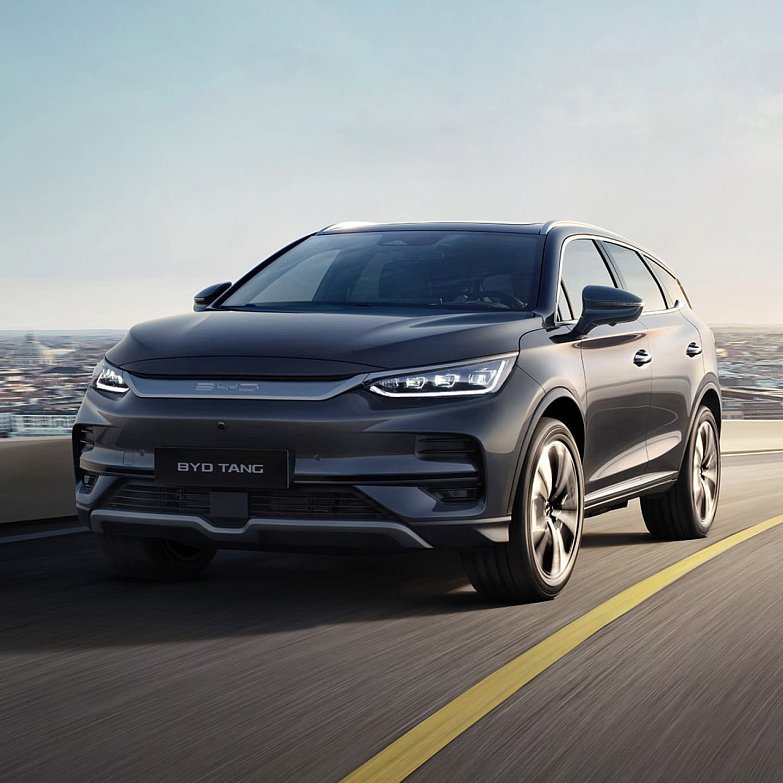
The recall covers BYD Tang series SUVs and Yuan Pro electric vehicles produced between 2015 and 2022. The company cited defects in a drive motor controller component and insufficient sealing around the battery pack that could, under rare circumstances, allow water ingress. In extreme cases, the defect could lead to circuit board burnout and a sudden loss of propulsion.
The timing of the recall is significant. BYD has been under intensifying scrutiny as it scales production at a pace unmatched in the global auto industry. The company sold over 1.8 million new energy vehicles in the first half of 2025 alone, up more than 25% year-over-year, and has pushed aggressively into international markets including Europe, Southeast Asia, and Australia.
A Quality Conundrum at Speed
The recall highlights a tension that has been building for months: as BYD has raced to expand market share, questions about whether its manufacturing quality can keep pace with its growth ambitions have lingered. The company’s blade battery technology, which BYD heavily promotes as safer and more efficient than conventional lithium-ion packs, has been a centerpiece of its competitive positioning. The recall of vehicles that use older-generation technology does not directly implicate the blade battery design — the affected models predate its widespread deployment — but it underscores the challenges of maintaining uniform quality across a rapidly expanding lineup.
“We’re seeing the same pattern we saw with early Tesla and early Toyota: when you scale this fast, things slip,” said one automotive industry analyst who tracks Chinese OEMs. “The question isn’t whether BYD makes good products — the evidence is that they do. The question is whether they can scale without these kinds of issues becoming systemic.”
What Owners Need to Know
Affected Tang and Yuan Pro owners in China will be contacted by BYD dealers for free repairs. The company has not yet announced a recall in other markets, though both models have been exported to several countries. The recall in China covers roughly 3% of the vehicles BYD has sold over the recall period — a relatively modest percentage for a mass-market automaker, but notable given BYD’s profile as a quality leader in its home market.
BYD’s stock dipped slightly on the news before stabilizing. Investors appeared to weigh the recall against the company’s broader growth trajectory, which remains robust.
The Bigger Competitive Context
The recall comes as BYD continues to expand internationally and faces growing competitive pressure from other Chinese EV makers including Li Auto, XPeng, and Huawei’s AITO brand. In Europe, BYD has been investing heavily in distribution and brand-building, with showrooms opening in cities from Oslo to Madrid. The recall, while limited to older models, adds a layer of complication to those efforts as European consumers evaluate BYD against established brands with longer track records.
For now, the recall does not appear to be a systemic issue that would derail BYD’s momentum. The company’s new-generation vehicles — built on its e-Platform 3.0 architecture with the blade battery — are not affected. But it’s a reminder that scaling quickly in the auto industry comes with its own set of challenges, and that the world’s largest EV maker isn’t immune to the growing pains that have challenged every other major automaker at one point or another.
Related products: