Rivian and Redwood Expand Battery Reuse and Recycling Partnership
Rivian and Redwood are adding battery scrap and retired EV packs to their partnership, building on a 10 MWh second-life storage system in Illinois.
Rivian and Redwood Materials are expanding their battery partnership beyond factory energy storage to cover manufacturing battery scrap and packs retired from Rivian vehicles. Announced October 14, the arrangement connects batteries collected through Rivian’s service network with two possible destinations: another working life in stationary storage, or recycling.
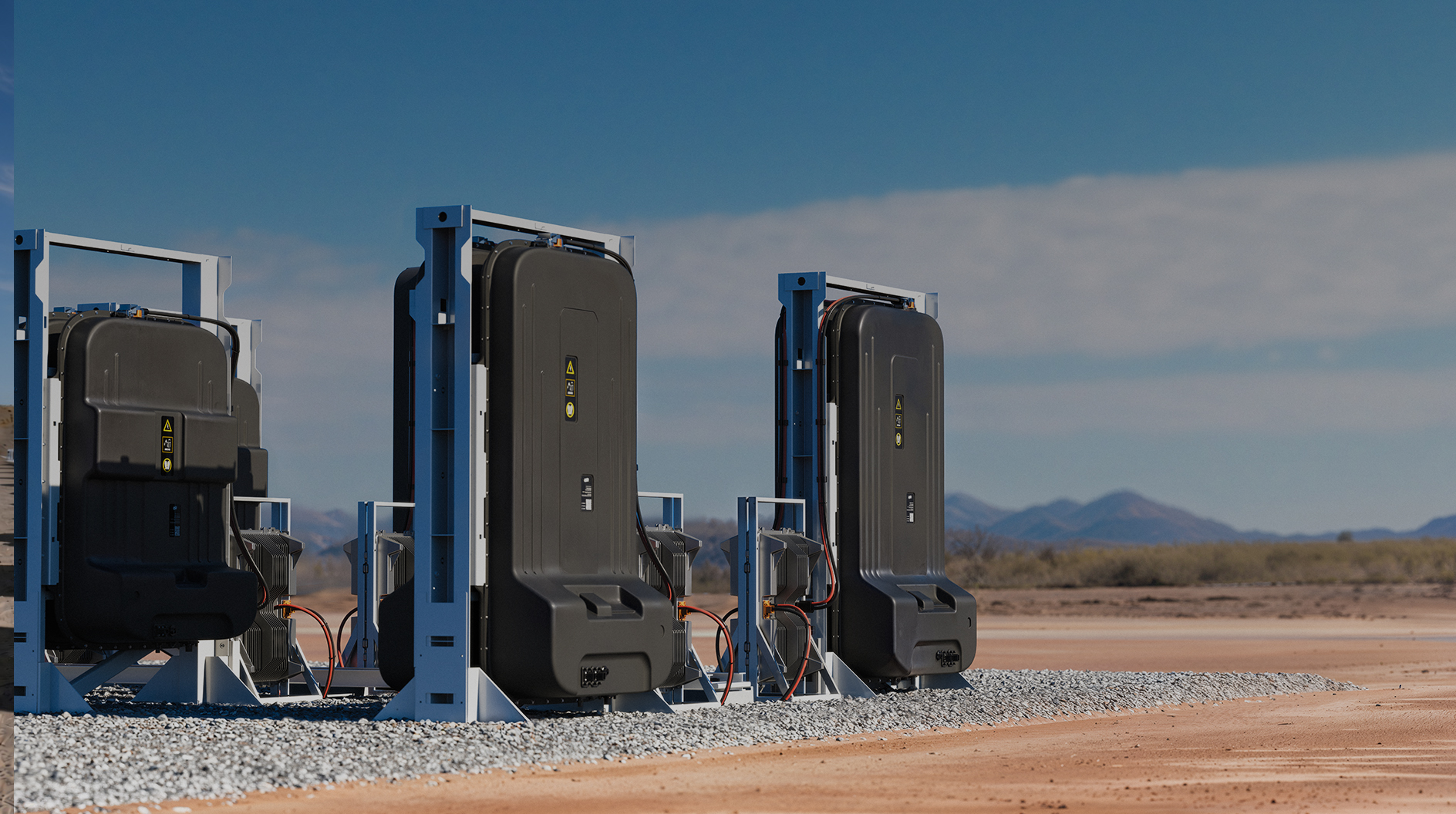
The expansion builds on a 10 megawatt-hour (MWh) second-life battery system at Rivian’s Normal, Illinois plant. Redwood’s official October 14 update describes that system as already at the factory and says the companies are deploying storage directly at Rivian manufacturing facilities. Reporting on the expanded agreement details the addition of production scrap and end-of-life packs.
The useful change is the connection between those jobs. A battery leaving a vehicle does not automatically need to be shredded, but neither does every returned pack qualify for reuse.
Two Routes for Batteries Coming Back
Rivian’s service centers provide collection points for batteries coming out of service. Redwood evaluates returned packs and routes them toward stationary storage or recycling, according to the announcement coverage. Packs reused for storage are ultimately recycled when that second application is finished.
Those routes do different things:
- Reuse preserves the battery as an energy-storage device. A suitable pack can store electricity for a building or industrial site instead of propelling a vehicle.
- Recycling recovers materials. It deals with batteries that are no longer suitable for another working life, as well as manufacturing scrap.
Manufacturing scrap belongs in that second stream; it is not a fleet of worn-out customer batteries. Keeping those categories separate matters when assessing what the agreement actually says about vehicle longevity. This announcement does not provide a Rivian battery-failure rate or establish how long an individual owner’s pack will last.
Redwood says its own power electronics and control software allow it to integrate different returning packs into a dependable storage system. That is the engineering challenge behind the appealing reuse story: batteries with different histories must work together, rather than simply being connected and forgotten.
What 10 MWh Means at the Factory
The companies’ original storage announcement specified more than 100 second-life Rivian packs for an initial 10 MWh installation in Normal.
Ten MWh is 10,000 kWh of stored energy. It is not a 10-megawatt power rating: energy capacity alone does not tell us the maximum output or how long the system can support the plant at a particular load.
The stated purpose is to discharge stored energy during expensive, high-demand periods, reducing the factory’s grid draw and electricity costs. The batteries shift when electricity is used; they do not generate electricity themselves.
That makes this a different proposition from turning a parked customer vehicle into home backup power. The packs here have left their automotive application and become part of a separate industrial system.
Redwood’s latest update describes a broader manufacturing-storage relationship, but does not put a new combined MWh total or a site-by-site rollout calendar on it. The original 10 MWh figure should not be presented as the size of every future installation.
A Supply-Chain Update, Not a New Owner Benefit
For EV owners, the significance is a more defined route for batteries after vehicle service. For Rivian, the same relationship can handle returned packs and production scrap while providing storage for its operations.
The financial and environmental outcomes still depend on execution. Screening, transport, integration and eventual recycling all require work. The companies have not supplied an independently measured emissions reduction or a quantified factory electricity saving in the official updates cited here.
Canadian readers should also keep the geography straight. Normal is a U.S. factory project. The cited updates do not set out a Canadian collection procedure, announce a Canadian storage installation or change Canadian vehicle warranties. This is not a new owner drop-off program or a promise of a battery buyback payment.
The next useful checkpoints are concrete ones: additional storage capacity brought online, identified factory deployments and measured results. For now, the news is that Rivian and Redwood are linking the beginning and end of a battery’s working life more closely—with reuse where appropriate, and recycling when it is not.
Hero image: Redwood Materials. It shows stationary battery-storage equipment, not a verified photograph of the Normal installation.