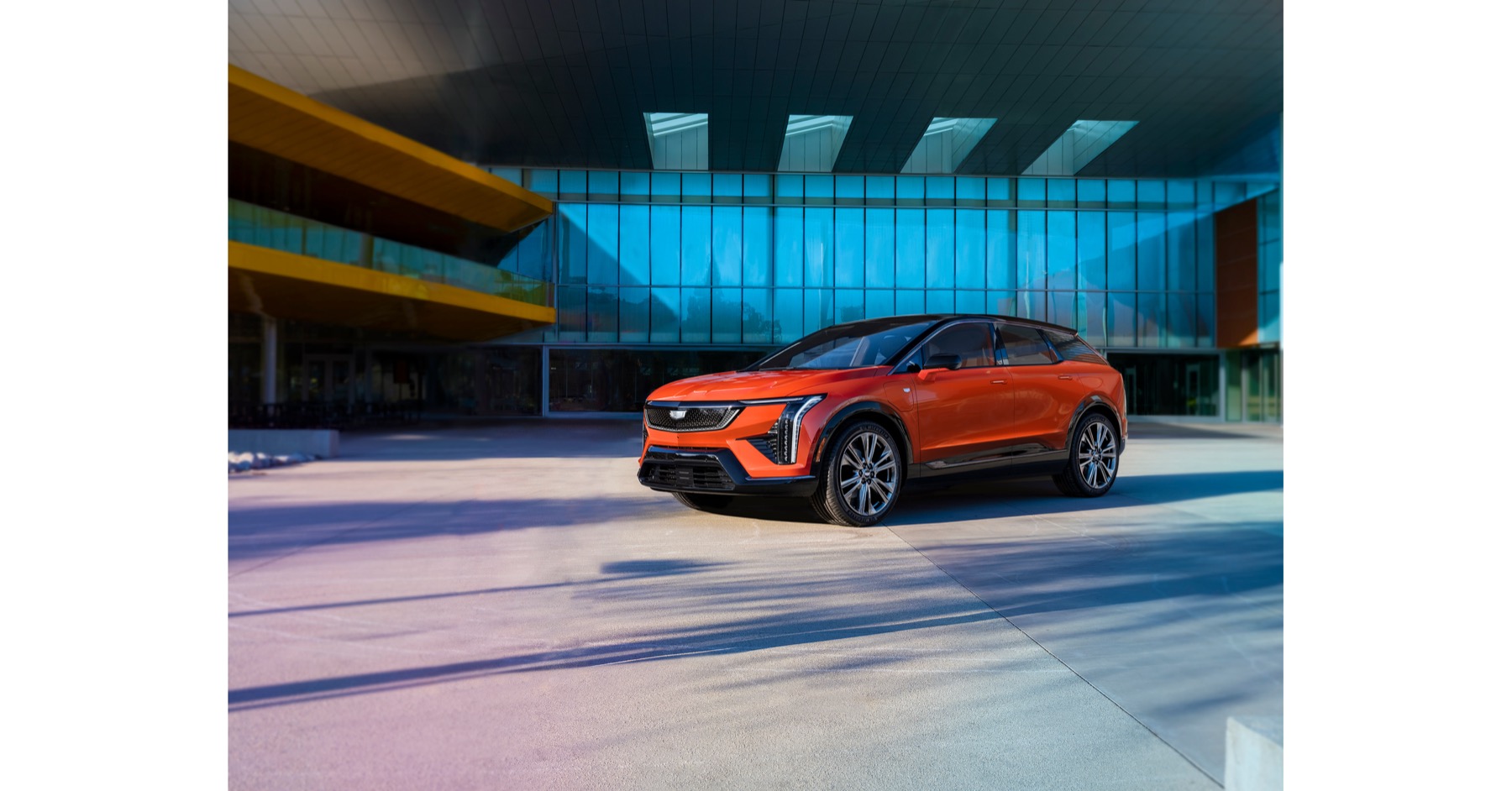
GM Says One in Five New EVs Registered in Canada Is One of Its Own
GM says it led Canadian EV registrations through June 2026, with more than 20% market share as the Bolt, Equinox EV, and Cadillac lineup gained ground.
General Motors says more than one in five new electric vehicles registered in Canada during the first half of 2026 carried a Chevrolet, GMC, or Cadillac badge.
That makes GM Canada’s EV sales leader through June, according to registration data from S&P Global Mobility cited in a July 28 company release. GM says its Canadian EV sales increased 33.4 per cent year over year, with the Chevrolet Equinox EV, returning Chevrolet Bolt, and Cadillac OPTIQ all ranking among the country’s 10 best-selling EVs.
The headline matters because GM is not winning with one runaway model. Its advantage is a wide portfolio that stretches from an affordable compact Bolt to luxury SUVs and full-size electric trucks.
It is also a useful counterpoint to the wider North American EV slowdown. While regional EV sales have been under pressure, GM says its Canadian lineup is still adding volume and attracting buyers who did not previously own one of its brands.
GM's Canadian EV Sales Leaders
13
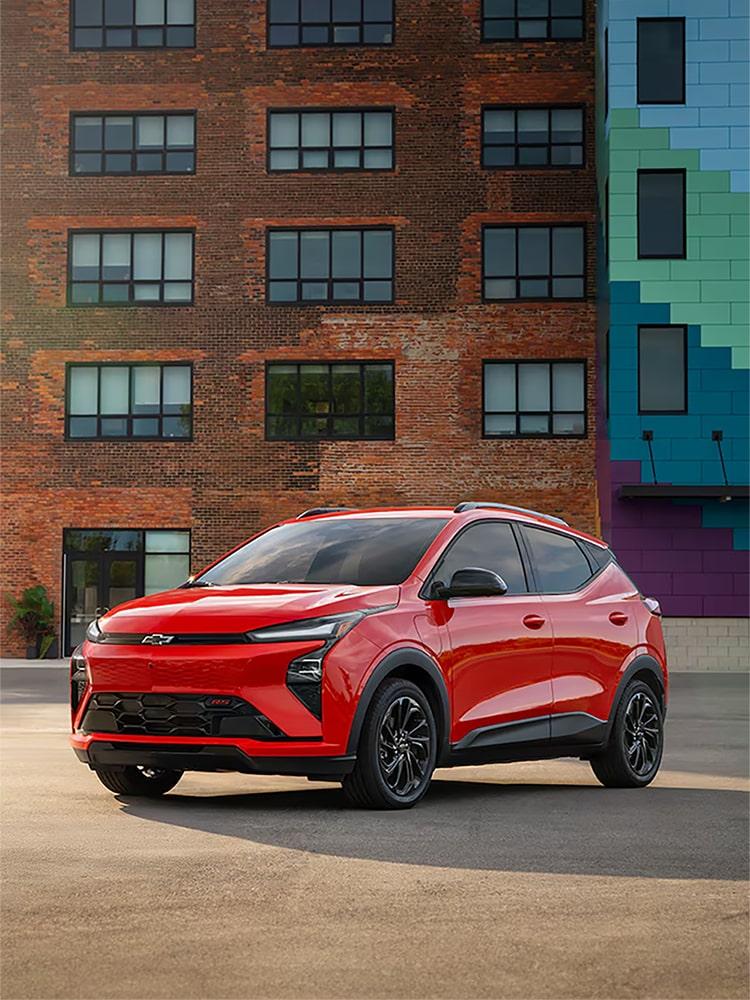
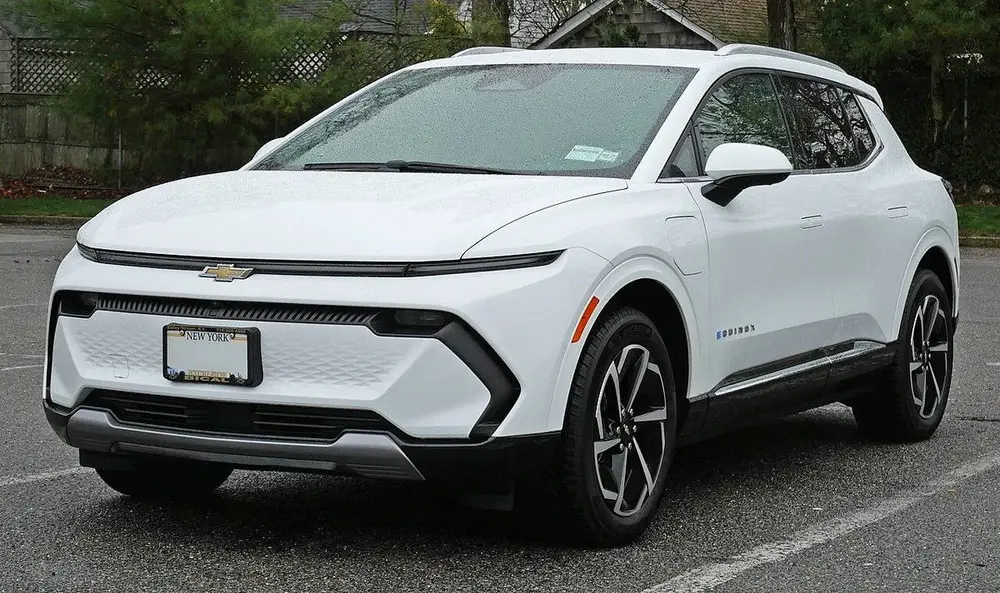
Cadillac says it captured 52.6 per cent of Canada's luxury-EV segment in the first half of 2026. Image: General Motors Canada.
The Numbers Behind GM’s Lead
GM Canada’s release makes five significant claims based on registrations through June:
- More than 20 per cent of new EVs registered in Canada were GM vehicles.
- GM EV sales rose 33.4 per cent from the first half of 2025.
- More than 65 per cent of GM’s EV buyers were new to Chevrolet, GMC, or Cadillac.
- Equinox EV sales increased 12 per cent.
- Cadillac EV sales increased 63.9 per cent, giving the brand 52.6 per cent of the Canadian luxury-EV segment.
GM also says the Cadillac OPTIQ and LYRIQ were Canada’s two best-selling luxury EVs, while the Bolt, Equinox EV, and OPTIQ all placed in the overall top 10.
There is an important caveat: these are GM’s figures and framing, supported by third-party registration data that is not reproduced in full in the release. GM does not publish a model-by-model Canadian sales table or list every rival’s registrations. The safest conclusion is that GM led the market on the cited S&P Global Mobility data, not that every competitive question has been settled.
Registrations also are not identical to factory shipments or dealer deliveries. They are useful here because they represent vehicles entering customer use in Canada rather than inventory simply arriving at dealerships.
Why GM’s Portfolio Is Working
GM currently counts 13 EVs across Chevrolet, GMC, and Cadillac in Canada. That breadth lets it compete in more price bands and body styles than an automaker relying on one or two high-volume models.
At the accessible end, the 2027 Chevrolet Bolt is back with more than 400 kilometres of estimated range and a native NACS port. GM advertised a $34,995 cash purchase price in its July 28 release, but that number includes temporary manufacturer rebates and the federal EVAP incentive for eligible buyers. Without the federal incentive, GM’s stated cash price is $39,995, and the manufacturer offers cited in the release run only through August 31.
That distinction is important. The Bolt’s value looks strong, but shoppers should compare the actual transaction price, financing rate, delivery timing, and incentive eligibility rather than treating one promotional number as permanent.
The Equinox EV fills the next step up. It offers more passenger and cargo space than the Bolt, plus longer-range configurations, without moving into luxury pricing. A 12 per cent sales increase suggests that basic formula is still connecting with Canadians even after the Bolt returned below it.
Cadillac then gives GM a separate source of growth. A 63.9 per cent increase and more than half of the luxury-EV segment is a substantial claim for a brand that only recently expanded beyond the LYRIQ. The smaller OPTIQ broadens Cadillac’s reach, while the VISTIQ and Escalade IQ cover larger and more expensive territory.
GMC’s Hummer EV and Sierra EV will never be Canada’s volume leaders, but they make the portfolio wider still. GM can offer an electric truck or SUV at almost every major price tier without asking a single nameplate to carry the whole strategy.
The Dealer and Charging Pieces Matter Too
Vehicles are only part of GM’s pitch. The company says it has roughly 450 dealerships across Canada, most equipped to support EV customers with trained technicians, parts, warranty work, and service.
That footprint matters outside the largest urban markets. A buyer comparing two similarly priced EVs may reasonably care about how far they must travel for warranty work, winter diagnosis, collision parts, or software support.
Charging is becoming less of a separator, but GM has also closed an obvious gap. The Bolt uses a native NACS fast-charging port, while approved adapters give other compatible GM EVs access to Tesla Superchargers. GM says its Canadian drivers can access more than 25,000 public charging ports in the country, though plug type, adapter requirements, speed, and network access still vary by model and station.
Canadian buyers should check the actual charging hardware on the exact model year they are considering. A native NACS port is convenient, but an adapter-equipped vehicle can still be perfectly workable if its route planning and charging curve suit the owner’s travel.
What This Says About Canada’s EV Market
GM’s growth does not mean every EV is suddenly selling easily. The Canadian market is becoming more price-sensitive, incentive-dependent, and competitive.
What the numbers do suggest is that buyers still respond when the product mix covers several practical needs at once: attainable pricing, useful range, familiar crossover shapes, broad service coverage, and improving fast-charging access.
The conquest figure may be the most encouraging number in GM’s release. If more than 65 per cent of its EV customers are new to Chevrolet, GMC, or Cadillac, the company is not merely moving existing loyalists from gasoline vehicles into electric ones. It is taking customers from other brands.
That is exactly what a broad EV lineup is supposed to do.
The next test will be whether GM can maintain the lead after its limited-time Bolt incentives change, more affordable competitors arrive, and Canadian shoppers get a fuller selection of native-NACS vehicles. Market share earned with launch inventory and rebates is valuable, but it becomes much more convincing when it holds across several quarters.
For now, GM has a clear first-half result: more than a fifth of Canada’s new EV registrations, growth across both mainstream and luxury models, and three vehicles in the national top 10.
The strategy is not mysterious. Offer enough credible EVs at enough prices, make them easy to service, and give buyers fewer reasons to walk away.