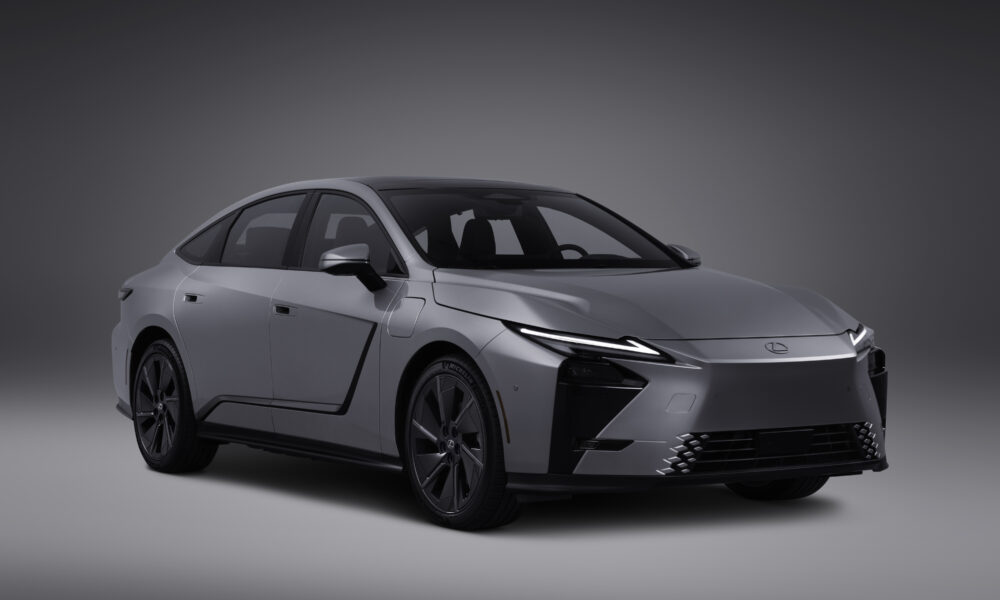
The 2026 Lexus ES Goes Fully Electric — And It's Better Than Expected
Lexus has finally pulled the trigger on a battery-electric ES. The 2026 ES 350e and ES 500e debut a new multi-pathway platform, 74.7 kWh floor battery, and a sub-$50,000 starting price that undercuts many combustion-powered luxury competitors.
Lexus has been cautious on electrification for years — hedging with hybrids while rivals went full EV. That caution ended in March 2026, when the brand launched its first-ever battery-electric ES variants alongside the redesigned hybrid ES 350h. The result is a luxury sedan that finally matches the market it’s operating in.
Two EVs, One Platform
The 2026 ES arrives in three flavors: the front-wheel-drive ES 350h hybrid, the single-motor ES 350e, and the dual-motor all-wheel-drive ES 500e. All three share a new multi-pathway platform that was developed from the ground up to accommodate both hybrid and fully electric drivetrains — a meaningful departure from the previous generation, which was adapted after the fact.
The headline numbers for the EVs are competitive rather than segment-leading. The ES 350e makes 302 hp from its single motor and routes power to the front wheels. The ES 500e adds a rear motor for all-wheel drive and 348 hp total. Both use a 74.7 kWh lithium-ion battery mounted in the floor — a layout that lowers the center of gravity and doesn’t sacrifice interior space, a common complaint with early EV conversions.
Lexus is claiming an EPA-estimated range of approximately 370 miles for the ES 350e and 340 miles for the heavier ES 500e. Those figures are competitive with the BMW i5 and Mercedes EQE, and they should prove realistic given the efficiency of Lexus’s third-generation electric drivetrain.
Charging: 800V Ambition, 400V Reality
One notable spec: Lexus spec’d 800V-class charging architecture for the ES BEV models, which should enable 150-200 kW DC fast charging. In practice, that translates to a 10-80% charge in around 22 minutes at a capable DC fast charger — respectable, if not class-leading. The battery is also compatible with V2G (vehicle-to-grid) and V2H (vehicle-to-home) functionality in markets where that’s been enabled.
Design: Familiar Silhouette, Serious Interior Upgrade
The 2026 ES keeps the same exterior proportions as the prior generation — a handsome, conservatively styled sedan — but almost everything else has changed. The interior gets a completely redesigned dashboard centered around a 14-inch touchscreen (up from 12.3 inches), with a new-generation Lexus Interface infotainment system that finally brings wireless Apple CarPlay and Android Auto as standard.
The materials story is stronger than before. Lexus leaned into its Japanese craftsmanship heritage for the interior trim, with new options including a sustainable bamboo-based finish and a quilted synthetic leather that looks genuinely premium. The rear seat legroom remains best-in-class for the segment — a key buying point for the fleet and livery customers who make up a significant share of ES sales.
Pricing and Trims
Lexus launched the ES 350e and ES 500e with an aggressive starting price of $47,250 (MSRP before any applicable federal EV credits). The ES 350h hybrid starts at $42,900. That’s notably below the BMW i5 xDrive40 ($58,900) and Mercedes EQE 350+ ($54,900), and it puts the ES BEV in direct competition with the Genesis Electrified G80 ($52,400) and Volvo S60 Recharge ($52,995).
Three trim levels are available at launch: Standard, Premium, and Luxury. The Premium adds a Mark Levinson 17-speaker audio system, a panoramic glass roof, and enhanced driver-assistance features. The Luxury brings semi-aniline leather, ventilated rear seats, and a digital key with smartphone connectivity.
Hybrid Strategy: Still a Priority
Lexus isn’t abandoning hybrid powertrains — if anything, the brand’s hybrid strategy is accelerating. The ES 350h uses a fifth-generation Toyota hybrid system that Lexus claims delivers 44 mpg combined, making it one of the most efficient non-plug-in vehicles in the segment. The broader Lexus lineup now spans full hybrids, plug-in hybrids (where available), and pure BEVs — a hedge that seems increasingly sensible given consumer adoption rates in different markets.
How It Fits the Market
The luxury EV sedan market has been tougher than many expected. BMW’s i5 has underperformed its combustion counterpart in sales. Mercedes’ EQE has struggled against the older, more established EQS lineage. And Polestar 2 has carved out a niche but hasn’t threatened the German establishment.
Lexus’s entry is notable because it brings something the segment has lacked: a credible hybrid brand equity story. Lexus has spent 20 years building a reputation as the reliable, refined alternative to BMW and Mercedes — and that reputation transfers to the EV space, at least for buyers who trust the brand’s hybrid track record.
Whether the ES BEV can win over conquest buyers from BMW and Mercedes remains to be seen. But as an in-brand upgrade path for existing Lexus customers who want to go electric, it has a strong case.
Protect your Lexus ES and charge at home: