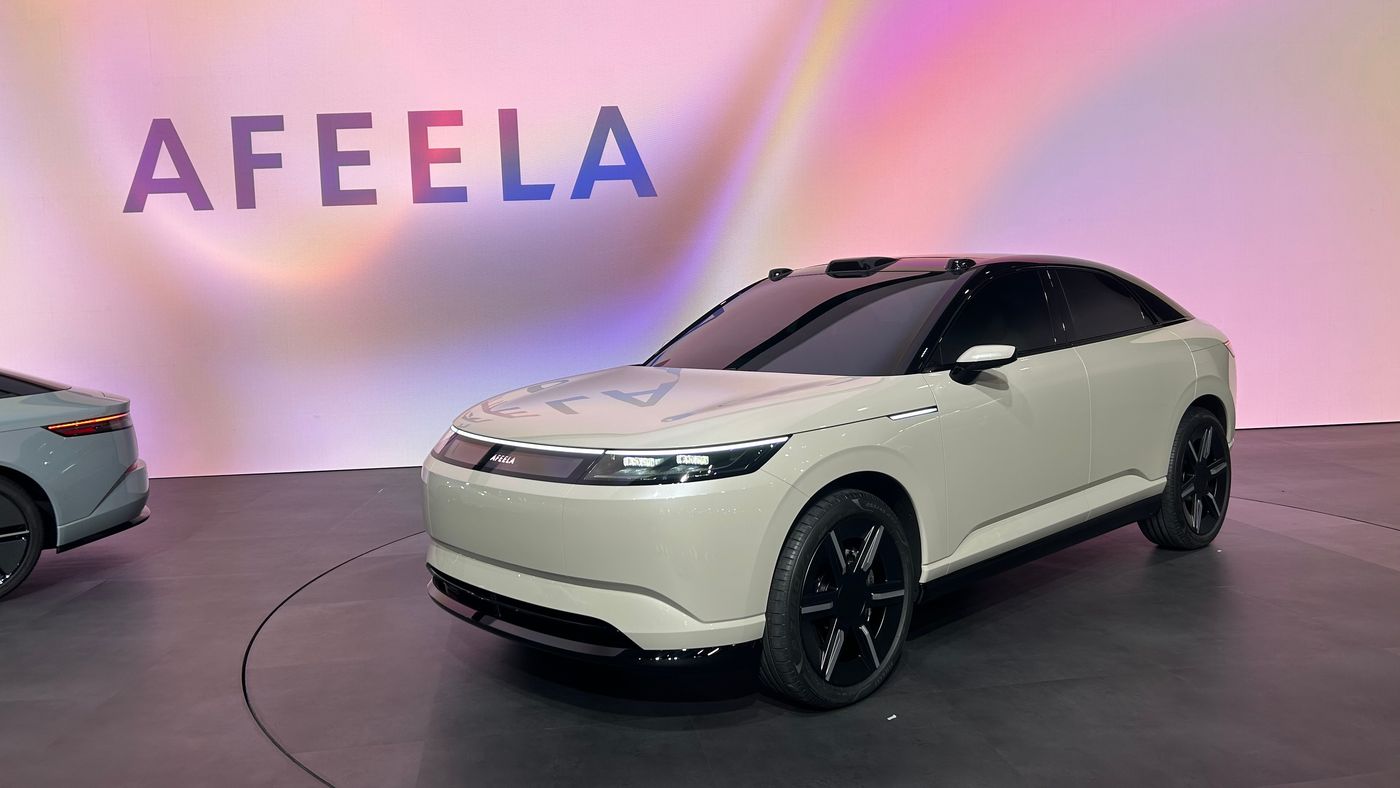
Sony Honda Mobility Pulls the Plug on Afeela — What Happened to the $90,000 EV?
Sony Honda Mobility officially discontinued the Afeela 1 sedan and its planned SUV sibling on March 25, 2026, citing Honda's broader EV strategy reversal and an untenable business case. Reservations are being refunded.
It was supposed to be the car that bridged Silicon Valley ambition with Japanese manufacturing discipline. Instead, the Afeela 1 is headed straight for the graveyard of ambitious EV projects that never made it to a driveway.
Sony Honda Mobility (SHM) confirmed on March 25, 2026, that it was discontinuing development of the Afeela 1 electric sedan and its planned crossover sibling — effective immediately. All reservation holders will receive refunds. The joint venture between Sony and Honda, announced with considerable fanfare at CES 2023, is effectively being wound down, with the companies acknowledging that the original vision is no longer commercially viable.
From CES Darling to $90,000 Write-Off
The Afeela 1 was always going to be expensive. The announced base price hovered around $90,000, putting it in the same territory as a Porsche Taycan or a well-equipped Tesla Model S. For that money, buyers were promised up to 300 miles of range, Sony’ssuite of driver-assistance and infotainment technologies, and a design that was — generously — described as “distinctive.”
The spec sheet was fine. The timing, it turns out, was catastrophic.
Honda had already signaled a dramatic retreat from its earlier EV ambitions. In January 2026, the automaker announced it was cancelling three planned U.S.-market EVs and booking up to ¥2.5 trillion ($15.8 billion) in associated charges — one of the largest corporate write-downs in automotive history. Without Honda’s EV platform commitments underpinning it, the Afeela program had no manufacturing path and no cost structure that could work at scale.
Sony, for its part, absorbed the end of its most visible consumer electronics venture in the automotive space. The company’s media and gaming ambitions for the car — which included deep integration with PlayStation services and a dashboard experience built around Sony’s entertainment ecosystem — never got a chance to prove whether any of it resonated with actual car buyers.
Why This Matters Beyond the Headline
The Afeela collapse is the latest and most visible casualty of a broader retreat from bold EV commitments across the industry. Honda, Hyundai, Kia, Lamborghini, and others have all pulled back on or cancelled planned electric vehicles in the first quarter of 2026, citing a combination of softer-than-expected demand, the loss of the federal EV tax credit, and the crushing cost of U.S. tariffs on imported vehicles and components.
The total tally is stark: Automotive News estimated in late March that tariff-related charges across the industry had surpassed $70 billion. Automakers that bet heavily on rapid EV adoption at scale are now managing the aftermath of those bets.
For Sony, the experience raises questions about whether tech companies can successfully enter automotive manufacturing through partnerships rather than building their own production capability from scratch. The Afeela story is a reminder that software ambition still runs headfirst into stamping steel, sourcing batteries, and building dealer networks — even when you partner with a company that already does all of those things.
What Comes Next
SHM’s official statement said the companies remain “committed to exploring future mobility opportunities,” but gave no specifics. For now, the Afeela brand is finished. The approximately 2,000 reservation holders who put down deposits — in California only, where Afeela had planned to launch initially — will receive full refunds.
It’s a quiet end to a project that once promised to redefine what a car could be. The screen-stretching dashboard and the gaming integrations and the Sony logo where a traditional badge might go — none of it was crazy on its own. The timing just never lined up.
Charge smarter — open Tesla Superchargers for your EV:
Related reading:
- Honda Cancels Three U.S. EVs, Books $15.8B in Losses — the decision that made Afeela’s cancellation inevitable
- EV Industry Reset: What’s Being Canceled and Why — the broader context for the wave of EV project cancellations