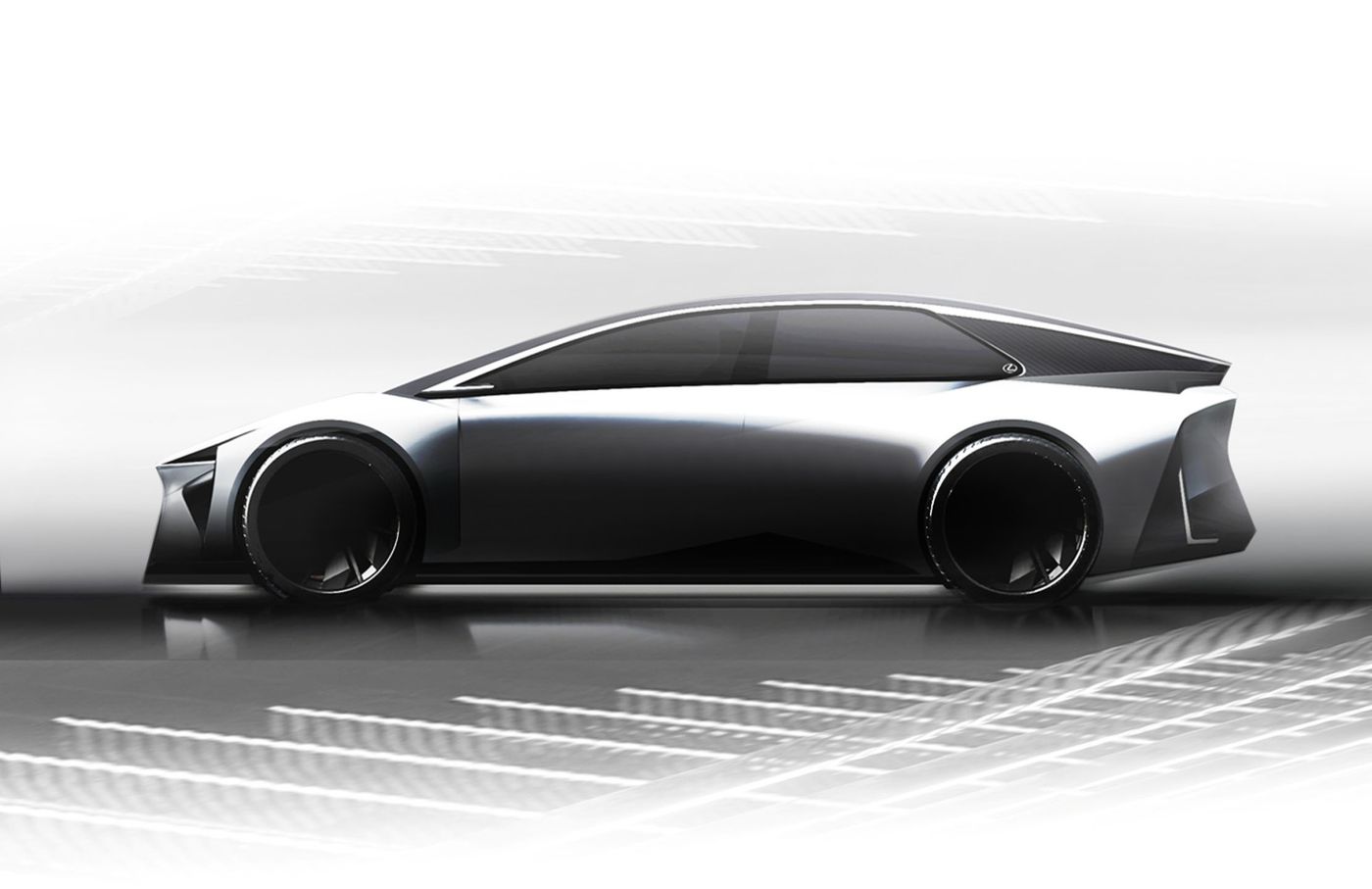
Toyota Is Doubling Down on EVs While Everyone Else Hits Pause
With four new electric models heading to U.S. dealerships by end of 2026, Toyota is charting a contrarian path as rivals like Honda and GM retrench on their EV ambitions.
While much of the automotive industry is tapping the brakes on electric vehicles, Toyota is Accelerating.
The Japanese brand confirmed this week that it plans to add four new battery-electric models to its U.S. lineup by the end of 2026 — an aggressive expansion that puts it firmly at odds with the broader industry trend. Honda has scaled back its EV targets. GM has extended timelines on several key electric programs. Even Ford has flagged slower-than-expected EV adoption rates. Toyota, meanwhile, is heading the other direction.
What’s Coming
The centerpiece of the push is a revised version of the bZ crossover — the same model that posted a stunning 79% sales surge in Q1 2026, now arriving in showrooms with a refreshed design and an updated pricing structure that starts under $35,000. Toyota is positioning it as one of the most affordable new EVs on the market when it launches.
Joining it is the all-new 2026 Toyota C-HR Battery Electric Vehicle, a model that Toyota unveiled at last year’s auto show season and has since been quietly preparing for high-volume production. The dual-motor C-HR produces a combined 338 system horsepower and carries an EPA-estimated 287 miles of range — competitive figures for the compact electric SUV segment. Pricing starts around $38,000, putting it in direct competition with the Chevrolet Equinox EV and the base Ford Mustang Mach-E.
The off-road variant — the bZ Woodland — rounds out the most tangible part of the announcement. With 375 horsepower and 396 lb-ft of torque from its dual-motor setup, the Woodland targets buyers who want electric propulsion without sacrificing the go-anywhere capability that has made vehicles like the RAV4 and Tacoma so popular in the United States.
A fourth model remains under wraps, though industry observers expect it to slot below the bZ as an entry-point electric vehicle aimed at volume buyers rather than the enthusiast market.
The Contrarian Strategy
Toyota’s EV approach has always been different from the pack. Rather than positioning battery-electric vehicles as a wholesale replacement for combustion — a stance that has alienated some legacy buyers — Toyota has leaned on its industry-leading hybrid lineup as a bridge. More than 55% of Toyota’s North American sales now come from hybrid or plug-in hybrid models, giving the brand a financial cushion that many competitors lack.
That hybrid revenue has funded the EV development program without the kind of existential financial pressure that has forced other brands to rethink their timelines. When Toyota talks about going electric, it can do so from a position of profitability — not desperation.
“We’ve always said the transition to electrification isn’t a single-path journey,” said a Toyota spokesperson at the announcement event. “Hybrids, plug-ins, battery EVs, fuel cells — we’re building all of it. And we’re building it in the U.S., with U.S. workers.”
What This Means for the Market
Toyota’s expansion arrives at an interesting moment. EV inventory has been building at dealerships across the industry as consumer demand — particularly for higher-priced models — has cooled from the froth of 2021-2023. Several brands have responded by cutting production, delaying launches, or both.
Toyota appears to be betting that the next wave of EV buyers will be different from the first — more pragmatic, more price-sensitive, and more interested in a vehicle that fits into an existing brand relationship rather than a wholesale lifestyle change. The bZ’s success in Q1 suggests that hypothesis has some empirical support.
The risk is timing. If the broader EV market continues to soften, Toyota could find itself adding production capacity just as demand softens. The company’s hybrid profitability gives it more runway than most to absorb that scenario. But it’s still a meaningful bet in a direction that few other major brands are taking.
The Bottom Line
Love it or question it, Toyota’s EV strategy has been consistent: build slowly, build profitably, and let the product do the talking. The four-new-models-by-2026 announcement is the most aggressive statement of that philosophy yet. Whether it pays off depends on whether the next generation of EV buyer looks more like the one that made the bZ a surprise hit — or the one that has Ford and GM pulling in their horns.
Gear up for your Toyota EV: