Honda Cancels All Three U.S.-Built EVs, Books Up to $15.8 Billion in Losses
Honda announced it is canceling the 0 Series SUV, 0 Series Saloon, and Acura RSX — all planned for U.S. production — citing tariffs, weak EV demand, and intensifying Chinese competition. The move is one of the most significant retreats by any major automaker.
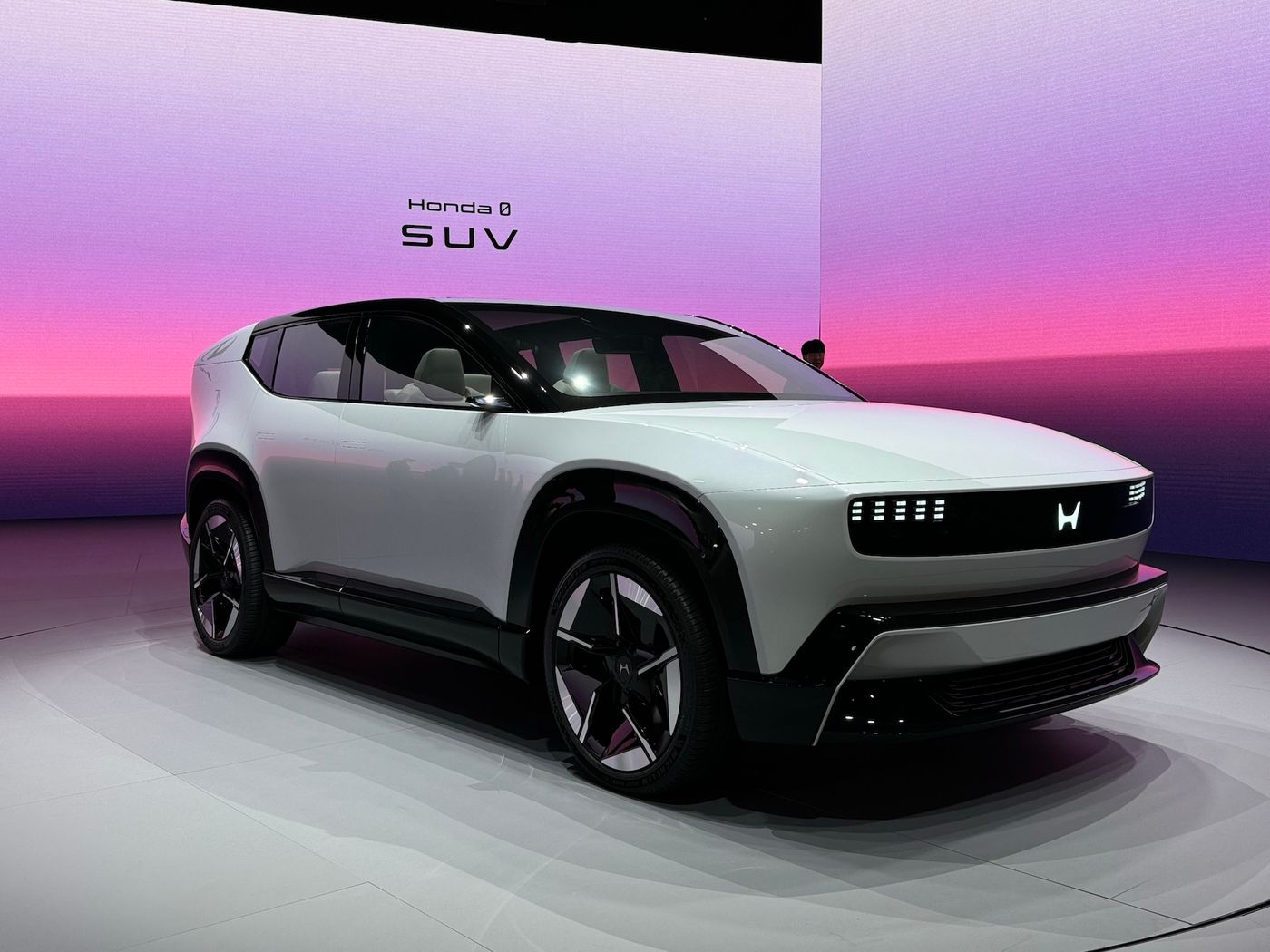
Honda has pulled the plug on all three of its planned U.S.-built electric vehicles. The automaker confirmed on March 12 that it is canceling development and market launch of the Honda 0 Series SUV, the Honda 0 Series Saloon, and the Acura RSX — an ambitious trio of EVs that were central to its electrification strategy. Honda disclosed it expects to book losses of between $5.2 billion and $15.8 billion as a result of the decision.
The announcement is the biggest single EV retreat from any major automaker in the current wave of program cancellations, and it underscores how severely the combination of persistent tariff uncertainty and slowing EV demand is reshaping the industry’s electrification timelines.
What Was Planned
The Honda 0 Series had been in development for several years, with the SUV and Saloon concepts debuting at CES 2024. Both vehicles were designed around a new platform optimized for electric propulsion, featuring the thin, light, and efficient design philosophy Honda called its “0 Series” ethos. The Acura RSX was positioned as a performance-oriented variant, intended to bring the luxury brand into the EV age with sporty proportions and a premium interior.
All three vehicles were planned for production at Honda’s new EV manufacturing facility in Ohio, a plant the company invested heavily in as part of its $700 million EV push announced in 2023. The facility was designed to produce up to 240,000 EVs annually, a target that now appears significantly overbuilt for the automaker’s revised plans.
Why Honda Pulled the Plug
Honda pointed directly at the Trump administration’s tariff regime as a primary driver of the decision. Tariffs on imported EV components and materials — combined with uncertainty over whether the Inflation Reduction Act’s EV incentives would be renewed — made the economics of the U.S.-built EVs untenable. Honda noted that each vehicle would have required significant cost absorption to reach price points competitive with gas-powered and hybrid alternatives.
The broader EV demand picture also played a role. Even before the latest tariff announcements, U.S. EV adoption had slowed considerably. High vehicle prices, charging infrastructure concerns, and a cultural pivot back toward hybrids among mainstream buyers had softened the market precisely as Honda was preparing to launch vehicles that required substantial upfront investment.
Honda CEO Toshihiro Mibe acknowledged the decision was painful but necessary. “We must be realistic about what the market will bear and where we can compete sustainably,” Mibe said in a company statement. “This is not a retreat from electrification — it is an adjustment of our pace and our approach.”
Hybrid Sales Surge as EVs Retreat
The Honda cancellation follows a familiar pattern: as EV plans stall, hybrid sales are surging. Honda’s own CR-V Hybrid and Accord Hybrid have been consistent bright spots in its U.S. lineup, with hybrid sales hitting record highs in early 2026. The automaker appears to be quietly pivoting toward a hybrid-first strategy while it waits for the EV market conditions to improve.
Industry analysts estimate that Honda’s decision will trigger similar strategic reviews at other mid-tier automakers who had been planning aggressive EV launches for the U.S. market. Several brands are understood to be re-evaluating 2027 and 2028 EV programs as tariff costs and demand uncertainty persist.
What This Means for Honda’s Electric Future
Honda has not abandoned EVs entirely. The company continues to invest in solid-state battery research and has not canceled EVs planned for other markets, including China and Japan. The company also still sells the Prologue — an EV built on General Motors’ Ultium platform — in the U.S. market. But the cancellation of the 0 Series family means Honda’s homegrown EV portfolio in the U.S. will be effectively frozen for the foreseeable future.
For buyers who were waiting for Honda’s dedicated EVs, the message is clear: the wait is now considerably longer. In the meantime, the CR-V Hybrid remains one of the most sensible electrified vehicles the brand offers — and it’s a gas-electric hybrid that doesn’t require any new charging infrastructure to operate efficiently.