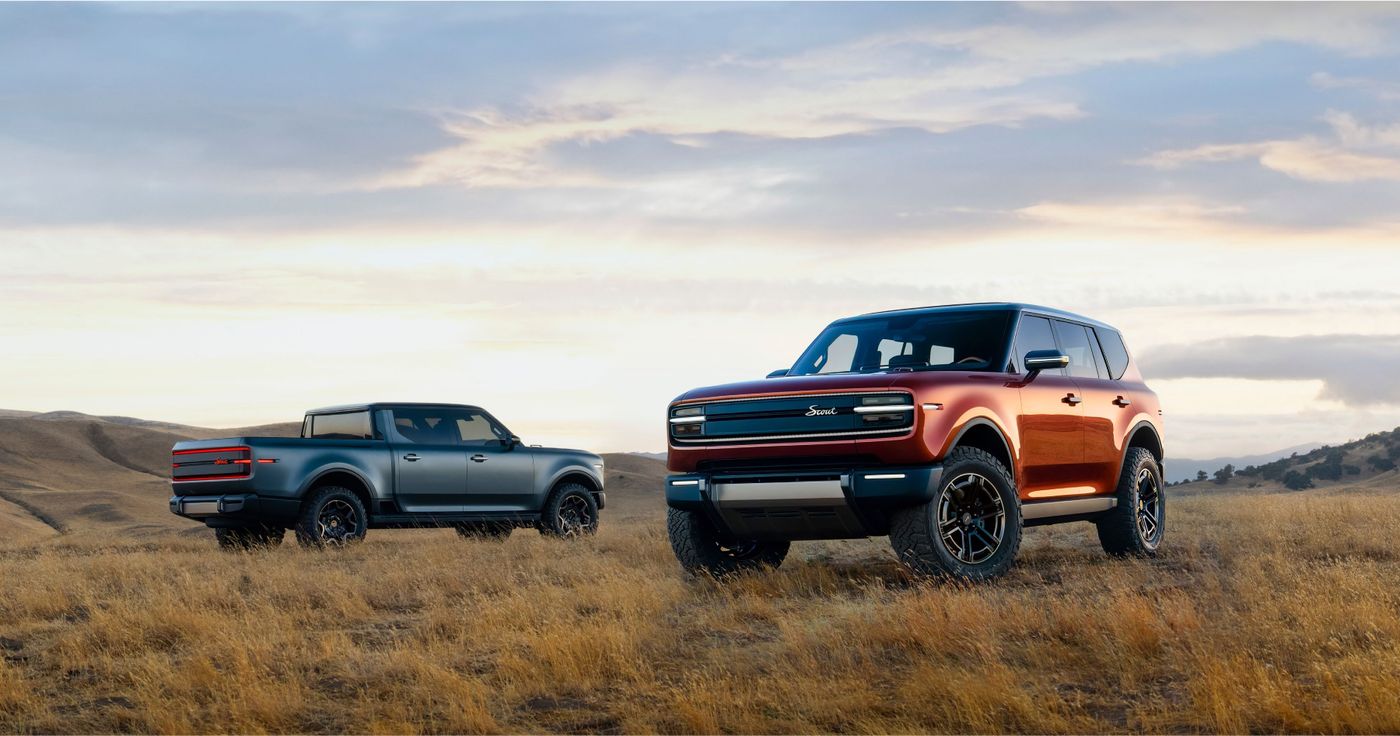
VW Dealers Sue Scout Motors Over Direct-to-Consumer Sales Plan
A class-action lawsuit filed by Volkswagen franchise dealers aims to block Scout Motors from selling its electric trucks and SUVs directly to buyers — escalating a battle over how EVs should be sold in America.
Volkswagen’s plan to sell its Scout-branded electric vehicles directly to consumers is facing its biggest legal challenge yet. A class-action lawsuit filed in U.S. District Court for the Eastern District of Virginia on March 3 — and widely reported in the automotive press by March 4 — accuses Volkswagen of America and Scout Motors of an illegal conspiracy to bypass the franchise dealer system and sell vehicles directly to buyers, bypassing the independent dealers who have invested heavily in VW franchises.
The lawsuit, filed by two Volkswagen dealerships, seeks a jury trial, monetary damages, legal fees, and an injunction to stop Scout from selling vehicles directly to consumers. A separate lawsuit in California — filed by the California New Car Dealers Association in April 2025 — is also proceeding through the courts, with a judge recently allowing the case to advance.
The Direct Sales Model
Scout Motors, the brand VW revived in 2024 to sell electric trucks and rugged SUVs, planned from the outset to sell exclusively through a direct-to-consumer model — no franchise dealerships, no independently owned lots. The approach mirrors Tesla’s sales strategy and is intended to give Scout control over the entire customer experience, from configuration to delivery.
It’s also, according to the dealers, illegal — or at least a violation of agreements that VW franchise dealers say they were not consulted about.
“To avoid these obligations, VW created Scout Motors as a separate brand specifically to conduct direct sales that VW itself cannot do under its existing dealer agreements,” the lawsuit alleges. The dealers argue that VW’s use of Scout to sidestep franchise commitments is an anticompetitive scheme that exploits the regulatory differences between brands.
VW’s Defense
Volkswagen of America has defended the Scout sales model, arguing that Scout is a separate brand with no franchise dealer network — similar to how Genesis operates as Hyundai’s luxury brand without using the same dealership network as Hyundai. VW has also noted that the direct sales model is a legitimate business strategy, not a conspiracy.
Scout Motors has its own website where customers can configure and reserve vehicles, and the company has said it will operate its own “Scout Spaces” — showroom and delivery locations in select markets — rather than relying on independent dealers.
The Broader Dealer War
The lawsuit is the latest flashpoint in a broader standoff between automakers and their dealer networks over how electric vehicles should be sold. Several automakers — including Ford with the F-150 Lightning and GM with its EVs — have run into resistance from dealers who feel that EVs threaten their service revenue models and require significant upfront investment in training and equipment.
Tesla’s direct sales model has been copied by Rivian and a handful of other EV startups, but established automakers with existing dealer franchises face legal and contractual obstacles that make a wholesale shift difficult. Scout was designed from the ground up to avoid those constraints, which is precisely what makes it so threatening to VW dealers.
The California case is expected to proceed faster due to the state’s specific dealer franchise laws. The federal Virginia case could set broader precedent depending on how it proceeds.