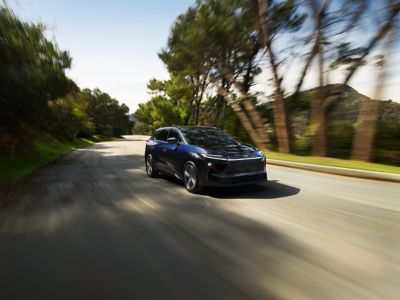
Toyota bZ4X Recall: What Owners Need to Know After NHTSA Investigation
Toyota has issued a second recall for the bZ4X electric SUV following an NHTSA investigation into wheel detachment concerns. Here's what owners should do.
Toyota has initiated a second recall for the bZ4X electric SUV following an NHTSA investigation into reports of wheel detachment in certain model year 2023-2025 vehicles. The recall affects approximately 9,800 vehicles in the United States and follows a 2023 recall that addressed a separate wheel hub bolt issue.
What the Recall Covers
The new recall specifically addresses a potential fatigue fracture in the front wheel hub assembly under certain high-stress driving conditions. NHTSA received 17 field reports of wheel hub cracks or wheel detachment in vehicles that had received the prior recall’s repair, suggesting the original repair was incomplete for some vehicles.
Toyota has confirmed that the root cause appears to be a casting defect in a limited number of front wheel hub assemblies from a specific supplier batch. The fix involves replacement of the front wheel hub assembly on affected vehicles.
Toyota is notifying owners by mail, with the recall campaign beginning February 15, 2026. Owners can also check their VIN at nhtsa.gov/recalls.
What Owners Should Do
Affected bZ4X owners should:
- Check their VIN at nhtsa.gov/recalls or toyota.com/recall
- Contact their local Toyota dealer to schedule the free repair
- Until the repair is completed, avoid high-stress driving maneuvers (hard cornering, rapid acceleration from low speeds)
Toyota is providing free loaner vehicles while the repair is completed, which typically takes 2-4 hours.
The Broader Context
The bZ4X recall is the latest in a series of quality challenges for Toyota’s first dedicated electric vehicle. The 2023 recall — also related to wheel hub bolts — was one of the most serious quality issues in Toyota’s recent history and required a complete redesign of the hub assembly.
Toyota has maintained that the bZ4X issues are isolated to a specific supplier batch and do not reflect broader quality concerns with the company’s EV program. The company has been investing heavily in its EV quality control processes as it prepares to launch new EV models in 2027-2028.
For more on Toyota’s EV plans, see our Toyota hybrid success analysis.